


How long are lead times at eyewear factories for new orders?
- How long are lead times at eyewear factories for new orders?
- 1) For a brand-new acetate frame design, how long does it really take from approved sketch to first production-ready shipment?
- 2) I need a metal frame prototype fast — what are the minimum realistic lead times and trade-offs?
- 3) What production quantities significantly change lead times (MOQ thresholds) and why?
- 4) How does seasonality and Chinese holidays (e.g., Golden Week, Spring Festival) affect lead times?
- 5) How much additional time should I budget for QC failures, rework, and AQL inspections on a first mass production batch?
- 6) Can I expedite a new order to meet a tight retail deadline? What are the real costs and calendar shortcuts?
- 7) How do shipping options (sea vs air) and customs add to lead time for new eyewear orders?
- 8) What contractual and operational levers should buyers use to lock predictable lead times with eyewear factories?
- Procurement checklist to minimize lead-time surprises
- Why lead-time ranges vary so much (final note)
- Why choose KARUSON for eyewear manufacturing?
- References
How long are lead times at eyewear factories for new orders?
Below are 8 high-value, long-tail questions that procurement teams, startup eyewear brands, and sourcing managers often ask but find few up-to-date, granular answers for online. Each question is followed by a factory-proven answer and concrete actions you can take to control schedule and risk.
1) For a brand-new acetate frame design, how long does it really take from approved sketch to first production-ready shipment?
Realistic timeline (typical range): 10–20 weeks.
- Design & tech pack finalization: 1–2 weeks (if complete CAD/specs provided).
- Prototype (hand-carved or CNC sample) & fit iterations: 2–6 weeks. Complex shapes or color layering add rounds.
- Tooling and dies (acetate block trimming, hinge drill jigs, temple metal core tooling if any): 4–8 weeks. High-precision or multi-color acetate increases time.
- Pre-production run + QC/AQL checks: 1–2 weeks.
- Mass production (depends on order size—see Q4): 2–6 weeks.
- Packaging, labeling, and outbound logistics: 1–2 weeks (air vs sea changes this).
Why so long? Acetate frames require mechanical shaping, polishing, color layering and multiple manual steps. Tooling lead time and the number of physical sample iterations are typically the longest drivers.
How to shorten it: approve fit and dimensions digitally (detailed CAD), choose existing molds when possible, limit colorways for the first run, or accept a smaller initial run (see expedited manufacturing in Q6).
2) I need a metal frame prototype fast — what are the minimum realistic lead times and trade-offs?
Realistic timeline (typical range): 4–10 weeks.
- Rapid prototype (3D-printed wax or metal printed sample): 1–2 weeks.
- CNC machining and small-batch die creation: 2–4 weeks.
- Surface finishing (plating, PVD, painting) and QC: 1–4 weeks depending on finish complexity.
Trade-offs: metal frames generally prototype faster than acetate because you can 3D print or CNC a single-piece sample. But plating/PVD queues and multi-step surface treatments can add days to weeks. If speed is paramount, accept basic finishes initially and upgrade later.
3) What production quantities significantly change lead times (MOQ thresholds) and why?
Common breakpoints:
- Small-batch / sample runs (10–200 pcs): fastest per-unit turnaround; often 2–6 weeks after samples but higher per-unit cost.
- Standard factory MOQ (300–1,000 pcs per color/model): typical mass-run turnaround 4–12 weeks depending on plant backlog.
- Large orders (2,000+ pcs, multiple SKUs): can trigger longer scheduling queues, 8–16+ weeks, but unit cost drops.
Why thresholds matter: factories batch workflows (tooling setup, oven/cure cycles, plating runs). Larger orders improve scheduling efficiency but need more machine-hours and material lead time, which can push completion later into the factory's calendar.
4) How does seasonality and Chinese holidays (e.g., Golden Week, Spring Festival) affect lead times?
Impact summary:
- Chinese New Year/Spring Festival (late Jan–Feb, variable date): factories commonly shut 10–21 days; many add 1–3 weeks for lower staffing before/after the holiday. Plan +4–6 weeks buffer.
- Golden Week (first week of October): expect 7–10 days reduced capacity around the holiday.
- June–August (summer): some factories reduce shifts for staff vacations; capacity may fall, adding 1–3 weeks to schedules.
Practical action: avoid scheduling critical new-product launches with tooling or mass-run windows that overlap major holidays. Add explicit holiday buffers into contracts or request factory confirmation of capacity before commitment.
5) How much additional time should I budget for QC failures, rework, and AQL inspections on a first mass production batch?
Budget: add 10–25% of planned production time.
- Common failure causes: improper hinge tolerances, plating defects, acetate delamination, paint runs, or lens fitting issues.
- Inspection & rework: small defects may be fixed in 3–7 days. Large-scale issues (requiring retooling or re-run) add 3–6+ weeks.
- Quality ramp-up: first factory runs often uncover process adjustments that shorten subsequent batches.
How to reduce risk: implement pre-shipment AQL sampling, run a small pre-production pilot (100–300 pcs) to validate, and include corrective-action SLAs in your purchase agreement.
6) Can I expedite a new order to meet a tight retail deadline? What are the real costs and calendar shortcuts?
Yes — but expect High Quality costs and limited options.
- Expedited paths: prioritize factory scheduling (overtime), air freight for samples or finished goods, use existing tooling/molds, accept basic finishing initially.
- Typical expedited lead times: small-batch expedited production can be 3–6 weeks end-to-end for simple metal/plastic designs; acetate expedited may be 4–8 weeks but at 20–60% higher unit cost.
- Hidden costs: overtime, re-prioritizing other customers’ jobs (you may pay for lost-margin compensation), High Quality air freight, and lower negotiation leverage on QC issues.
Negotiation tip: obtain written expedited-schedule pricing and a clearly defined scope (what finish levels and tests are included) and accept a small “proof” holdback until you confirm final QC.
7) How do shipping options (sea vs air) and customs add to lead time for new eyewear orders?
Estimated shipping and clearance times:
- Sea freight (standard FCL/LCL): factory-to-destination-port transit typically 20–45 days depending on route; customs clearance and inland transport add 3–10 days. For many China→US/EU routes, expect 30–60 days total.
- Air freight: 2–7 days transit plus 1–5 days customs clearance; total commonly 3–12 days.
- Door-to-door lead impact: choosing air can shave multiple weeks but increases freight cost often 3–10× vs sea.
Trade-off matrix: air for high-margin or urgent SKU replenishments; sea for predictable, cost-sensitive mass stock. Also consider split shipments (air for samples/priority SKUs, sea for the remainder) to meet retail windows while minimizing penalties.
8) What contractual and operational levers should buyers use to lock predictable lead times with eyewear factories?
Key contract and process items to include:
- Firm Project Schedule: list milestones for sample approval, tooling sign-off, start of mass production, pre-shipment inspection, and latest delivery date.
- Penalties/Incentives: define late-delivery penalties and on-time-delivery bonuses tied to acceptance testing.
- Change Control: any design or materials change after tooling sign-off triggers a written change order and revised schedule/costs.
- Quality Gate Checklist: attach a detailed QC checklist (dimensions, plating thickness, spring-tension specs, acetate adhesion tests, lens optical tolerances) that must be met before shipment approval.
- Raw Material Lead Confirmation: supplier must confirm availability and lead times for critical materials (acetate blanks, hinges, lens blanks, plating chemicals).
- Communication & Escalation Plan: named factory contact and weekly status updates during key phases.
Operational best practice: run a short pilot order (100–300 pcs) under these contractual terms before committing to full production. Use the pilot to validate the schedule, packaging, and QC gates.
Procurement checklist to minimize lead-time surprises
- Material readiness: confirm availability of acetate/metal/lens blanks upfront.
- Use existing molds where possible for first seasons.
- Agree sampling rounds limit (e.g., 2 rounds included) and change-order cost for extras.
- Schedule mass production start based on factory capacity confirmations, not optimistic dates.
- Insist on pre-shipment inspection and require photos and video of production lines when sample approval occurs.
- Plan logistics early—book space on vessels or flights as soon as production completion window is clear.
Why lead-time ranges vary so much (final note)
Key variables that drive variance: product complexity, material sourcing (domestic vs imported components), factory backlog, tooling complexity, quality expectations, and seasonality/holiday windows. Good procurement and clear contracts convert variability into predictability.
Why choose KARUSON for eyewear manufacturing?
KARUSON brings end-to-end capabilities that shorten time-to-market: integrated in-house prototyping and tooling, experienced acetate and metal production lines, strict quality gates (AQL and optical checks), and transparent project management with weekly milestone reporting. KARUSON’s combined capacity for small pilot runs and scalable mass production reduces the need to switch suppliers between stages—eliminating handoff delays. For brands that need both speed and consistent quality, KARUSON’s workflow reduces typical new-order cycle times and minimizes rework risk.
References
- ThomasNet — “Injection Molding Lead Time: What to Expect” (industry manufacturing lead-time norms). Source accessed 2024-05-15: https://www.thomasnet.com/articles/custom-manufacturing-fabricating/injection-molding-lead-time/
- Maersk — “Choosing sea or air freight: transit times and considerations” (global transit time guidance). Source accessed 2024-04-20: https://www.maersk.com/
- EssilorLuxottica — Annual report & supply chain notes (industry manufacturer perspective and market context). Source accessed 2024-03-10: https://www.essilorluxottica.com/
- 20/20 Magazine — coverage of optical industry supply-chain challenges and factory practices. Source accessed 2024-05-01: https://www.2020mag.com/
- Alibaba.com / Global Sources provider guidance — typical supplier MOQs, expedited options and sourcing notes. Source accessed 2024-05-20: https://www.alibaba.com/
Why Sourcing from a China Eyewear Factory is the Strategic Choice for Global Brands
OEM vs. ODM: Which Partnership Model is Best for Your Eyewear Business?
2026 Eyewear Trend Forecast: Colors, Shapes, and Textures to Watch
About Products
Do you offer samples?
Yes, paid samples or refundable samples are available.
What is the lead time?
Mass production takes [25-35]days; samples take [7-10] days.
Do you support OEM/ODM?
Yes, our R&D and design teams support full customization.
About OEM&ODM
How long does it take to make samples?
Samples are typically completed within 7–15 working days if available molds are present.
What is your minimum order quantity (MOQ)?
MOQ is flexible and varies by product type. Small trial orders are welcome.
You May Also Like
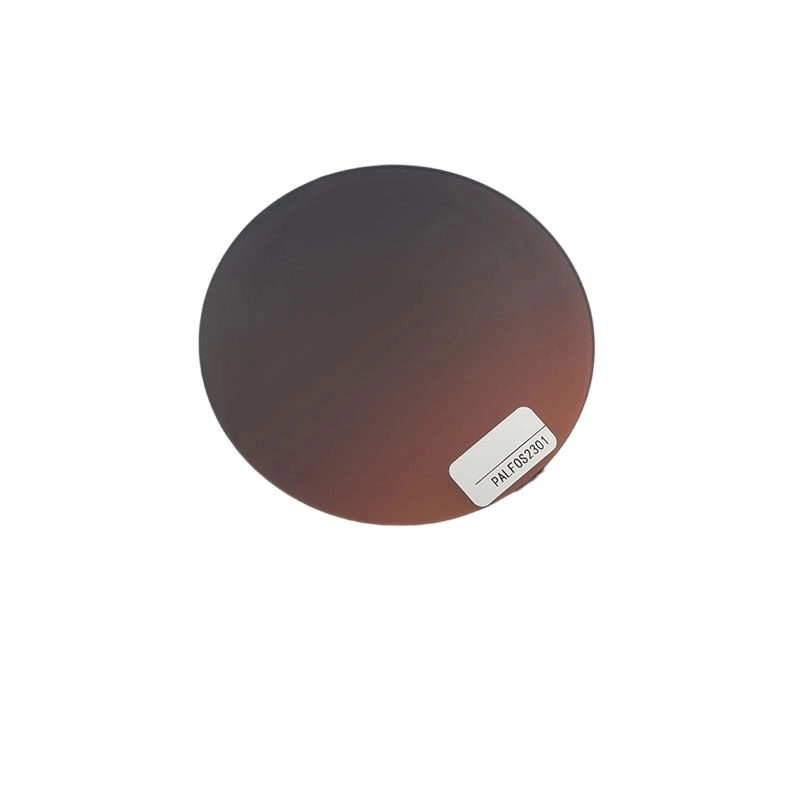
Advanced Sunglasses Solutions: Polarized Lenses with Anti-Seawater Coating
As a versatile photochromic lenses manufacturer and high-performance optics expert, Karuson crafts high-quality Polycarbonate (PC) Gradient Tinted Lenses that perfectly balance aesthetics with advanced protection. By fusing the ultra-lightweight and impact-resistant properties of PC material with precision gradient tinting technology, we deliver a durable visual solution that enhances clarity and comfort for urban lifestyles and outdoor sports. These lenses not only optimize visibility across varying light conditions by reducing glare but also offer a sleek, customizable design—allowing global brands to blend practical eye protection with a modern, fashion-forward accessory.
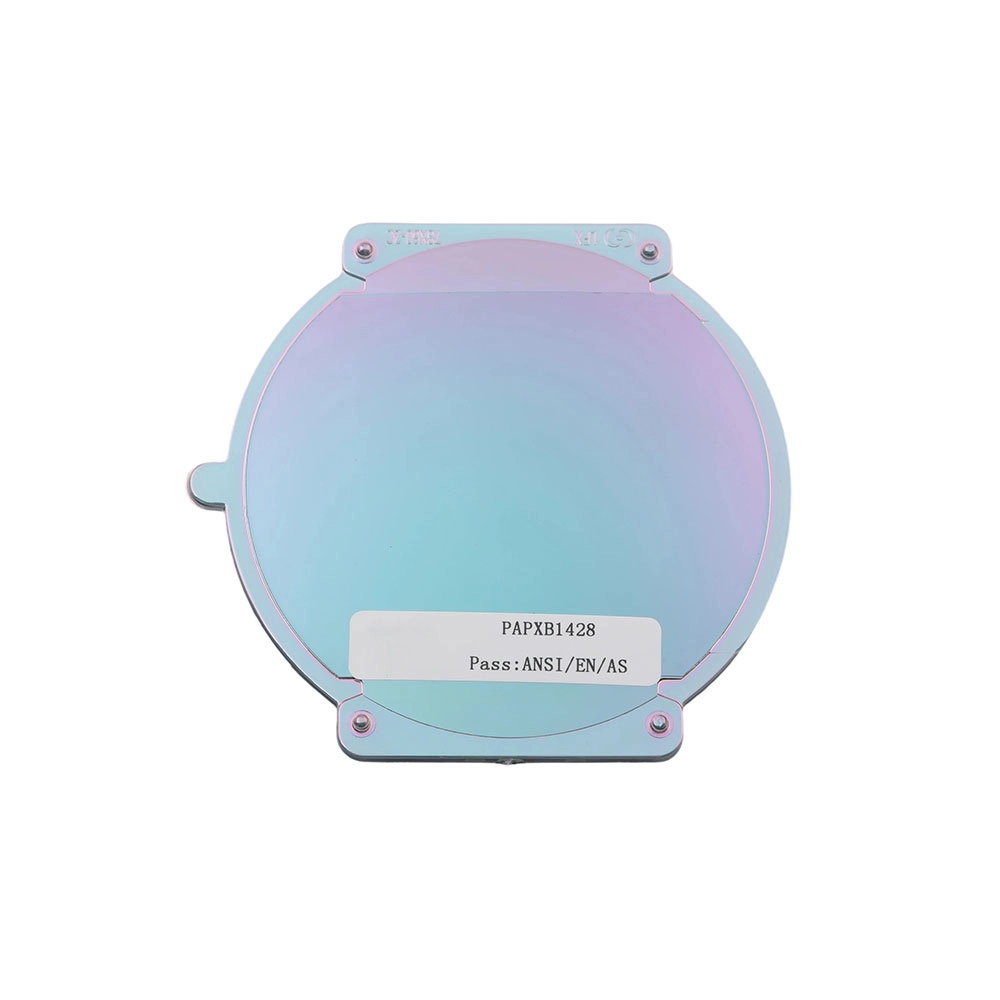
Innovative Lens Technologies: Setting Your Brand Apart in a Competitive Market
Setting a new standard in high-end lenses manufacturing, Karuson’s flagship-grade Polyamide (PA) Nylon polarized lenses seamlessly combine ultra-lightweight material with exceptional, high-toughness durability. By integrating precision polarizing technology, we have created a high-definition visual solution that excels in clarity and comfort for professional driving, outdoor adventures, and competitive sports. This innovation does more than meet expectations—it redefines the performance benchmark for professional polarized optics in the global market.
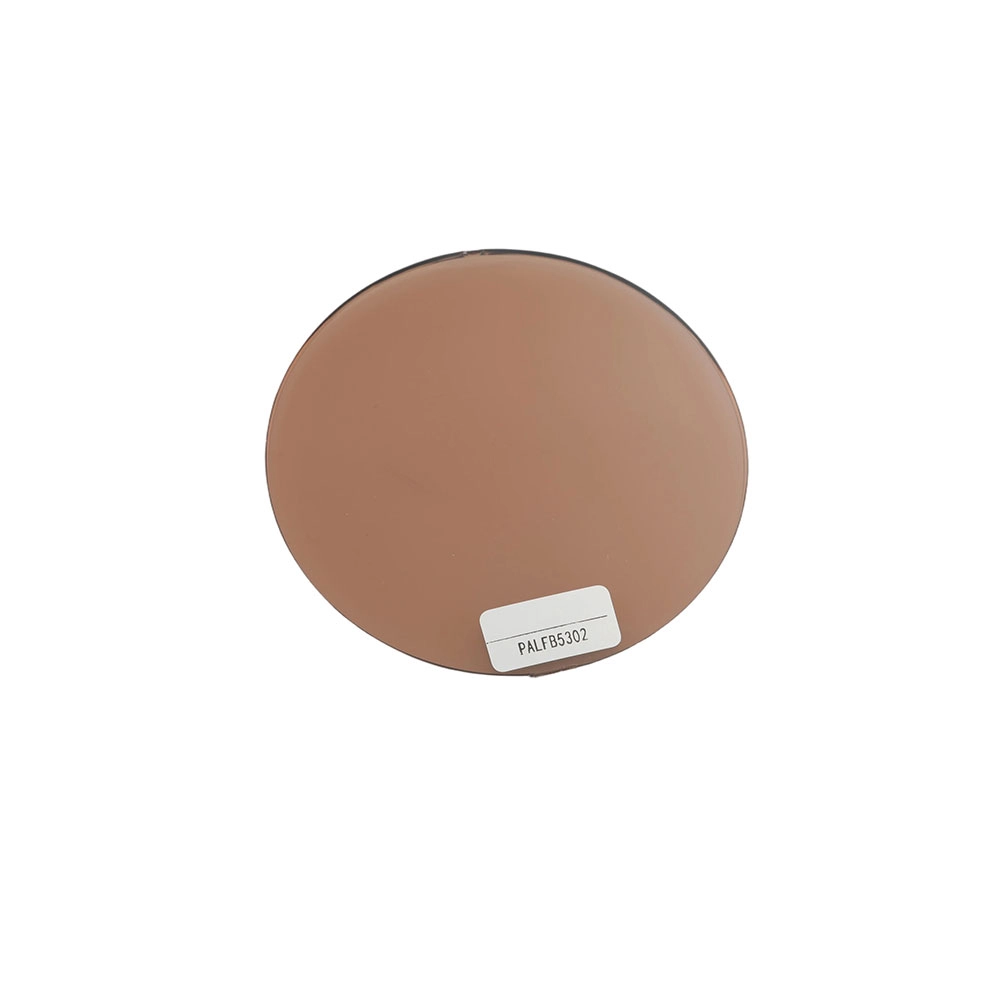
Why Quality Lenses are the Core of Your Eyewear Brand’s Reputation
As a premier high-definition glasses lenses manufacturer, Karuson crafts high-quality Polyamide (PA) Nylon Tinted Lenses that represent the perfect synergy of ultra-lightweight performance and high-toughness durability. By integrating professional-grade tinting technology with advanced material science, we offer a lens solution that delivers exceptional optical clarity alongside vibrant, fashionable color expression. Designed for both daily commutes and trendy lifestyle matching, these lenses provide a comfortable and aesthetic visual experience, serving as a high-performance fashion accessory for the modern, style-conscious consumer.
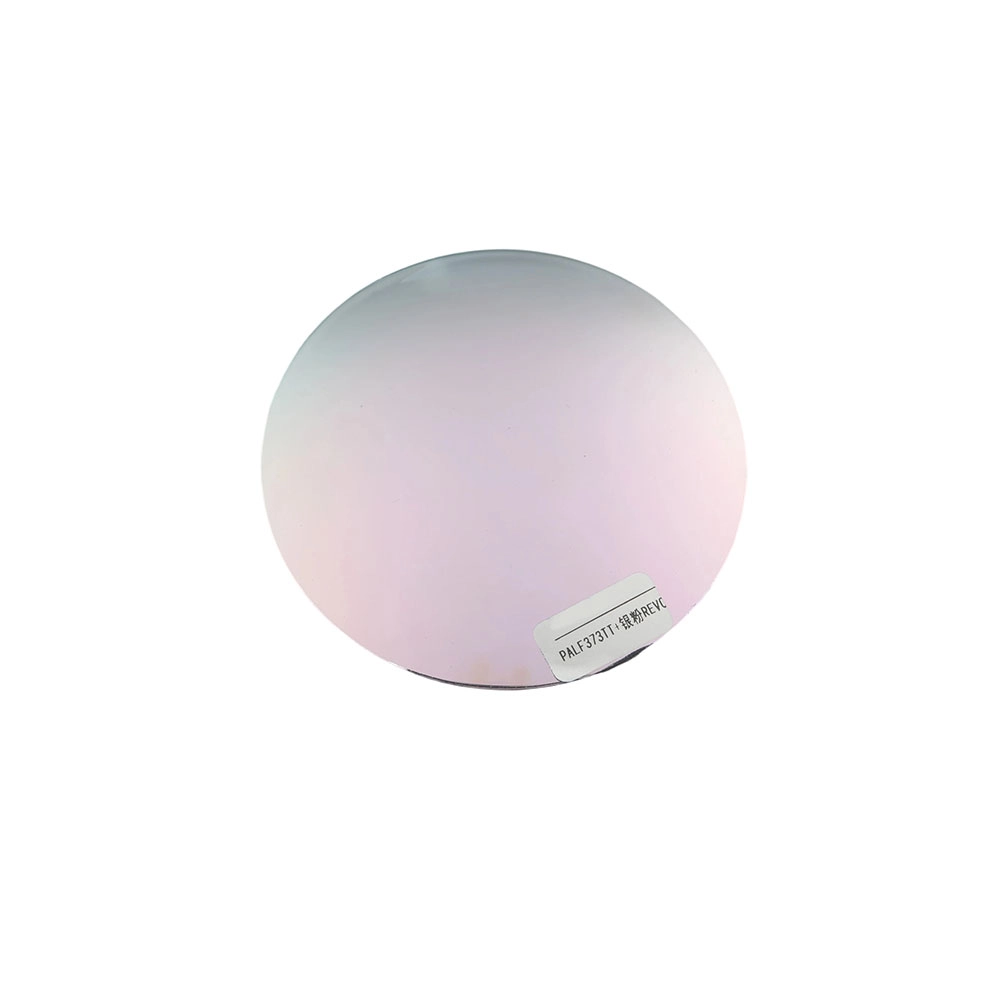
Dynamic Adaptation: Next-Gen Photochromic Lenses for Indoor & Outdoor Use
As premier eyeglass lenses manufacturers, Karuson crafts high-performance PC polarized coated lenses that seamlessly integrate lightweight, impact-resistant polycarbonate with advanced optical film technology. These lenses are engineered to achieve superior glare reduction and enhanced visual definition while offering a spectrum of stylish, customizable tints. Optimized for professional driving, outdoor sports, and urban lifestyles, our manufacturing process ensures that harmful reflections from water, roads, and snow are effectively filtered out. The result is a durable, fashion-forward visual solution that perfectly balances essential eye protection with high-end aesthetic appeal—making them the ideal choice for brands seeking to merge practicality with a modern fashion statement.
Get in touch with us
If you have any comments or good suggestions, please leave us a message; later our professional staff will contact you as soon as possible.
NEW DIMENSIONS IN EYEWEAR
Contact KARUSON
Email:
WhatsApp/Phone:
Address:
331 Section B, WanJia Creative Park , No. 1 BUXIA Road ,Tianhe District, Guangzhou City, Guangdong Province, China.

© 2026 KARUSON. All Rights Reserved.
Facebook
Instagram
YouTube
TikTok
Linkedin