


What is the typical lead time for lenses manufacturing?
- 1) What is the typical lead time for manufacturing single‑vision, coated prescription lenses (bulk OEM orders) including AR and hard coat?
- 2) How does freeform progressive lens production affect lead time versus conventional progressive lenses for low‑volume OEM runs?
- 3) If I order lenses with high‑index + photochromic + multi‑layer AR from an overseas eyewear factory, which production steps add time and how much?
- 4) How do MOQ, mold tooling and frame finishing influence overall lead time when ordering custom‑branded acetate frames and matched prescription lenses?
- 5) What real‑world lead time buffers should retailers allow for quality control, shipping, customs, and optical adjustments when sourcing lenses from overseas eyewear factories?
- 6) How can buyers shorten lens manufacturing lead time without sacrificing quality — practical, actionable options?
- Quality, Standards and Factory Vetting (practical checklist)
- Concluding summary: advantages of sourcing from a responsive, vertically integrated eyewear factory
Eyewear Factory Lead Times: What Is the Typical Lead Time for Lenses Manufacturing?
As a buyer working directly with an eyewear factory, you need precise, actionable timelines. Below are six specific, buyer-focused questions beginners frequently ask but rarely find up-to-date, factory-grade answers to. Each question includes a step-by-step timeline, causes of delay and practical mitigations you can implement when sourcing prescription lenses, AR coatings, freeform surfacing or complete OEM/ODM orders.
1) What is the typical lead time for manufacturing single‑vision, coated prescription lenses (bulk OEM orders) including AR and hard coat?
Typical factory turnaround for bulk single‑vision prescription lenses (standard index 1.50–1.60) in OEM runs: 5–12 business days after order confirmation. Breakdown:
- Order confirmation & prescription verification: 1 business day (if Rx data and PDs are complete).
- Blank allocation and surfacing queue (CNC/diamond turning): 1–4 business days depending on factory load.
- Edge finishing and beveling/EDging for frame fit: 0.5–1.5 business days.
- AR (anti‑reflective)/hard coat application: 1–3 business days (batch drying and cure cycles determine min times).
- Final inspection & packaging: 0.5–1 business day.
Factors that lengthen lead time: custom tints, low-volume orders below MOQ, non‑stock lens blanks (e.g., high‑index 1.67 or specialty materials), or peak season loads. Note that rapid‑turn programs (expedited surfacing or pre‑coated blanks) can reduce total time to 2–4 business days but usually require a High Quality fee and established supply agreements.
2) How does freeform progressive lens production affect lead time versus conventional progressive lenses for low‑volume OEM runs?
Freeform progressive lenses require additional computing, verification and often manual checks compared to traditional molded progressive designs. Typical lead time differences:
- Conventional progressive (stock designs): 7–12 business days for small OEM batches.
- Freeform progressive (custom surface generation): 10–18 business days for low volumes.
Why freeform takes longer: CAD/CAM ray‑tracing and toolpath generation per prescription, higher precision surfacing with sub‑micron tolerances, and extended inspection cycles (measurement of zone geometry and adaptation simulations). For low‑volume runs, factories often need to allocate a freeform machine slot and a specialized QC operator — these scheduling steps are the main added delay.
Tip: Negotiate a repeated‑order freeform profile (template) with the factory or pre‑pay a setup fee to reduce future turnaround to the 7–10 day range.
3) If I order lenses with high‑index + photochromic + multi‑layer AR from an overseas eyewear factory, which production steps add time and how much?
Stacking special options increases both processing steps and cure/dry times. Estimated additional time (on top of base surfacing):
- High‑index blank procurement (1.67 or 1.74): +2–5 business days if not stocked locally in the factory.
- Photochromic infusion or pre‑doped blank handling: +1–3 business days due to controlled heating cycles.
- Multi‑layer AR coating (vacuum deposition, multiple layers): +2–4 business days (each layer and bake cycle requires time).
Real‑world example timeline: base surfacing 3 days + high‑index arrival 3 days + photochromic step 2 days + AR coating 3 days = ~11 business days. Shipping from overseas and customs add to the calendar if blanks are sourced outside the factory country. Choose a factory that stocks your required high‑index and photochromic blanks to avoid procurement delays.
4) How do MOQ, mold tooling and frame finishing influence overall lead time when ordering custom‑branded acetate frames and matched prescription lenses?
When you combine custom frames and lenses, the slowest component sets the schedule. Typical timelines:
- Acetate frame tooling (new mold): 45–90 calendar days for mold design, sample turn‑around and first‑run corrections.
- Initial frame sample approvals and color matching: 7–21 calendar days (depends on number of revisions).
- Mass frame production (after mold sign‑off): 30–60 calendar days depending on order size, finishing (polish, plating) and embossing/branding steps.
- Prescription lens manufacturing and mounting to frames: lens turnaround 7–14 business days; mounting and final QA 2–5 business days.
Therefore, for full OEM orders (new frame design + prescription lenses) expect 90–180 calendar days from design sign‑off to finished units ready for shipment. Ways mold tooling affects time: complex metal hinges, multi‑color acetate lamination, or additional plating steps add days to mold iterations and finishing.
5) What real‑world lead time buffers should retailers allow for quality control, shipping, customs, and optical adjustments when sourcing lenses from overseas eyewear factories?
Practical buffer recommendations (add to factory quoted production time):
- In‑factory QA rework buffer: +10–15% of production time (allows for rejected lots, re‑surfacing or re‑coating).
- Export packing, documentation and port handling: +3–7 calendar days.
- International sea freight: 20–35 calendar days (standard LCL/FCL from China/Vietnam to EU/US). Air freight: 2–7 calendar days but more expensive.
- Customs clearance & inland transit: +3–12 calendar days depending on brokerage, HS codes and local inspections.
- Optical lab adjustments at destination (re‑edging, minor prescription tweaks): +1–4 business days.
Overall, for overseas sourcing, add a conservative 30–60 calendar‑day buffer to factory production lead time if using sea freight; 7–20 days if using air freight and express customs brokerage. Maintain traceable shipping documentation and pre‑arrange local testing labs to reduce holding time on arrival.
6) How can buyers shorten lens manufacturing lead time without sacrificing quality — practical, actionable options?
Options to reduce turnaround while maintaining quality:
- Use stocked, pre‑coated blanks: Select an eyewear factory that carries common indexes, photochromic and AR pre‑coated blanks to cut procurement steps.
- Agree on repeatable freeform templates: Lock in surfacing profiles for repeat orders to eliminate per‑order CAD/CAM setup time.
- Pay for expedited surfacing schedules: Many factories offer priority machine slots for a fee; helpful for retail rushes.
- Split processes across locations: Perform surfacing in the factory, but outsource AR to a local lab near destination when logistics allow (reduces transit time for coatings that have long cure cycles in the factory country).
- Standardize measurement data: Use digital PD, monocular PD uploads, and Rx files in factory‑accepted formats to avoid verification delays.
- Negotiate a minimum stock program: Commit to a rolling MOQ stock (consigned stock or forecasted production) so the factory keeps pre‑surfaced inventory matched to your SKUs.
Each option requires negotiation around price and MOQ — but combined, these approaches can reduce typical lead times by 30–70% depending on your product mix and order cadence.
Quality, Standards and Factory Vetting (practical checklist)
To ensure timelines and quality align, vet suppliers on these points:
- Production capacity and machine types for surfacing and freeform (e.g., number of CNC/freeform generators).
- In‑house coating capability vs third‑party partnerships for AR/photochromic finishes.
- Quality assurance procedures: lensometers, interferometers for surface quality, automated AR layer thickness measurement.
- Standards compliance where applicable: ISO 8980 (optical properties), ANSI Z80.1 (US prescription standards) and CE/EN marks for sunglasses/safety frames. Ask to review certificates or test reports — don’t rely solely on claims.
- Clear MOQ, tooling lead time, and sample policy in writing before design or materials purchase.
Concluding summary: advantages of sourcing from a responsive, vertically integrated eyewear factory
Working with a vertically integrated eyewear factory that combines lens production, AR/coating capability and frame manufacturing reduces handoffs, shortens lead times and centralizes quality control. Advantages include more predictable turnaround, easier troubleshooting, consolidated shipping and the ability to implement repeatable templates or stock programs (lower effective MOQ). For buyers, the practical outcome is faster market response, fewer reworks and a clearer pathway to scaling private‑label or ODM lines while complying with industry standards such as ISO and ANSI.
If you need a customized lead‑time estimate or help building a fast‑turn program (stock blank strategy, repeatable freeform profiles, or expedited surfacing), contact us for a quote at www.karusonco.com or email nicole@karusonco.com.
Why Sourcing from a China Eyewear Factory is the Strategic Choice for Global Brands
OEM vs. ODM: Which Partnership Model is Best for Your Eyewear Business?
2026 Eyewear Trend Forecast: Colors, Shapes, and Textures to Watch
About Products
How do you ensure product quality?
Full QC process, factory testing, and international certifications.
About OEM&ODM
What is your minimum order quantity (MOQ)?
MOQ is flexible and varies by product type. Small trial orders are welcome.
What is your production lead time?
Mass production generally takes 30–45 days after sample approval.
How do we start a project with Karuson?
Send us your product idea or requirements—our team will review, advise, and provide the best solution and quotation.
Can you help with packaging and logo branding?
Absolutely—we provide branded packaging bags, boxes, logo applications, and display solutions.
You May Also Like
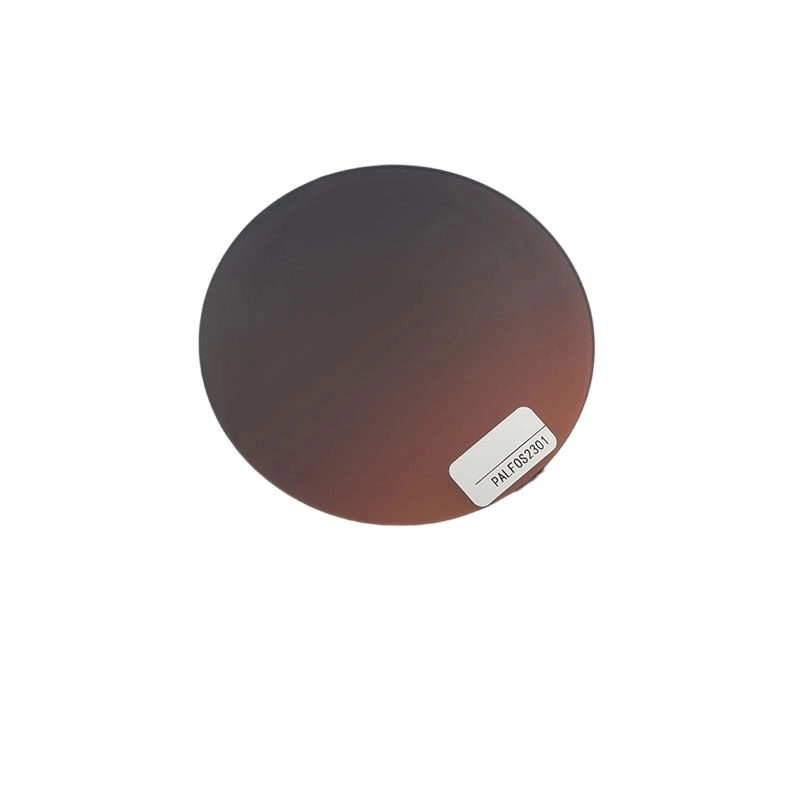
Advanced Sunglasses Solutions: Polarized Lenses with Anti-Seawater Coating
As a versatile photochromic lenses manufacturer and high-performance optics expert, Karuson crafts high-quality Polycarbonate (PC) Gradient Tinted Lenses that perfectly balance aesthetics with advanced protection. By fusing the ultra-lightweight and impact-resistant properties of PC material with precision gradient tinting technology, we deliver a durable visual solution that enhances clarity and comfort for urban lifestyles and outdoor sports. These lenses not only optimize visibility across varying light conditions by reducing glare but also offer a sleek, customizable design—allowing global brands to blend practical eye protection with a modern, fashion-forward accessory.
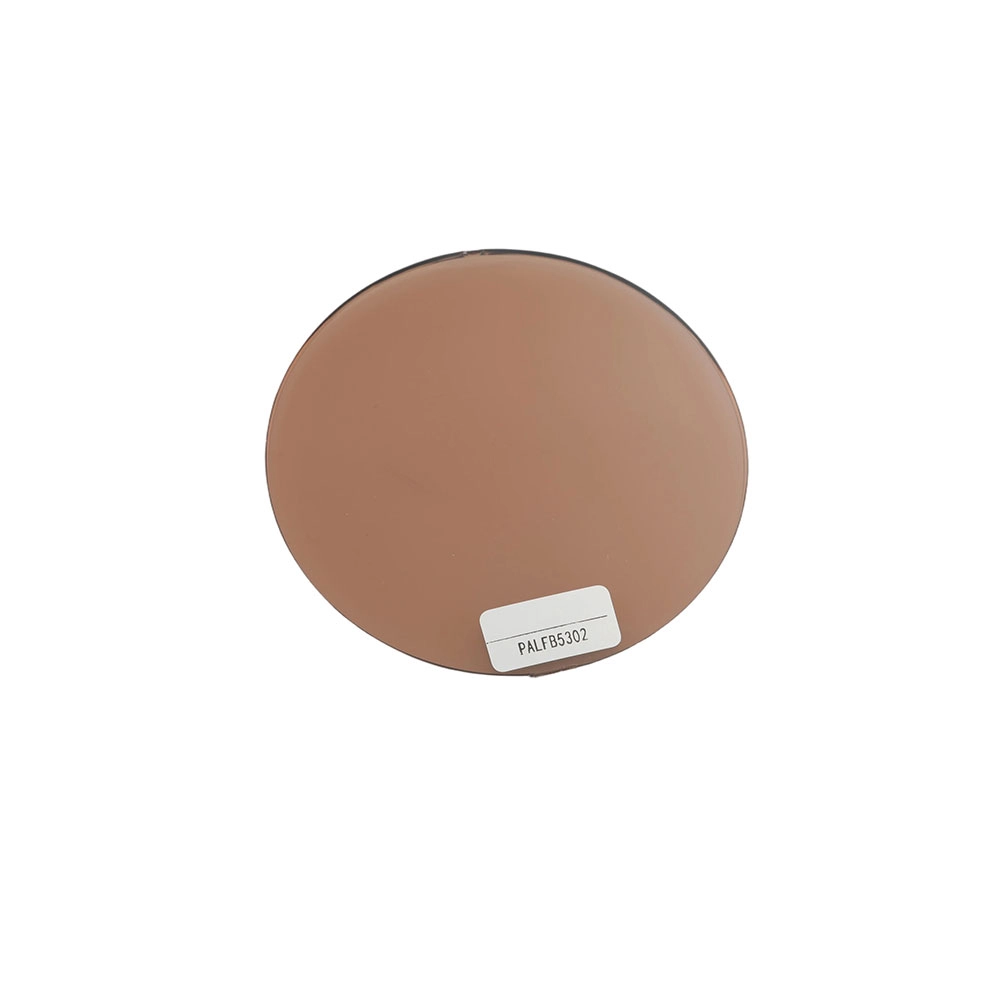
Why Quality Lenses are the Core of Your Eyewear Brand’s Reputation
As a premier high-definition glasses lenses manufacturer, Karuson crafts high-quality Polyamide (PA) Nylon Tinted Lenses that represent the perfect synergy of ultra-lightweight performance and high-toughness durability. By integrating professional-grade tinting technology with advanced material science, we offer a lens solution that delivers exceptional optical clarity alongside vibrant, fashionable color expression. Designed for both daily commutes and trendy lifestyle matching, these lenses provide a comfortable and aesthetic visual experience, serving as a high-performance fashion accessory for the modern, style-conscious consumer.
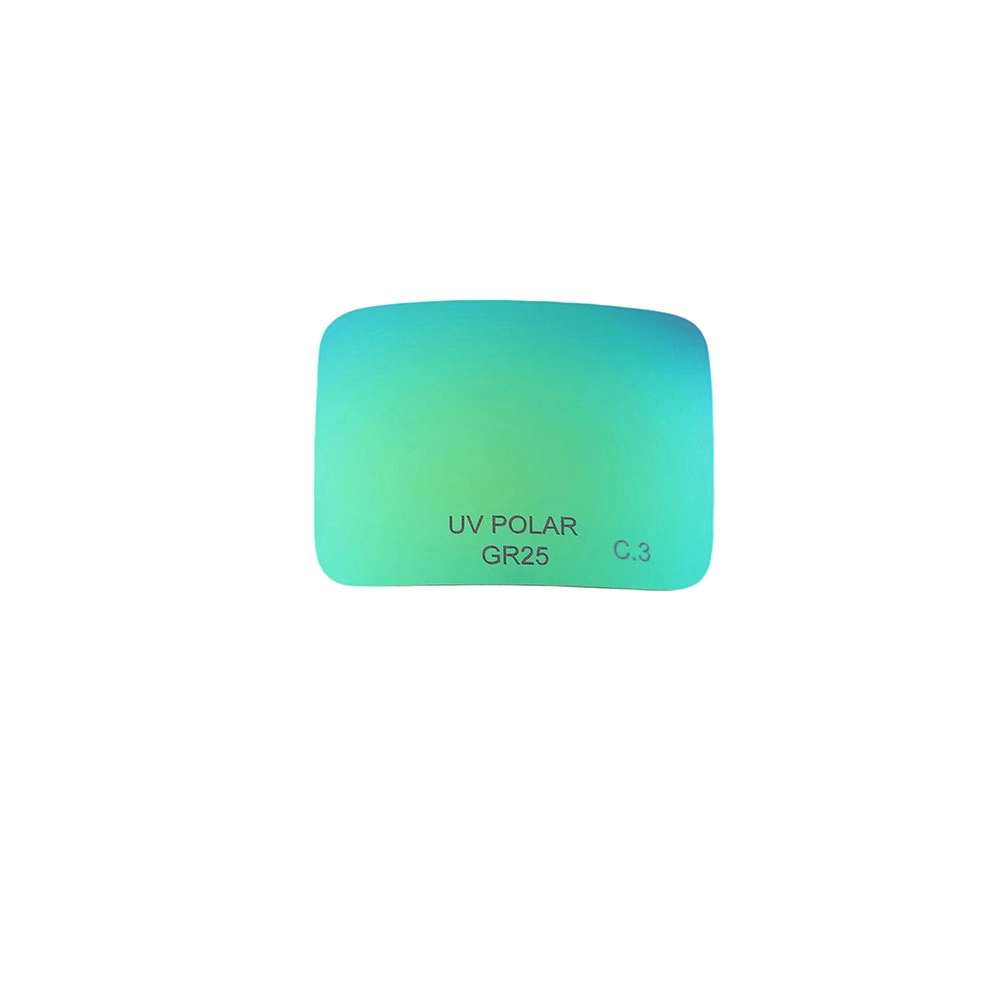
High-Definition Visual Clarity: Premium CR-39 & Polycarbonate Lenses
Experience the precision of a professional custom glasses lenses manufacturer. Karuson polarized lenses are engineered with a 99.9% high-polarization effect to provide unparalleled visual definition and glare reduction. By strategically absorbing reflected light through a high-stability PVA layer, our lenses are optimized for high-intensity outdoor environments, including maritime sailing, hunting, and alpine skiing. Furthermore, our specialized treatment ensures the lenses remain durable and distortion-free even in environments with high heat and humidity.
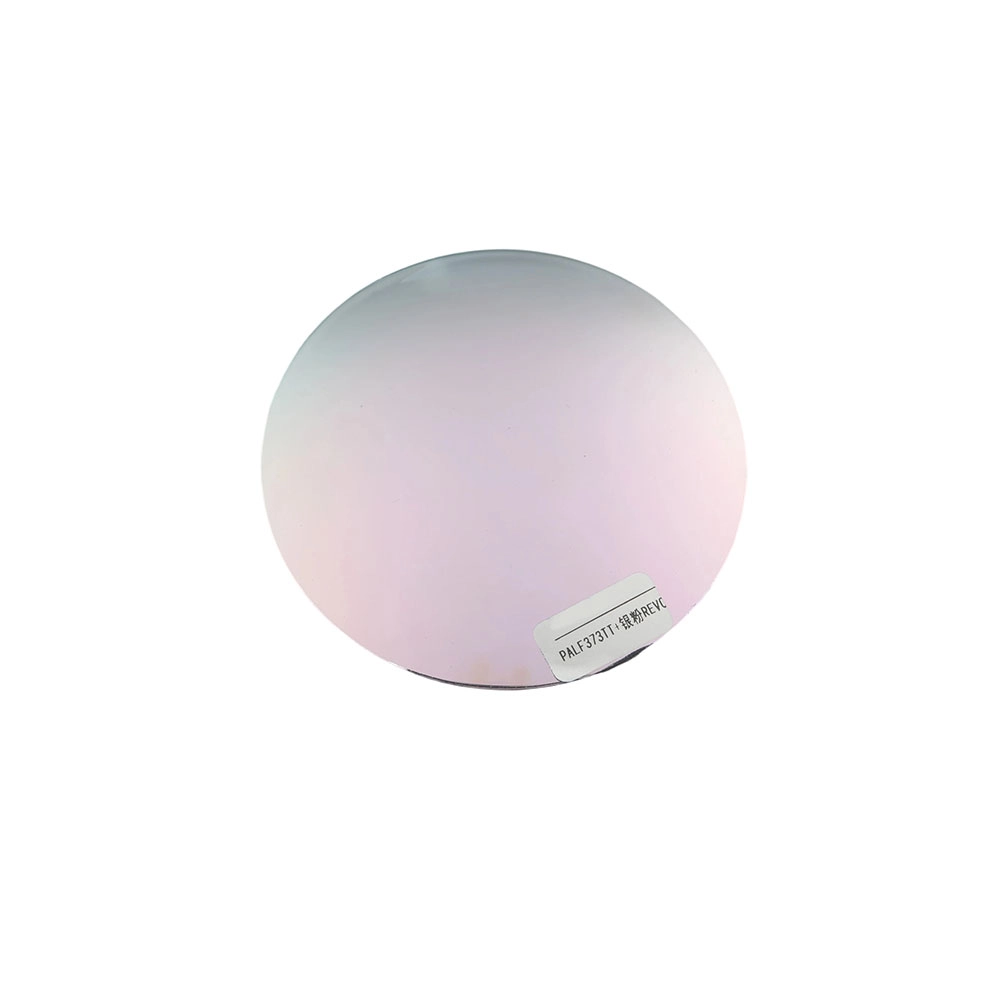
Dynamic Adaptation: Next-Gen Photochromic Lenses for Indoor & Outdoor Use
As premier eyeglass lenses manufacturers, Karuson crafts high-performance PC polarized coated lenses that seamlessly integrate lightweight, impact-resistant polycarbonate with advanced optical film technology. These lenses are engineered to achieve superior glare reduction and enhanced visual definition while offering a spectrum of stylish, customizable tints. Optimized for professional driving, outdoor sports, and urban lifestyles, our manufacturing process ensures that harmful reflections from water, roads, and snow are effectively filtered out. The result is a durable, fashion-forward visual solution that perfectly balances essential eye protection with high-end aesthetic appeal—making them the ideal choice for brands seeking to merge practicality with a modern fashion statement.
Get in touch with us
If you have any comments or good suggestions, please leave us a message; later our professional staff will contact you as soon as possible.
NEW DIMENSIONS IN EYEWEAR
Contact KARUSON
Email:
WhatsApp/Phone:
Address:
331 Section B, WanJia Creative Park , No. 1 BUXIA Road ,Tianhe District, Guangzhou City, Guangdong Province, China.

© 2026 KARUSON. All Rights Reserved.
Facebook
Instagram
YouTube
TikTok
Linkedin