


What lens materials are available for OEM sunglasses?
- 1. How do different lens materials (CR-39, polycarbonate, Trivex, high‑index, glass) change minimum frame thickness and mold/tooling requirements for OEM sunglasses?
- 2. What are the real optical and safety trade-offs (Abbe value, refractive index, impact resistance) when specifying lens material for polarized OEM sunglasses used in sports?
- 3. How does lens material affect post-production coating adhesion (hard coat, AR, hydrophobic) and what surface prep steps should an eyewear factory require?
- 4. For low-volume OEM orders (1k–5k), what are realistic cost-per-unit ranges and tooling considerations when choosing glass vs polycarbonate sunglass lenses?
- 5. Which lens materials reliably meet international safety standards (ANSI Z87.1, ISO 12312-1) for protective sunglasses, and how should an OEM factory certify production batches?
- 6. What are common yield defects specific to injection-molded high‑index or polycarbonate sunglass lenses in OEM supply chains, and how can an eyewear factory reduce them?
- Conclusion: Advantages of partnering with an experienced eyewear factory
Eyewear Factory Guide: What Lens Materials Are Available for OEM Sunglasses?
As an experienced eyewear factory partner, KarusonCo explains the real-world, decision-driving differences between lens materials for OEM sunglasses and how they affect tooling, coatings, certifications and production yield. This article addresses six specific buyer pain points that are often poorly answered online.
1. How do different lens materials (CR-39, polycarbonate, Trivex, high‑index, glass) change minimum frame thickness and mold/tooling requirements for OEM sunglasses?
Key points for production planning:
- CR-39 (index ~1.50): soft thermoformed or cast blanks; moderate thickness and edge bulk. Usually supplied as pre-cut blanks, so most eyewear factories don’t need lens tooling. Frame channels should allow ~2.5–3.0 mm edge thickness for robust mounting in rimless or semi-rim designs.
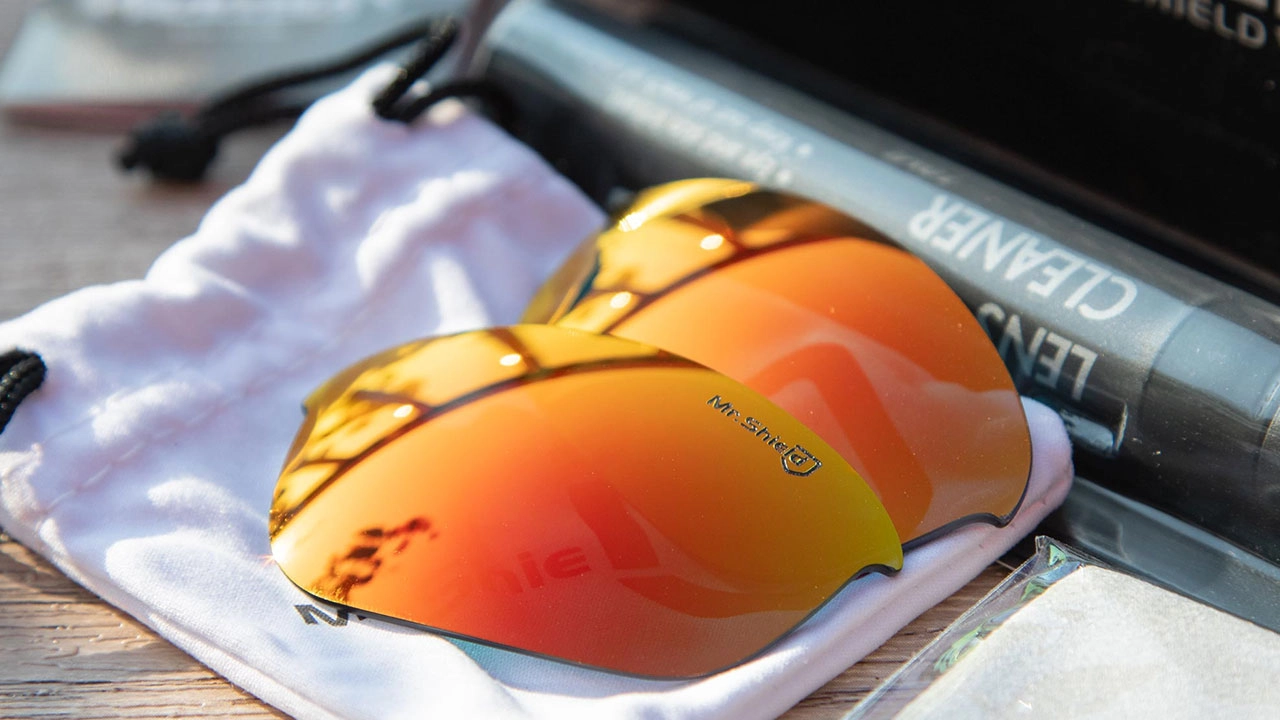
- Polycarbonate (index ~1.58): thinner than CR-39 for the same power, excellent impact resistance, commonly used in sports sunglasses. Polycarbonate lenses are normally manufactured via injection molding; if the OEM wants custom molded lens geometries, expect steel injection molds (single cavity) costing several thousand dollars up to $10k–$20k for complex geometries. For typical OEM runs it’s more cost-effective to source polarized or tinted polycarbonate blanks from lens suppliers.
- Trivex (index ~1.53): similar thickness to CR-39 but lighter and with better impact resistance. Trivex is typically produced as blanks; tooling needs are minimal if you buy blanks, but injection-molded Trivex is rare and tooling costs are high.
- High‑index plastics (1.6–1.74): reduce edge thickness for high prescriptions, but can introduce mold complexity if injection molded. These materials often come as blanks from specialized lens manufacturers. Frames with thin rims require high‑index blanks to avoid excessive edge bulk.
- Glass (various indices): provides excellent optical clarity and scratch resistance but is heavy and brittle. Glass lens molds and grinding are different processes — glass is not injection molded but ground and polished; tooling cost for custom glass curves is significant and breakage rates are higher in transit.
Recommendation: For low-volume OEM runs (1k–5k), buy lens blanks (polarized or tinted as needed) rather than investing in custom lens molds. Only consider lens tooling when annualized volumes justify mold amortization and when you require proprietary geometries or integrated functionality.
2. What are the real optical and safety trade-offs (Abbe value, refractive index, impact resistance) when specifying lens material for polarized OEM sunglasses used in sports?
Decision factors for sports sunglasses:
- Optical clarity (chromatic dispersion): Abbe value is the practical metric. CR-39 and glass have higher Abbe (~55–60), yielding less chromatic aberration and better visual comfort. Polycarbonate has a lower Abbe (~30–32), which may show slight color fringing in high-power prescriptions; Trivex sits in-between (~40–45).
- Refractive index and thickness: Higher index materials (1.6–1.74) allow thinner lenses for powered sunglasses but often have reduced Abbe values. For non-prescription sport sunglasses, polycarbonate or Trivex are preferred for thin, lightweight designs.
- Impact resistance and safety standards: Polycarbonate and Trivex are highly impact-resistant and commonly used where ANSI Z87.1 (U.S.) or equivalent PPE is required. Glass generally fails high-impact tests and is unsuitable for protective sports eyewear.
- Polarization methods: Polarized sunglasses are typically made by laminating a polyvinyl alcohol (PVA) polarized film between substrates (common for glass or plastic laminated lenses) or by using polarized polycarbonate blanks. Laminated polarized constructions add thickness and require precise lamination to avoid delamination under temperature cycling.
For sports usage prioritize impact resistance (polycarbonate or Trivex), UV400 protection, and polarization for glare control. If optical precision (minimal color fringing) is paramount, consider Trivex or High Quality high-index materials and accept higher cost.
3. How does lens material affect post-production coating adhesion (hard coat, AR, hydrophobic) and what surface prep steps should an eyewear factory require?
Coating adhesion depends on substrate chemistry and surface energy. Practical guidance:
- Polycarbonate: softer surface; requires a robust hard coat (silica-based or UV-curable) before multi-layer AR deposition. Hard coat application quality determines scratch resistance and subsequent AR adhesion. Improper curing leads to orange peel, peeling, or micro-bubbles.
- CR-39: inherently accepts coatings well after standard cleaning; multi-layer AR (sputtered) performs reliably on properly primed CR-39 blanks.
- Trivex: chemistry is compatible with standard hard coats, but vendors should validate adhesion and abrasion resistance with cross-hatch and Taber abrasion tests.
- High‑index plastics: surface energy varies—ensure suppliers provide data sheets and run adhesion tests especially for high-index 1.67–1.74 where coating delamination risk is higher without primer layers.
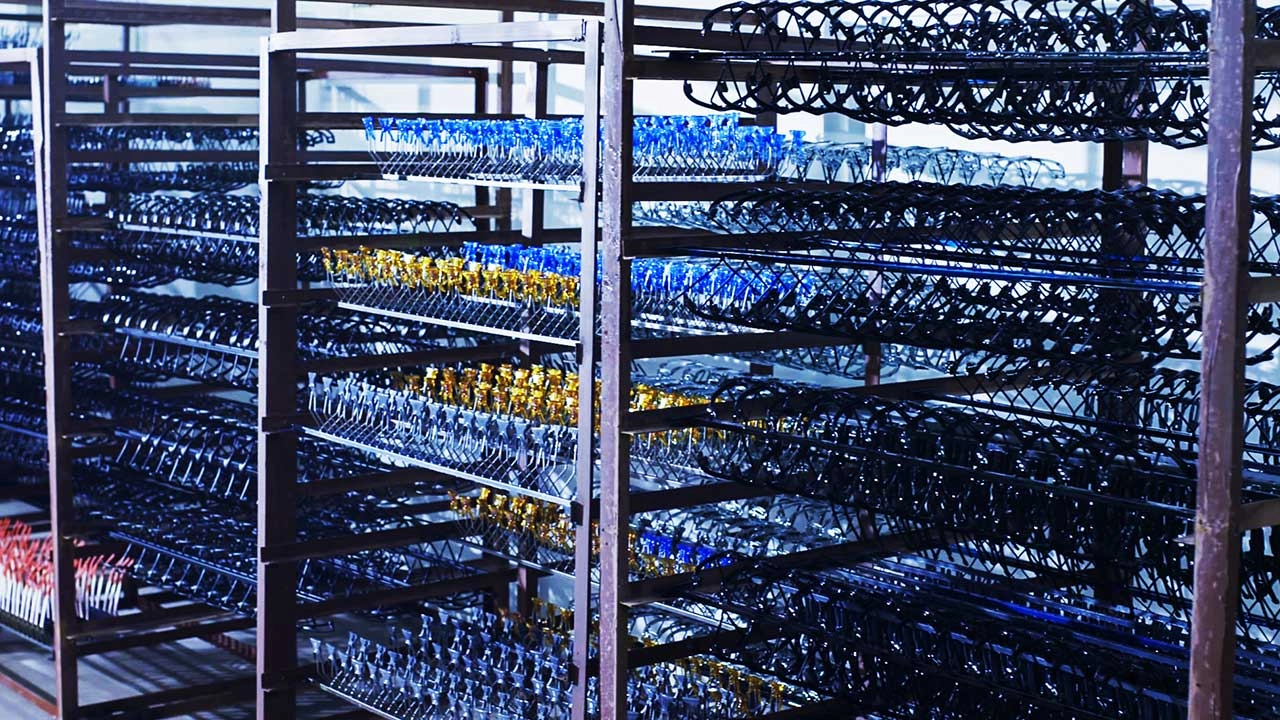
- Surface prep best practices: ultrasonic cleaning, plasma or corona treatment to raise surface energy, controlled drying/oven bake, application of primer if recommended by coating vendor, then vacuum sputter or vapor deposition for AR stacks. Maintain cleanroom-level environmental controls for AR deposition to avoid defects.
QC tests the factory should require: adhesion (cross-hatch), abrasion (Taber), environmental cycling (humidity/temperature), spectral transmittance, and visual inspection for pinholes or orange peel. Include these requirements in the OEM contract and request coating process logs from the supplier.
4. For low-volume OEM orders (1k–5k), what are realistic cost-per-unit ranges and tooling considerations when choosing glass vs polycarbonate sunglass lenses?
Approximate per-lens cost ranges (USD), ballpark and dependent on specs and coatings:
- Polycarbonate blank (tinted, non-polarized): $0.80–$3.00 per lens at small volumes. Add $1.00–$3.00 for multi-layer AR, hard coat, or polarizing lamination.
- CR-39 blank: $1.00–$4.00 per lens depending on tint and coating package.
- Trivex blank: $2.00–$5.00 per lens.
- High-index blanks (1.6–1.74): $2.50–$6.00+ per lens depending on index and coatings.
- Glass lens (tinted, anti-scratch): $3.00–$8.00 per lens; tempered or laminated polarized glass will be higher and fragile handling increases logistics costs.
Tooling costs and when they matter:
- Lens injection molds (for custom shapes) can range from a few thousand dollars to $20k+ per cavity depending on complexity and steel grade. For 1k–5k volumes this is usually not cost-effective.
- Frame tooling is typically the larger upfront investment for an eyewear factory; expect $3k–$50k depending on complexity and materials.
- Recommendation: use off-the-shelf blanks and supplier tinting/lamination services for low-volume OEM runs to keep capex low and shorten lead times. Move to custom lens molds only when committed annual volumes exceed the break-even point (calculate mold cost divided by per-unit savings).
5. Which lens materials reliably meet international safety standards (ANSI Z87.1, ISO 12312-1) for protective sunglasses, and how should an OEM factory certify production batches?
Standards and practical compliance steps:
- Standards: ISO 12312-1 defines requirements for sunglasses and their UV transmittance categories (including UV400). ANSI Z87.1 covers occupational eye protection (impact tests) and is commonly used in North America for protective eyewear. For optical quality, reference the ISO 8980 series (spectral transmittance and optical power tolerances).
- Material suitability: Polycarbonate and Trivex most commonly pass ANSI Z87.1 impact testing due to superior energy absorption. Certain high-index plastics can be formulated for impact resistance but must be tested. Glass typically does not meet high-impact occupational requirements.
- Certification process for OEM batches: require documented test reports from accredited labs (third-party testing) for impact (drop ball or projectile), UV transmittance (spectrophotometer showing UV400), polarization efficiency (polarimeter), and lens power tolerance. Maintain a batch-level Certificate of Compliance (CoC) tied to supplier lot numbers and include test sample photos, test lab accreditation, date, and pass/fail metrics.
- Factory QA sampling plan: 100% visual/centering checks, 5–10% spectral and coating adhesion testing, 1% destructive impact tests. For safety-critical applications, increase destructive testing frequency.
6. What are common yield defects specific to injection-molded high‑index or polycarbonate sunglass lenses in OEM supply chains, and how can an eyewear factory reduce them?
Typical defects and mitigation strategies:
- Stress birefringence: causes visible strain patterns and is particularly noticeable in polarized lenses. Reduce by optimizing mold temperature, gate design, cooling rates and adding an annealing step post-molding.
- Warpage and dimensional instability: frequently due to uneven cooling or polymer shrinkage. Use precision mold temperature control, balanced cooling circuits and allow adequate post-mold conditioning.
- Surface cosmetic issues (orange peel, flow lines): improve mold polish, reduce injection speed spikes, and optimize melt temperature and pressure profiles.
- Coating defects (peeling, pinholes, poor adhesion): ensure surface cleaning (ultrasonic/plasma), use primers where recommended, and control cleanroom contamination during AR deposition.
- Delamination in polarized laminates: proper lamination pressure, temperature profile and adhesive selection are essential. Conduct thermal cycling tests to validate lamination integrity.
- Centering/edging tolerance failures: invest in high-precision CNC surfacing and automated edge‑polishing. Implement fixture verification and coordinate-measuring checks for frame-to-lens fits.
Operational recommendations: insist on supplier process capability data (Cp/Cpk) for critical dimensions, implement SPC (statistical process control) on key parameters, and run initial sample inspection reports (ISIR) before full production release. These process controls reduce rework and improve yield for OEM eyewear supply chains.
Conclusion: Advantages of partnering with an experienced eyewear factory
Working with an experienced eyewear factory gives OEMs access to tested supply chains for lens blanks, reliable coating partners, and structured QA processes that ensure compliance with UV400, ISO and ANSI requirements. A seasoned partner optimizes material selection (polycarbonate/Trivex for impact, CR-39/high-index for optics), reduces tooling risk for low-volume projects by recommending blanks vs. molds, enforces coating and lamination best practices, and implements batch certification and sampling plans that mitigate recalls and market risk. That combination lowers total cost of ownership, shortens time-to-market, and improves final product reliability.
For a customized quote on OEM sunglasses production and lens sourcing, contact us at www.karusonco.com or email nicole@karusonco.com.
How to Choose the Best Material for Sports Sunglasses: TR90 vs. Carbon Fiber vs. Titanium
Why Sourcing from a China Eyewear Factory is the Strategic Choice for Global Brands
OEM vs. ODM: Which Partnership Model is Best for Your Eyewear Business?
2026 Eyewear Trend Forecast: Colors, Shapes, and Textures to Watch
About Products
What is the MOQ?
Usually ≥100, depending on the model.
Do you support OEM/ODM?
Yes, our R&D and design teams support full customization.
About OEM&ODM
What is your production lead time?
Mass production generally takes 30–45 days after sample approval.
Do you support OEM and ODM?
Yes—we offer both contract manufacturing (OEM) and full product development services (ODM).
How long does it take to make samples?
Samples are typically completed within 7–15 working days if available molds are present.
You May Also Like
Why Quality Lenses are the Core of Your Eyewear Brand’s Reputation
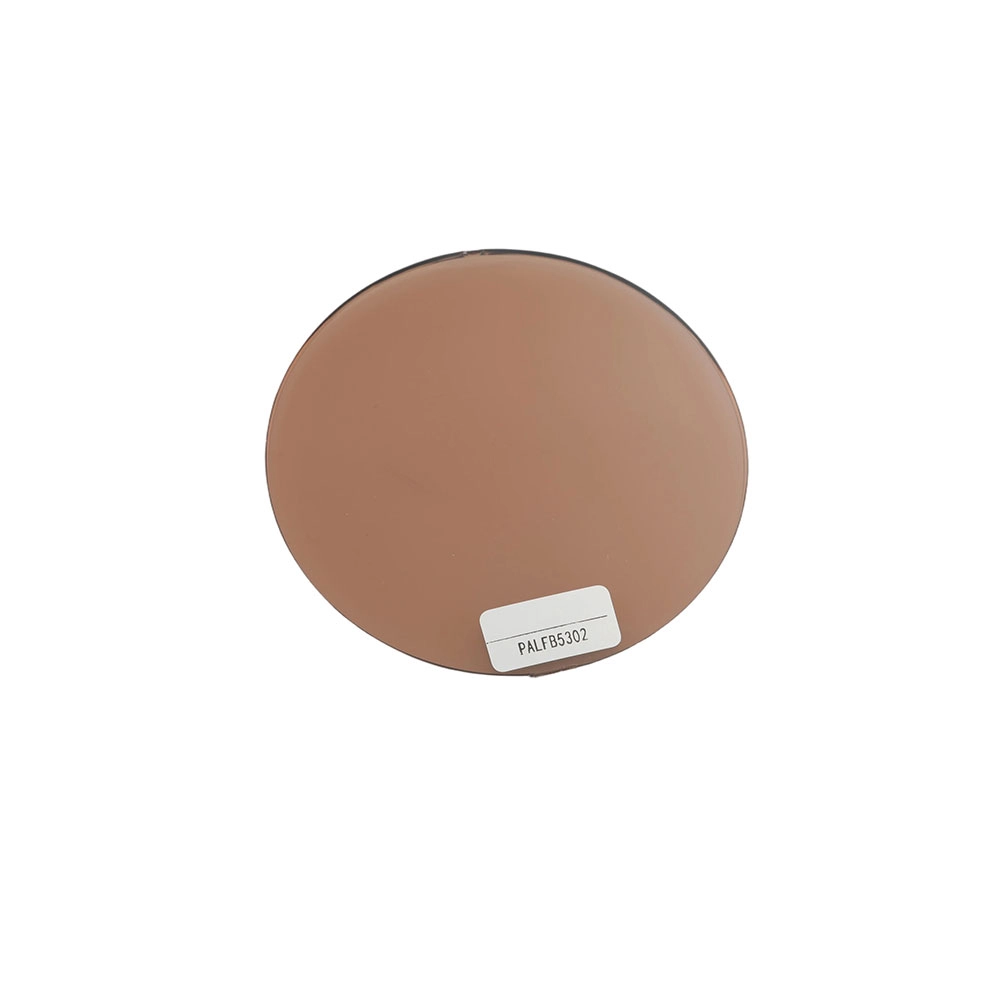
As a premier high-definition glasses lenses manufacturer, Karuson crafts high-quality Polyamide (PA) Nylon Tinted Lenses that represent the perfect synergy of ultra-lightweight performance and high-toughness durability. By integrating professional-grade tinting technology with advanced material science, we offer a lens solution that delivers exceptional optical clarity alongside vibrant, fashionable color expression. Designed for both daily commutes and trendy lifestyle matching, these lenses provide a comfortable and aesthetic visual experience, serving as a high-performance fashion accessory for the modern, style-conscious consumer.
Advanced Sunglasses Solutions: Polarized Lenses with Anti-Seawater Coating
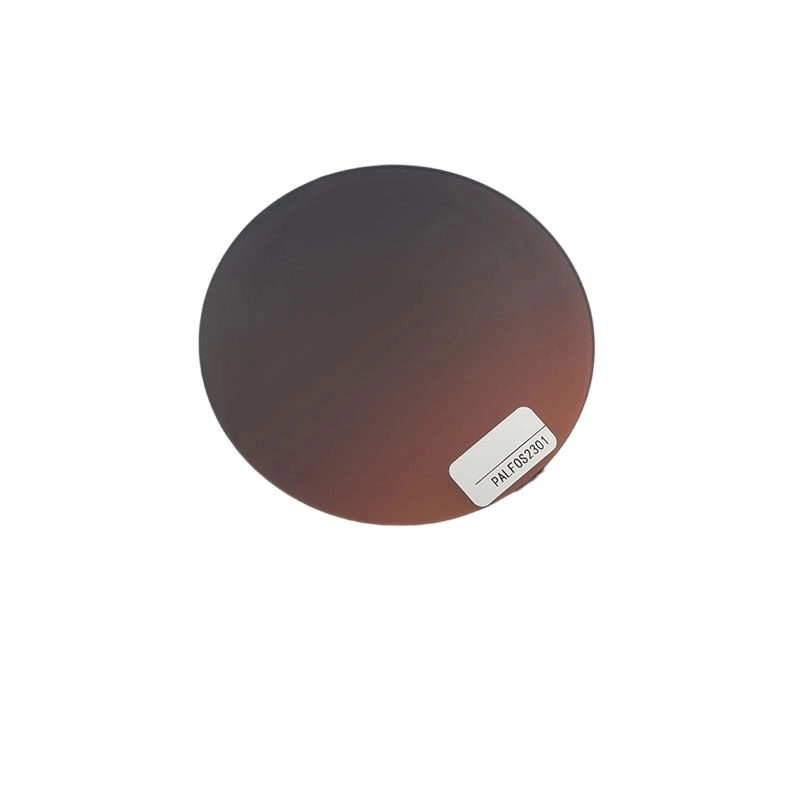
As a versatile photochromic lenses manufacturer and high-performance optics expert, Karuson crafts high-quality Polycarbonate (PC) Gradient Tinted Lenses that perfectly balance aesthetics with advanced protection. By fusing the ultra-lightweight and impact-resistant properties of PC material with precision gradient tinting technology, we deliver a durable visual solution that enhances clarity and comfort for urban lifestyles and outdoor sports. These lenses not only optimize visibility across varying light conditions by reducing glare but also offer a sleek, customizable design—allowing global brands to blend practical eye protection with a modern, fashion-forward accessory.
Upgrade Your Collection with Premium Lens Coatings & Finishes
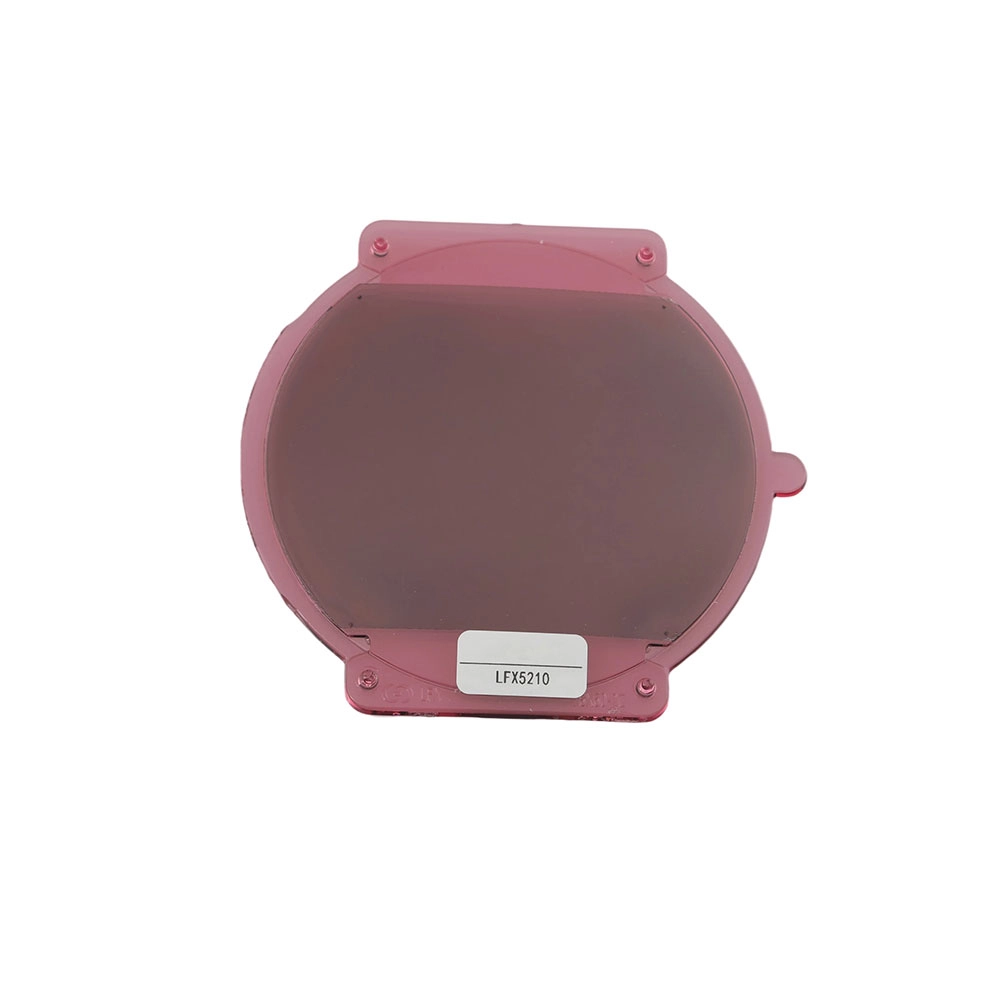
As a leading lenses manufacturer, Karuson sets a new industry standard with our flagship-grade Polyamide (PA) Nylon polarized lenses. By seamlessly merging ultra-lightweight, high-toughness materials with precision polarizing technology, we deliver a high-definition visual solution that excels in durability and comfort. Optimized for high-intensity outdoor activities, professional driving, and competitive sports scenarios, these lenses redefine the performance benchmark for polarized optics, providing global brands with a truly elite-level product.
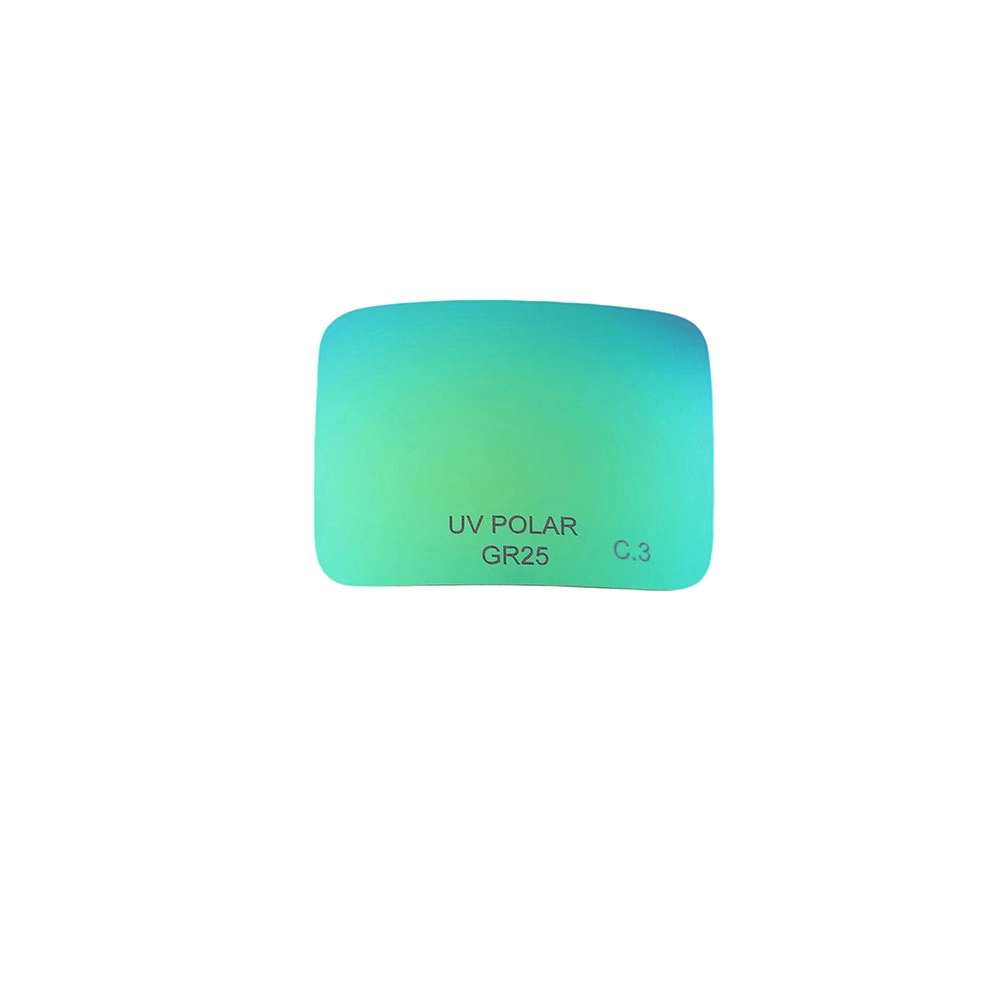
High-Definition Visual Clarity: Premium CR-39 & Polycarbonate Lenses
Experience the precision of a professional custom glasses lenses manufacturer. Karuson polarized lenses are engineered with a 99.9% high-polarization effect to provide unparalleled visual definition and glare reduction. By strategically absorbing reflected light through a high-stability PVA layer, our lenses are optimized for high-intensity outdoor environments, including maritime sailing, hunting, and alpine skiing. Furthermore, our specialized treatment ensures the lenses remain durable and distortion-free even in environments with high heat and humidity.
Get in touch with us
If you have any comments or good suggestions, please leave us a message; later our professional staff will contact you as soon as possible.
NEW DIMENSIONS IN EYEWEAR
Contact KARUSON
Email:
WhatsApp/Phone:
Address:
331 Section B, WanJia Creative Park , No. 1 BUXIA Road ,Tianhe District, Guangzhou City, Guangdong Province, China.

© 2026 KARUSON. All Rights Reserved.
Facebook
Instagram
YouTube
TikTok
Linkedin