


What quality control standards apply to lenses manufacturing?
- 1. What lens measurement and power-tolerance protocols should I require for single-vision, high-index and progressive lenses?
- 2. How can I verify anti-reflective (AR) coating adhesion and abrasion resistance on finished lenses before mass production?
- 3. Which impact-resistance and mechanical safety tests should I demand for sunglass and prescription lenses to meet international markets?
- 4. What raw material traceability and supplier documentation must a factory provide for lens blanks, resins and coating materials?
- 5. How should I set an AQL inspection and sampling plan for lens deliveries to balance cost and risk?
- 6. What shipment documentation and certificates should accompany lens shipments for international buyers (COA, test reports, RoHS/REACH, calibration records)?
- Buyer checklist to include in POs and supplier agreements
Eyewear Factory: What Quality Control Standards Apply to Lenses Manufacturing?
When sourcing prescription, sunglass, or safety lenses from an eyewear factory, understanding the applicable quality control standards, the measurable tests, and the documentation you should demand is critical. Below are six specific, pain-point-oriented questions beginners ask but rarely find current, actionable answers to. Each question is followed by step-by-step guidance you can use during audits, sample approvals and RFPs with factories.
1. What lens measurement and power-tolerance protocols should I require for single-vision, high-index and progressive lenses?
Why this matters: Incorrect sphere, cylinder, axis and add-power cause fit failures, customer returns and liability. Many factories still quote vague tolerances—buyers need concrete test methods and acceptance criteria tied to standards.
Actionable requirements to specify:
- Reference standards: require the factory to measure and certify lenses against relevant standards (for example, ANSI Z80.1 in the U.S. market and the ISO 8980 series / EN standards in Europe). Ask them to state which standard(s) they are using on the certificate.
- Measurement equipment and procedure: lenses must be measured on a calibrated lensometer (focimeter) or automated lens-measuring machine traceable to the factory calibration program. Progressive lenses should also be tested on an optical bench or automated MTF/PSF station to verify power maps.
- Typical tolerance bands to request in purchase specs: instead of vague “industry standard,” specify tolerances for the product family you buy. Common commercial practice (confirm with your market standard) is to require written acceptance limits and to treat any deviation as a major defect. Example guideline you can use in POs:
- Single-vision: sphere and cylinder measured at principal meridians — factory to provide measurement reports and declare conformity to the referenced standard.
- High-index lenses: require factory to include material refractive index and to confirm surfacing equipment compensation; ask for MTF or power-map data for high-power prescriptions.
- Progressives: require full-map verification (distance, intermediate, near zones) with add-power tolerance specified (e.g., factory to certify add-power within ±0.12 D of target—state your tolerance in the contract).
- What to request in the report: lens serial/batch number, measured sphere/cylinder/axis/add for a representative sample, measurement method, calibration certificate for the instrument (date and lab), and a pass/fail statement referencing the chosen standard.
Why this works: Requiring traceable measurement methods and clearly stated tolerances moves quality discussion from subjective (“looks fine”) to objective, auditable evidence.
2. How can I verify anti-reflective (AR) coating adhesion and abrasion resistance on finished lenses before mass production?
Why this matters: AR-coating failures (peeling, hazing, poor adhesion) are a leading cause of returns. Visual checks alone miss early adhesion defects that show up after wear or cleaning.
Tests and acceptance criteria to demand:
- Adhesion (coating adhesion test): request cross-cut or pull-off adhesion testing and ask for results reported per an accepted method (for example, ISO 2409 cross-cut classification or a manufacturer-accepted adhesion test). Specify minimum adhesion class or pass/fail criteria in the order (e.g., no coating removal visible beyond edge of cuts — factory to report test method and result).
- Abrasion resistance: require Taber or equivalent abrasion testing for coatings (for example, Taber abrader per ASTM D1044 or a factory’s equivalent abrasion cycle). Ask for NV (number of cycles) to failure or scratch index. State the minimum cycles or abrasion rating acceptable for your SKU.
- Cure and oven profile documentation: AR coatings are cured at specific temperature/time profiles. Request the cure profile logs for the production batch (time, temperature, conveyor speed) and coating lot number to validate process stability.
- Salt-spray and environmental stability: for lenses sold in humid or marine markets, require humidity or salt-spray exposure reports if applicable and define acceptance limits (no delamination, no visible hazing after specified exposure).
- Sample testing step: before approving a full run, get pilot samples and subject them to your own in-lab accelerated wear tests (1000–5000 Taber cycles, cross-cut adhesion, 48–96 hour humidity chamber) and require factory to implement corrective actions if samples fail.
What to ask the factory to provide with each shipment: coating lot number, adhesion and abrasion test reports, coating manufacturer COA, and post-coat visual inspection checklist with inspector signature.
3. Which impact-resistance and mechanical safety tests should I demand for sunglass and prescription lenses to meet international markets?
Why this matters: Different markets (consumer sunglasses, children’s eyewear, safety glasses) have different mechanical requirements. Buying lenses without specifying required impact testing risks noncompliance and recalls.
How to specify tests by application:
- General sunglasses and fashion eyewear: require transmittance and UV protection testing per EN ISO 12312-1 (or equivalent national standard) and ask for a mechanical strength statement. For markets that require an optical class, the factory should indicate optical class and whether lenses meet the mechanical tests in the standard.
- Safety and sports eyewear: require specific impact tests and documentation (for example, EN 166 for personal eye protection in Europe or ANSI Z87.1 for occupational eye protection in the U.S.). Request the factory’s test lab reports (third-party preferred) showing the lens passed the specified impact tests.
- Children’s eyewear: specify the strictest applicable standard for small parts and mechanical strength and require third-party test reports.
- What to request in the test report: exact test method name and clause, date, lab accreditation (e.g., CNAS, ILAC, UKAS), sample identification, and pass/fail. If the factory uses an in-house lab, insist on an independent lab certificate for regulatory compliance.
Key procurement clause: No shipment for safety-graded lenses will be accepted without a third-party impact test certificate referencing the market-specific standard and the lot numbers shipped. This protects you legally and commercially.
4. What raw material traceability and supplier documentation must a factory provide for lens blanks, resins and coating materials?
Why this matters: Traceability prevents recalls and lets you isolate root causes if a batch fails. Many factories have incomplete supplier records; insist on material traceability up-front.
Minimum documentation to demand:
- Lens blank COA: manufacturer name, blank model, lot/batch number, material type (CR-39, polycarbonate, Trivex, high-index resin with stated refractive index), and acceptance tests performed at blank supplier (e.g., internal stress check, refractive index).
- Coating and chemical MTR/COA: for AR, hardcoat, hydrophobic and oleophobic coatings — request the coating manufacturer's COA/MTR with lot number, storage instructions, and recommended cure profile.
- Material Safety Data Sheets (MSDS/SDS): for all chemical inputs used in coating/cleaning lines — important for compliance with transport and workplace safety regulations.
- Regulatory compliance: request ROHS and REACH declarations where applicable and any FDA or local registration if lenses or coatings are marketed as medical devices or have direct skin contact concerns.
- Batch traceability system: factory should provide a record linking finished-lens serial numbers to the blank lot, coating lot, and operator/line records (operator initials, machine ID, date/time). If the factory cannot provide batch linkage, treat this as a high-risk item.
Procurement tip: include a clause in the purchase agreement requiring the factory to retain and provide traceability records for a defined retention period (commonly 3–5 years or per local regulatory requirements).
5. How should I set an AQL inspection and sampling plan for lens deliveries to balance cost and risk?
Why this matters: Too small a sample size risks shipping bad batches; too large raises inspection costs and delivery delays. Lenses include safety and functional attributes—tailor AQL to defect severity.
How to design a practical sampling plan:
- Reference a standard sampling standard: require the factory to follow ISO 2859-1 (or ANSI/ASQ Z1.4) for lot-by-lot sampling and include it in the contract.
- Set AQL by defect class:
- Critical defects (safety, wrong prescription, lens cracking, coating delamination): AQL = 0 (zero tolerance) — any critical defect triggers lot rejection and 100% inspection or rework.
- Major defects (visibility-affecting scratches, incorrect marking, significant power deviation): common practice is AQL 0.65–1.5 depending on product High Quality and market risk tolerance. For prescription optics, err on the side of stricter AQL.
- Minor defects (cosmetic blemishes that do not affect function): AQL 2.5–4.0 is used by many brands for low-risk SKUs.
- Sample size and inspection levels: use general inspection level II for routine shipments; use tightened inspection after failures or for first 3 shipments. Specify actions on rejection (100% rework, third-party sorting, or replacement timeline).
- Include measurement checks in the inspection scope: not just visual—power checks (lensometer), centration/PD, coating adhesion spot-checks. Add specific percent checks (for example, 10% of lenses in the sample for power verification, 100% visual for obvious defects).
Operational practice: require factories to share inspection plans (sample size letter), inspector name, date and photo evidence for failed items. This creates an auditable paper trail and reduces disputes at arrival.
6. What shipment documentation and certificates should accompany lens shipments for international buyers (COA, test reports, RoHS/REACH, calibration records)?
Why this matters: Missing or incomplete documentation creates customs delays, noncompliance risks and returned shipments. Many factories supply minimal packing lists but not the technical documentation buyers require.
Essential documents to require with each shipment:
- Certificate of Analysis (COA) or Certificate of Conformity referencing the standards used (ANSI, ISO, EN) and listing the lot numbers shipped.
- Third-party test reports for regulated products: e.g., impact tests, UV transmittance and optical class tests for sunglasses, and any EN/ANSI certificates required for safety eyewear. Include lab accreditation (CNAS, ILAC/UKAS) in the report.
- Material declarations: RoHS/REACH and SDS for coatings and any chemical agents used on the lenses/frames.
- Calibration and equipment maintenance records: calibrated instrument certificate for the lensometer/optical bench used for acceptance checks, including calibration date and next due date.
- Traceability manifest: mapping of finished-lens serial/box labels to blank and coating lot numbers and in-line process logs (blocking/surfacing/edging operator and machine ID).
- Packing list with SKU, quantity, batch ID and photograph of a sample labelled carton. For regulated markets, include statement of compliance where applicable (e.g., This shipment conforms to EN ISO 12312-1:2013+2015 for sunglasses).
On-boarding checklist: before awarding production, request a sample dossier containing typical COAs, a mock shipment packing list, calibration certificates and one full pilot batch tested and signed off by you or a third-party lab.
Buyer checklist to include in POs and supplier agreements
- Standards referenced (e.g., ANSI Z80.1, EN/ISO 12312-1, ISO 8980 series) for each SKU.
- Required tests (power maps, AR adhesion, Taber abrasion, impact) and acceptable limits or a statement that the factory will supply third-party certs.
- Traceability: blank lot, coating lot, process log linkage.
- AQL by defect class and inspection rules on rejection.
- Documentation required at shipment: COA, third-party test reports, SDS, calibration certs and photos.
Implementing these requirements converts ambiguous quality conversations into contract terms. It reduces returns, supports compliance across markets, and protects KARUSON reputation.
Advantages of choosing a compliant eyewear factory:
Working with a factory that enforces strict QC and documentation delivers measurable benefits: fewer customer returns, reduced regulatory risk, faster dispute resolution, and traceable root-cause analysis when issues arise. A well-documented supply chain enables better product development (material selection, coating optimization), predictable lead times and scalable quality that supports High Quality positioning in global markets.
For tailored quality checklists, factory audit support, or a quotation for prescription, sunglass or safety lenses from a trusted eyewear factory, contact us for a quote.
Website: www.karusonco.com
Email: nicole@karusonco.com
Why Sourcing from a China Eyewear Factory is the Strategic Choice for Global Brands
OEM vs. ODM: Which Partnership Model is Best for Your Eyewear Business?
2026 Eyewear Trend Forecast: Colors, Shapes, and Textures to Watch
About OEM&ODM
How do we start a project with Karuson?
Send us your product idea or requirements—our team will review, advise, and provide the best solution and quotation.
Can you help with packaging and logo branding?
Absolutely—we provide branded packaging bags, boxes, logo applications, and display solutions.
How long does it take to make samples?
Samples are typically completed within 7–15 working days if available molds are present.
About Products
What is the MOQ?
Usually ≥100, depending on the model.
Do you offer samples?
Yes, paid samples or refundable samples are available.
You May Also Like
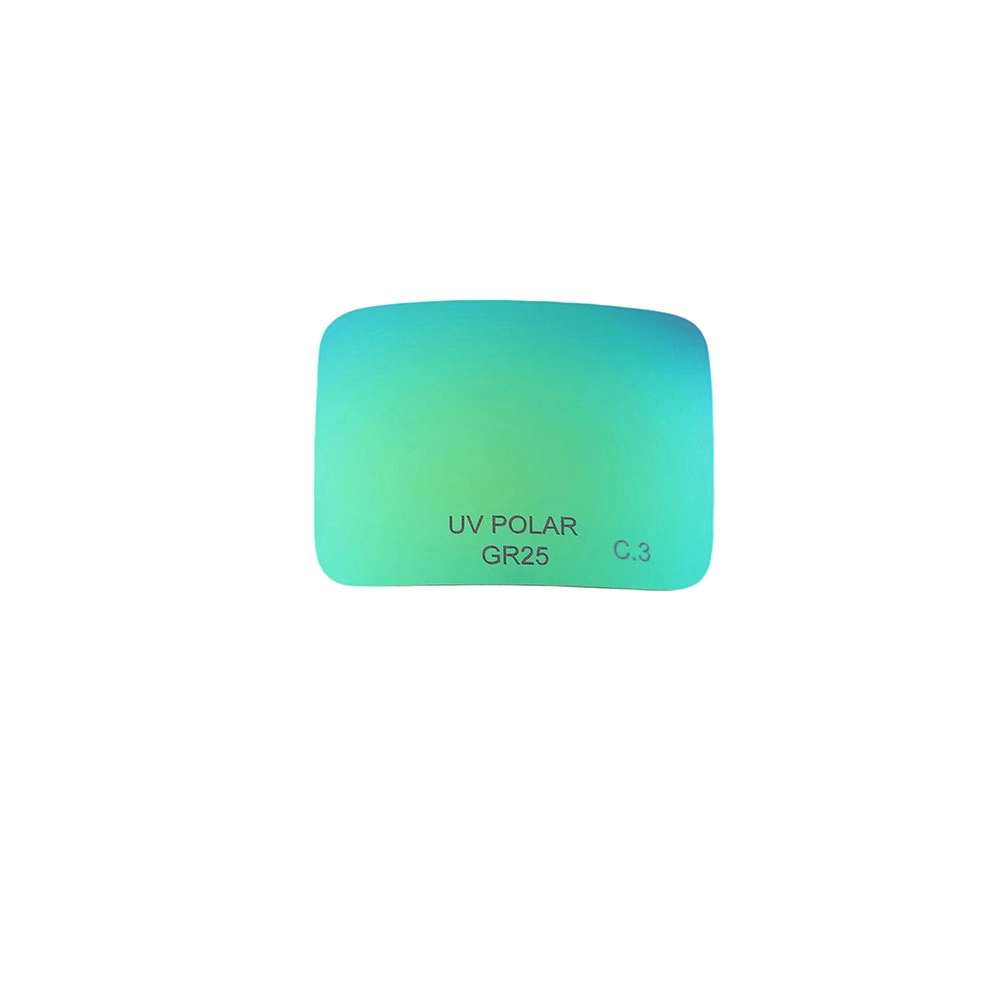
High-Definition Visual Clarity: Premium CR-39 & Polycarbonate Lenses
Experience the precision of a professional custom glasses lenses manufacturer. Karuson polarized lenses are engineered with a 99.9% high-polarization effect to provide unparalleled visual definition and glare reduction. By strategically absorbing reflected light through a high-stability PVA layer, our lenses are optimized for high-intensity outdoor environments, including maritime sailing, hunting, and alpine skiing. Furthermore, our specialized treatment ensures the lenses remain durable and distortion-free even in environments with high heat and humidity.
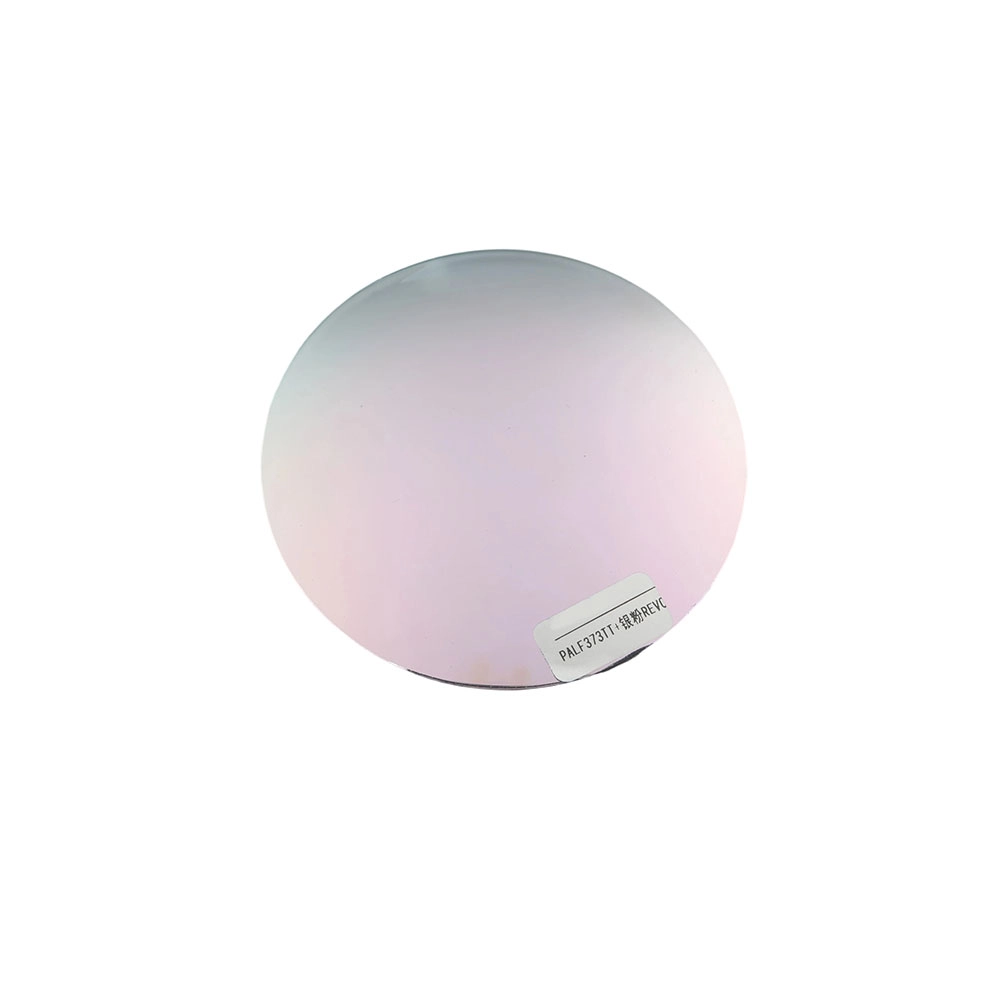
Dynamic Adaptation: Next-Gen Photochromic Lenses for Indoor & Outdoor Use
As premier eyeglass lenses manufacturers, Karuson crafts high-performance PC polarized coated lenses that seamlessly integrate lightweight, impact-resistant polycarbonate with advanced optical film technology. These lenses are engineered to achieve superior glare reduction and enhanced visual definition while offering a spectrum of stylish, customizable tints. Optimized for professional driving, outdoor sports, and urban lifestyles, our manufacturing process ensures that harmful reflections from water, roads, and snow are effectively filtered out. The result is a durable, fashion-forward visual solution that perfectly balances essential eye protection with high-end aesthetic appeal—making them the ideal choice for brands seeking to merge practicality with a modern fashion statement.
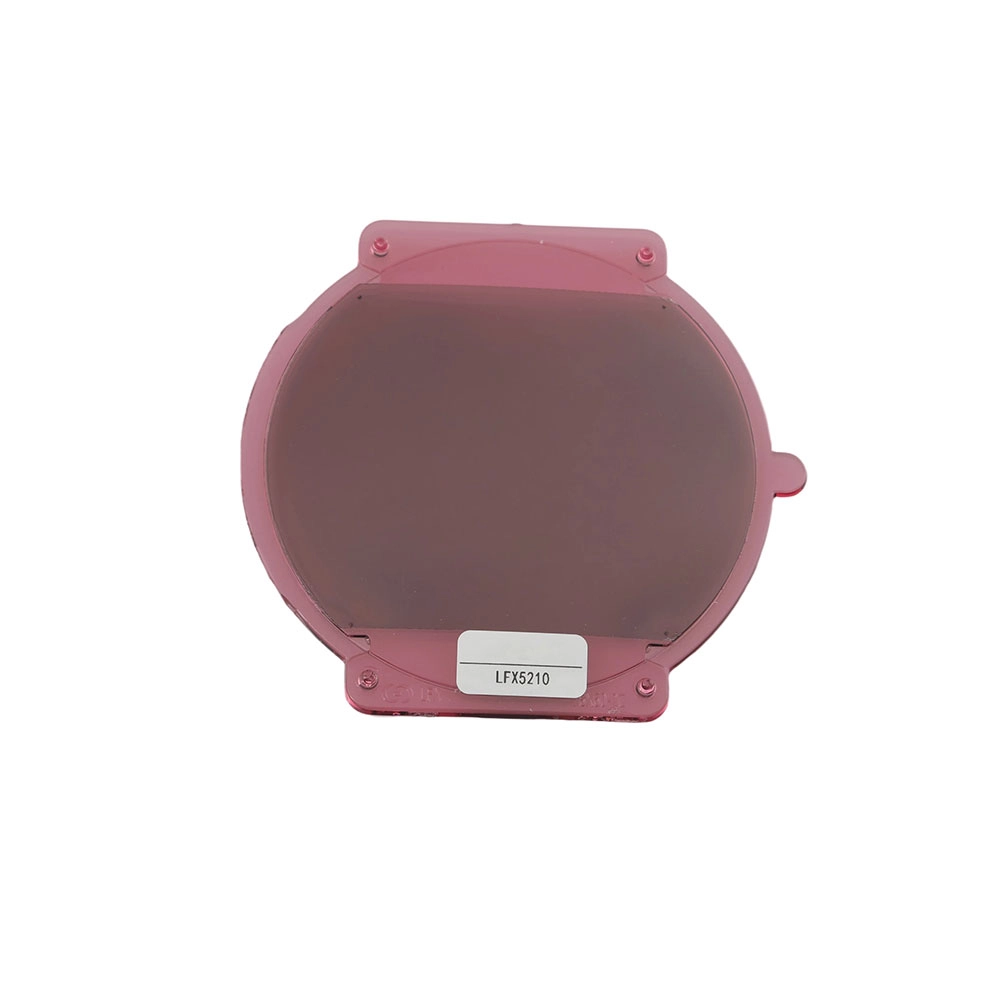
Upgrade Your Collection with Premium Lens Coatings & Finishes
As a leading lenses manufacturer, Karuson sets a new industry standard with our flagship-grade Polyamide (PA) Nylon polarized lenses. By seamlessly merging ultra-lightweight, high-toughness materials with precision polarizing technology, we deliver a high-definition visual solution that excels in durability and comfort. Optimized for high-intensity outdoor activities, professional driving, and competitive sports scenarios, these lenses redefine the performance benchmark for polarized optics, providing global brands with a truly elite-level product.
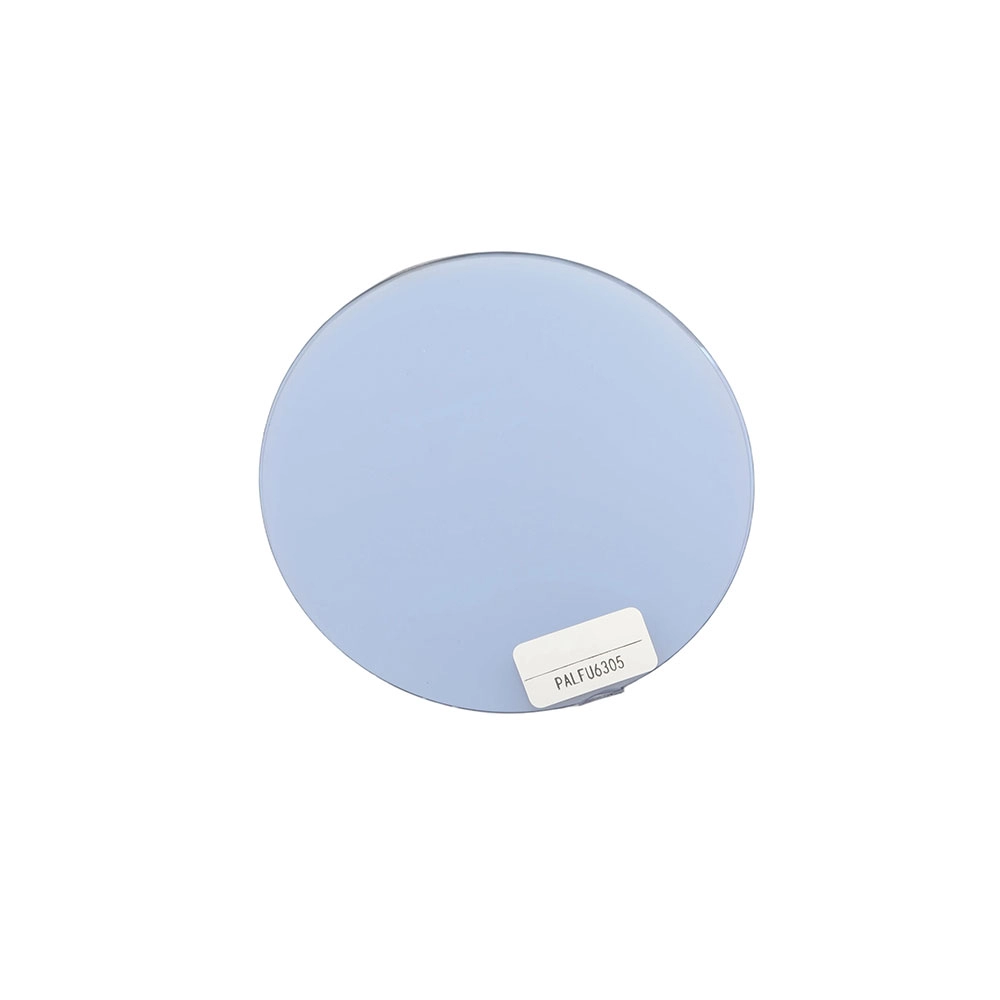
The Digital Shield: Blue Light Blocking Lenses for the Modern Professional
As leading eyeglass lens manufacturers, Karuson leverages advanced material science to produce PC lenses that are 37% lighter than conventional resin, providing a significant reduction in nasal bridge pressure for prolonged, comfortable wear. These high-performance lenses offer 100% UV protection and superior impact resistance, ensuring maximum ocular safety. By utilizing specialized dyeing techniques that infuse pigments directly into the material, we offer a versatile spectrum of vibrant color options—effectively minimizing glare while maintaining exceptional visual clarity for any environment.
Get in touch with us
If you have any comments or good suggestions, please leave us a message; later our professional staff will contact you as soon as possible.
NEW DIMENSIONS IN EYEWEAR
Contact KARUSON
Email:
WhatsApp/Phone:
Address:
331 Section B, WanJia Creative Park , No. 1 BUXIA Road ,Tianhe District, Guangzhou City, Guangdong Province, China.

© 2026 KARUSON. All Rights Reserved.
Facebook
Instagram
YouTube
TikTok
Linkedin