

What are minimum order quantities for lenses manufacturing?
- 1. What are realistic MOQs for different lens types (single-vision, progressive, high-index, polarized) when sourcing from an eyewear factory?
- 2. How do anti‑reflective (AR) and hard‑coat vacuum coating lines determine MOQs, and how can buyers lower coating‑related MOQs?
- 3. For custom prescription and digital freeform progressive lenses, what sample policies and lead times should I expect, and how do I validate optical performance before committing?
- 4. How does tooling and mold creation for rimless or integrated‑frame prescription lenses change MOQ and unit pricing?
- 5. What are realistic strategies to negotiate lower MOQs with OEM eyewear manufacturers while keeping quality assurance and certifications intact?
- 6. How do I calculate landed cost‑per‑lens at different MOQs (including coatings, inspection, duties, and shipping) to determine break‑even volumes?
When sourcing prescription or sunglass lenses from an eyewear factory (OEM/ODM optical lens manufacturer), beginners often encounter unclear or outdated guidance about minimum order quantities (MOQs), coating batch sizes, sample policies, and landed costs. The six long-tail questions below address focused pain points and provide actionable, standards-based answers (references include ISO 8980 series and ANSI Z80.1 where applicable).
1. What are realistic MOQs for different lens types (single-vision, progressive, high-index, polarized) when sourcing from an eyewear factory?
Answer: There is no single universal MOQ — it depends on whether you’re buying stock blanks, digitally surfaced prescription lenses, or fully finished coated lenses. Typical factory practice (especially in China and Asia OEM facilities) observes these ranges as practical benchmarks:
- Stock single‑vision (standard index, uncoated) — MOQ: 50–200 pieces per SKU (prescription or base curve). Many factories can fill small batches if using stock blanks and minimal finishing.
- Digitally surfaced single‑vision or custom prescriptions — MOQ: 100–300 per prescription profile if batching for CNC surfacing is required; some modern digital surfacing lines accept smaller runs (20–50) but at higher per‑unit cost.
- Progressive/Freeform lenses — MOQ: 300–1,000 per design/optical corridor unless factory runs digital production for smaller runs; progressive lens designs have higher set-up and QC demands, causing higher MOQs.
- High‑index (>1.60) and specialty materials — MOQ: 200–500 per blank type due to fewer available blanks and specialized polishing/coating set‑ups.
- Polarized or sunglass finished lenses — MOQ: 200–500 per colorway; polarization film lamination and dyeing lines are batch-driven.
Why these ranges? MOQs reflect tooling, surfacing run cycles, and coating batch sizes. Also consider certification: lenses intended to meet ISO 8980 or ANSI Z80.1 may require additional testing and traceability, which increases administrative minimums.
2. How do anti‑reflective (AR) and hard‑coat vacuum coating lines determine MOQs, and how can buyers lower coating‑related MOQs?
Answer: Coating processes (sputtering, ion-assisted deposition, vacuum AR stacks) are batch-oriented. A sputtering chamber has a useful load: you can coat tens to thousands of lenses per cycle depending on chamber size and fixturing. Typical coating-line MOQs:
- Hard coat only (single layer) — MOQ: 100–300 pieces per batch due to fixture and curing logistics.
- Multilayer AR stacks — MOQ: 200–800 lenses per color/stack because line set‑up, process tuning and QA (adhesion, spectral transmittance) require stable runs.
- Hydrophobic/oleophobic top coats — often combined with AR; if applied separately, expect MOQ adders similar to hard coat lines.
Ways to reduce coating‑related MOQs:
- Use stock AR options the factory already runs (standard green or blue AR) rather than custom stacks or colors.
- Agree to longer lead times to allow the factory to combine your order with other buyers’ runs (co‑packing or mixed orders).
- Pay a setup/line‑change fee to justify a smaller dedicated run; negotiate partial refund if larger reorders happen.
- Choose digital surfacing with post‑process coatings done on smaller batches when the factory supports flexible cell fixtures.
3. For custom prescription and digital freeform progressive lenses, what sample policies and lead times should I expect, and how do I validate optical performance before committing?
Answer: Sample policy and lead time are critical pain points. Standard expectations:
- Prototype/sample lens lead time: 7–21 days for digital surfacing + coatings (faster if using stock blanks and no custom coatings).
- Sample charges: $50–$300 per lens depending on complexity (progressive/freeform and AR stacks cost more). Often refundable against a first bulk order above MOQ.
- Validation tests to require before bulk order: centration and vertex checks, optical power verification (sphere/cylinder), prismatic deviation, transmissometry (for AR coatings), base curve conformity, and freeform wavefront/point‑spread tests for High Quality designs.
- Documentation: request ISO 8980 series test reports and factory QC records; for U.S. market supply, confirm ANSI Z80.1 conformance where required.
Best practice: request at least 2–3 sample prescriptions and 1–2 progressive corridor heights, run lab tests (or request factory-provided lab certificates), and field‑test with end users for real‑world comfort. Use an independent lab for critical batches if optical performance is mission‑critical.
4. How does tooling and mold creation for rimless or integrated‑frame prescription lenses change MOQ and unit pricing?
Answer: Rimless, drill, or custom‑shaped lenses that require special fixtures, CNC jigs, or custom molds (for integrated clip‑ons or frame inserts) introduce fixed tooling costs that are amortized across units. Practical points:
- Tooling cost: custom jigs, EDM dies for rimless drilling templates, or molds for molded edge finishes can range from a few hundred to several thousand USD depending on complexity.
- MOQ effect: factories will set MOQ to recover tooling costs — commonly 300–1,000 pieces per shape/colorway for custom tooling amortization.
- Lowering tooling burden: use standard drill templates, accept off‑the‑shelf shapes, or pay a one‑time tooling fee (sometimes refundable against volume) to secure a smaller MOQ.
- Rapid prototyping: 3D‑printed fixtures enable small validation runs (10–50 pieces) but are rarely acceptable for final production due to wear and precision limits.
Ask the factory for a breakup: separate tooling amortization and per‑unit cost so you can decide whether to pay tooling upfront, increase unit price slightly to spread cost, or opt for a higher MOQ for a lower per‑unit price.
5. What are realistic strategies to negotiate lower MOQs with OEM eyewear manufacturers while keeping quality assurance and certifications intact?
Answer: Negotiation strategies must recognize factory constraints (line utilization, batch economics, QC overhead). Effective tactics:
- Consolidate SKUs: reduce colorways, sizes, or prescription ranges per PO so the factory runs fewer set‑ups and can accept smaller lot sizes per SKU.
- Staggered deliveries: agree to a monthly replenishment plan (e.g., total yearly volume split into smaller shipments) to meet factory capacity while lowering each shipment’s MOQ.
- Pay setup or minimum‑run fees that go toward tooling or line change costs; request these be credited on future orders.
- Use standard stock blanks and coating recipes that match the factory’s existing production to avoid line change fees and high inspection overhead.
- Offer a forecast and commit to minimum annual volumes rather than one‑off smaller orders — this often unlocks MOQ flexibility and certification support.
Always require the factory to document QA checkpoints and provide certificates (ISO 9001, ISO 13485 if medical claims exist, and test reports aligned with ISO 8980 or ANSI Z80.1). This preserves product quality even when MOQ concessions are made.
6. How do I calculate landed cost‑per‑lens at different MOQs (including coatings, inspection, duties, and shipping) to determine break‑even volumes?
Answer: Use a clear formula and run scenarios at different MOQs. Core cost components:
- Unit production cost (materials + surfacing + basic QC)
- Coating adders (AR / hard coat / hydrophobic)
- Tooling amortization per unit = (Tooling cost) / (Amortization volume)
- Sample/setup fees distributed across first lot
- Packing + repacking + inspection fees
- Freight to port + insurance
- Duties and VAT (apply relevant HS code tariff rate for spectacle lenses)
- Local inland shipping and handling
Simple formula:
Landed unit cost = (Unit prod cost + coating + per‑unit tooling amortization + per‑unit inspection/packaging) + (freight + insurance + duties + local logistics) / total units
Illustrative example (for planning only):
- Unit prod cost (surfaced single‑vision): $6.00
- AR + topcoat: $2.00
- Tooling (one‑time) = $1,200 amortized over 600 units = $2.00/unit
- Packing & inspection: $0.50/unit
- Freight & duties allocated: $1.00/unit
- Total landed = $6 + $2 + $2 + $0.5 + $1 = $11.50/unit
If you double the order to 1,200 units and the tooling amortization spreads to $1.00/unit, the landed cost drops to $10.50/unit. Use this method to compute break‑even and decide whether to accept higher MOQ or negotiate tooling credits.
Standards & QA reminder: require test reports aligned to ISO 8980 (spectacle lenses) and ANSI Z80.1 (when selling in U.S. channels). For medical claims or medical device classification, ensure the factory’s quality management system (e.g., ISO 13485 or CE technical file) is in place.
About KarusonCo: At KarusonCo (www.karusonco.com), our OEM eyewear manufacturing processes combine digital surfacing, dedicated AR coating cells, and in‑house QC labs to produce lenses to ISO/ANSI standards. We work with buyers to optimize MOQs through SKU consolidation, staggered deliveries, and transparent tooling amortization.
Conclusion: Advantages of partnering with an experienced eyewear factory like KarusonCo include lower total landed cost through production planning, access to standardized coating stacks to reduce MOQs, documented QA to meet ISO/ANSI standards, and practical sample and validation workflows that de‑risk your product launch.
Contact us for a tailored quote and MOQ options: www.karusonco.com or nicole@karusonco.com.
Why Sourcing from a China Eyewear Factory is the Strategic Choice for Global Brands
OEM vs. ODM: Which Partnership Model is Best for Your Eyewear Business?
2026 Eyewear Trend Forecast: Colors, Shapes, and Textures to Watch
About OEM&ODM
How do we start a project with Karuson?
Send us your product idea or requirements—our team will review, advise, and provide the best solution and quotation.
Do you support OEM and ODM?
Yes—we offer both contract manufacturing (OEM) and full product development services (ODM).
What is your production lead time?
Mass production generally takes 30–45 days after sample approval.
About Products
Do you support OEM/ODM?
Yes, our R&D and design teams support full customization.
How do you ensure product quality?
Full QC process, factory testing, and international certifications.
You May Also Like
The Digital Shield: Blue Light Blocking Lenses for the Modern Professional
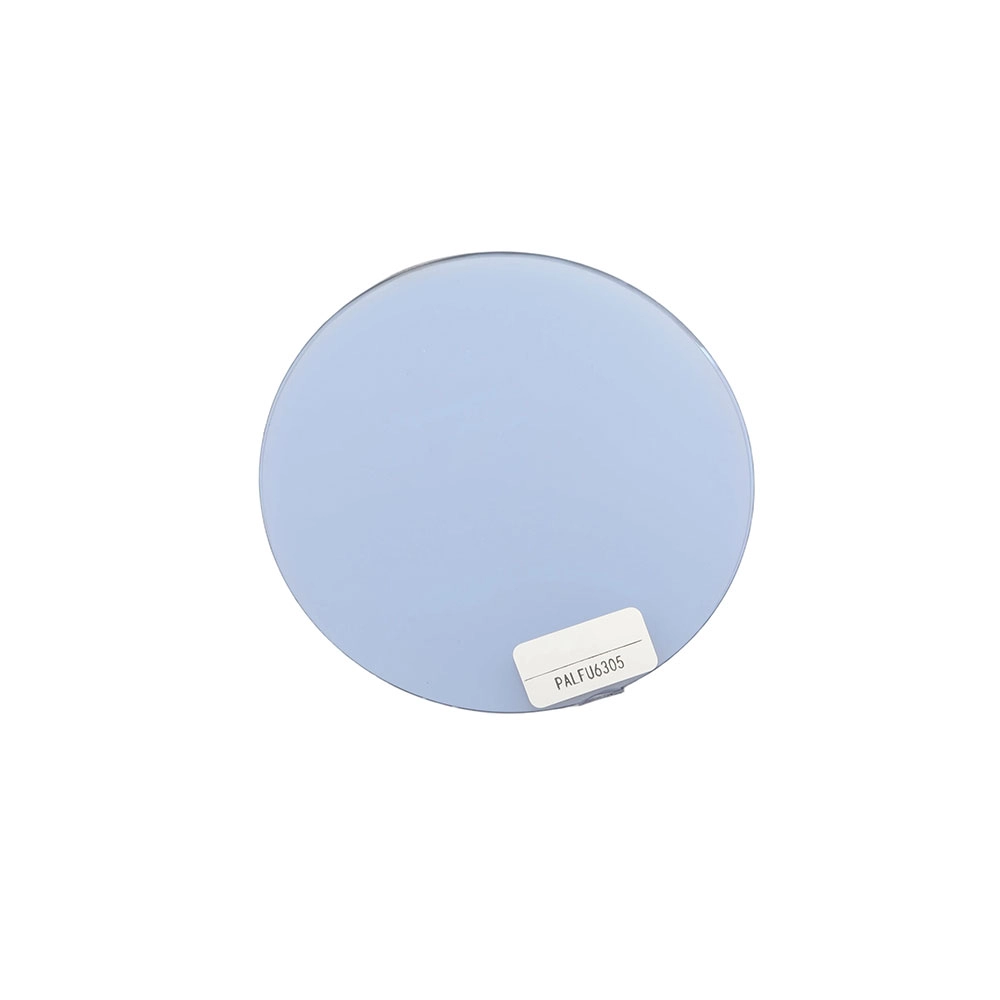
As leading eyeglass lens manufacturers, Karuson leverages advanced material science to produce PC lenses that are 37% lighter than conventional resin, providing a significant reduction in nasal bridge pressure for prolonged, comfortable wear. These high-performance lenses offer 100% UV protection and superior impact resistance, ensuring maximum ocular safety. By utilizing specialized dyeing techniques that infuse pigments directly into the material, we offer a versatile spectrum of vibrant color options—effectively minimizing glare while maintaining exceptional visual clarity for any environment.
Advanced Sunglasses Solutions: Polarized Lenses with Anti-Seawater Coating
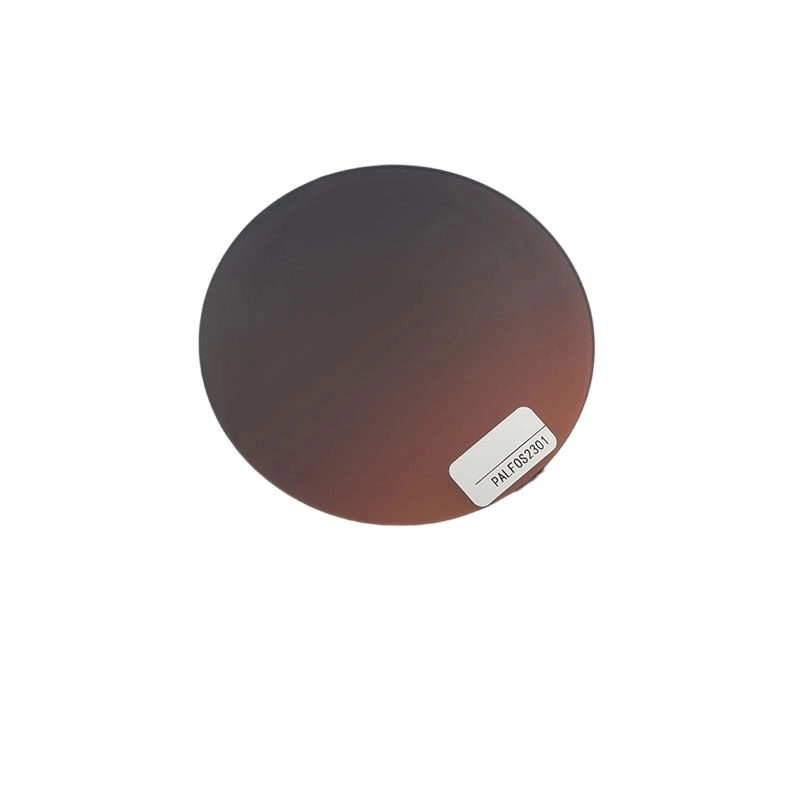
As a versatile photochromic lenses manufacturer and high-performance optics expert, Karuson crafts high-quality Polycarbonate (PC) Gradient Tinted Lenses that perfectly balance aesthetics with advanced protection. By fusing the ultra-lightweight and impact-resistant properties of PC material with precision gradient tinting technology, we deliver a durable visual solution that enhances clarity and comfort for urban lifestyles and outdoor sports. These lenses not only optimize visibility across varying light conditions by reducing glare but also offer a sleek, customizable design—allowing global brands to blend practical eye protection with a modern, fashion-forward accessory.
Why Quality Lenses are the Core of Your Eyewear Brand’s Reputation
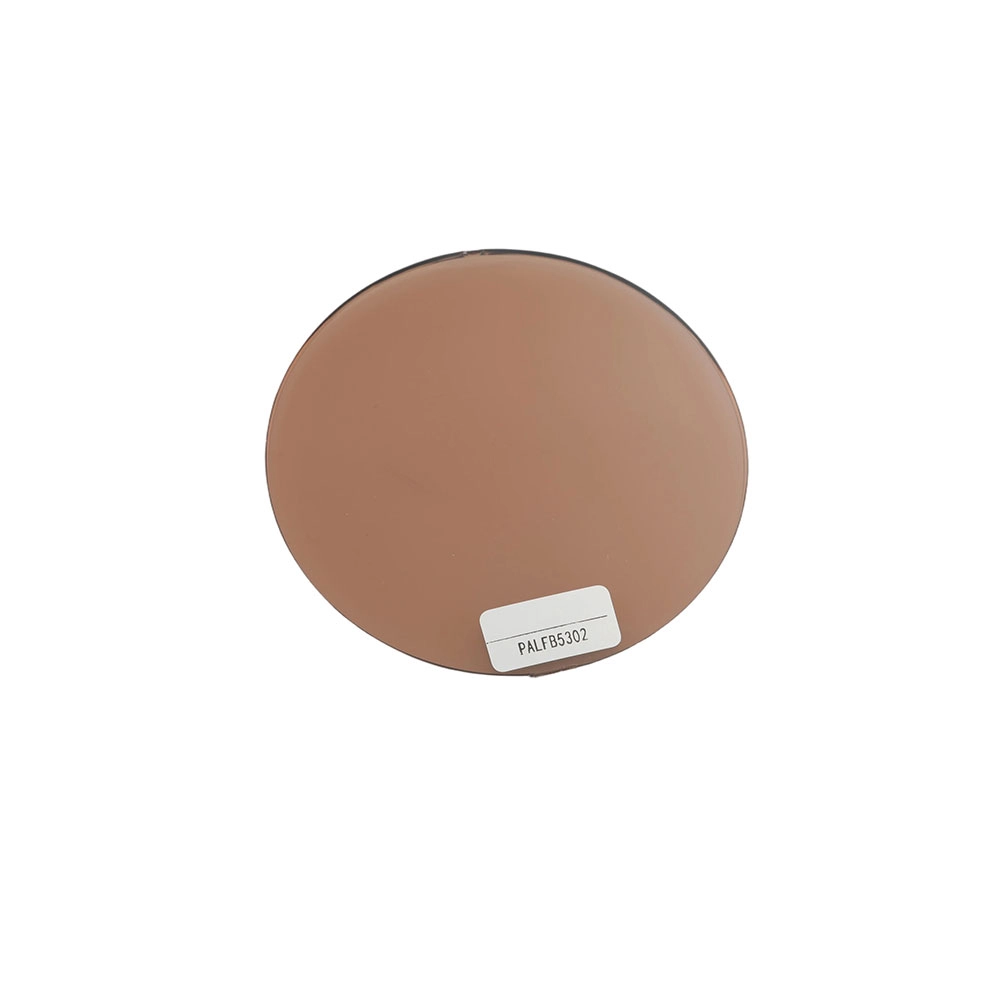
As a premier high-definition glasses lenses manufacturer, Karuson crafts high-quality Polyamide (PA) Nylon Tinted Lenses that represent the perfect synergy of ultra-lightweight performance and high-toughness durability. By integrating professional-grade tinting technology with advanced material science, we offer a lens solution that delivers exceptional optical clarity alongside vibrant, fashionable color expression. Designed for both daily commutes and trendy lifestyle matching, these lenses provide a comfortable and aesthetic visual experience, serving as a high-performance fashion accessory for the modern, style-conscious consumer.
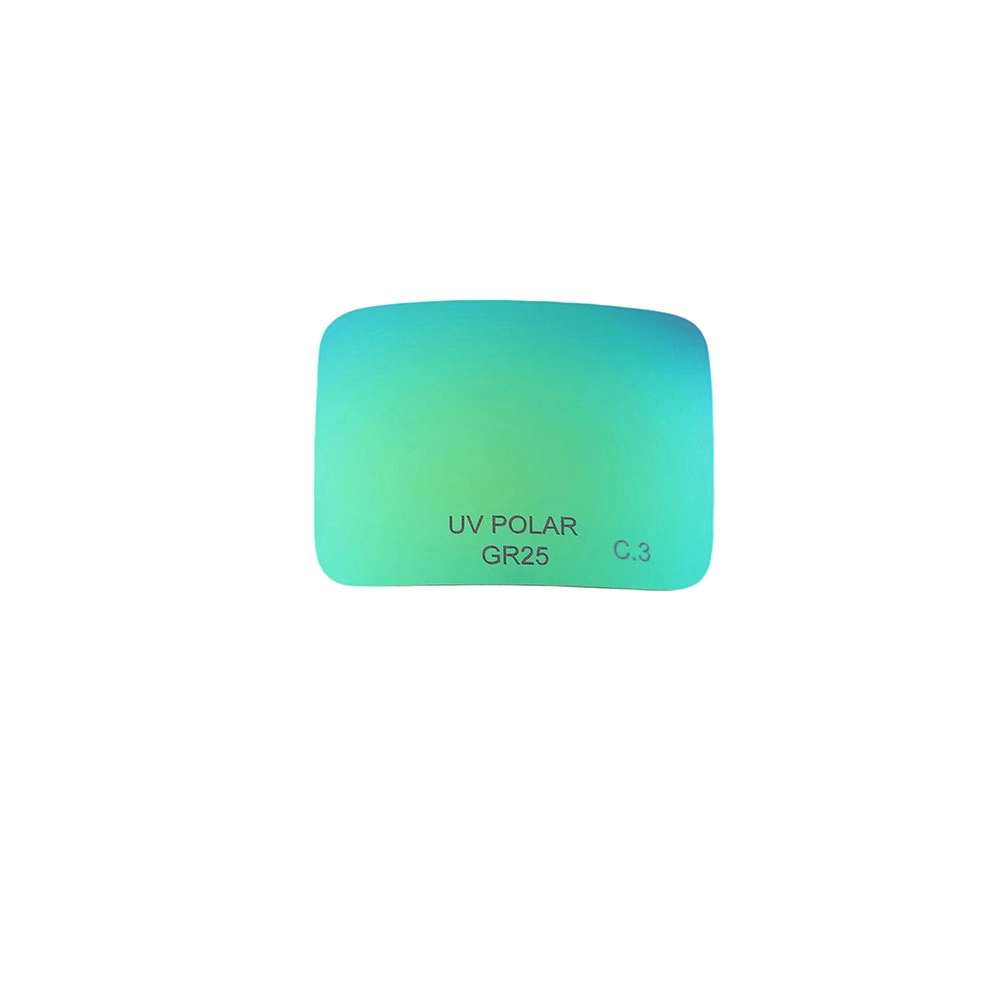
High-Definition Visual Clarity: Premium CR-39 & Polycarbonate Lenses
Experience the precision of a professional custom glasses lenses manufacturer. Karuson polarized lenses are engineered with a 99.9% high-polarization effect to provide unparalleled visual definition and glare reduction. By strategically absorbing reflected light through a high-stability PVA layer, our lenses are optimized for high-intensity outdoor environments, including maritime sailing, hunting, and alpine skiing. Furthermore, our specialized treatment ensures the lenses remain durable and distortion-free even in environments with high heat and humidity.
Get in touch with us
If you have any comments or good suggestions, please leave us a message; later our professional staff will contact you as soon as possible.
NEW DIMENSIONS IN EYEWEAR
Contact KARUSON
Email:
WhatsApp/Phone:
Address:
331 Section B, WanJia Creative Park , No. 1 BUXIA Road ,Tianhe District, Guangzhou City, Guangdong Province, China.

© 2026 KARUSON. All Rights Reserved.
Facebook
Instagram
YouTube
TikTok
Linkedin