


Why apply multi-layer coatings in lenses manufacturing?
- 1) How can I verify an eyewear factory's multi-layer anti-reflective (AR) coating meets optical specs for prescription lenses before placing a mass order?
- 2) What specific multi-layer coating stack and deposition processes should I require from an eyewear factory to ensure durable AR performance on high-index and polycarbonate lenses?
- 3) What are realistic warranty terms and measurable failure modes to negotiate with an eyewear factory for multi-layer coated lenses?
- 4) How do cost drivers break down for multi-layer coatings in lens manufacturing and what MOQs and lead times should I expect when qualifying a new OEM eyewear factory?
- 5) What factory-level quality control systems and documentation should I require to meet retail and international regulatory expectations?
- 6) Why apply multi-layer coatings in lenses manufacturing and how do they measurably improve wearer experience versus single-layer coatings?
1) How can I verify an eyewear factory's multi-layer anti-reflective (AR) coating meets optical specs for prescription lenses before placing a mass order?
Begin with documented sample validation and measurable acceptance criteria. Request production samples of the exact substrate (CR-39, polycarbonate, high-index 1.67, etc.) with the same edge finish and bevel as your production lenses. For objective verification, require a lab report with:
- Spectrophotometer measurements of spectral reflectance and transmittance across 380–780 nm (visible). Industry-grade multi-layer AR typically targets average per-surface reflectance well below single-layer results — High Quality stacks commonly achieve ~0.1–0.5% per surface in their optimized band, whereas single-layer coatings are often >1%.
- Uniformity mapping (6–9 measurement points on lens blank) with variance limits (for example, ±0.05%–0.10% reflectance) to avoid banding or pockets of poor AR performance.
- Adhesion test results (ASTM D3359 tape test or ISO 2409/ cross-cut) showing no delamination after standard procedures.
- Abrasion resistance testing (Taber abrasion, ASTM D1044-style protocols) with pass/fail criteria stated (e.g., max Delta-transmittance or allowable haze % after X cycles).
- Environmental stability: humidity/condensation and thermal cycling reports (IEC/ISO environmental tests commonly requested) demonstrating no clouding, whitening, or mechanical failure after exposure cycles that simulate shelf and field conditions.
Operationally, insist on batch traceability (lot numbers tied to raw-material CoAs), process control logs from coating chambers (sputter parameters, deposition rates), and digital photos under standardized lighting for each sample. If the factory resists sharing measurement data, treat that as a red flag. Always perform independent third-party lab verification for first-run production lots when possible.
2) What specific multi-layer coating stack and deposition processes should I require from an eyewear factory to ensure durable AR performance on high-index and polycarbonate lenses?
Multi-layer AR stacks are engineered dielectric films that use alternating low- and high-index materials to achieve destructive interference of reflected light. For different substrates you should require substrate-appropriate pre-treatment and a deposition process that delivers dense, well-adhered films:
- Pre-treatment: plasma cleaning or chemical activation to remove organics and improve adhesion. A stable base hardcoat (UV-cured acrylic or SiOx) is critical on polycarbonate to provide abrasion resistance and an anchor for AR layers.
- Typical stack materials: low-index layers such as MgF2 or SiO2 and high-index layers such as TiO2, ZrO2 or Nb2O5. Higher-index oxides are commonly used to reduce the number of layers while maintaining AR bandwidth.
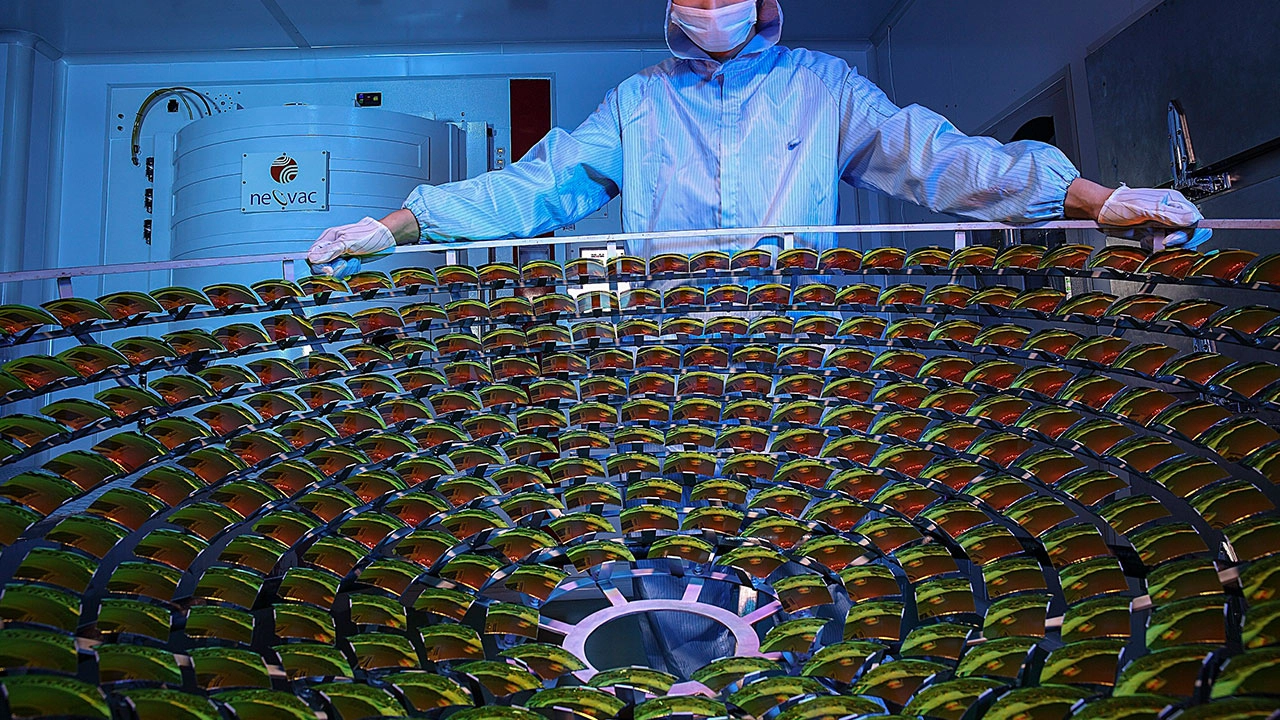
- Deposition method: ion-assisted deposition (IAD) or reactive magnetron sputtering in vacuum chambers is preferred for eyewear because these methods produce dense, low-porosity films with superior humidity resistance compared with simple thermal evaporation.
- Process controls to require: in-situ optical monitoring for layer thickness, QCM (quartz crystal microbalance) or equivalent rate control, and post-deposition stress/bake cycles to reduce moisture uptake. Specify thickness tolerances (often ±0.5 nm for visible-band AR designs) and surface roughness limits to ensure optical clarity.
For high-index (>1.6) substrates and polycarbonate, dense IAD stacks over a robust hardcoat minimize haze and delamination risks. Ask the factory for substrate-specific recipes and long-term humidity test reports for the exact combination of hardcoat + AR used on your SKU.
3) What are realistic warranty terms and measurable failure modes to negotiate with an eyewear factory for multi-layer coated lenses?
Warranties must be specific and measurable, not vague promises. Common commercial warranties range from 12 to 24 months for manufacturing defects (coating delamination, AR clouding, coating flaking). For high-use retail products, some brands offer extended coverage, but expect higher costs.
Define covered failure modes and objective acceptance limits:
- Delamination: total area delaminated exceeding a small percentage (e.g., >5% of coated surface) or any visible edge lifting at the bevel should qualify. Require adhesion test evidence on returned lenses.
- AR fade / reflectance increase: define a threshold such as an increase of >0.2%–0.5% absolute reflectance across the visible band compared to baseline as a failure (measured by spectrophotometer under defined geometry).
- Scratch: because abrasion resistance also depends on user handling, specify scratch criteria tied to Taber abrasion or ANSI/ISO abrasion test results. Define levels of consumer misuse excluded from warranty (chemical attack, improper cleaning, impact damage).
- Clouding / whitening: specify environmental test pass/fail criteria (after X humidity cycles or salt-mist exposure the coating must show no visible whitening or haze beyond a quantified ΔT or haze percent).
Insist the factory provides an RMA procedure, quick-response sampling for failure analysis, and at minimum a 30–90 day replacement lead time clause for defective batches. Keep written exclusions and require a small-sample retest protocol to rule out improper use before accepting a warranty claim.
4) How do cost drivers break down for multi-layer coatings in lens manufacturing and what MOQs and lead times should I expect when qualifying a new OEM eyewear factory?
Key cost drivers:
- Capital and depreciation of coating equipment (vacuum sputtering / IAD chambers, loading jigs, clean-room infrastructure).
- Material costs for high-index oxides and specialized deposition gases; some oxides (Nb2O5, ZrO2) are more expensive than MgF2 or SiO2.
- Pre- and post-process labor: cleaning, handling, inspection, packing, and rework for rejects.
- Yield and scrap rates: coatings add processing steps, so yields during ramp-up affect per-unit cost significantly.
- Quality control costs: spectrophotometer time, adhesion/abrasion testing, environmental tests, and documentation for compliance.
Typical MOQ and lead-time expectations:
- MOQs vary widely: for standard AR recipes and common substrate sizes, some factories accept MOQs as low as a few hundred dozen lenses per SKU; for custom stacks or rare substrates, expect MOQs of several thousand to justify machine set-up and recipe qualification.
- Lead times: sample qualification and small production runs can take 4–8 weeks (including sample tests and minor adjustments). Full production ramp-up for new SKUs often takes 8–16 weeks, factoring in tooling, process validation, and QC paperwork.
To control cost and lead time, consolidate SKUs (common coating recipes and indices), supply consistent raw blank specifications, and negotiate gradual MOQ ramps tied to performance milestones. Consider co-development agreements to amortize setup costs across future orders.
5) What factory-level quality control systems and documentation should I require to meet retail and international regulatory expectations?
Require documented systems and traceability, not just verbal assurances. At a minimum request:
- Quality Management: ISO 9001 certification and manufacturing process controls. For medical/ophthalmic channels, ISO 13485 is advantageous.
- Product standards: compliance with optical lens standards such as ISO 8980 (spectacle lenses) and, where applicable, ISO 12312 for sunglasses/filters.
- Materials & environmental compliance: REACH and RoHS declarations, material certificates (CoA) for polymer blanks (PC, CR-39, high-index polymers), and MSDS for chemicals used in pre-treatment/coating.
- Traceability: lot numbers for blanks, coating runs, and final packs; digital production logs with operator, machine ID, parameter set, and spectral QC results saved per batch.
- QC reports: spectral reflectance/transmittance reports, adhesion/abrasion/environmental test certificates, and photographic evidence of finished lenses under standardized lighting.
Retail chains and international buyers often require audit access, product technical files, and the ability to re-run independent tests. Stipulate sample retention policies (factory keeps technical samples for X months) and rapid access to raw data when a field issue arises.
6) Why apply multi-layer coatings in lenses manufacturing and how do they measurably improve wearer experience versus single-layer coatings?
Multi-layer coatings are applied because they provide superior optical and surface performance compared with single-layer or uncoated lenses. Mechanisms and measurable improvements include:
- Optical performance: multi-layer dielectric stacks create destructive interference for reflected wavelengths, dramatically reducing surface reflectance across a broad visible band. This reduces glare, increases light transmission, and improves perceived contrast and color fidelity. Measurable outcomes are higher total transmittance and lower specular reflectance values measured by spectrophotometer.
- Visual comfort: lower internal and external reflections reduce ghost images and headlights glare for night driving and reduce eye strain during prolonged digital device use—outcome measurable via subjective comfort surveys and contrast sensitivity tests in clinical/ergonomic studies.
- Durability and cleanability: modern multi-layer systems are applied over hardcoats and finished with hydrophobic/oleophobic topcoats that resist scratching, water spotting, and oil smears—measured by Taber abrasion cycles, contact angle for hydrophobicity (>90° often indicates good water beading), and reduced residue from fingerprint tests.
- Longevity: dense, ion-assisted deposited films resist moisture ingress and are less likely to haze or delaminate over time, reducing returns and warranty claims when properly manufactured and handled.
In short, multi-layer coatings offer a quantifiable reduction in reflectance, improved transmittance, better scratch and chemical resistance when combined with appropriate topcoats, and an objectively better wearer experience. The decision to invest in higher-spec coatings should be informed by target market expectations (High Quality eyewear vs. economy), planned warranty terms, and the supporting QC regime you require from the eyewear factory.
Conclusion — Advantages of Multi-Layer Coatings and Partnering with a Qualified Eyewear Factory
Multi-layer coatings, when deposited with ion-assisted sputtering over a robust hardcoat, deliver measurable optical gains (lower reflectance, higher transmittance), improved scratch and environmental resistance, and enhanced wearer comfort—advantages that reduce returns and improve brand reputation. A qualified eyewear factory provides process transparency (in-situ monitoring, batch traceability), documented QC (spectral, adhesion, abrasion, environmental tests), and regulatory compliance (ISO-related standards, REACH/RoHS declarations). Combining the right coating stack with factory-level quality control and a clear warranty structure gives you predictable product performance and commercial confidence.
To receive a tailored quote or to discuss factory capabilities and sample validation protocols, contact us at www.karusonco.com or email nicole@karusonco.com.
Why Sourcing from a China Eyewear Factory is the Strategic Choice for Global Brands
OEM vs. ODM: Which Partnership Model is Best for Your Eyewear Business?
2026 Eyewear Trend Forecast: Colors, Shapes, and Textures to Watch
About Products
What is the MOQ?
Usually ≥100, depending on the model.
How do you ensure product quality?
Full QC process, factory testing, and international certifications.
About OEM&ODM
What is your minimum order quantity (MOQ)?
MOQ is flexible and varies by product type. Small trial orders are welcome.
Can you help with packaging and logo branding?
Absolutely—we provide branded packaging bags, boxes, logo applications, and display solutions.
How do we start a project with Karuson?
Send us your product idea or requirements—our team will review, advise, and provide the best solution and quotation.
You May Also Like
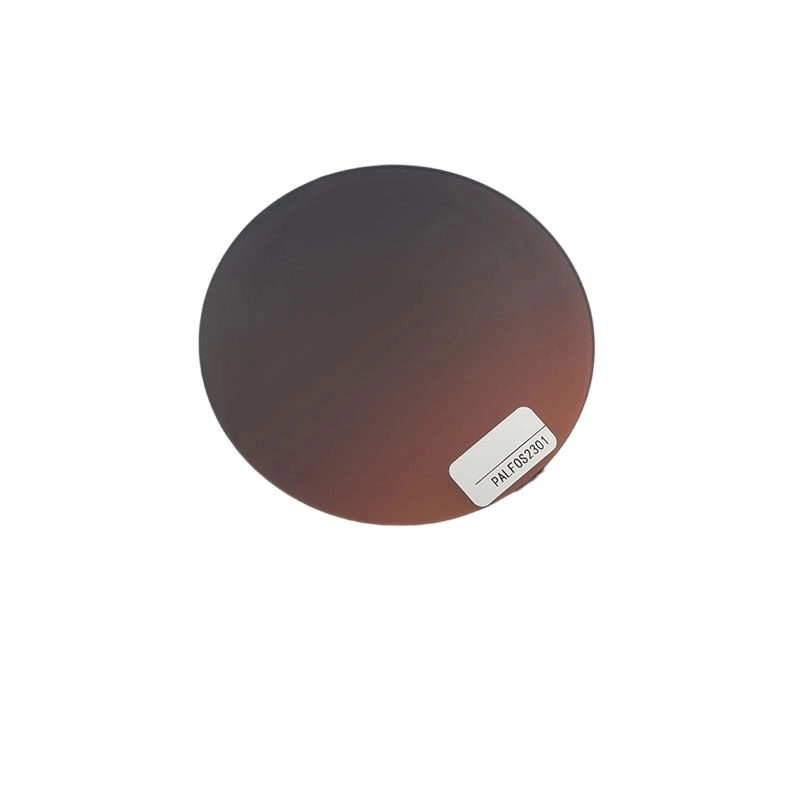
Advanced Sunglasses Solutions: Polarized Lenses with Anti-Seawater Coating
As a versatile photochromic lenses manufacturer and high-performance optics expert, Karuson crafts high-quality Polycarbonate (PC) Gradient Tinted Lenses that perfectly balance aesthetics with advanced protection. By fusing the ultra-lightweight and impact-resistant properties of PC material with precision gradient tinting technology, we deliver a durable visual solution that enhances clarity and comfort for urban lifestyles and outdoor sports. These lenses not only optimize visibility across varying light conditions by reducing glare but also offer a sleek, customizable design—allowing global brands to blend practical eye protection with a modern, fashion-forward accessory.
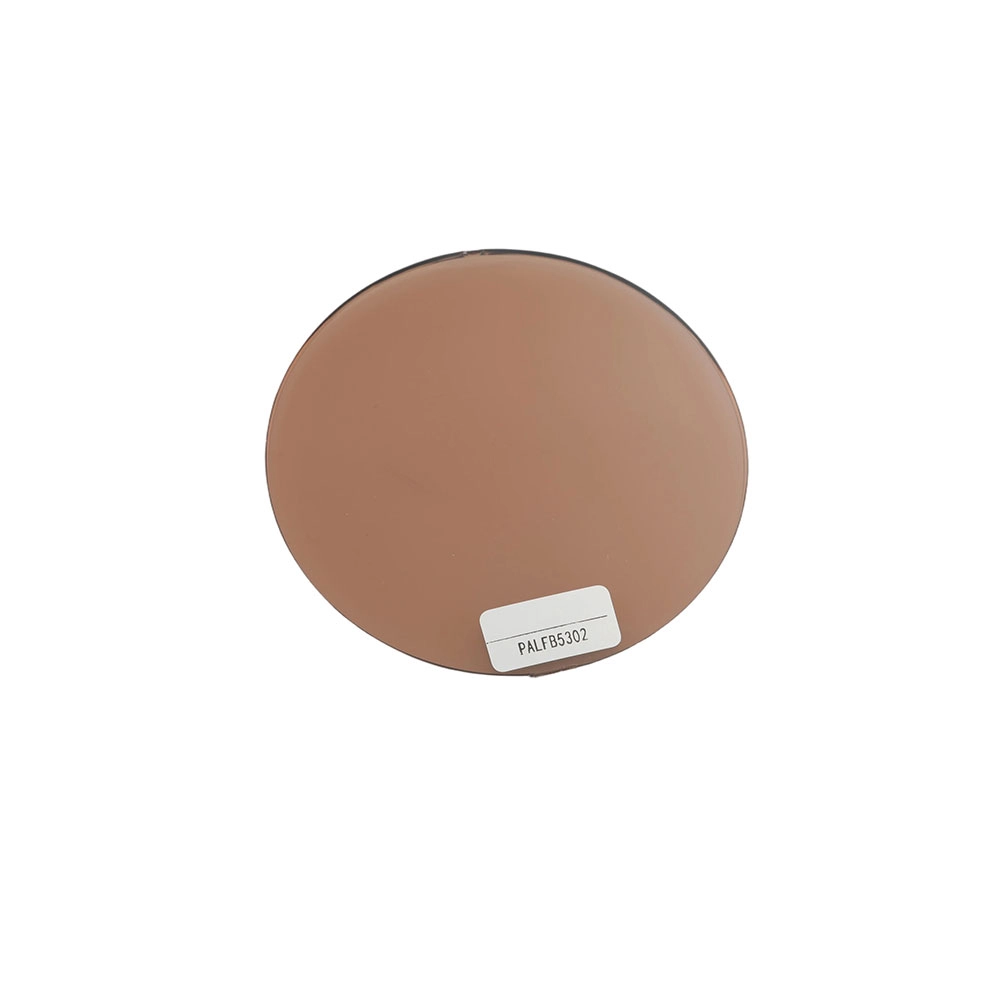
Why Quality Lenses are the Core of Your Eyewear Brand’s Reputation
As a premier high-definition glasses lenses manufacturer, Karuson crafts high-quality Polyamide (PA) Nylon Tinted Lenses that represent the perfect synergy of ultra-lightweight performance and high-toughness durability. By integrating professional-grade tinting technology with advanced material science, we offer a lens solution that delivers exceptional optical clarity alongside vibrant, fashionable color expression. Designed for both daily commutes and trendy lifestyle matching, these lenses provide a comfortable and aesthetic visual experience, serving as a high-performance fashion accessory for the modern, style-conscious consumer.
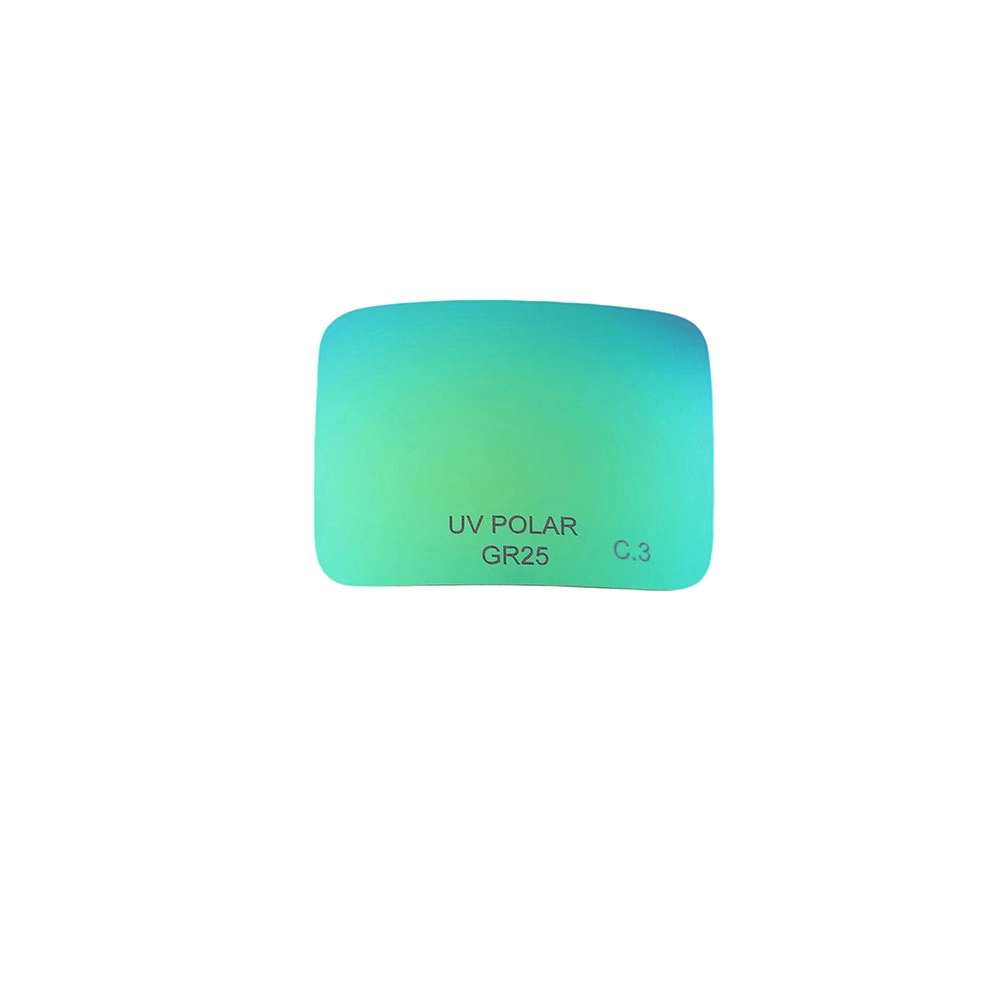
High-Definition Visual Clarity: Premium CR-39 & Polycarbonate Lenses
Experience the precision of a professional custom glasses lenses manufacturer. Karuson polarized lenses are engineered with a 99.9% high-polarization effect to provide unparalleled visual definition and glare reduction. By strategically absorbing reflected light through a high-stability PVA layer, our lenses are optimized for high-intensity outdoor environments, including maritime sailing, hunting, and alpine skiing. Furthermore, our specialized treatment ensures the lenses remain durable and distortion-free even in environments with high heat and humidity.
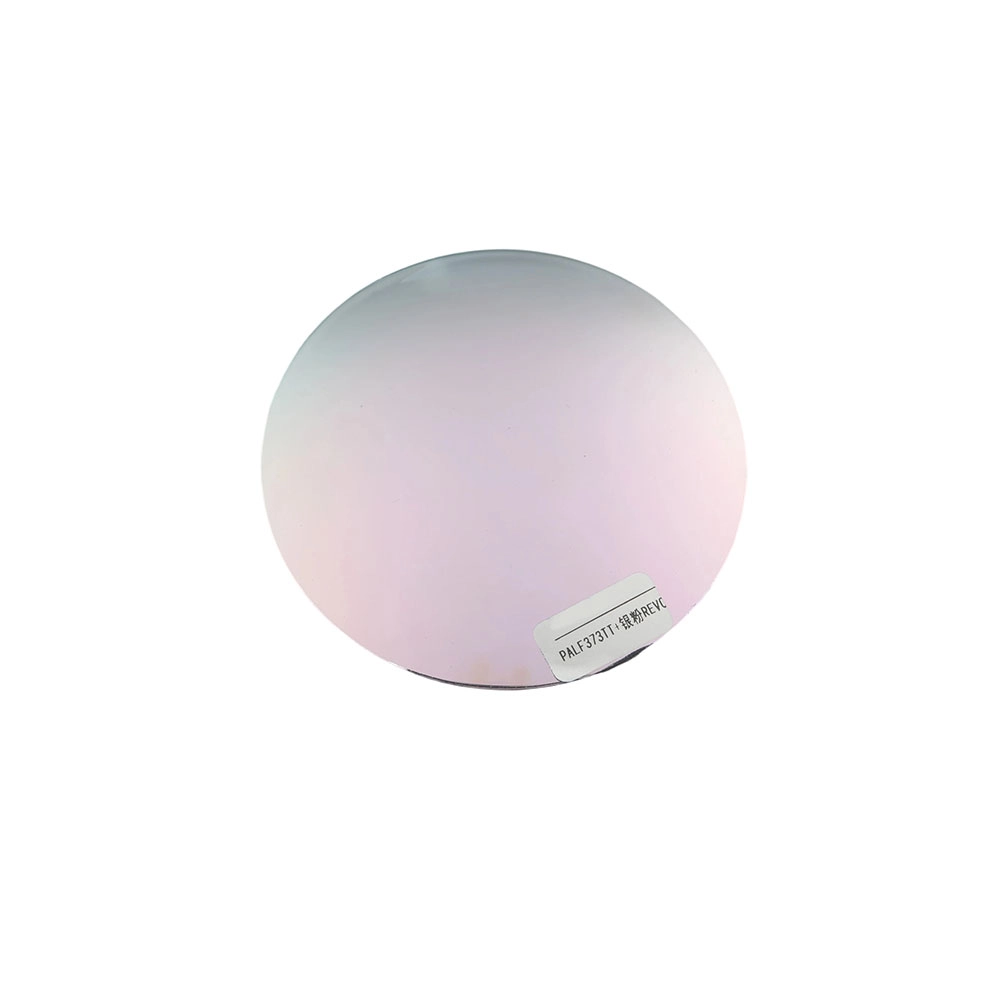
Dynamic Adaptation: Next-Gen Photochromic Lenses for Indoor & Outdoor Use
As premier eyeglass lenses manufacturers, Karuson crafts high-performance PC polarized coated lenses that seamlessly integrate lightweight, impact-resistant polycarbonate with advanced optical film technology. These lenses are engineered to achieve superior glare reduction and enhanced visual definition while offering a spectrum of stylish, customizable tints. Optimized for professional driving, outdoor sports, and urban lifestyles, our manufacturing process ensures that harmful reflections from water, roads, and snow are effectively filtered out. The result is a durable, fashion-forward visual solution that perfectly balances essential eye protection with high-end aesthetic appeal—making them the ideal choice for brands seeking to merge practicality with a modern fashion statement.
Get in touch with us
If you have any comments or good suggestions, please leave us a message; later our professional staff will contact you as soon as possible.
NEW DIMENSIONS IN EYEWEAR
Contact KARUSON
Email:
WhatsApp/Phone:
Address:
331 Section B, WanJia Creative Park , No. 1 BUXIA Road ,Tianhe District, Guangzhou City, Guangdong Province, China.

© 2026 KARUSON. All Rights Reserved.
Facebook
Instagram
YouTube
TikTok
Linkedin