


Why do luxury eyewear brands choose niche lenses manufacturers?
- 1. How can I verify an eyewear factory's lens coating quality and AR durability before a bulk order?
- 2. What are realistic tooling, sample, and MOQ costs for custom acetate frames and how can I reduce them?
- 3. How can luxury brands evaluate niche lens manufacturers for small-batch progressive or high-index lenses?
- 4. What supply-chain risks and lead-time buffers should I plan when sourcing custom polarized lenses from a niche supplier?
- 5. How do I ensure color and acetate pattern consistency across multiple production runs?
- 6. Which certifications and test reports should I require from an eyewear factory and niche lens maker to meet EU/US retail compliance?
1. How can I verify an eyewear factory's lens coating quality and AR durability before a bulk order?
Problem: Brands discover poor anti-reflective (AR) coatings and premature delamination only after shipping, causing costly returns and reputation damage. General company claims aren’t enough—buyers need verifiable, batch-level evidence of coating performance.
What to request and test before committing:
- Third‑party certificates: Ask for recent, batch-specific test reports from accredited labs (examples commonly used in the industry: SGS, Intertek, Bureau Veritas). Reports should reference the coating name and batch/lot number so you can match them to samples.
- Coating stack specification: Request the full AR stack details—number of layers, materials (e.g., SiO2, TiO2), and claimed abrasion and adhesion ratings. A proper specification enables technical comparison between suppliers.
- Adhesion test results: Require cross‑hatch adhesion tests (ISO 2409 or equivalent) and peel/delamination test results. Poor adhesion is a common failure point for multi-layer AR stacks.
- Abrasion resistance: Insist on Taber abrasion or similar test data showing cycles to failure or % light transmission loss after a standardized abrasion protocol.
- Environmental stress tests: Ask for humidity/fog chamber and thermal cycling results (e.g., 85°C/85% RH or comparable cycles). These simulate real-world delamination risks in humid markets.
- Spectral transmission curves: Get measured transmission/reflectance curves from 380–780 nm for both uncoated and coated lenses—this confirms AR effectiveness and color neutrality.
- On-site or independent sample testing: Before mass production, obtain 3–5 production samples from the same coating batch. Send them to an independent lab for adhesion, abrasion, and spectral tests. If logistics are tight, negotiate destructive testing on a pre-production run.
Red flags to watch for:
- No batch-level lab reports—only generic factory brochures.
- Reluctance to provide coating stack or material names (opaque suppliers often have quality issues).
- Short warranty or limited defect acceptance that excludes coatings.
Practical acceptance criteria (industry‑practical): cross‑hatch adhesion class 0–1, Taber abrasion showing minimal visible change within published cycles for comparable High Quality AR stacks, and consistent spectral curves across samples. These are reasonable minimums for brands positioning at mid- to high-end.
2. What are realistic tooling, sample, and MOQ costs for custom acetate frames and how can I reduce them?
Problem: Beginners are surprised by seemingly opaque upfront costs—tooling, sample fees, and minimum order quantities (MOQ) can make early collections financially risky.
Typical cost components (industry norms):
- Tooling/mold cost for acetate frames: Commonly ranges from US$1,000 to US$6,000 per frame shape for injection or block tooling depending on complexity, tooling method (CNC vs. EDM), and factory location. Simpler designs and standard sizes sit at the lower end; intricate metal-core or multi-piece constructions increase cost.
- Pre-production samples: Expect US$50–US$250 per sample for acetate frames with custom finishes; hand-finishing and plating increase sample pricing.
- MOQ: Many reputable OEM/ODM eyewear factories have MOQs of 300–1,000 pairs per SKU for fully custom acetate orders. Lower MOQs are available through specialized small-run factories or private-label ateliers but at significantly higher per-unit prices.
How to reduce upfront costs:
- Use existing master molds: Start with a factory’s proven shape and modify details (temple tip, hinge style) to avoid new tooling expenses.
- Phased launch: Produce a smaller initial run (e.g., 300 units) in one or two colorways to validate market demand before full tooling investment.
- Shared tooling/AM cost-sharing: Partner with other labels for cost-sharing on tooling or production runs—common in private-label models.
- Hybrid materials: Consider TR90 or injected nylon for early-stage collections. Tooling for injected frames is often cheaper, and cycle times are faster, which lowers per-unit costs for low volumes.
- Negotiate sample policy: Many factories credit sample fees against the first production order; confirm this in writing.
Budgeting tip: Include 10–20% contingency for final fit, hinge changes, and surface finishing after first samples. Early-stage brands frequently need iterative adjustments which add cost and time.
3. How can luxury brands evaluate niche lens manufacturers for small-batch progressive or high-index lenses?
Problem: Luxury brands demand bespoke surfacing (free-form progressives, custom torics) and sophisticated AR/photonics stacks. Large consolidated lens houses focus volume and standard SKUs; niche lens makers offer customization but vary widely in capability and compliance.
Evaluation checklist for niche lens manufacturers:
- Technical capability: Verify their surfacing equipment—do they use true free-form CNC surfacing with sub-micron control? For high-end progressives, ask for technical specs of their surface generators and software used (e.g., whether they support advanced point-by-point optimization).
- Prototype & iteration process: Ask how many design iterations are typical and how they validate visual comfort (measurement protocols, pilot user trials). Luxury fit often requires pilot wear tests.
- AR and nano-coating expertise: Confirm they can apply multi-layer custom AR stacks tuned to specific frame geometries and coatings that withstand real-world wear. Request lab data as in question 1.
- Precision tolerances: For high-index lenses (1.67, 1.74), edge thickness and center thickness tolerances matter; demand measured tolerances and sample dimension reports.
- Small-batch willingness: Many boutique lens makers accept batches as small as 50–200 pieces per SKU; confirm MOQ and lead time for repeat 50–200 runs if you want exclusivity.
- Confidentiality/IP protection: For exclusive lens geometries, request an NDA and check how they protect digital lens designs and tooling files.
Practical validation steps:
- Order a small pilot run of 10–50 pieces across target powers and frame geometries. Verify optical performance, edge finishing, AR durability, and wearer feedback.
- Request a dimensional and optical tolerance report (power mapping, prismatic imbalance, astigmatism, surface figure errors) for each pilot lens—ask for instrument calibration certificates where possible.
- Visit or commission a third-party audit of the surfacing lab. Even remote audits (video + documentation) can reveal process control maturity.
Why luxury brands choose niche makers: they provide flexibility on coatings, unique lens formulas, and the ability to build proprietary progressive maps or AR stacks that mass-market lens houses do not offer, enabling differentiated optical experience and brand storytelling.
4. What supply-chain risks and lead-time buffers should I plan when sourcing custom polarized lenses from a niche supplier?
Problem: Custom polarized lenses often involve multiple process steps—tinting, polarizer lamination, AR coating, edge finishing—each introducing potential delays. Buyers underestimate cumulative lead time and sourcing risks.
Common risk points and mitigation:
- Material availability: Polarizer film and specialty dye batches can be scarce. Ask suppliers for lead times on raw polarizer stock; plan for a buffer of 4–8 weeks for specialty polarizers during high demand seasons.
- Layered processes: Polarized lenses often require lamination+surfacing+AR+quality control. Request a process map with cycle times for each step. Prefer suppliers who perform these steps in-house to reduce inter-facility transfer delays.
- Batch-to-batch color variance: Polarizer dye lots can vary—specify ΔE tolerances and require Spectrophotometer pass/fail records per lot.
- Freight & customs: Polarized lenses are not hazardous but may be delayed by customs paperwork if certification/country-of-origin documents are missing. Factor 7–21 days for international shipping depending on mode.
- Capacity bottlenecks: Small lens houses can be capacity-constrained during peak seasons (spring/summer) or when servicing larger clients. Secure capacity via rolling purchase orders and confirmed production slots.
Recommended lead-time planning:
- Design > sample approval: 3–6 weeks (depends on complexity and shipping times).
- Tooling/mold & setup (if new frame shape or new lens blank): 4–8 weeks.
- Production run for polarized lenses (small batch 300–1,000): 3–6 weeks after material availability is confirmed.
- Shipping combined with QC hold: 1–3 weeks depending on inspection and mode (air vs sea).
Buffering strategy: For first seasonal launch, plan total lead time of 4–6 months from confirmed order to retail-ready product. For established SKUs with proven supply, 8–12 weeks is often achievable. Use staggered orders and safety stock to avoid stockouts.
5. How do I ensure color and acetate pattern consistency across multiple production runs?
Problem: Brands experience visible differences in acetate patterns, celluloid streaking, or color shades across batches. Consumers notice mismatched temple/ front combinations, hurting perceived quality.
Controls and contractual requirements to insist on:
- Material lot control: Require the factory to document and provide the acetate blank lot number, color recipe, and RAL/Pantone approximations. Raw material lot control is the single biggest lever for repeatability.
- Master sample & tolerances: Approve a physical master sample per colorway and ask factories to keep it on file. Define acceptance criteria (ΔE tolerance, translucency measures, and pattern distribution expectations) in the quality agreement.
- Digital and physical color matching: Use spectrophotometer readings (CIELAB values) on both masters and production samples. Require batch-level lab color reports and allow a maximum ΔE threshold (e.g., ΔE ≤ 2 or ≤ 3 depending on tolerance). Specify spectral data rather than subjective descriptions.
- Pattern distribution metrics: For patterned acetate (tortoise, marbled), require the factory to supply randomized pattern scans or photos across the production lot and define acceptable variance (e.g., % of pieces with a specified minimum dark/light contrast or vein width). This is important for high-end collections where pattern alignment is a design feature.
- Storage & aging controls: Acetate color can change with improper storage or heat exposure. Ask for documentation on storage conditions (temperature, humidity) and shelf-life of blanks.
Operational tactics:
- Order slightly larger initial runs and hold reserve inventory from the same lot for replenishment.
- Negotiate “color hold” agreements where the supplier reserves acetate blanks for you for a defined period.
- Insist on photo documentation of each dye lot prior to block cutting.
6. Which certifications and test reports should I require from an eyewear factory and niche lens maker to meet EU/US retail compliance?
Problem: Buyers often assume one certificate covers all markets. In reality, compliance is market- and product-specific; missing documentation can block customs or result in recalls.
Key certificates and reports to request (market-aware):
- EU market (sunglasses & frames): CE declaration of conformity where applicable and test reports referencing EN/ISO standards such as ISO 12312-1 (sunglasses—transmittance, UV protection) and ISO 12870 (spectacle frames)—request third-party lab reports (SGS/Intertek/Bureau Veritas).
- USA market: While the US does not require CE, retailers expect compliance to industry standards. Request test reports for ANSI/AS specifications relevant to your product (for sunglasses ANSI Z80.3 and for ophthalmic lenses ANSI Z80.1 are commonly referenced) and keep records of material safety data sheets (MSDS) for any chemicals used in coatings.
- Nickel & metal release: For metal frames contacting skin, ask for nickel release testing (EN 1811 or equivalent) if selling in markets where nickel sensitization is regulated.
- REACH/ROHS documentation: For EU distribution, request confirmation of compliance with REACH for restricted substances and RoHS where applicable (often requested by conscientious retailers).
- PPE vs. consumer product distinction: If your product is marketed as protective eyewear, different PPE regulations (EU Regulation 2016/425) apply; confirm classification with legal counsel and request PPE conformity reports where needed.
- Lab calibration and traceability: Ensure test reports include lab accreditation (ISO/IEC 17025) and that instruments used for optical measurements are calibrated with traceable standards.
How to operationalize compliance checks:
- Create a compliance checklist per target market and per SKU (sunglasses vs. prescription vs. safety).
- Request full test dossiers and keep them on file for customs audits and retailer onboarding.
- When in doubt, pre-ship a customs test or third-party verification to avoid delays at port of entry.
Final practical note: Maintain a file linking each production lot number to its specific test reports and material lot numbers—this traceability is essential for product recalls and for meeting large retail chain onboarding requirements.
Concluding paragraph: Choosing a specialized niche lenses manufacturer and a capable eyewear factory gives luxury and private-label brands control over optical performance, bespoke finishes, and small-batch agility. Advantages include higher optical accuracy (free-form and high-index surfacing), tailored AR and polarization stacks, stronger IP protection for proprietary lens maps, better batch traceability for cosmetic consistency, and the ability to offer differentiated eyewear without being locked into mass-market SKU constraints. When paired with rigorous pre-shipment testing, detailed QC agreements, and clear MOQ/tooling strategies, this approach reduces long-term risk and supports High Quality pricing and brand trust.
If you’d like a comparative quote or factory audit for custom frames, lenses, or private‑label production, contact us for a tailored quote at www.karusonco.com or email nicole@karusonco.com.
Why Sourcing from a China Eyewear Factory is the Strategic Choice for Global Brands
OEM vs. ODM: Which Partnership Model is Best for Your Eyewear Business?
2026 Eyewear Trend Forecast: Colors, Shapes, and Textures to Watch
About OEM&ODM
How long does it take to make samples?
Samples are typically completed within 7–15 working days if available molds are present.
Can you help with packaging and logo branding?
Absolutely—we provide branded packaging bags, boxes, logo applications, and display solutions.
About Products
Do you support OEM/ODM?
Yes, our R&D and design teams support full customization.
What is the MOQ?
Usually ≥100, depending on the model.
What is the lead time?
Mass production takes [25-35]days; samples take [7-10] days.
You May Also Like
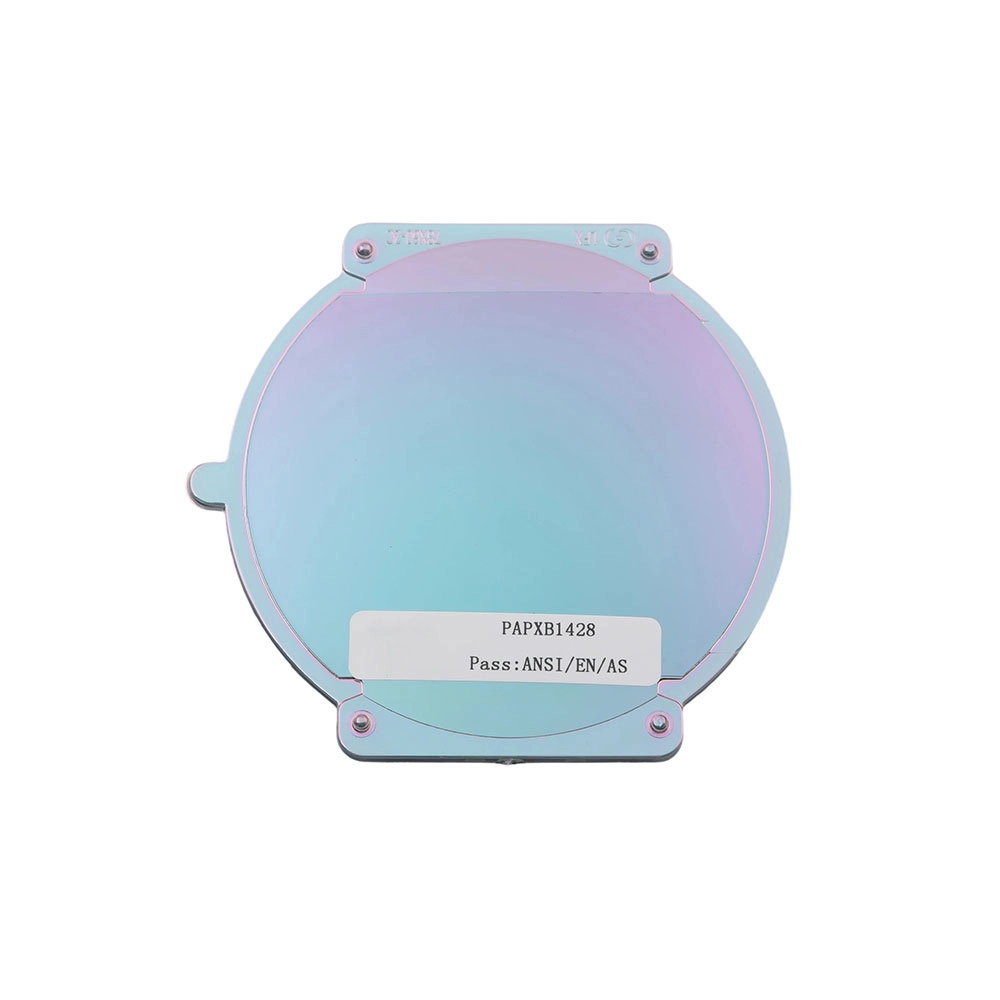
Innovative Lens Technologies: Setting Your Brand Apart in a Competitive Market
Setting a new standard in high-end lenses manufacturing, Karuson’s flagship-grade Polyamide (PA) Nylon polarized lenses seamlessly combine ultra-lightweight material with exceptional, high-toughness durability. By integrating precision polarizing technology, we have created a high-definition visual solution that excels in clarity and comfort for professional driving, outdoor adventures, and competitive sports. This innovation does more than meet expectations—it redefines the performance benchmark for professional polarized optics in the global market.
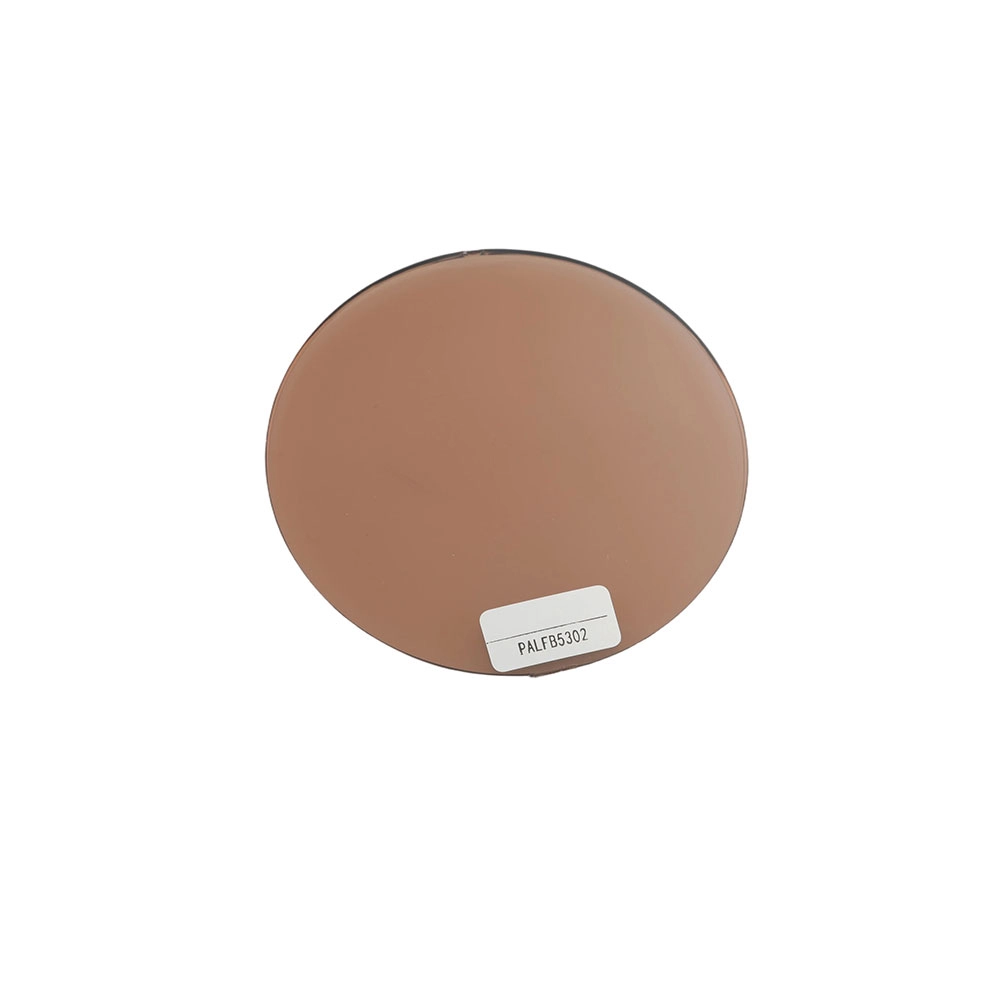
Why Quality Lenses are the Core of Your Eyewear Brand’s Reputation
As a premier high-definition glasses lenses manufacturer, Karuson crafts high-quality Polyamide (PA) Nylon Tinted Lenses that represent the perfect synergy of ultra-lightweight performance and high-toughness durability. By integrating professional-grade tinting technology with advanced material science, we offer a lens solution that delivers exceptional optical clarity alongside vibrant, fashionable color expression. Designed for both daily commutes and trendy lifestyle matching, these lenses provide a comfortable and aesthetic visual experience, serving as a high-performance fashion accessory for the modern, style-conscious consumer.
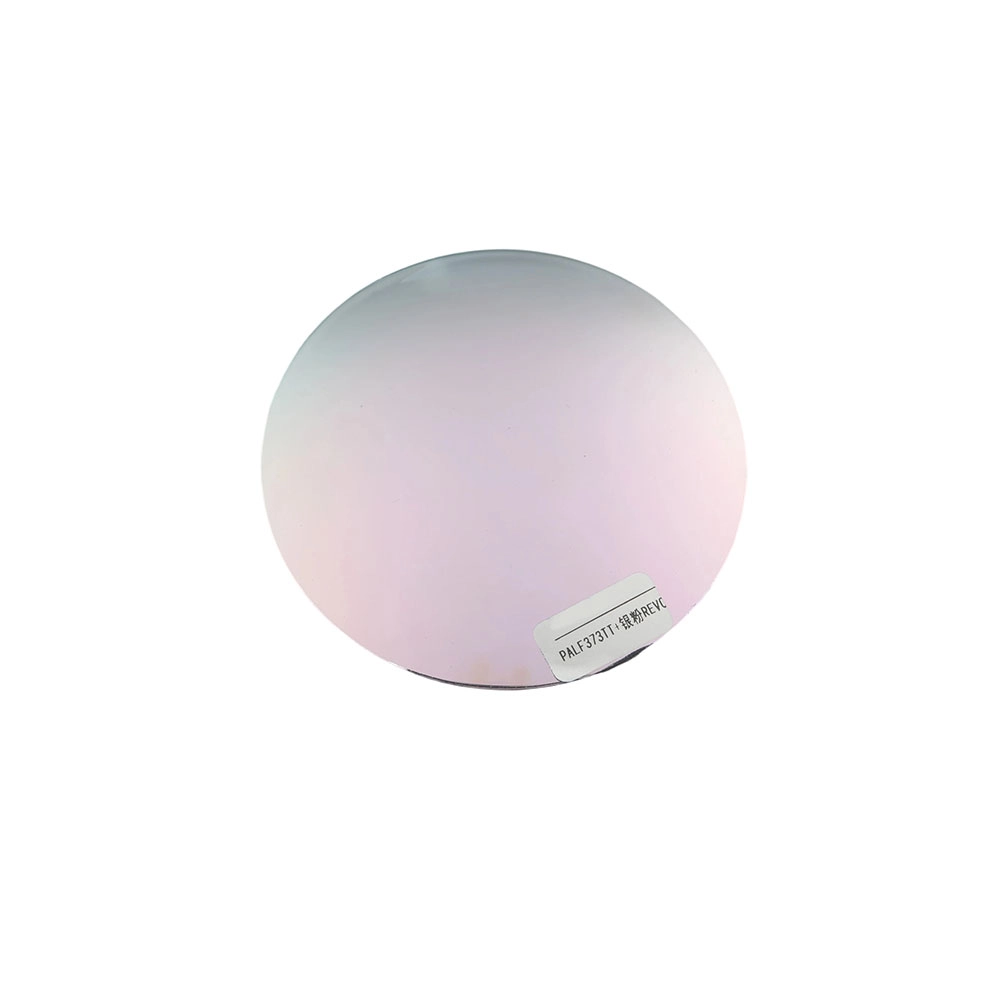
Dynamic Adaptation: Next-Gen Photochromic Lenses for Indoor & Outdoor Use
As premier eyeglass lenses manufacturers, Karuson crafts high-performance PC polarized coated lenses that seamlessly integrate lightweight, impact-resistant polycarbonate with advanced optical film technology. These lenses are engineered to achieve superior glare reduction and enhanced visual definition while offering a spectrum of stylish, customizable tints. Optimized for professional driving, outdoor sports, and urban lifestyles, our manufacturing process ensures that harmful reflections from water, roads, and snow are effectively filtered out. The result is a durable, fashion-forward visual solution that perfectly balances essential eye protection with high-end aesthetic appeal—making them the ideal choice for brands seeking to merge practicality with a modern fashion statement.
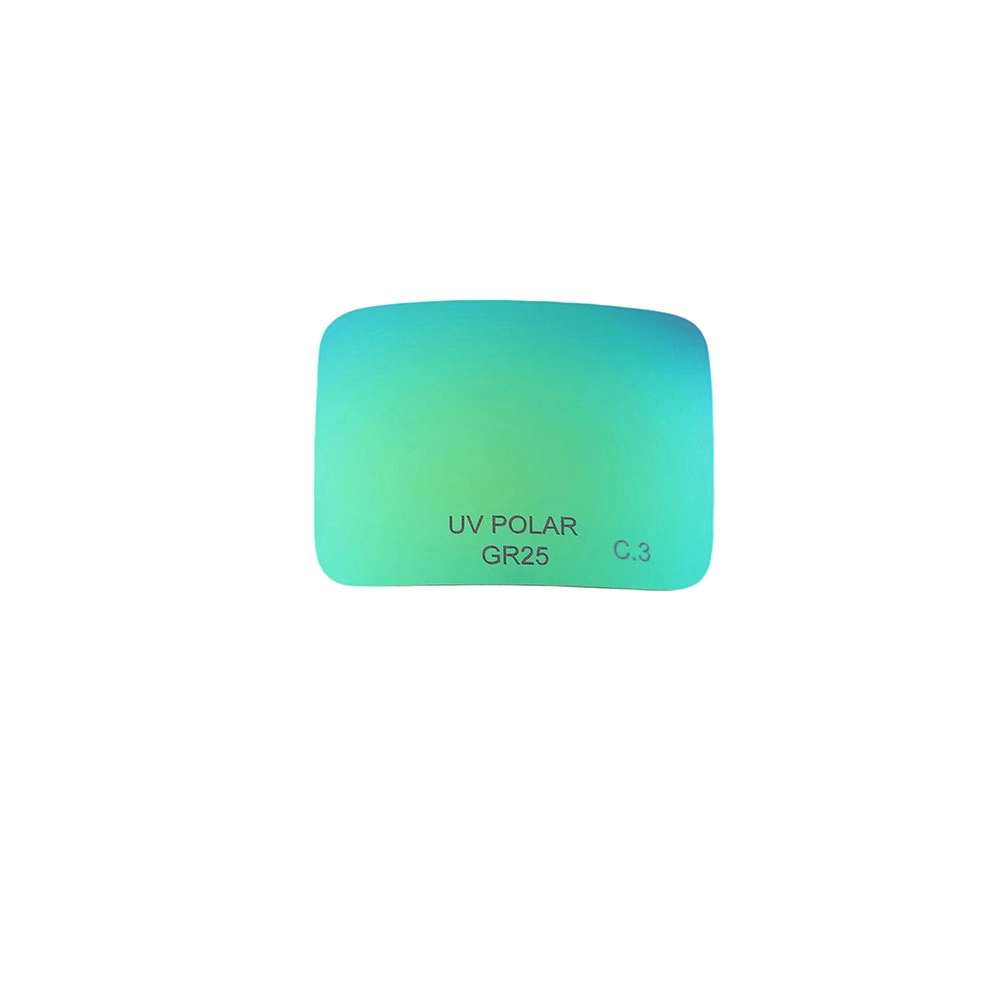
High-Definition Visual Clarity: Premium CR-39 & Polycarbonate Lenses
Experience the precision of a professional custom glasses lenses manufacturer. Karuson polarized lenses are engineered with a 99.9% high-polarization effect to provide unparalleled visual definition and glare reduction. By strategically absorbing reflected light through a high-stability PVA layer, our lenses are optimized for high-intensity outdoor environments, including maritime sailing, hunting, and alpine skiing. Furthermore, our specialized treatment ensures the lenses remain durable and distortion-free even in environments with high heat and humidity.
Get in touch with us
If you have any comments or good suggestions, please leave us a message; later our professional staff will contact you as soon as possible.
NEW DIMENSIONS IN EYEWEAR
Contact KARUSON
Email:
WhatsApp/Phone:
Address:
331 Section B, WanJia Creative Park , No. 1 BUXIA Road ,Tianhe District, Guangzhou City, Guangdong Province, China.

© 2026 KARUSON. All Rights Reserved.
Facebook
Instagram
YouTube
TikTok
Linkedin