

Why are OEM sunglasses cheaper than branded ones?
- 1. Why are OEM sunglasses cheaper than branded ones—exactly which cost components differ?
- 2. How can I verify an eyewear factory’s quality control (QC) processes before placing an MOQ order?
- 3. What specific lens and frame tests should I require to ensure true UV400 and polarization performance?
- 4. How do tooling, mold complexity and MOQ affect per-unit price and lead time for custom frames?
- 5. How can I ensure consistent color matching and plating/coating between batches when working with an overseas eyewear factory?
- 6. What are the IP and counterfeit risks when using an OEM eyewear factory, and how can I protect my designs?
Buying sunglasses or prescription frames from an eyewear factory requires factory-level knowledge—beyond marketing claims—to control cost, quality and time-to-market. Below are six long-tail, buyer-focused questions beginners often search for, with detailed, actionable answers based on industry practice, lab standards and supply-chain realities.
1. Why are OEM sunglasses cheaper than branded ones—exactly which cost components differ?
Short answer: the difference comes from fixed vs. variable costs and marketing/distribution markup. Branded sunglasses carry high non-manufacturing costs (brand development, creative campaigns, retail margins, warranty infrastructure, and complex logistics). An eyewear factory's price typically reflects direct manufacturing costs: raw materials (acetate, TR90, injected nylon, metal alloys), lens substrates and coatings (polarized film, AR, hardcoat), production labor, tooling amortization, finishing (plating, PVD, polishing), quality control (in-line and final inspection) and packaging.
Key cost drivers to compare when evaluating quotes:
- Tooling and molds: one-time capital expenditure for frame molds or acetate blocks that is amortized over units; complexity (multi-part hinges, metal temples, or acetate shaping) raises tooling costs significantly.
- Material specification: high-grade CR-39, polycarbonate or TAC polarized lenses and optically stable acetate/TR90 frames cost more than commodity grades. Lens coatings (multi-layer AR, oleophobic) add per-unit cost.
- Finishing and plating: electroplating, PVD coating, laser etching and custom color-matching have per-unit time and consumables costs and higher rejection rates if not controlled.
- Quality assurance and lab testing: accredited UV transmittance testing, polarization analysis and mechanical impact tests add both time and cost—factories that budget for independent lab verification charge more.
- Brand and channel markup: branded companies invest in design, IP, marketing and retail/distribution (wholesale and retail margins). It’s common for retail pricing to be 2–5x the factory FOB price depending on positioning and distribution complexity.
Conclusion: OEM pricing is lower because the buyer pays primarily for manufacturing and minimal branding overhead. If you need branded-level guarantees (warranties, certified testing, High Quality packaging), expect the cost to rise accordingly.
2. How can I verify an eyewear factory’s quality control (QC) processes before placing an MOQ order?
Because small orders magnify risk, verify QC before committing. Actionable verification steps:
- Request documented QC flow: an acceptable factory will provide an inspection plan (incoming material checks, in-line inspections, final inspection criteria such as AQL levels for defects and sampling plans).
- Ask for lab reports and certificates: credible factories can supply third-party lab test reports for UV transmittance (UV400), polarization efficiency, and impact resistance. Standards to ask about include ISO 12312-1 (sunglass requirements) and CE Declaration of Conformity for EU shipments.
- Factory photos and video: request high-resolution images or live video of production lines, injection molding machines, polishing stations, plating booths and final packing lines to confirm real capacity and cleanliness.
- Independent audits and references: request recent SGS/Bureau Veritas/Intertek audit summaries or customer references. If you cannot get an audit, hire a third-party inspection agency for pre-shipment and in-line checks.
- Sample protocol: order pre-production samples (PPS) and production samples, test them in your market (lab tests, wear trials) and require a corrective action plan (CAP) before mass production starts.
Insist on written acceptance criteria (lens tolerance, frame warpage limits, hinge torque specs) and include them in the Purchase Order to reduce ambiguity.
3. What specific lens and frame tests should I require to ensure true UV400 and polarization performance?
Verifiable, instrument-based tests are essential. Do not rely solely on factory certificates without raw data. Key tests and what they mean:
- Spectral UV transmittance (spectrophotometer): measures transmittance across 280–400 nm; UV400 indicates near-total blocking up to 400 nm. Ask for raw spectral curves and not just a pass/fail stamp.
- Polarization efficiency (polarimeter or polarization analyzer): measures how effectively a lens reduces glare; request percent polarization and axis alignment data for polarized lenses.
- Visible light transmission (VLT): a spectrophotometer report will show VLT percentage—important for category classification (e.g., fashion vs. driving vs. glacier).
- Impact resistance (drop-ball or high-velocity impact tests): depending on the market, tests per ISO standards or regional requirements confirm mechanical safety; request test protocol and batch-level reports.
- Coating adhesion and abrasion tests: salt-spray/chamber tests for plating durability and Taber abrasion for anti-reflective/hardcoat durability—ask for cycle counts and acceptance criteria.
Tip: specify the accredited test lab (e.g., SGS, Intertek, TÜV) in your contract to avoid ambiguous internal test reports.
4. How do tooling, mold complexity and MOQ affect per-unit price and lead time for custom frames?
Tooling and MOQ are tightly linked. Practical guidance:
- Tooling is the main upfront cost for custom injection or metal molds and can take weeks to manufacture and validate. Tool complexity (multi-cavity molds, micro-details, hinge integration) increases both cost and lead time.
- MOQ amortizes tooling: higher MOQs reduce per-unit tooling cost but increase inventory risk. Many factories set MOQs for custom acetate frames, e.g., hundreds to thousands of pairs per style, whereas simpler injected TR90 styles can have lower MOQs.
- Lead time considerations: prototype and tooling validation cycles (sample, fit, finishing adjustments) normally add 4–12 weeks before mass production; order lead time after approval often runs 30–90 days depending on order size, surface finishing and lab testing needs.
- Cost control tactics: reuse existing molds or tweak an existing frame to save tooling cost; negotiate staggered production runs or smaller pilot MOQs with a higher per-unit price to test market demand.
Recommendation: require a detailed tooling schedule, acceptance checkpoints and a written amortization plan showing how tooling cost is allocated per unit at your expected order quantity.
5. How can I ensure consistent color matching and plating/coating between batches when working with an overseas eyewear factory?
Color and finish consistency are frequent pain points. Actions that reduce variability:
- Use digital color standards: provide Pantone codes for frame colors and spectral data for critical colors; include acceptable Delta E tolerances (e.g., Delta E ≤ 2 for tight color control).
- Control raw material lots: request lot-numbered acetate sheets or pigment batches; for metal parts, require specific alloy grades and pre-approved surface pre-treatment procedures.
- Lock down process parameters: for plating and PVD, require the factory to document bath composition, current density, temperature and time. For AR and mirror coatings, specify target thickness and deposition parameters where possible.
- Approve color and finish samples: include a defined sample approval (PPAP/PPS) stage and treat final approved samples as master standards for future runs; require the factory to keep samples and process settings on record.
- Include rework and rejection clauses: specify acceptable rates and corrective actions for out-of-tolerance batches; require photos and root-cause analysis for deviations.
Working with a factory that keeps an SPC (statistical process control) log for color and plating variability will materially reduce surprises on repeat orders.
6. What are the IP and counterfeit risks when using an OEM eyewear factory, and how can I protect my designs?
IP leakage and unauthorized production are real risks when dealing with overseas OEMs. Practical protections:
- Use NDAs and tailored OEM contracts: while NDAs alone are limited in enforceability abroad, a well-drafted manufacturing agreement that includes IP ownership, confidentiality, penalty clauses and jurisdiction/arbitration terms raises the legal bar.
- Register designs and trademarks in your target markets: registered rights (design patents, registered trademarks) in the EU, US, China and other markets create stronger enforcement leverage against unauthorized production or export.
- Control critical components: retain exclusive tooling ownership and store master molds with a trusted third party when possible; require the factory to use serialized tooling that cannot be duplicated without your authorization.
- Supply-chain segmentation: source unique components (distinct lens films, branded rivets) from different suppliers and keep final assembly control to reduce risk of complete knock-offs being produced independently.
- Monitor and enforce: use online monitoring services, customs recordation of IP, and periodic market sweeps; where necessary, work with local enforcement agents to seize counterfeit batches.
Combine contractual protections with active IP registrations in key markets and operational controls to reduce the probability and impact of IP leakage.
Conclusion — Advantages of partnering with an eyewear factory (OEM): Working directly with a reputable eyewear factory gives you control over material specs (acetate, TR90, polarized TAC), transparency on cost drivers (tooling, coatings, QC), flexible MOQs and faster iteration on product design. With robust pre-production samples, third-party lab verification (UV400, polarization, impact), written QC and IP protections, OEM sourcing offers a cost-efficient route to scale private-label eyewear while maintaining quality parity with branded products.
If you’d like a factory-level quote, production timeline or sample plan tailored to your specification, contact us for a quote: www.karusonco.com or email nicole@karusonco.com.
TR90 vs Carbon Fiber vs Titanium Sports Sunglasses | OEM Frame Guide
Why Sourcing from a China Eyewear Factory is the Strategic Choice for Global Brands
OEM vs. ODM: Which Partnership Model is Best for Your Eyewear Business?
2026 Eyewear Trend Forecast: Colors, Shapes, and Textures to Watch
About Products
Do you offer samples?
Yes, paid samples or refundable samples are available.
How do you ensure product quality?
Full QC process, factory testing, and international certifications.
What is the lead time?
Mass production takes [25-35]days; samples take [7-10] days.
About OEM&ODM
Do you support OEM and ODM?
Yes—we offer both contract manufacturing (OEM) and full product development services (ODM).
What is your minimum order quantity (MOQ)?
MOQ is flexible and varies by product type. Small trial orders are welcome.
You May Also Like
Premium Optical Lenses | High-Clarity Custom OEM Lenses for Brands
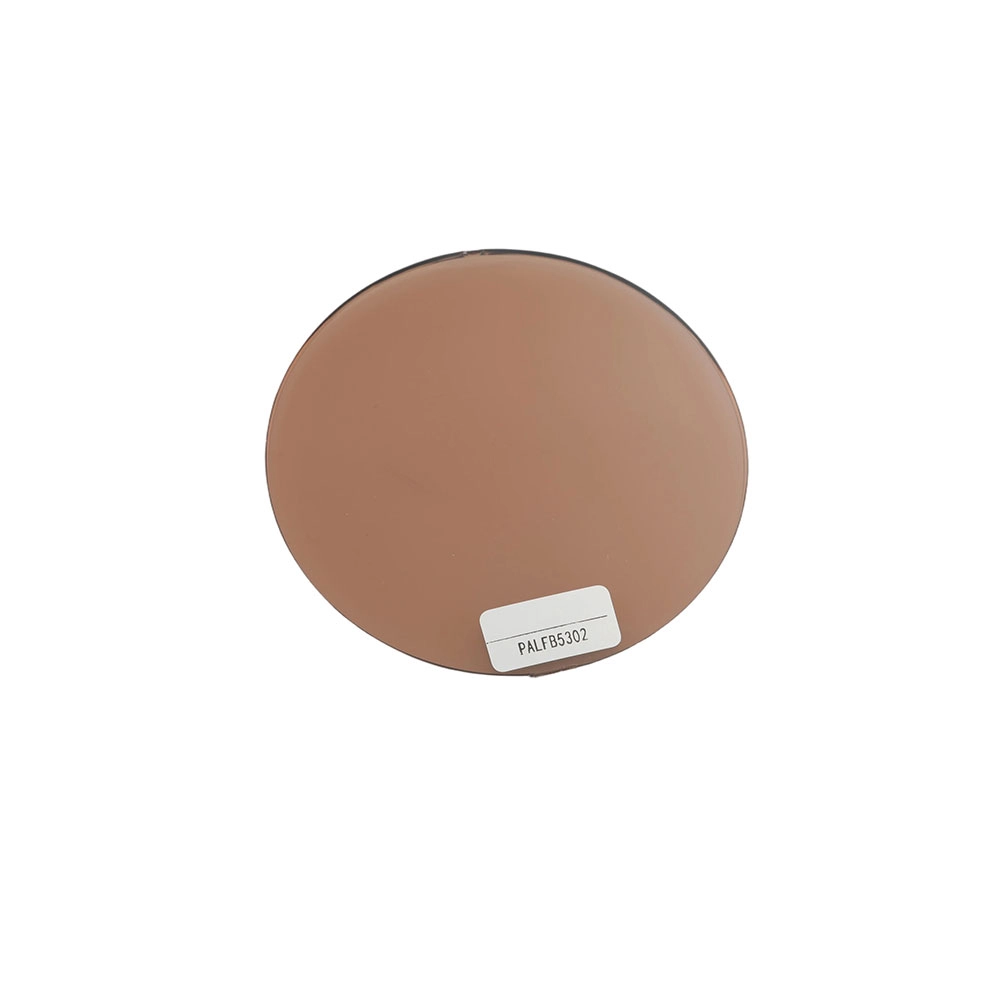
As a premier high-definition glasses lenses manufacturer, Karuson crafts high-quality Polyamide (PA) Nylon Tinted Lenses that represent the perfect synergy of ultra-lightweight performance and high-toughness durability. By integrating professional-grade tinting technology with advanced material science, we offer a lens solution that delivers exceptional optical clarity alongside vibrant, fashionable color expression. Designed for both daily commutes and trendy lifestyle matching, these lenses provide a comfortable and aesthetic visual experience, serving as a high-performance fashion accessory for the modern, style-conscious consumer.
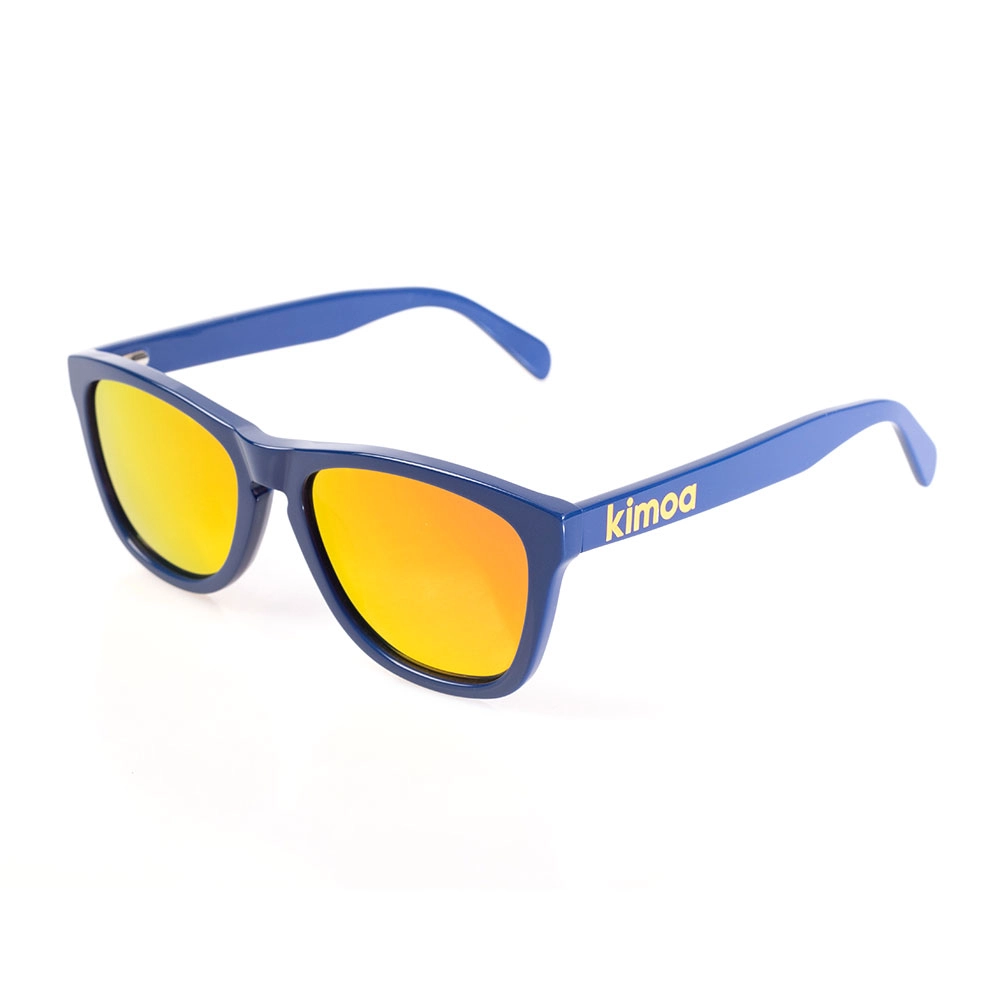
Trendy Blue Frame Sunglasses | Customizable OEM Performance Eyewear
These eco-friendly bio-acetate sunglasses combine high-performance durability with sustainable innovation, making them the perfect centerpiece for your private label eyewear collection. Engineered for longevity, the frames offer superior impact and scratch resistance, while the UV400 lenses provide essential protection against harmful rays and glare. Available in a spectrum of vibrant, customizable colors, this collection allows eco-conscious brands to offer a premium, lightweight, and stylish choice that refuses to compromise on safety or aesthetics.

Classic Square Polarized Sunglasses | High-Performance OEM Eyewear
As a premier oem sunglasses manufacturer, Karuson presents this essential Square Frame series—a staple for any eyewear brand’s core collection. These sunglasses feature a timeless matte black finish and are equipped with vibrant green REVO mirrored lenses, offering a perfect blend of modern tech aesthetics and professional-grade eye protection.
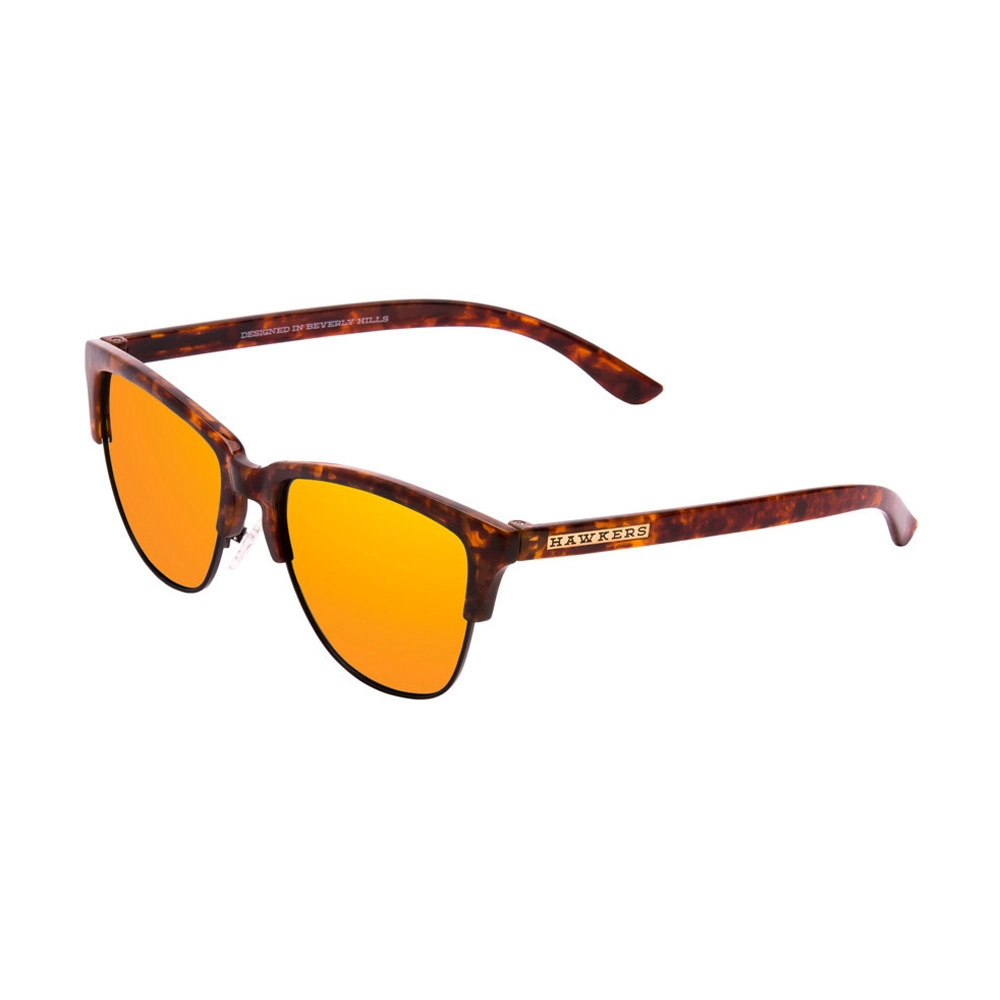
Vintage Browline Polarized Sunglasses | Wholesale OEM Custom Frames
As a leading wholesale sunglasses supplier, Karuson presents these flagship Retro Half-Frame Sunglasses, blending mid-century vintage aesthetics with modern manufacturing precision. Designed for diverse fashion markets, these frames feature a high-quality tortoise-shell finish paired with a robust metal lower rim, ensuring a sophisticated look that transcends seasonal trends.
Get in touch with us
If you have any comments or good suggestions, please leave us a message; later our professional staff will contact you as soon as possible.
NEW DIMENSIONS IN EYEWEAR
Contact KARUSON
Email:
WhatsApp/Phone:
Address:
331 Section B, WanJia Creative Park , No. 1 BUXIA Road ,Tianhe District, Guangzhou City, Guangdong Province, China.

© 2026 KARUSON. All Rights Reserved.
Facebook
Instagram
YouTube
TikTok
Linkedin