


What are the pros and cons of OEM vs ODM eyewear factories?
- 1) Who owns molds, toolings and design IP in OEM vs ODM eyewear factories, and how do I legally protect my designs?
- 2) For a small-batch OEM order (300–1,000 pairs), what is the realistic total landed cost per frame once tooling amortization, QC rejects, packaging and freight are included?
- 3) How do I set measurable AQL, tolerances and KPIs with an eyewear factory so quality slips don't happen after the first shipments?
- 4) Which lab tests should I require for lenses and frames for EU and US markets (and what do results mean) — UV, impact, nickel release, optical power, etc.?
- 5) After approving samples, how do OEM vs ODM factories handle design changes (material, color, hinge type) and what are realistic costs and lead times for revisions?
- 6) How do I evaluate an eyewear factory's ability to scale from prototyping to 100k+ annual units while keeping per-unit costs and quality stable?
- Short practical checklist for first contact with any eyewear factory (OEM or ODM)
Eyewear Factory: 6 Underserved OEM vs ODM Questions Every Buyer Asks
This article answers six concrete, buyer-centric questions that beginners frequently ask but rarely find deep, up-to-date answers for online. We cover intellectual property and contracts, realistic costing including tooling amortization, measurable quality control (AQL) and KPI setup, mandatory lab tests for major markets (EU/US), how factories manage post-sample changes, and how to select a partner that can scale to 100k+ units while keeping quality and unit cost under control. Throughout, terms like eyewear factory, OEM eyewear, ODM eyewear, frames, lenses, tooling, MOQ, and quality control are used naturally to help procurement decisions.
1) Who owns molds, toolings and design IP in OEM vs ODM eyewear factories, and how do I legally protect my designs?
Why this matters: Many buyers assume their design is protected once a factory produces it. In practice, ownership depends on contract clauses, who paid for tooling, and jurisdiction. This is both a legal and a practical sourcing risk.
Actionable answer:
- Ownership by default: If the factory invests and pays for tooling and design development, legally the factory often retains the physical molds and may assert manufacturing rights unless the contract says otherwise.
- OEM vs ODM practical difference: With OEM (you supply finished specs and artwork), it’s easier to claim IP because you provided the design. With ODM (factory proposes/designs), the factory often expects to reuse base shapes/techniques—so clarify reuse rights upfront.
- Contract elements to include: explicit ownership clauses for IP and molds; assignment of copyright/design rights; non-use/non-manufacture clauses after a set exclusivity period; clear payment structure (e.g., ‘tooling paid by buyer => tooling is property of buyer’); territory and channel limitations; penalties for breach.
- Technical protections: require handover of CAD, tech pack, and original master mold parameters on final payment; include clause requiring destruction or return of tooling on termination (with independent verification).
- Operational controls: register key designs where relevant (design patents or registered design in target markets) before sending detailed files to factories; use NDAs that are regionally enforceable and time-limited but pair them with contract clauses covering remedies.
- Practical compromise: consider paying a tooling deposit and amortizing it across MOQ, with a clause that full ownership transfers after final payment and confirmation of tooling serial numbers and photos.
2) For a small-batch OEM order (300–1,000 pairs), what is the realistic total landed cost per frame once tooling amortization, QC rejects, packaging and freight are included?
Why this matters: Buyers often see piece price but underestimate the true per-unit cost for small runs because tooling and overheads inflate unit economics.
Actionable answer and cost model:
Breakdown approach you can apply (use your real quotes to plug numbers):
- Direct unit price (factory ex-works): typical ranges depend on material and complexity — TR90/plastic frames $2.5–$8; acetate $6–$25; metal $4–$20 per pair (varies by features such as plating or laser engraving).
- Tooling amortization: injection or hinge molds often range from roughly $800–$4,000 for simple tools, to $5,000+ for complex multi-cavity molds. For a small-batch order, amortize tooling across order quantity: e.g., $2,000 tooling / 500 pcs = $4 per unit.
- Sampling & adjustments: expect $50–$300 per sample set and at least one revision; include these costs in early projects.
- Reject rate & QC cost: use an estimated initial reject rate of 1–5% (improves over runs). Add inspection, rework, and scrap — budget ~0.5–2% of product cost, more for complex finishes.
- Packed unit cost: add packing, hangtags, instructions, and brand box — typical $0.3–$3 per unit depending on custom packaging quality.
- Freight and duties: air freight for small batches is ~US$5–$15 per pair depending on distance and weight; sea freight for larger orders lowers per-unit freight but adds lead time. Factor in customs duties (HS code for eyewear varies; sunglasses often 2–4% duty in many markets, plus VAT).
Example conservative calculation (mid-range acetate, 500 pcs):
- Factory unit price: $10
- Tooling amortization: $2,000 / 500 = $4
- Sampling & small revisions per unit: $1
- Packaging: $1
- QC and rejects allowance: $0.5
- Freight & duties average: $4
- Total landed per unit ≈ $20.5
Takeaway: For small batches, tooling and freight can double the simple ex-works piece price. Ask factories for a full landed-cost worksheet early and require line-item transparency on tooling, sampling, plating, and finishing charges.
3) How do I set measurable AQL, tolerances and KPIs with an eyewear factory so quality slips don't happen after the first shipments?
Why this matters: 'Good quality' is subjective. Without agreed metrics you’ll face disputes and returns. Specific, measurable KPIs avoid surprises.
Actionable answer and checklist:
- Use internationally recognized sampling plans: specify AQL per ISO 2859-1 (commonly AQL 2.5 for finished consumer goods). For critical wearable elements (hinge integrity, optical surface) consider AQL 1.0 or even 0.65.
- Set dimensional tolerances in the tech pack: e.g., temple length ±0.5 mm, lens width ±0.3 mm, bridge width ±0.3 mm. Use callouts for critical fit points (nose pad position, temple spring tension).
- Define cosmetic allowances: allowable minor scratches, plating pinholes, color shade delta (use Delta E thresholds for colored finishes — typically Delta E ≤ 3 for tight color match). Specify unacceptable defects with photos.
- Mechanical KPIs: hinge torque cycles (e.g., define acceptable open/close cycles or state 'no broken hinges in 10,000 cycles'), plating adhesion measured by salt spray or tape adhesion tests, and spring hinge life (cycles) targets.
- Optical KPIs for lenses: allowable prescription tolerance in diopters (spherical cylinder tolerance ±0.12 D is common target for finished lenses), centration tolerance in mm, and surface quality standards per ISO 8980 series (cite these standards in contract for lens optics).
- Inspection process: agree on pre-shipment inspection (PSI) steps, the AQL, and who pays for rework or replacement. Use third-party inspection agencies if needed (SGS, Bureau Veritas) and require photo/video evidence for each batch.
- Reporting cadence: require regular quality reports, AQL acceptance certificates, and monthly KPI dashboards (defect rates, scrap %, on-time delivery). Tie OTD and defect penalties into contract if critical.
4) Which lab tests should I require for lenses and frames for EU and US markets (and what do results mean) — UV, impact, nickel release, optical power, etc.?
Why this matters: Different markets require different compliance. Supplying a market without the right tests exposes you to recalls, fines, and brand damage.
Actionable answer — mandatory and recommended tests by market:
- EU (consumer sunglasses and non-prescription): require CE compliance with EN/ISO test standards — sunglasses filtering properties are commonly tested to ISO 12312-1 (solar protective eyewear). Also check REACH and nickel release (EN 1811) for metal parts that contact skin.
- US (consumer sunglasses and optical): while the US does not require CE, industry commonly uses ANSI standards: ANSI Z80.3 for transmittance requirements of sunglasses; ANSI Z87.1 applies to occupational/safety eyewear (impact resistance). For prescription lenses, ISO 8980 series or ANSI Z80.1 variants are used to verify optical quality.
- Impact & safety: for sports or safety lines, require impact testing per ANSI Z87.1 or EN166 depending on market.
- UV transmittance: lab reports should show UVA/UVB blocking percentages by wavelength and category classification for sunglasses (e.g., category 0–4 per ISO 12312-1). A true UV400 claim should be backed by spectrophotometer data showing blocking to 400 nm.
- Optical power and centration: for prescription or plano lenses, require diopter measurement tolerance and centration data; lens wavefront or surface irregularity tests per ISO 8980 may be relevant for High Quality optics.
- Chemical & material tests: chemical migration/nickel release tests (EN 1811), REACH SVHC screening, and plating thickness/adhesion tests (e.g., salt spray ASTM B117) for corrosion resistance. For colors and coatings, include abrasion and adhesion tests.
How to interpret results: require raw data (spectrophotometer curves, impact energy vs. failure result, diopter readings) rather than pass/fail labels. Use third-party labs for initial qualification and random checks during production. For CE/ANSI claims, keep the lab report and test lab accreditation (e.g., ISO 17025) in your file.
5) After approving samples, how do OEM vs ODM factories handle design changes (material, color, hinge type) and what are realistic costs and lead times for revisions?
Why this matters: Changes after sampling are common, but each change can trigger tooling updates, new color master batches, or even reapproval testing — each with time and cost impacts.
Actionable answer with expected timelines and cost drivers:
- Minor changes (color shade adjustments, pad softness, logo position): typically handled as revised samples. Cost: $25–$150 per revised sample. Lead time: 1–2 weeks for most factories if no tooling changes.
- Material changes (switch TR90 to acetate, or change metal alloy): may require different production lines, new tooling or jigs, and new lab tests. Cost: can be sample-level to several hundred dollars; lead time 2–6 weeks for qualification plus potential new test cycles.
- Hinge or mechanical changes: if existing molds and hinges are compatible, change may be low-cost. If a new metal die or injection mold is needed, expect tooling costs ranging from a few hundred to several thousand dollars. Lead times: new mold production 2–6 weeks depending on complexity and factory capacity.
- Plating/coating changes: may require process requalification, new plating baths or reels, and corrosion testing. Budget time for adhesion and corrosion tests (1–3 weeks) and possible pre-production runs to validate.
- Regulatory re-testing: If you change lens materials or key parameters that affect optical performance or UV properties, you may need to re-run ISO/ANSI tests. Add lab test time (1–3 weeks) and cost per test $100–$1,000 depending on test and lab.
- OEM vs ODM nuance: OEM factories typically implement change orders based on your specs — faster if they do not claim design ownership. ODM factories may require negotiation if changes affect their proprietary tooling or base designs.
Practical mitigation: define a change-order process in the contract with fixed lead-time windows, cost ceilings for standard revisions, and escalation paths. Maintain a small buffer stock of critical SKUs to absorb change delays during the first commercial run.
6) How do I evaluate an eyewear factory's ability to scale from prototyping to 100k+ annual units while keeping per-unit costs and quality stable?
Why this matters: A supplier who can do excellent samples may lack capacity, systems, or supply chain resilience to scale without quality degradation.
Actionable factory evaluation checklist (practical audit items):
- Production capacity & equipment: verify number of injection machines, acetate polishing lines, CNC mold centers, electroplating booths, lens edging/assembly equipment. Ask for historic max monthly output for similar SKUs.
- Workforce & training: check skilled labor for acetate processing, polishing, and hand-finishing. High-volume plants should also have automation for repetitive steps.
- Vertical integration vs supplier network: factories that control critical upstream processes (molding, plating, lens edging) reduce dependency risks and usually control cost better at scale.
- Quality management systems: look for ISO 9001 or documented QC workflows, incoming material controls, in-line inspection stations, and final AQL sign-off procedures. Ask for KPI history: rejection trends, OTD percentages, and corrective action records.
- Supply chain resilience: review alternate material sources for acetate blocks, metal alloys and lens blanks. Ask how they manage seasonality and what minimum lead-times suppliers impose on key raw materials.
- Traceability: batch/lot numbering and digital records for components and final goods are essential to manage recalls and quality trends at scale.
- Factory audits & social compliance: prefer factories with third-party audit history (BSCI/SMETA) and occupational safety records; large retailers require this for scale partnerships.
- Pilot ramp plan: require a documented ramp-up plan with checkpoints at 5k, 20k, 50k increments, with defined quality gates and cost reviews at each milestone.
Ask for references of brands they scaled for, and if possible, visit production lines or request a virtual video tour showing equipment IDs and batch flows. Use staged purchase orders tied to quality/volume gates to protect cash and quality.
Short practical checklist for first contact with any eyewear factory (OEM or ODM)
- Provide a clear tech pack with CAD, tolerances, material spec, and finish photos.
- Ask for tooling costs and ownership terms up front.
- Require lab test reports from ISO 17025-accredited labs for critical claims (UV400, impact, nickel release).
- Set AQL and list unacceptable defects with photos in the contract.
- Request a sample timeline and a costed change-order process.
- Verify factory capacity, certifications, and social compliance audits if you plan to scale.
KARUSON advantages
KARUSON (www.karusonco.com) offers end-to-end support across OEM and ODM projects: in-house prototyping and CAD to reduce iteration cycles, transparent tooling agreements with optional buyer ownership, assistance coordinating ISO/ANSI lab testing and third-party inspections, established QC workflows using ISO 2859-1 AQL sampling, and staged ramp-up plans for reliable scaling. KARUSON's multilingual customer service and procurement support help international brands manage compliance, packaging, and logistics while keeping total landed cost visible.
Contact KARUSON for a tailored quote and production plan: www.karusonco.com or nicole@karusonco.com. Reach out to get a detailed landed-cost worksheet and lead-time schedule for your project.
How to Choose the Best Material for Sports Sunglasses: TR90 vs. Carbon Fiber vs. Titanium
Why Sourcing from a China Eyewear Factory is the Strategic Choice for Global Brands
OEM vs. ODM: Which Partnership Model is Best for Your Eyewear Business?
2026 Eyewear Trend Forecast: Colors, Shapes, and Textures to Watch
About Products
How do you ensure product quality?
Full QC process, factory testing, and international certifications.
Do you support OEM/ODM?
Yes, our R&D and design teams support full customization.
What is the lead time?
Mass production takes [25-35]days; samples take [7-10] days.
What is the MOQ?
Usually ≥100, depending on the model.
About OEM&ODM
What is your production lead time?
Mass production generally takes 30–45 days after sample approval.
You May Also Like
High-Definition Visual Clarity: Premium CR-39 & Polycarbonate Lenses
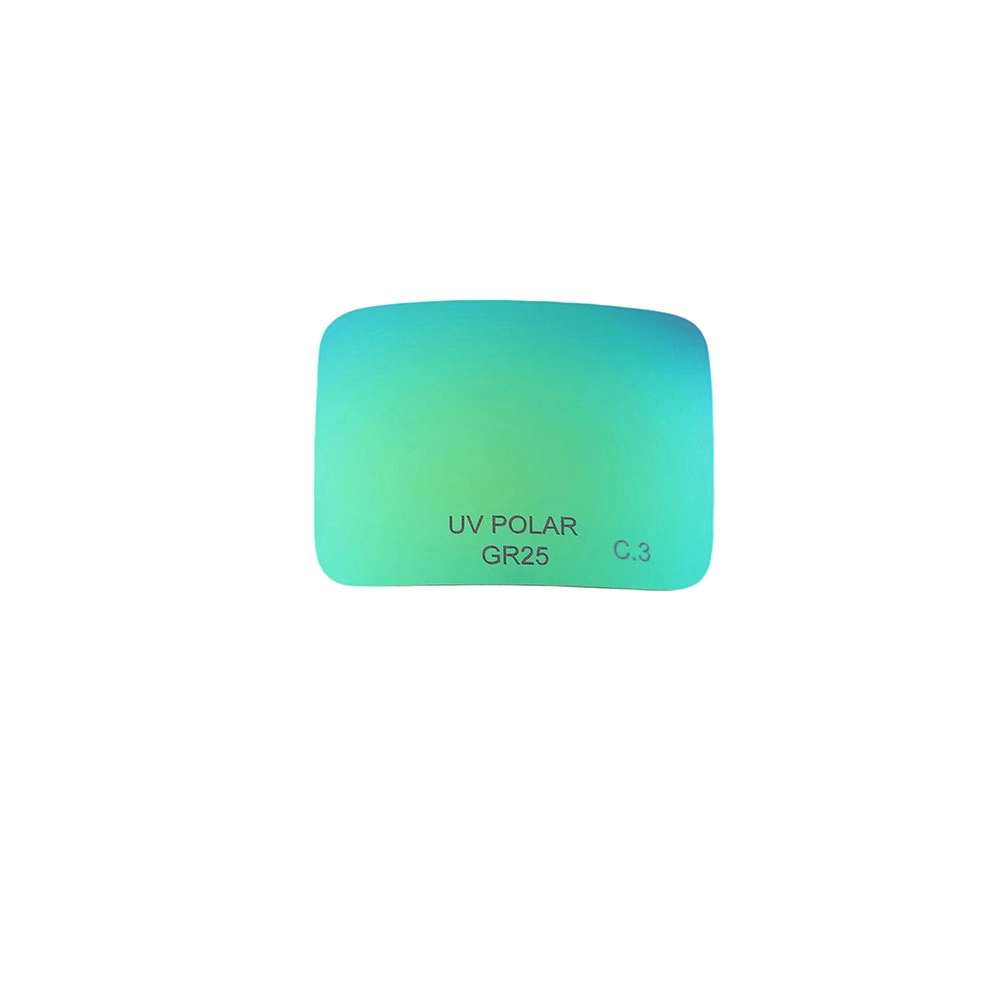
Experience the precision of a professional custom glasses lenses manufacturer. Karuson polarized lenses are engineered with a 99.9% high-polarization effect to provide unparalleled visual definition and glare reduction. By strategically absorbing reflected light through a high-stability PVA layer, our lenses are optimized for high-intensity outdoor environments, including maritime sailing, hunting, and alpine skiing. Furthermore, our specialized treatment ensures the lenses remain durable and distortion-free even in environments with high heat and humidity.
Why Quality Lenses are the Core of Your Eyewear Brand’s Reputation
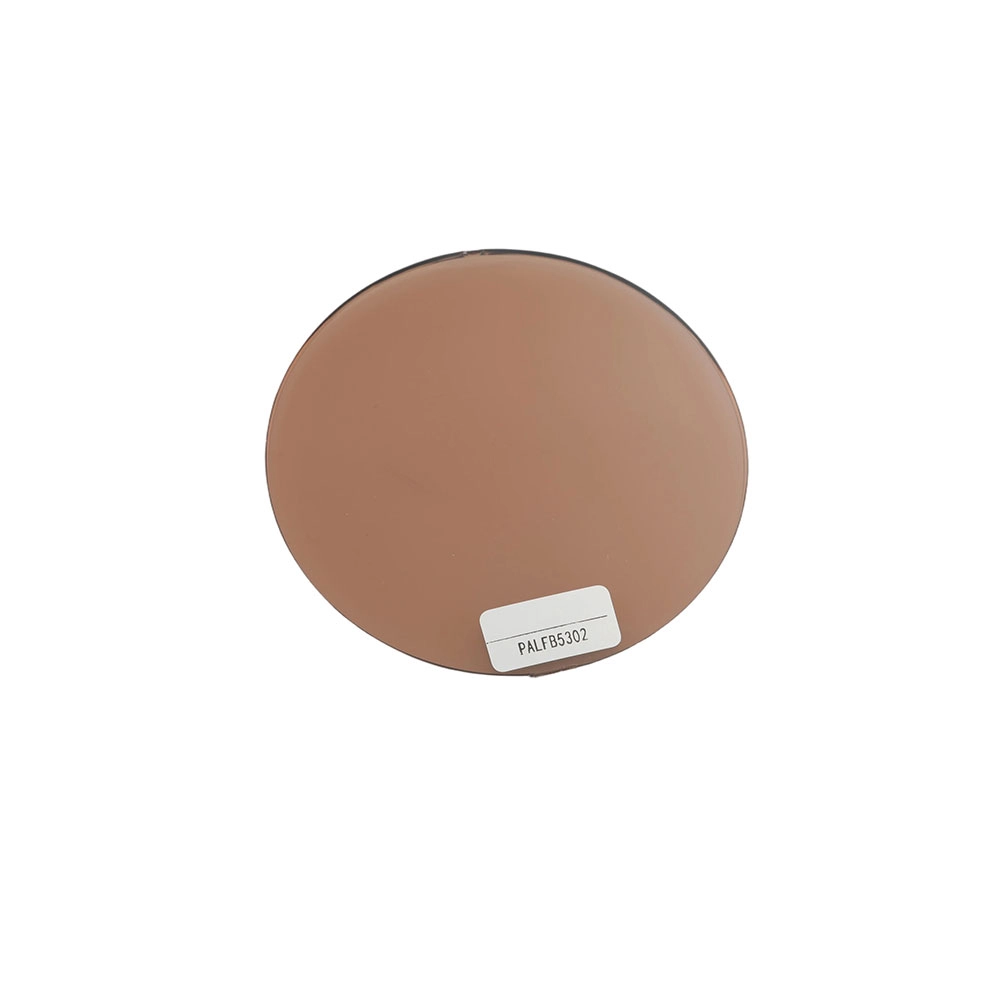
As a premier high-definition glasses lenses manufacturer, Karuson crafts high-quality Polyamide (PA) Nylon Tinted Lenses that represent the perfect synergy of ultra-lightweight performance and high-toughness durability. By integrating professional-grade tinting technology with advanced material science, we offer a lens solution that delivers exceptional optical clarity alongside vibrant, fashionable color expression. Designed for both daily commutes and trendy lifestyle matching, these lenses provide a comfortable and aesthetic visual experience, serving as a high-performance fashion accessory for the modern, style-conscious consumer.
Advanced Sunglasses Solutions: Polarized Lenses with Anti-Seawater Coating
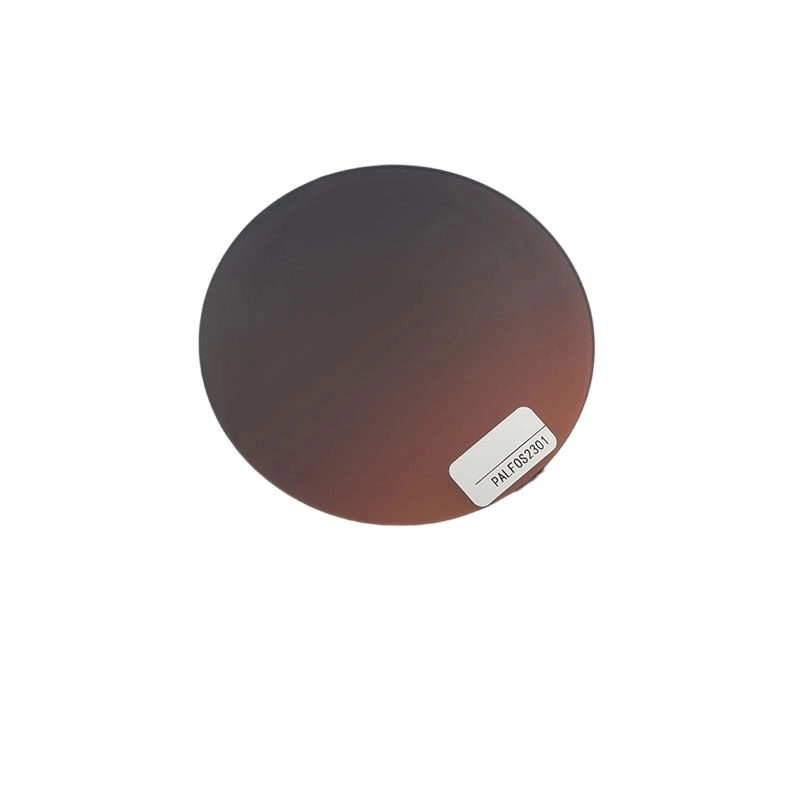
As a versatile photochromic lenses manufacturer and high-performance optics expert, Karuson crafts high-quality Polycarbonate (PC) Gradient Tinted Lenses that perfectly balance aesthetics with advanced protection. By fusing the ultra-lightweight and impact-resistant properties of PC material with precision gradient tinting technology, we deliver a durable visual solution that enhances clarity and comfort for urban lifestyles and outdoor sports. These lenses not only optimize visibility across varying light conditions by reducing glare but also offer a sleek, customizable design—allowing global brands to blend practical eye protection with a modern, fashion-forward accessory.
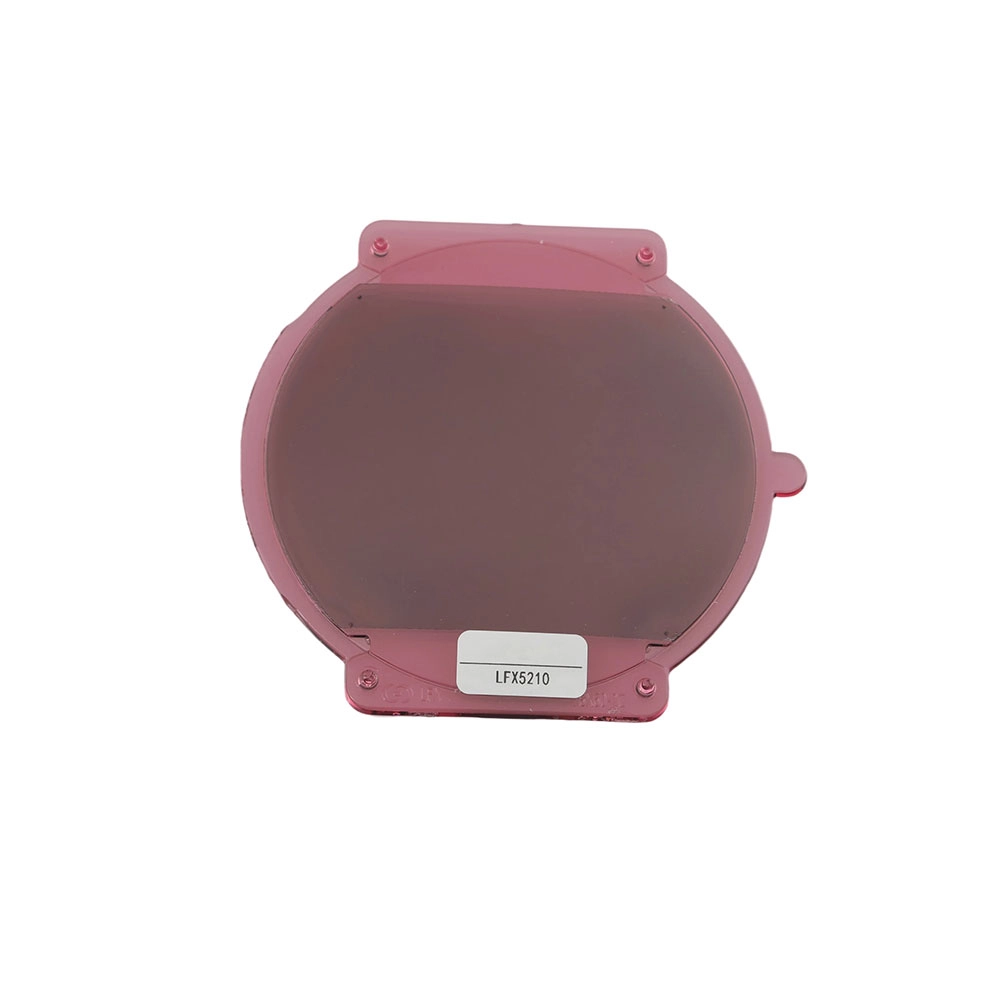
Upgrade Your Collection with Premium Lens Coatings & Finishes
As a leading lenses manufacturer, Karuson sets a new industry standard with our flagship-grade Polyamide (PA) Nylon polarized lenses. By seamlessly merging ultra-lightweight, high-toughness materials with precision polarizing technology, we deliver a high-definition visual solution that excels in durability and comfort. Optimized for high-intensity outdoor activities, professional driving, and competitive sports scenarios, these lenses redefine the performance benchmark for polarized optics, providing global brands with a truly elite-level product.
Get in touch with us
If you have any comments or good suggestions, please leave us a message; later our professional staff will contact you as soon as possible.
NEW DIMENSIONS IN EYEWEAR
Contact KARUSON
Email:
WhatsApp/Phone:
Address:
331 Section B, WanJia Creative Park , No. 1 BUXIA Road ,Tianhe District, Guangzhou City, Guangdong Province, China.

© 2026 KARUSON. All Rights Reserved.
Facebook
Instagram
YouTube
TikTok
Linkedin