


What packaging and labeling services for OEM sunglasses?
- 1. What labeling information and documentation do I need from the eyewear factory to prove ISO 12312-1 / ANSI compliance and to sell in EU/US markets?
- 2. How can I implement tamper-evident and anti‑counterfeit labeling on OEM sunglasses without breaking the unit-cost target?
- 3. What exact packaging and palletization specs (box strength, cushioning, pallet configuration) prevent frame warping or lens damage during sea freight?
- 4. How do I get custom retail boxes, printed hang tags and branded cases from an eyewear factory when my brand’s MOQ is small?
- 5. What serialization, batch coding and traceability features do professional eyewear factories offer for post‑sale recalls or warranty management?
- 6. Which labeling claims (polarized, UV400, CE) require lab reports or notified‑body approvals, and how long do these tests and certifications typically take?
- Conclusion: Advantages of choosing an experienced eyewear factory for OEM sunglasses packaging and labeling
Eyewear Factory: OEM Sunglasses Packaging & Labeling — 6 Expert Answers
This guide targets purchasing managers, brand founders and product developers who need clear, up-to-date answers about packaging and labeling services from an eyewear factory when producing OEM or private-label sunglasses. It embeds real standards, supply-chain best practices and actionable checklists used by factories and third‑party labs (ISO 12312-1, ANSI Z80.3, ISTA, SGS/Intertek testing, ECT ratings, serialization methods).
1. What labeling information and documentation do I need from the eyewear factory to prove ISO 12312-1 / ANSI compliance and to sell in EU/US markets?
Why this matters: Retailers and customs increasingly request hard documentation for UV and safety claims. Labels alone aren’t enough—you must tie claims to third‑party test reports and retain traceability.
Required items and documents (factory should provide or coordinate):
- Third‑party test reports for lenses: ISO 12312-1 (international sunglasses filter category and UV protection) and, where requested, ANSI Z80.3 for non-prescription sunglasses in the US. Major labs: SGS, Intertek, Bureau Veritas.
- Product technical data sheet (TDS) listing lens type (CR‑39, polycarbonate, high‑index, polarized), visible light transmission (VLT), UV400 or % UVA/UVB blocking, polarization test method, and coating details (hardcoat, anti‑reflective).
- Label copy and hang tag proofs showing required content: manufacturer/importer name, country of origin (required by customs), lens category (0–4) if claiming category, care instructions, and cautionary statements if applicable.
- Declaration of conformity (where applicable) or supplier letter tying the product to the test reports and production lot numbers.
- Traceability data: production batch/lot numbers, production date, and internal QC records (incoming materials, in‑line inspections, final inspection reports).
Action steps when ordering from an eyewear factory:
- Ask for existing test reports for the proposed lens model and material. If unavailable, contract a third‑party lab (factory can arrange) to run ISO 12312-1 and polarization tests.
- Require the factory to include the lot number and production date on packaging or inner labels for traceability.
- Get a written statement from the factory on conformity and maintain copies of all lab reports for at least 3–5 years (customs/retailer practice).
2. How can I implement tamper-evident and anti‑counterfeit labeling on OEM sunglasses without breaking the unit-cost target?
Pain point: Small brands worry about counterfeits and unauthorized resellers but fear added cost for anti‑counterfeit measures.
Cost-effective anti‑counterfeit options (tiered by cost):
- Tier 1 (low cost): Unique QR code stickers that link to a verification page and show scan history. QR labels can be printed on-roll and applied during packing; costs are minimal per unit.
- Tier 2 (moderate): Tamper-evident seals on inner polybags or boxes and holographic foil labels with microtext. These are applied during final packing and raise barrier to casual counterfeiting.
- Tier 3 (higher security): Laser-engraved serial numbers on the temple arm plus a matching serial on box and warranty card. Laser engraving is a one-time equipment setup added into the production line (per‑unit cost moderate).
Implementation checklist for your eyewear factory:
- Decide level of protection based on SKU price point and distribution risk (luxury vs mass market).
- Require the factory to keep a signed register of serial numbers and the cartons they were packed into (lot traceability).
- Ask for a sample pack with the chosen anti‑counterfeit element (QR + hologram + seal) before full run.
- Integrate verification URL into hang tag or packaging to turn anti‑counterfeit into a brand engagement tool (product registration, warranty).
3. What exact packaging and palletization specs (box strength, cushioning, pallet configuration) prevent frame warping or lens damage during sea freight?
Frames and lenses are vulnerable to pressure, humidity and prolonged stacking. Sea freight adds vibration, compression and potential water exposure.
Specifications commonly used by eyewear factories to protect product:
- Individual protection: Microfiber bag + inner rigid box or blister tray to hold frame shape. For acetate frames, a semi-rigid case reduces bending compared to soft pouches.
- Corrugated box specs: Use single-wall fiberboard for light SKUs, double-wall for heavier loads. Specify edge crush test (ECT) rating appropriate for shipping weight—ECT 32 for moderate loads, ECT 44 for heavier pallets or long sea legs.
- Cushioning & inserts: Custom foam or molded pulp trays to secure temple arms and prevent temple rotation. Use humidity-absorbing silica gel sachets for humid routes.
- Testing: Require an ISTA 3A or equivalent parcel drop test and a vibration test for pallet loads. Factories should provide pre-shipment photos of palletization and box construction.
- Palletization best practice: 4-way entry pallets, stack height under 1.2–1.5 meters for ocean freight, stretch-wrapped with corner protection. Label pallets with orientation arrows (this side up) and handling marks.
Action items for buyers:
- Request a packaging spec sheet from the factory (materials, ECT rating, cushioning, sample photos).
- Order a small container sample to simulate sea transit or run an ISTA test with the final retail pack.
- Ensure the factory includes desiccant and moisture‑barrier inner packaging if shipping to high‑humidity markets.
4. How do I get custom retail boxes, printed hang tags and branded cases from an eyewear factory when my brand’s MOQ is small?
Pain point: High setup and tooling costs for custom cases and full‑color printing often push small brands to generic packaging.
Strategies to lower costs and work with factory constraints:
- Use modular artwork: Keep a core structural dieline the factory already uses and apply custom printing (offset or digital) to a panel. This reduces new-tool costs.
- Digital print for short runs: Digital printing enables full‑color prints at lower MOQ compared with litho/offset. Ask the factory or its packaging vendor for digital print options and lead-times.
- Shared tooling / co‑packing: Some factories allow multiple brands to share a mold or case design (private label with shared tooling) — negotiate branding via hang tags, printed sleeves, or inner inserts.
- Starter packs: Order a pilot run of branded hang tags, microfiber pouches, and printed inserts while using a neutral case for initial sales; then scale to fully custom cases after validating demand.
Negotiation checklist:
- Ask the factory for the lowest practical MOQ per packaging component (printed box, case, pouch) and request price breaks at incremental tiers.
- Request amortized setup/tooling cost per unit and compare options: changeable inserts vs full‑mold case changes.
- Consider buying packaging components separately (local vendor) and sending to the factory for packing to avoid factory minimums on cases.
5. What serialization, batch coding and traceability features do professional eyewear factories offer for post‑sale recalls or warranty management?
Traceability is crucial for targeted recalls and warranty verification. Many online answers are generic; here are concrete factory-level features to require.
Traceability features to request:
- Lot and serial number application: Laser engraving on temple + matching sticker on inner box + backup record in factory ERP. Laser engraving is permanent and preferred for higher‑value SKUs.
- Batch coding on packaging: Human‑readable lot number, production date, and shift code printed on each master carton and on the printed inner label.
- Digital records: Factory should provide CSV or API export of production logs showing serial numbers vs. carton/pallet IDs and inspection results (incoming material checks, in‑process QC, final inspection).
- Warranty cards & registration: Include printed or digital warranty registration instructions with a QR linking to the brand’s registration portal; map serial to customer registrations for faster support.
- Retention period: Ask the factory to retain production and QC records for a minimum period (commonly 2–5 years) and to commit in writing as part of the contract.
How to operationalize with your eyewear factory:
- Specify the serialization scheme up front (example format: YYYYMMDD‑LINE‑LOT‑SEQ) and require samples of laser-engraved temples and printed carton codes.
- Require the factory to run a barcode/QR decode test on the production line so codes remain readable after packing and transit.
- Include traceability KPIs in the purchase contract (records delivery time, format, data fields required).
6. Which labeling claims (polarized, UV400, CE) require lab reports or notified‑body approvals, and how long do these tests and certifications typically take?
Pain point: Brands sometimes claim features without the paperwork; this risks returns, regulatory action, or retailer rejection.
Claims and required evidence:
- Polarized: Requires objective laboratory polarization tests (transmittance and polarization efficiency). Labs like SGS or Intertek typically run polarization/optical tests; sample turnaround is commonly 1–2 weeks depending on lab backlog.
- UV400 / UV protection: Backed by UV transmission testing per ISO 12312-1. Expect 1–3 weeks for testing and a signed test report.
- CE marking: CE is applicable when sunglasses are marketed as personal protective equipment (PPE) or if harmonized standards apply. For CE where applicable, either a supplier declaration of conformity or involvement of a notified body may be required depending on scope—timeline varies from a few weeks to months if testing or a conformity assessment is needed.
- Material and chemical claims (hypoallergenic, nickel release): May require separate EN or REACH-related testing. Nickel release tests follow EN 1811; REACH compliance requires material supplier documentation and SDS.
Typical timelines and tips:
- Turnaround: Standard lab tests often take 7–21 calendar days. Rush options may be available at High Quality cost.
- Pre‑testing: Ask the factory to pre-test a small batch before the full production run to avoid rework and delays.
- Documentation chain: Ensure the lab report references the exact SKU (frame code, lens code, batch). Generic reports on similar materials are weaker evidence to regulators and large retailers.
Operational checklist:
- Build testing windows into your lead time (samples → lab test → report → production signoff).
- Require the factory to keep a tested sample from each lot for future comparison.
- For EU/UK distribution, confirm whether CE or UKCA applies to your product and ask the factory if the product is intended or suitable for PPE classification.
Conclusion: Advantages of choosing an experienced eyewear factory for OEM sunglasses packaging and labeling
Partnering with an experienced eyewear factory delivers compliance-ready labeling, tested lens performance, and supply-chain traceability that protect KARUSON and customers. Advantages include access to third‑party testing (ISO 12312-1, ANSI), packaging engineering for sea freight (ECT-rated corrugate, ISTA testing), scalable anti‑counterfeit options (QR verification, laser serialization), flexible small‑run packaging solutions (digital printing, modular dielines), and robust batch coding and ERP traceability to manage recalls or warranties. These capabilities reduce retailer friction, lower damage/returns, and provide defensible product claims.
If you need a customized packaging spec, a test coordination plan with SGS/Intertek, or a quote for OEM sunglasses (private label, polarized lenses, acetate or TR90 frames), contact us and we’ll prepare a detailed quotation and timeline. Visit www.karusonco.com or email nicole@karusonco.com for a quote.
TR90 vs Carbon Fiber vs Titanium Sports Sunglasses | OEM Frame Guide
Why Sourcing from a China Eyewear Factory is the Strategic Choice for Global Brands
OEM vs. ODM: Which Partnership Model is Best for Your Eyewear Business?
2026 Eyewear Trend Forecast: Colors, Shapes, and Textures to Watch
About Products
How do you ensure product quality?
Full QC process, factory testing, and international certifications.
What is the MOQ?
Usually ≥100, depending on the model.
What is the lead time?
Mass production takes [25-35]days; samples take [7-10] days.
About OEM&ODM
What is your production lead time?
Mass production generally takes 30–45 days after sample approval.
Do you support OEM and ODM?
Yes—we offer both contract manufacturing (OEM) and full product development services (ODM).
You May Also Like
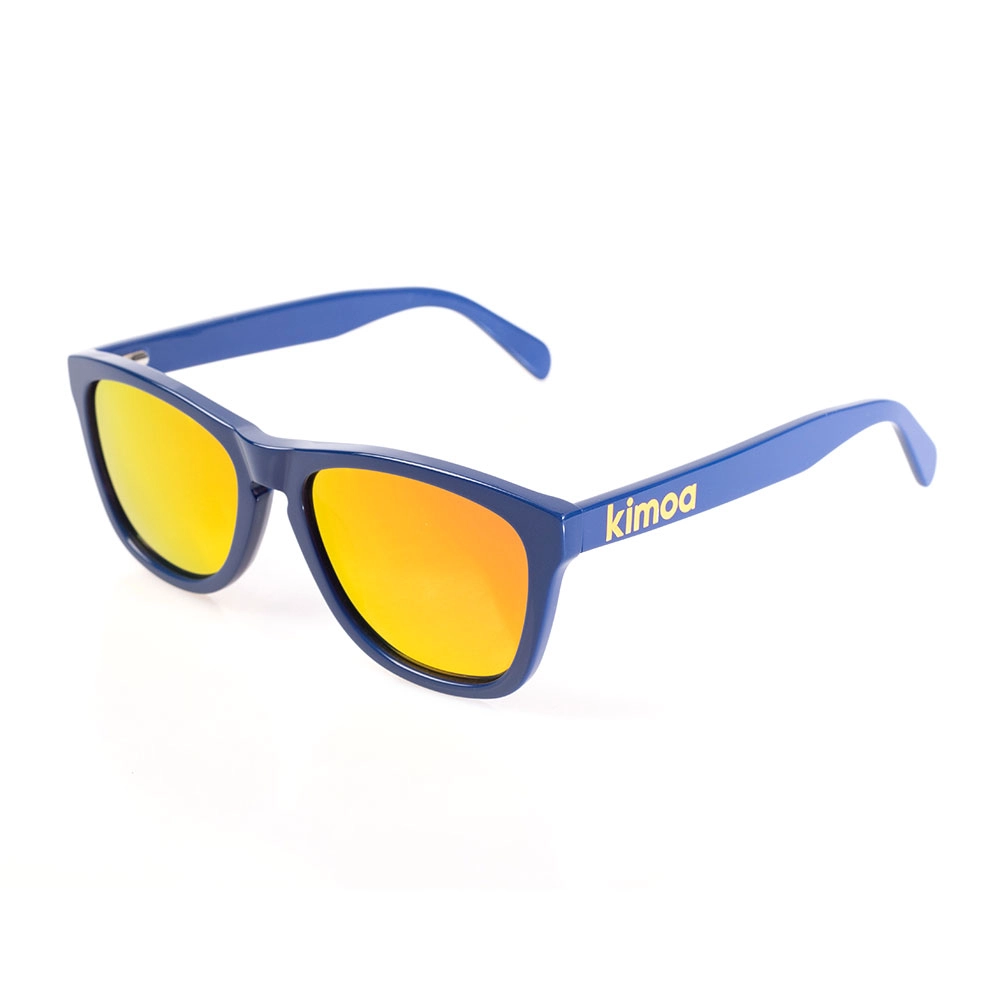
Trendy Blue Frame Sunglasses | Customizable OEM Performance Eyewear
These eco-friendly bio-acetate sunglasses combine high-performance durability with sustainable innovation, making them the perfect centerpiece for your private label eyewear collection. Engineered for longevity, the frames offer superior impact and scratch resistance, while the UV400 lenses provide essential protection against harmful rays and glare. Available in a spectrum of vibrant, customizable colors, this collection allows eco-conscious brands to offer a premium, lightweight, and stylish choice that refuses to compromise on safety or aesthetics.

Classic Square Polarized Sunglasses | High-Performance OEM Eyewear
As a premier oem sunglasses manufacturer, Karuson presents this essential Square Frame series—a staple for any eyewear brand’s core collection. These sunglasses feature a timeless matte black finish and are equipped with vibrant green REVO mirrored lenses, offering a perfect blend of modern tech aesthetics and professional-grade eye protection.
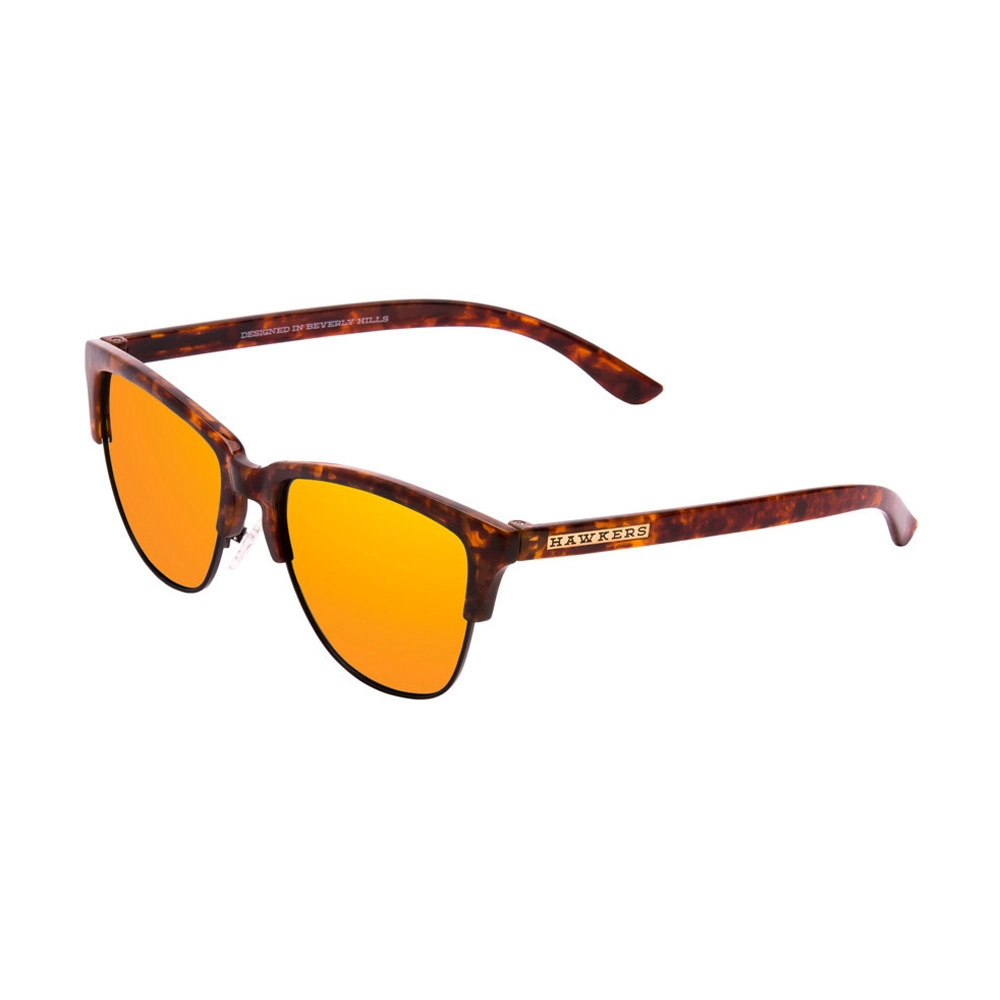
Vintage Browline Polarized Sunglasses | Wholesale OEM Custom Frames
As a leading wholesale sunglasses supplier, Karuson presents these flagship Retro Half-Frame Sunglasses, blending mid-century vintage aesthetics with modern manufacturing precision. Designed for diverse fashion markets, these frames feature a high-quality tortoise-shell finish paired with a robust metal lower rim, ensuring a sophisticated look that transcends seasonal trends.

Two-Tone Lightweight Eyeglasses | Custom Optical Frames for Brands
As a specialist in custom eyewear manufacturing, Karuson presents this flagship series of ultra-lightweight metal optical frames. Blending a sophisticated geometric silhouette with a minimalist two-tone finish, these frames are designed to meet the aesthetic demands of the modern urban professional while providing the structural integrity required for high-index prescription lenses.
Get in touch with us
If you have any comments or good suggestions, please leave us a message; later our professional staff will contact you as soon as possible.
NEW DIMENSIONS IN EYEWEAR
Contact KARUSON
Email:
WhatsApp/Phone:
Address:
331 Section B, WanJia Creative Park , No. 1 BUXIA Road ,Tianhe District, Guangzhou City, Guangdong Province, China.

© 2026 KARUSON. All Rights Reserved.
Facebook
Instagram
YouTube
TikTok
Linkedin