


What packaging and labeling options do eyewear factories offer?
- 1) How can I verify anti‑counterfeit packaging (QR, NFC, hologram) from an eyewear factory — what integration steps, costs drivers and lead times should I expect?
- 2) What are realistic MOQs and precise artwork file requirements for custom printed gift boxes, inner trays and labels at eyewear factories?
- 3) Which sustainable packaging materials do eyewear factories actually certify (FSC, rPET, compostable), and what are the protection trade‑offs during shipping?
- 4) How should I specify labeling to meet CE/UKCA, ANSI/EN166 compliance and customs/import rules for prescription, sunglasses and safety eyewear?
- 5) What tamper‑evident and retail‑ready formats do eyewear factories produce for DTC vs wholesale, and how do these choices affect fulfillment costs?
- 6) How can I implement batch traceability and recall‑ready labeling (serialization, GS1 barcodes, batch codes) without materially increasing unit cost?
What Packaging and Labeling Options Do Eyewear Factories Offer? Practical, Purchase-Ready Answers
As an experienced eyewear factory consultant with OEM/private‑label and supply‑chain expertise, I answer six specific buyer pain points that are often treated superficially online. This guide embeds real production, compliance and fulfillment considerations (EN/ANSI markings, GS1 barcodes, ISTA shipping tests, FSC/recycled materials, NFC/QR anti‑counterfeit options, dieline/artwork standards) so you can brief suppliers and get accurate quotes.
1) How can I verify anti‑counterfeit packaging (QR, NFC, hologram) from an eyewear factory — what integration steps, costs drivers and lead times should I expect?
Why this matters: Brands lose revenue and trust to fakes. Many factories quote anti‑counterfeit features without explaining lifecycle cost, logistics or integration with your sales/CRM systems.
Key verification & integration steps:
- Choose the authentication level: unit‑level serialization (every product has unique code), batch‑level codes, or tamper‑evident seals. Unit‑level is strongest but adds complexity.
- Technology options: printed QR/2D codes, tamper‑evident hologram stickers, NFC/RFID inlays or laser‑engraved serials. Combine two tiers (visible QR + hidden NFC) for better deterrence.
- Data infrastructure: require the factory to provide an exportable production log (CSV/JSON) with serial/batch codes mapped to ship dates and carton numbers. For scalable systems, insist on API or SFTP delivery so your CRM/ERP can validate codes in real time.
- Testing: request a pilot run (minimum sample pack) and validate code readability across retail scanners, smartphones and NFC readers. Confirm code permanence under UV, abrasion and cleaning solvents used in eyewear care.
Cost drivers to discuss with the factory (so you avoid surprises):
- Per‑unit hardware (NFC chips, printed validations) vs printable labels.
- Engineering for insertion (if embedding NFC in a case or hinge area) vs applying stickers during packing.
- Software/integration: one‑time setup vs monthly verification service fees.
- Traceability documentation: whether the factory provides scanned acceptance reports and serialized packing lists.
Typical lead time considerations: adding printed QR codes to packaging usually adds minimal lead time if done onshore or with digital print. Embedding NFC or ordering custom holograms will require additional procurement time — plan this into your product timeline and ask the factory for a Gantt showing tooling, approvals and shipment milestones.
2) What are realistic MOQs and precise artwork file requirements for custom printed gift boxes, inner trays and labels at eyewear factories?
Why this matters: Misunderstanding MOQs and artwork standards causes delays, extra tooling fees and color mismatch.
MOQ guidance (what to confirm with your supplier):
- Digital printing vs flexo/offset: digital printing tolerates lower MOQs and faster proofs; offset/flexo is more cost‑effective at higher volumes but typically requires larger MOQs and plates/tooling.
- Small run options: ask if the factory or their packaging partner offers digital short runs for 50–500 units to validate artwork and dieline before committing to larger orders.
- Tooling: custom rigid boxes, embossing/debossing dies, and inner foam inserts commonly incur one‑time tooling fees — get these written into the quote and ask how many runs the tooling is rated for.
Artwork/file requirements you must deliver:
- Final dielines in vector format (AI, PDF) with flattened cutlines and separate layers for print vs varnish/hologram/foil.
- All artwork in CMYK (or specified Pantone for spot color). Provide Pantone references if color matching is critical.
- High‑resolution raster images at 300 dpi or greater; outline fonts; 3–5 mm bleed depending on dieline; safe area margins called out.
- Separate files for print effects: varnish (UV/spot), emboss/deboss, metallic foil. Include a finish spec sheet (matte/lustre/gloss) and physical sample if you require a specific tactile finish.
- Proofing: insist on a hard‑copy press proof or calibrated digital proof before mass run and require the factory to produce color proof sign‑off in writing.
3) Which sustainable packaging materials do eyewear factories actually certify (FSC, rPET, compostable), and what are the protection trade‑offs during shipping?
Why this matters: Many brands want sustainable packaging but find recycled/compostable materials underperform on protection, printing quality or shipping resilience.
Common certified materials and their practical properties:
- FSC‑certified paperboard / recycled paperboard: good printability and structure for folding cartons and gift boxes. Varnish/coating options must be compatible with recyclability claims.
- molded pulp (FSC or recycled): strong for interior supports and cushion, fully recyclable/compostable in many regions, but surface finish is rougher (limited high‑gloss printing).
- rPET / PCR plastics: strong moisture resistance and High Quality appearance; recyclable where collection exists. Not compostable.
- PLA and industrially compostable films: suitable for pouches but sensitive to heat and long transit; verify collection/composting availability in your market before claiming end‑of‑life benefits.
Protection trade‑offs and recommendations:
- If you replace plastic blister or foam with molded pulp, add a thin inner wrap (recycled tissue) to protect finishes and printed logos from abrasion.
- For DTC channels where parcel drop and percussion are common, specify ISTA or comparable drop tests and ask the factory to provide test reports when recommending material changes.
- Request documented chain‑of‑custody certifications (FSC, GRS, RCS) if you plan sustainability claims on marketing materials — do not rely on verbal assurances.
4) How should I specify labeling to meet CE/UKCA, ANSI/EN166 compliance and customs/import rules for prescription, sunglasses and safety eyewear?
Why this matters: Improper labeling can delay customs clearance, create noncompliance risk in the EU/UK/US, and expose brands to recalls.
Label elements to require from your eyewear factory:
- Manufacturer name and address (or EU/UK authorised representative where required), country of origin, and VC (lot/batch/serial) code for traceability.
- Conformity markings when applicable: CE or UKCA for applicable EU/UK requirements; reference specific standard numbers (eg EN166 for personal eye protection). For US safety eyewear, include ANSI Z87.1 designation if met.
- Lens/frame markings: safety standards require specific marks on lenses/frames (eg EN166 marking includes manufacturer’s commercial mark, optical class, etc.). Ask the factory for sample parts stamped per the standard and a declaration of conformity.
- Customs/HS data on shipping labels and inner packing: material composition, HS code for ophthalmic frames/sunglasses, weight, and net quantity to avoid customs delays. Provide a commercial invoice template to the factory during order confirmation.
- Care and warning labels: UV protection claims should be backed by spectral transmission reports; include recommended cleaning instructions and any necessary user warnings (eg not for direct solar viewing).
Verification steps: obtain copies of test reports and declarations of conformity (DOC) from accredited labs and verify that the factory’s sampling and marking process is reflected on the production records and packing lists.
5) What tamper‑evident and retail‑ready formats do eyewear factories produce for DTC vs wholesale, and how do these choices affect fulfillment costs?
Why this matters: Packaging that looks great in stores often increases pick/pack time and dimensional weight for DTC shipments. Conversely, DTC‑optimized packaging may not be shelf‑ready for big retailers.
Common retail and DTC formats:
- Retail shelf: clamshell/blister packs (hang‑sell), rigid printed boxes with display windows, and fully branded hard cases with barcode labels.
- DTC optimized: slim, collapsible gift boxes, printed mailer sleeves or fitted inserts to reduce void fill, microfiber pouch + flat hard case for lower volumetric weight in parcels.
- Tamper evidence options: shrink wrap with tear strip, tamper seal labels, or shrink sleeves around gift boxes. For higher value SKUs, internal tamper strips or serialized security seals provide stronger protection.
Fulfillment cost impacts and mitigation:
- Dimensional weight: avoid bulky molded cases for low‑cost SKUs. Use flat‑pack cases assembled at packing stage or collapsible rigid boxes to reduce volumetric charge.
- Assembly time: multi‑component kits (padded pouch, card, insert) increase labor costs. Negotiate kitting options at the factory (pre‑kitted) to reduce fulfillment house labor.
- Return handling: easy‑open tamper evidence can simplify returns inspection. For high return rates, design a packaging flow that allows easy resealing without degrading presentation.
6) How can I implement batch traceability and recall‑ready labeling (serialization, GS1 barcodes, batch codes) without materially increasing unit cost?
Why this matters: Buyers need recall readiness while keeping per‑unit cost competitive.
Cost‑efficient traceability roadmap:
- Start with batch codes and lot marking: thermal inkjet or laser‑etched lot/serial marks on inner temple or inner case during production is low incremental cost and provides basic traceability.
- Add GS1 compliant carton barcodes (GS1‑128) for master cartons for logistics and customs — required for many retailers and low cost to implement at carton labeling stage.
- Upgrade selectively to unit serialization + QR codes if you need consumer‑facing authentication. Use printable QR codes applied during packing rather than embedding electronics when unit cost is critical.
- Integrate data capture: require the factory to provide a production manifest that maps serial/batch numbers to pallet/carton numbers and shipping dates. A simple CSV export is sufficient for small brands and keeps IT costs low.
Operational tips to keep costs down:
- Negotiate traceability as part of the pack line scope rather than as an add‑on service; factories absorb incremental costs better when included in a standardized workflow.
- Use common barcode symbologies (EAN/UPC for retail, GS1‑128 for cartons) to avoid special scanner requirements for your downstream partners.
- Pilot with a single SKU and scale once your verification and returns processes are validated.
Conclusion — advantages of working with an experienced eyewear factory: An experienced OEM eyewear manufacturer will align packaging materials and labeling with product class (fashion, prescription, safety), region‑specific compliance (EN166, ANSI, CE/UKCA), and supply‑chain realities (MOQ, fulfillment dimensional cost, ISTA transport testing). They will provide certified material options (FSC, rPET), anti‑counterfeit integrations (QR, NFC, holograms) and practical traceability (batch codes, GS1 barcodes) while helping you minimize per‑unit cost through design for flat pack, pre‑kitting at source, and validated artwork workflows.
For a tailored quote, validation of compliance documentation or to review dielines and packaging proofs, contact us for a quote: www.karusonco.com Email: nicole@karusonco.com
How to Choose the Best Material for Sports Sunglasses: TR90 vs. Carbon Fiber vs. Titanium
Why Sourcing from a China Eyewear Factory is the Strategic Choice for Global Brands
OEM vs. ODM: Which Partnership Model is Best for Your Eyewear Business?
2026 Eyewear Trend Forecast: Colors, Shapes, and Textures to Watch
About Products
Do you support OEM/ODM?
Yes, our R&D and design teams support full customization.
What is the MOQ?
Usually ≥100, depending on the model.
About OEM&ODM
How do we start a project with Karuson?
Send us your product idea or requirements—our team will review, advise, and provide the best solution and quotation.
How long does it take to make samples?
Samples are typically completed within 7–15 working days if available molds are present.
What is your production lead time?
Mass production generally takes 30–45 days after sample approval.
You May Also Like
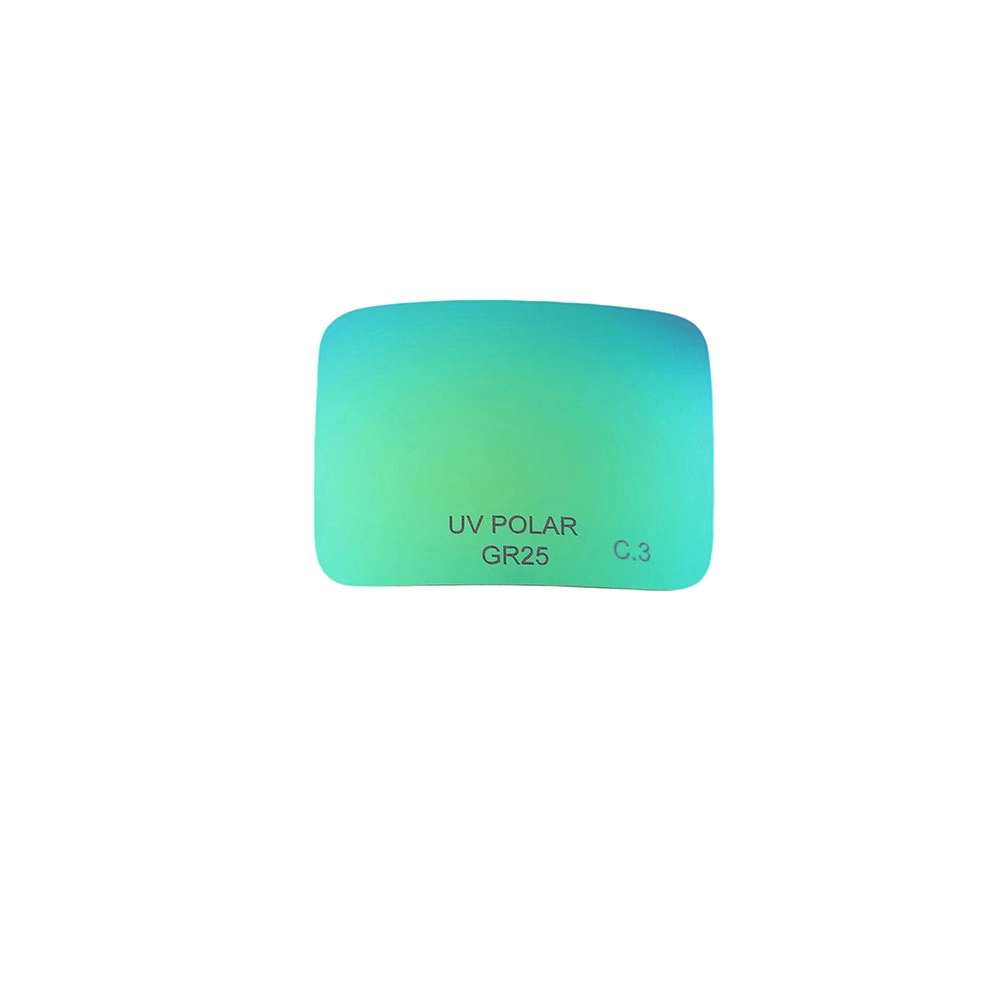
High-Definition Visual Clarity: Premium CR-39 & Polycarbonate Lenses
Experience the precision of a professional custom glasses lenses manufacturer. Karuson polarized lenses are engineered with a 99.9% high-polarization effect to provide unparalleled visual definition and glare reduction. By strategically absorbing reflected light through a high-stability PVA layer, our lenses are optimized for high-intensity outdoor environments, including maritime sailing, hunting, and alpine skiing. Furthermore, our specialized treatment ensures the lenses remain durable and distortion-free even in environments with high heat and humidity.
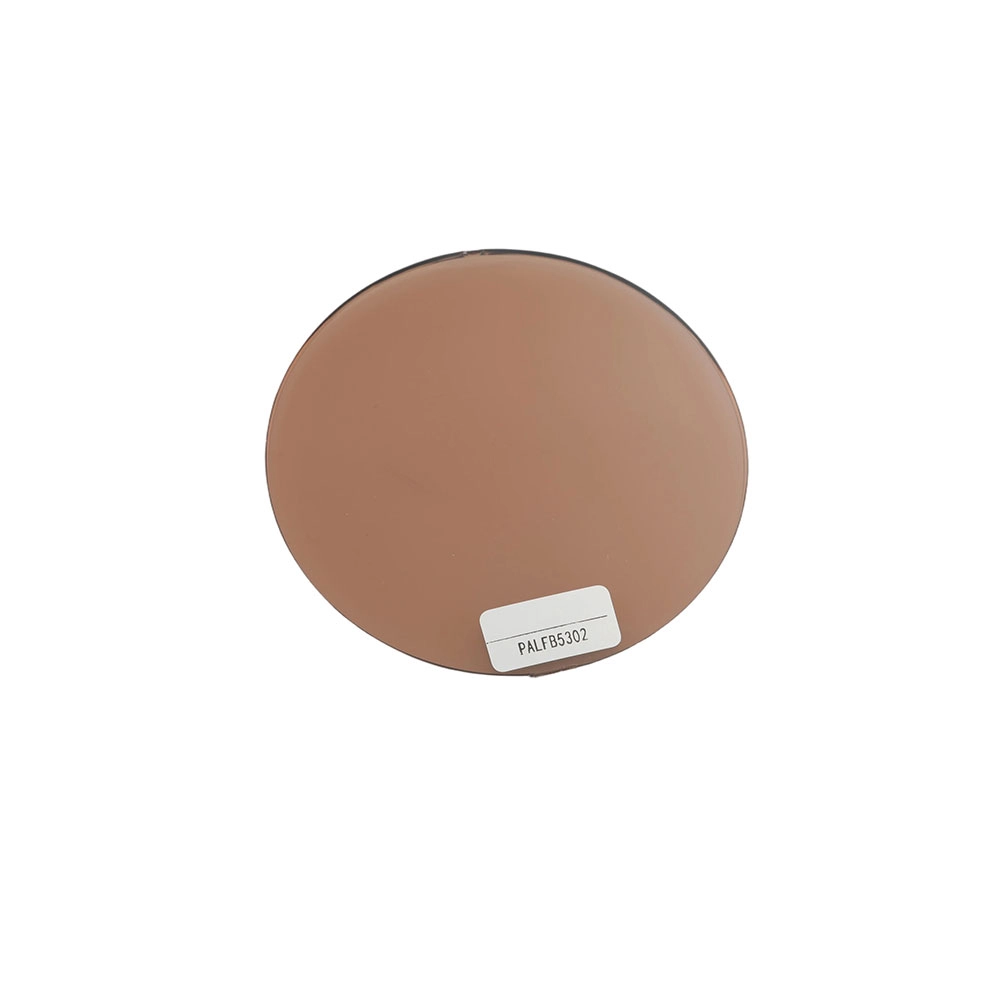
Why Quality Lenses are the Core of Your Eyewear Brand’s Reputation
As a premier high-definition glasses lenses manufacturer, Karuson crafts high-quality Polyamide (PA) Nylon Tinted Lenses that represent the perfect synergy of ultra-lightweight performance and high-toughness durability. By integrating professional-grade tinting technology with advanced material science, we offer a lens solution that delivers exceptional optical clarity alongside vibrant, fashionable color expression. Designed for both daily commutes and trendy lifestyle matching, these lenses provide a comfortable and aesthetic visual experience, serving as a high-performance fashion accessory for the modern, style-conscious consumer.
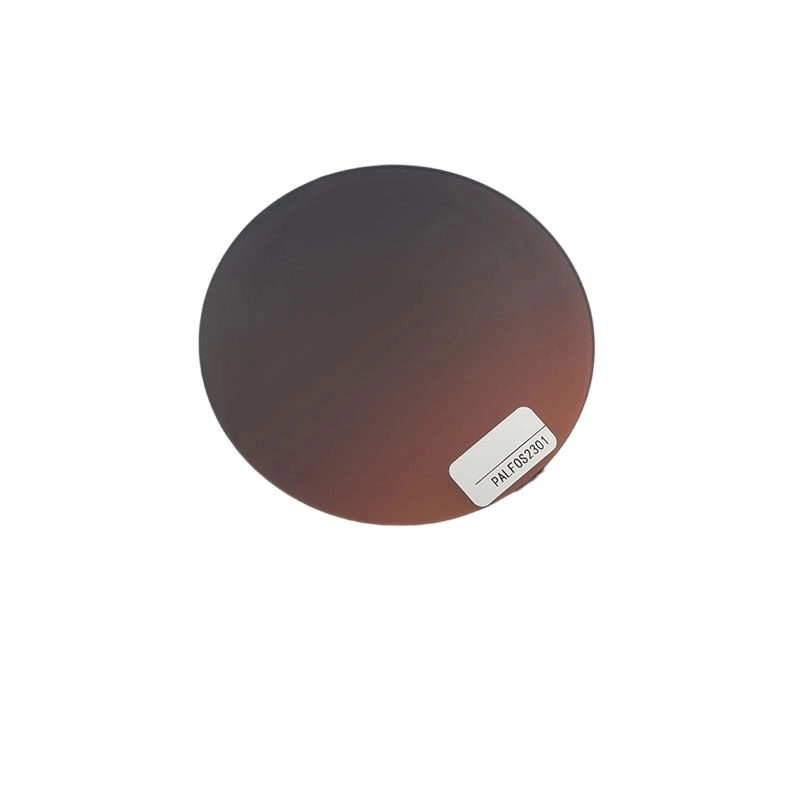
Advanced Sunglasses Solutions: Polarized Lenses with Anti-Seawater Coating
As a versatile photochromic lenses manufacturer and high-performance optics expert, Karuson crafts high-quality Polycarbonate (PC) Gradient Tinted Lenses that perfectly balance aesthetics with advanced protection. By fusing the ultra-lightweight and impact-resistant properties of PC material with precision gradient tinting technology, we deliver a durable visual solution that enhances clarity and comfort for urban lifestyles and outdoor sports. These lenses not only optimize visibility across varying light conditions by reducing glare but also offer a sleek, customizable design—allowing global brands to blend practical eye protection with a modern, fashion-forward accessory.
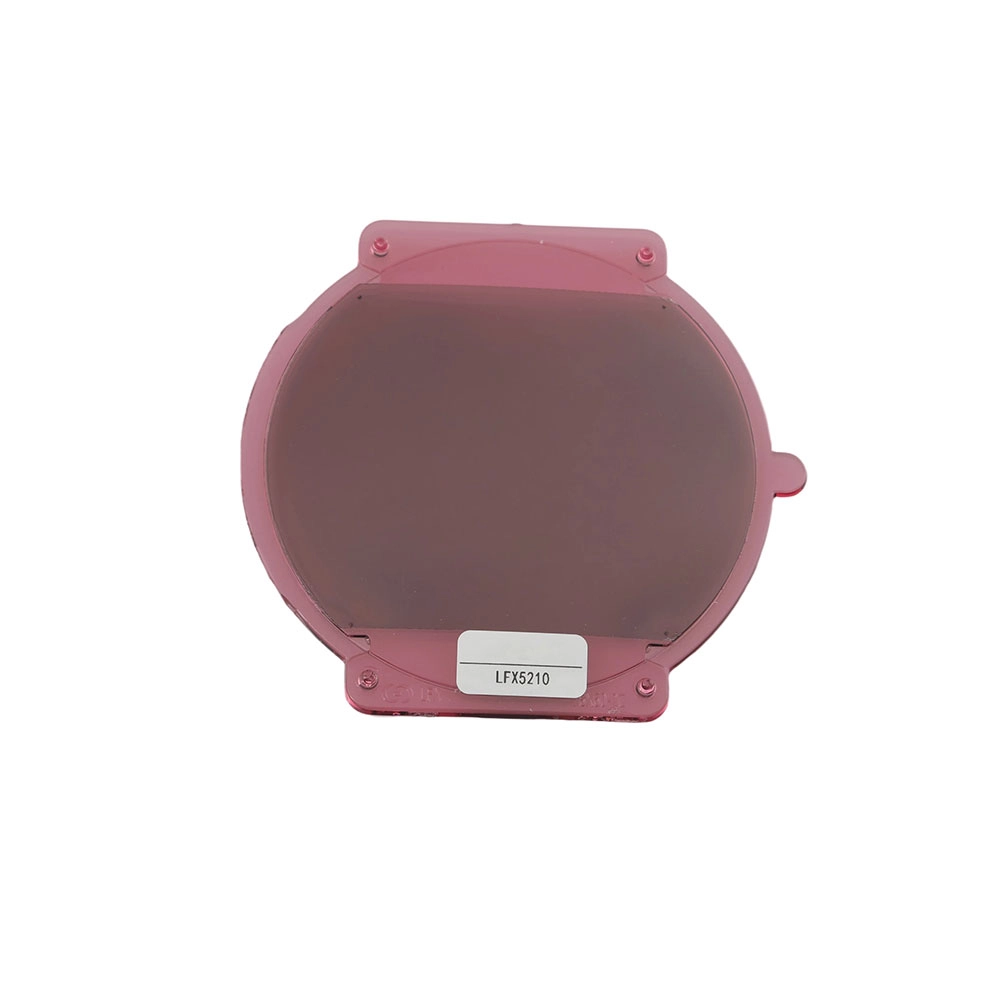
Upgrade Your Collection with Premium Lens Coatings & Finishes
As a leading lenses manufacturer, Karuson sets a new industry standard with our flagship-grade Polyamide (PA) Nylon polarized lenses. By seamlessly merging ultra-lightweight, high-toughness materials with precision polarizing technology, we deliver a high-definition visual solution that excels in durability and comfort. Optimized for high-intensity outdoor activities, professional driving, and competitive sports scenarios, these lenses redefine the performance benchmark for polarized optics, providing global brands with a truly elite-level product.
Get in touch with us
If you have any comments or good suggestions, please leave us a message; later our professional staff will contact you as soon as possible.
NEW DIMENSIONS IN EYEWEAR
Contact KARUSON
Email:
WhatsApp/Phone:
Address:
331 Section B, WanJia Creative Park , No. 1 BUXIA Road ,Tianhe District, Guangzhou City, Guangdong Province, China.

© 2026 KARUSON. All Rights Reserved.
Facebook
Instagram
YouTube
TikTok
Linkedin