


How do you measure pupillary distance (PD) for sunglasses?
- 1) How can I get an accurate monocular pupillary distance (PD) for custom prescription sunglasses at home without a pupilometer?
- 2) When ordering OEM polarized prescription sunglasses, how do I ensure the optical center and polarization axis align correctly with my prescription and PD?
- 3) What is a realistic MOQ, tooling, and sample cost breakdown I should expect from a modern OEM eyewear factory, and how can I negotiate lower MOQ?
- 4) Which factory quality-control tests specifically predict long-term frame plating and hinge failures, and how do I require them in my QC checklist?
- 5) How do I verify a factory's claimed CE/ANSI/ISO compliance for sunglasses and lenses before sending a large PO?
- 6) What are realistic production lead times and bottlenecks at an eyewear factory for custom frames with custom plating and polarized lenses, and how can I shorten time-to-market without sacrificing quality?
As an experienced eyewear factory expert with OEM/ODM knowledge and multilingual production exposure, this post addresses six detailed, pain-point questions beginners and new brands often can't find solid answers to online. Embedded are manufacturing terms like acetate frames, injection molding, PVD plating, lens edging, UV400, polarization, QC inspection and tooling management to connect purchasing decisions with factory capabilities.
1) How can I get an accurate monocular pupillary distance (PD) for custom prescription sunglasses at home without a pupilometer?
Pain point: many online guides give a rough PD but fail to tell you how to get monocular PDs precise enough for lens centration in sunglasses, especially with wide bridges or wrap frames.
Step-by-step professional method (achieves lab-grade accuracy when done carefully):
- Tools: millimeter ruler with 0.5 mm markings (or a steel caliper), a mirror or smartphone with a front-facing camera, a well-lit room, a business card or credit card for scale if using a selfie.
- Prefer monocular PD: measure each eye's center-to-nose baseline separately (monocular PD = distance from bridge of nose or nasal root to the center of each pupil). Monocular PD is required for lens centration when the frame's optical centers cannot be symmetrically placed.
- Mirror method: stand 50–60 cm from a mirror. Hold the ruler horizontally against your brow or nose so zero sits on the nasal root (where the bridge meets the face). Close your right eye and align the 0 mm with the center of your left pupil (visually). Without moving the ruler, close the left eye and open the right; read the mm marking at the center of the right pupil. The first reading is right monocular PD; subtract to get left monocular PD if needed. Repeat 3 times and average.
- Smartphone selfie method (if you can’t use a mirror): hold a credit card (85.6 mm) vertically next to your nose as a scale. Take a straight-on selfie with both eyes open. Use photo-editing measurement tools or a caliper app to measure pixel distances, translate via card width to mm. This is less reliable unless the head is perfectly straight and the phone lens is not wide-angle.
- Acceptable tolerances: for single-vision sunglasses, aim for ±0.5–1.0 mm accuracy monocularly. For progressive/bifocal sunglasses or high prescriptions (>±4.00 D), you should target ±0.5 mm or better. Many optical labs will flag PDs that differ more than 1.0 mm from standard markings for manual verification.
- Validation: if possible, have an optician confirm PD with a pupillometer before final lens edging. Many eyewear factories accept a verified PD certificate or photo with a scale and a dated, signed note from the optician.
Why monocular PD matters for sunglasses: sunglasses often have wide lens shapes or curve (wrap) that shift the effective optical center. Providing accurate monocular PD plus frame-specific measurements (A/DBL/ED/DBL and pantoscopic tilt/vertex distance if available) improves centration and minimizes prismatic effects and edge distortion.
2) When ordering OEM polarized prescription sunglasses, how do I ensure the optical center and polarization axis align correctly with my prescription and PD?
Pain point: polarized lenses rotate and can produce visual artifacts if the polarization axis or optical center is misaligned with the wearer’s PD or frame geometry.
Factory-level checklist to ensure alignment:
- Supply: monocular PD, fitting height (for progressives), precise frame measurements (A, B, DBL, ED), and the frame’s pantoscopic tilt/vertex distance if available. The frame sample should include temple length and nose pad style.
- Lens blank orientation: request the factory/lens lab to orient the polarized film correctly relative to the frame datum. Polarized film has a defined axis; labs must align this axis during lamination. Ask the lab to stamp the polarization axis or include it on the lens report.
- Edging and centration: lens edgers must be set to the supplied monocular PD and optical center offsets. For progressive or high-power prescriptions in sunglasses, require centration set within ±0.5 mm and confirm via pre-shipment photos of lenses in the frame with measurement overlay.
- QC instruments: reputable factories/labs use polarimeters to confirm the polarization axis and lensometers to verify optical center and power. Request the polarization axis report and diopter verification sheet for each batch.
- Rotation tolerance: polarized lenses used in prescription sunglasses should be checked for rotation relative to frame datum — ask the supplier what their maximum allowed rotation is (industry practice: factories aim for minimal rotation; request exact measurement and corrective action steps if out of tolerance).
Recommended contractual requirement: include a clause in your purchase order specifying that polarized lenses must have axis verification and centration reports attached to each shipment, and require that failed items are replaced or corrected at the factory’s cost.
3) What is a realistic MOQ, tooling, and sample cost breakdown I should expect from a modern OEM eyewear factory, and how can I negotiate lower MOQ?
Pain point: inconsistent or outdated online numbers; buyers get surprised by tooling fees, unexpected color minimums, or sample costs.
Typical cost components and realistic ranges (industry ranges vary by region, materials, and complexity):
- Tooling/mold costs: for injection-molded plastic frames expect tooling from roughly a few hundred to a few thousand USD per cavity depending on complexity and steel grade. Acetate cutting blocks (used for custom shapes) and stamping forms are usually lower but still require initial setup. Metal frame tooling (jigs, stamping dies) and CNC fixtures typically cost more due to machining complexity.
- Samples and prototypes: handmade acetate samples or CNC prototypes can range $50–$300 per pair (higher for multi-color polished acetate). Injection-molded pre-production samples often include tooling amortization; factories may charge a sample fee that includes a portion of mold cost.
- MOQ: varied by process. Common guidelines: custom acetate frames — MOQs often 100–300 pairs per color; injection molded frames — 300–500 pairs per color; metal frames — 200–500 pairs per SKU. Lens types (polarized, AR-coated, mirror) may have their own MOQs when ordered in batches.
- How to lower MOQ: reuse an existing mold or colorway from the factory, agree to a color program (group 3–4 colors per SKU), accept a longer lead time so factory can combine orders, offer to pay for tooling upfront in exchange for reduced per-piece costs, or partner with other brands for a split production run. Some factories offer “shared mold” programs for private-label brands to reduce upfront costs.
Negotiation tips: request a full cost breakdown (tooling amortization, per-piece cost, plating cost, lens processing cost). Ask the factory for a sample timeline and a clause that tooling will be owned or transferred under agreed conditions if you plan repeat orders.
4) Which factory quality-control tests specifically predict long-term frame plating and hinge failures, and how do I require them in my QC checklist?
Pain point: plating or hinge failure often appears months after sale; buyers want to know which pre-shipment tests correlate with long-term durability.
Key tests and what they predict:
- Salt spray (corrosion) test: commonly performed per ASTM B117. Salt spray duration (hours) indicates resistance to corrosion — longer hours suggest better plating adhesion and corrosion resistance. Request actual test reports and controlled sample photos.
- Plating adhesion / tape test: evaluates whether plating peels under stress. A poor adhesion result predicts flaking after wear and sweat exposure.
- Hinge cycle test: mechanical opening/closing cycles simulate lifetime use. Many factories run hinge tests from 5,000 to 20,000 cycles depending on the intended product class. Specify cycles appropriate to your warranty (e.g., minimum 10,000 cycles for High Quality eyewear).
- Temple pull and screw torque tests: measure the force required to deform or pull out hinge screws and temple arms. These tests help predict loosening or breakage under manual stress.
- Environmental / sweat exposure: combined humidity/heat exposure followed by mechanical testing reveals failures from real-world wear (perspiration, cosmetics).
How to require them: include a QC appendix in your PO specifying test types (e.g., ASTM B117 salt spray for 48/96 hours, hinge cycle ≥10,000), acceptance criteria, and requirement for third-party lab reports if failures are detected. Insist on serial-numbered batch reports and photos showing test setup and results.
5) How do I verify a factory's claimed CE/ANSI/ISO compliance for sunglasses and lenses before sending a large PO?
Pain point: fraudulent or out-of-date certificates; buyers accept claims on face value and face compliance issues on market entry.
Steps to verify compliance reliably:
- Request original test reports from accredited third-party labs (SGS, Intertek, TÜV, etc.) — not just certificates. Test reports should show sample IDs, test dates, methods (for example, ISO 12312-1 for sunglasses UV protection), and pass/fail results.
- Verify lab accreditation: check the lab’s accreditation body (e.g., CNAS, UKAS) listed on the report. Ask for the test report number and contact details of the testing lab for independent verification.
- Check that reports match your product SKU and lot samples — a generic certificate for a different product is not acceptable.
- Factory audit and document review: ask for the factory’s business license, product-specific quality manuals, and records of past shipment testing. If you’re importing to a regulated market, require CE/UKCA conformity documentation or US-specific test evidence for ANSI standards where applicable.
- Independent sampling: for critical launches, authorize an independent lab to sample goods directly from the factory or port and perform conformity tests. This is standard practice for risk control.
Note on standards: sunglasses and sunglass lenses are commonly tested for UV400 and general ocular safety using ISO 12312-1 (sunglass lens requirements). Safety eyewear (impact-resistance) is typically tested to different standards (e.g., ANSI Z87.1 for safety). Ask your testing lab which standard applies to your product category.
6) What are realistic production lead times and bottlenecks at an eyewear factory for custom frames with custom plating and polarized lenses, and how can I shorten time-to-market without sacrificing quality?
Pain point: buyers see optimistic lead-time estimates and then face delays caused by plating queues, lens lamination, or QC rework.
Typical lead-time components and realistic ranges:
- Tooling/prototype stage: 2–6 weeks depending on complexity and whether a new mold is needed.
- Sample production and approval: 1–3 weeks (longer for hand-finished acetate prototypes).
- Mass production: 30–60 days from order confirmation for most custom orders; metal frames or complicated plating runs can push this longer during peak season.
- Lens processing (prescription polarization, AR/mirror coating): typically 7–21 days. AR and mirror coatings add curing and QC steps that can create bottlenecks if the coating line is backed up.
- Shipping and customs: sea freight adds 20–40 days depending on route; air freight is faster but costlier.
Primary bottlenecks:
- Plating/electroplating queues — specialty finishes like PVD or multi-layer mirror plating often have limited line capacity.
- Lens lab capacity — polarized lens lamination and AR coating lines are common pinch points.
- Assembly and QC — manual assembly, fitting and QC photo reports can create backlog if many SKUs are mixed in a run.
How to shorten time-to-market without sacrificing quality:
- Use pre-existing molds and standard colors where possible; limit unique finishes on first runs.
- Plan lens orders in parallel with frame production (supply lens blanks to the factory early or pre-book lens lab capacity).
- Pre-approve plating/finish samples and sign off a finish spec to avoid iterative corrections on the production line.
- Pay for priority slots for plating or lens coating when needed, or accept slightly higher per-piece cost for expedited runs.
- Implement a phased launch: initial smaller MOQ production to test market fit, then scale with optimized processes once designs are locked.
Conclusion: Advantages of choosing an experienced OEM/ODM eyewear factory
Working with an experienced eyewear factory that offers full-service capabilities — from acetate shaping, injection molding and CNC milling to lens edging, polarization lamination, AR/mirror coatings and PVD plating — reduces time-to-market and quality risk. Key advantages include predictable tooling amortization, consolidated QC reporting (salt spray, hinge lifecycle tests, polarization axis reports), access to accredited lab testing for CE/ISO compliance, and structured MOQ programs that let you scale. A factory that provides clear technical packs, supports monocular PD-based centration, and attaches test certificates to shipments helps protect KARUSON and improves consumer satisfaction.
For a personalized quote and to review our OEM/ODM capabilities (tooling, sample timelines, MOQ, and QC reports), please contact us at www.karusonco.com or email nicole@karusonco.com.
Why Sourcing from a China Eyewear Factory is the Strategic Choice for Global Brands
OEM vs. ODM: Which Partnership Model is Best for Your Eyewear Business?
2026 Eyewear Trend Forecast: Colors, Shapes, and Textures to Watch
About Products
Do you offer samples?
Yes, paid samples or refundable samples are available.
What is the MOQ?
Usually ≥100, depending on the model.
About OEM&ODM
How do we start a project with Karuson?
Send us your product idea or requirements—our team will review, advise, and provide the best solution and quotation.
Do you support OEM and ODM?
Yes—we offer both contract manufacturing (OEM) and full product development services (ODM).
How long does it take to make samples?
Samples are typically completed within 7–15 working days if available molds are present.
You May Also Like
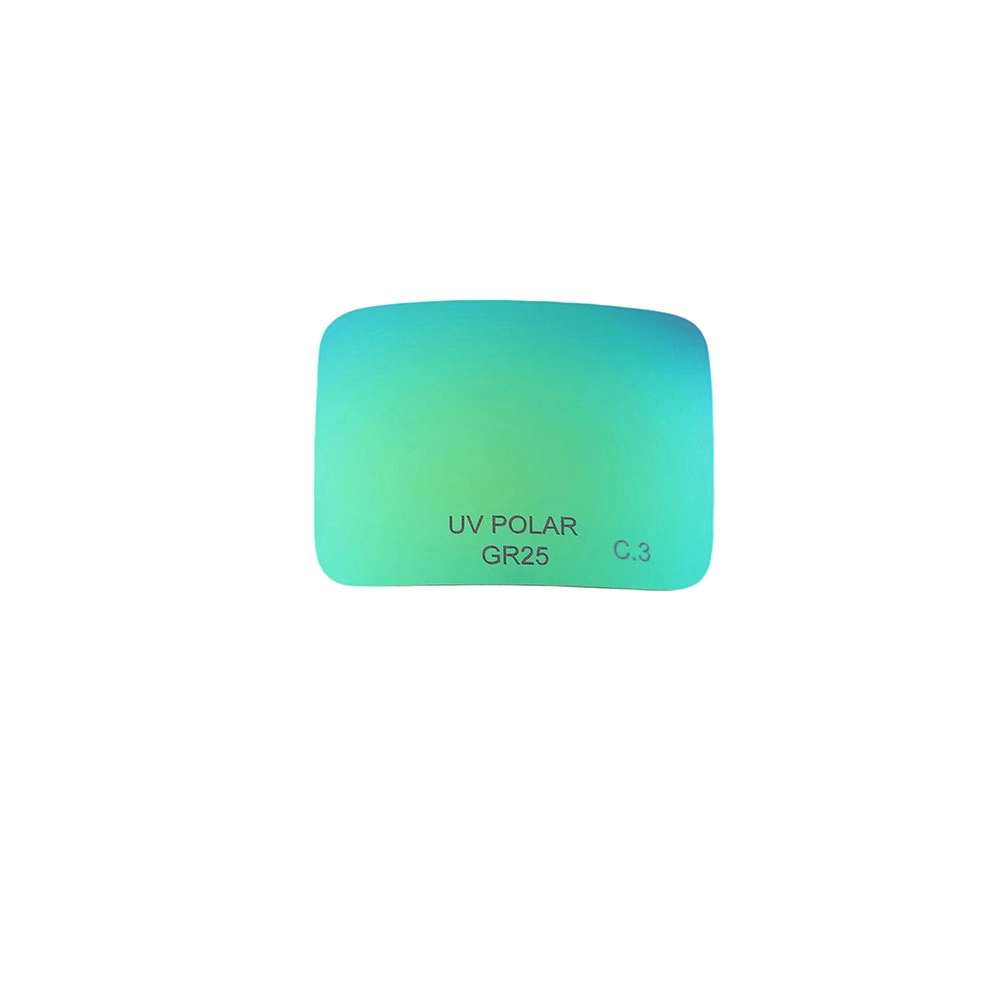
High-Definition Visual Clarity: Premium CR-39 & Polycarbonate Lenses
Experience the precision of a professional custom glasses lenses manufacturer. Karuson polarized lenses are engineered with a 99.9% high-polarization effect to provide unparalleled visual definition and glare reduction. By strategically absorbing reflected light through a high-stability PVA layer, our lenses are optimized for high-intensity outdoor environments, including maritime sailing, hunting, and alpine skiing. Furthermore, our specialized treatment ensures the lenses remain durable and distortion-free even in environments with high heat and humidity.
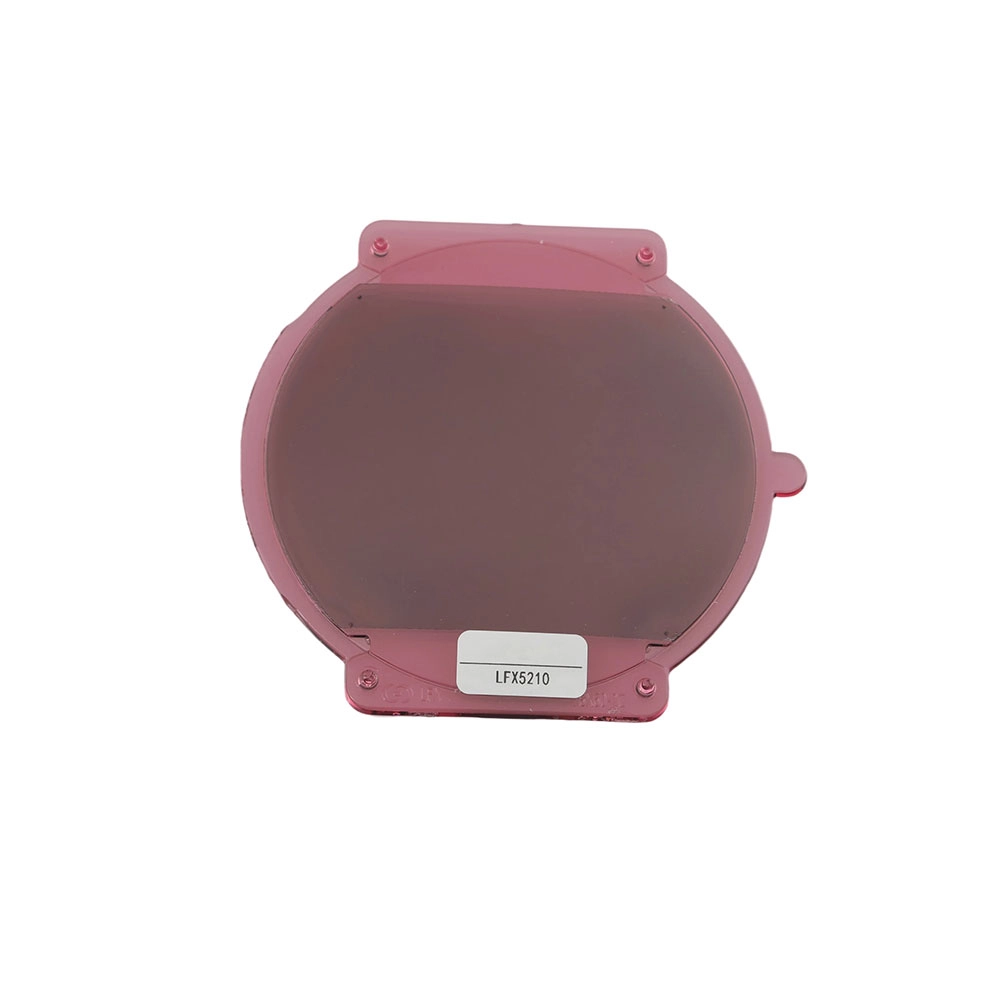
Upgrade Your Collection with Premium Lens Coatings & Finishes
As a leading lenses manufacturer, Karuson sets a new industry standard with our flagship-grade Polyamide (PA) Nylon polarized lenses. By seamlessly merging ultra-lightweight, high-toughness materials with precision polarizing technology, we deliver a high-definition visual solution that excels in durability and comfort. Optimized for high-intensity outdoor activities, professional driving, and competitive sports scenarios, these lenses redefine the performance benchmark for polarized optics, providing global brands with a truly elite-level product.
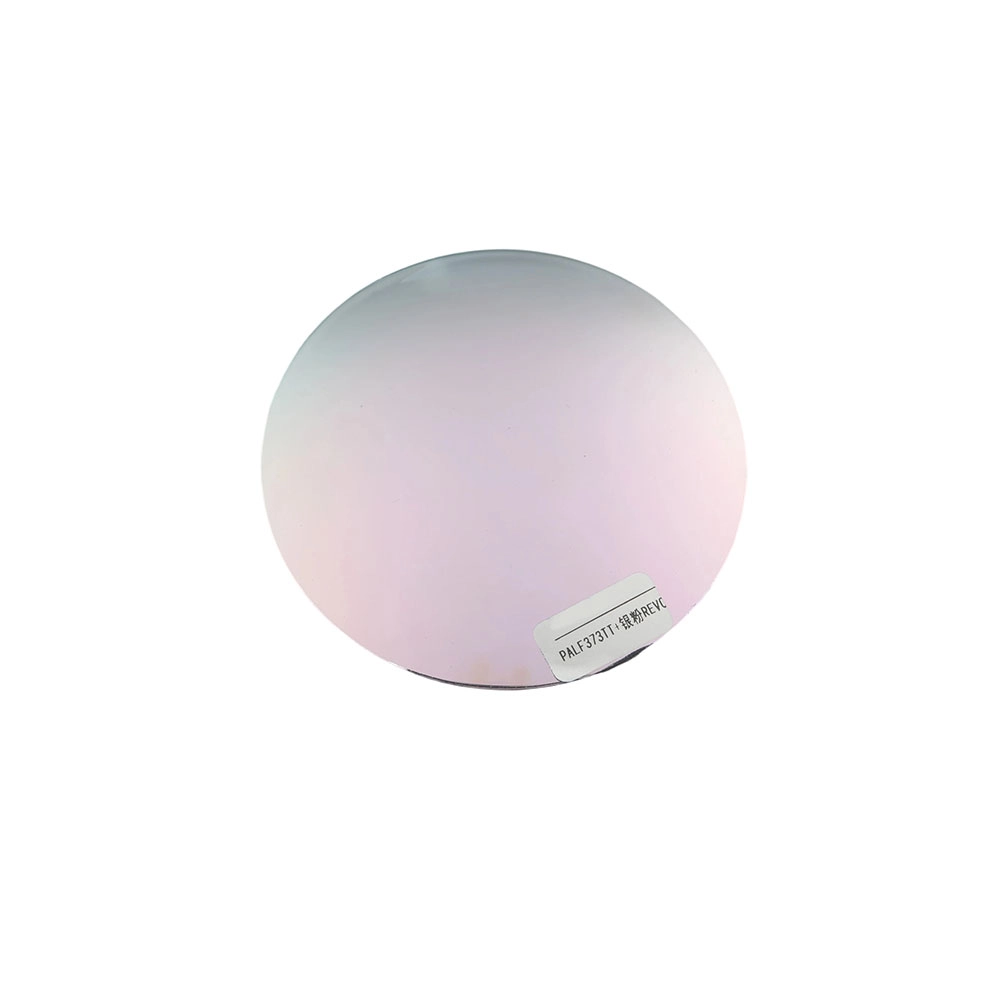
Dynamic Adaptation: Next-Gen Photochromic Lenses for Indoor & Outdoor Use
As premier eyeglass lenses manufacturers, Karuson crafts high-performance PC polarized coated lenses that seamlessly integrate lightweight, impact-resistant polycarbonate with advanced optical film technology. These lenses are engineered to achieve superior glare reduction and enhanced visual definition while offering a spectrum of stylish, customizable tints. Optimized for professional driving, outdoor sports, and urban lifestyles, our manufacturing process ensures that harmful reflections from water, roads, and snow are effectively filtered out. The result is a durable, fashion-forward visual solution that perfectly balances essential eye protection with high-end aesthetic appeal—making them the ideal choice for brands seeking to merge practicality with a modern fashion statement.
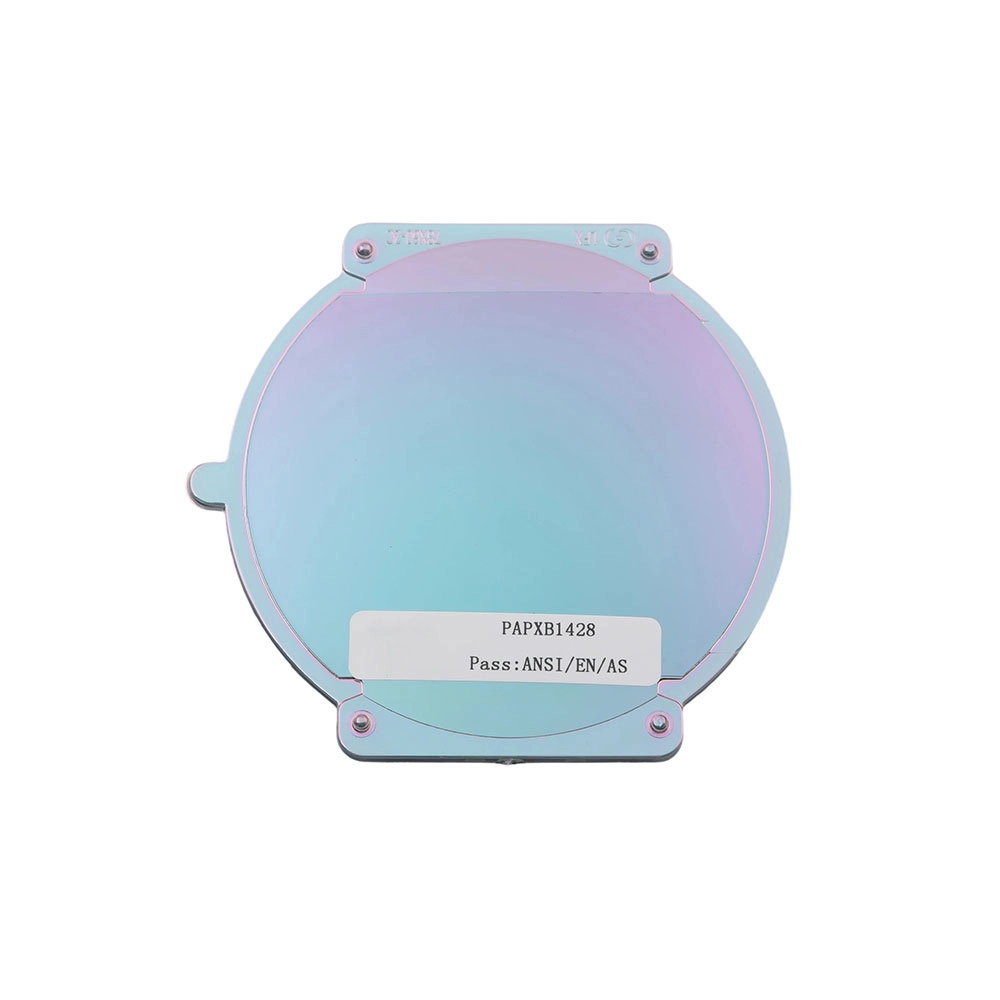
Innovative Lens Technologies: Setting Your Brand Apart in a Competitive Market
Setting a new standard in high-end lenses manufacturing, Karuson’s flagship-grade Polyamide (PA) Nylon polarized lenses seamlessly combine ultra-lightweight material with exceptional, high-toughness durability. By integrating precision polarizing technology, we have created a high-definition visual solution that excels in clarity and comfort for professional driving, outdoor adventures, and competitive sports. This innovation does more than meet expectations—it redefines the performance benchmark for professional polarized optics in the global market.
Get in touch with us
If you have any comments or good suggestions, please leave us a message; later our professional staff will contact you as soon as possible.
NEW DIMENSIONS IN EYEWEAR
Contact KARUSON
Email:
WhatsApp/Phone:
Address:
331 Section B, WanJia Creative Park , No. 1 BUXIA Road ,Tianhe District, Guangzhou City, Guangdong Province, China.

© 2026 KARUSON. All Rights Reserved.
Facebook
Instagram
YouTube
TikTok
Linkedin