


What are photochromic prescription sunglasses and how do they work?
- What are photochromic prescription sunglasses and how do they work?
- How does temperature and the car windshield affect photochromic activation and fadeback in real-world climates?
- How should I specify prescription tolerances, lens index, and coating stacks to an eyewear factory to preserve photochromic performance?
- What are realistic OEM minimum order quantities, tooling/sample costs, and lead times for custom acetate frames and photochromic lenses?
- How do I test and verify photochromic lens performance at the factory — instruments and acceptance criteria that matter?
- How do AR coatings, mirror and polarized finishes interact with photochromic molecules, and what compatibility steps should a factory take?
- Practical checklist: what to include in purchase specs and final acceptance documentation when ordering photochromic prescription sunglasses from an eyewear factory?
What are photochromic prescription sunglasses and how do they work?
Photochromic prescription sunglasses are corrective lenses that change tint in response to ultraviolet (UV) and near-UV light, giving the wearer clear vision indoors and sun protection outdoors without swapping lenses. In modern eyewear manufacturing the photochromic functionality is created two main ways: in-mass (molecules incorporated into the lens polymer during casting or monomer formulation) or surface/applied coatings (photochromic layer bonded onto a finished lens).
How they work: photochromic molecules (commonly organic classes such as naphthopyrans or spiropyrans in plastic lenses, historically silver halide in glass) undergo a reversible chemical transformation when exposed to UV/near-UV photons. That structural change creates a greater light-absorbing species across visible wavelengths, lowering luminous transmittance (VLT). When UV is removed the molecule thermally relaxes back to its colorless form and the lens clears.
Factory implications: an experienced eyewear factory (OEM eyewear manufacturer) will recommend in-mass photochromic for best lifetime and coating compatibility. In-mass lenses (CR-39, polycarbonate, Trivex, high-index polymers) provide more stable switching and better adhesion for anti-reflective (AR) stacks. Surface-coated photochromics can be tuned for specialized mirror or polarization effects but require precise adhesion processes, UV cure controls, and additional quality control steps.
Practical performance notes: activation depends on UV irradiance and temperature; modern organic photochromic systems are optimized for visible comfort, UVA responsiveness, and broad-spectrum protection. They also must be paired correctly with AR coatings, mirror finishes, or polarized layers to preserve switching performance and wearability.
How does temperature and the car windshield affect photochromic activation and fadeback in real-world climates?
This is a top pain point: users report lenses that stay dark or don’t darken in cars or extreme climates. Two separate physical effects explain it.
1) Temperature sensitivity: photochromic chemical reactions are thermally activated. Colder temperatures often produce deeper peak darkness but slower activation and slower fadeback; warmer temperatures speed molecular relaxation so lenses may not reach the same lowest VLT in hot climates. In practical terms, a lens that reaches a target dark state at 20°C may appear slightly darker but slower to darken at 0°C, and noticeably lighter in 30–40°C.
2) Windshield UV filtering: most car windshields block a large fraction of UVA and all UVB; because many photochromic systems rely on UVA/near-UV to switch, lens activation inside a vehicle is significantly reduced. That’s why photochromic sunglass wearers often see little darkening while driving. Some newer photochromic formulas respond more to visible/near-UV radiation and will darken modestly behind windshield glass, but performance is still inferior to full outdoor exposure.
Factory recommendations: specify the intended end-use when ordering (e.g., driving-focused vs outdoor active). For driving, consider a photochromic formulation optimized for visible-light activation, or combine with a sunglass tint/mirror to ensure sufficient VLT in sunny conditions. Also discuss expected climate: factories can supply test data showing switching curves at 5°C/20°C/35°C and recommend polymer substrate (polycarbonate vs high-index) that matches thermal behavior and scratch resistance requirements.
How should I specify prescription tolerances, lens index, and coating stacks to an eyewear factory to preserve photochromic performance?
Buyers and dispensing labs often give vague specs (make them thin and dark). For photochromic prescription sunglasses you must be explicit:
Optical tolerances: request standards compliance (ANSI Z80.1 or ISO 8980 series) and specify centration/power tolerances: optical center decentration tolerance, cylinder and axis accuracy, and prism limits. If you have progressive/add multifocal lenses, ask the factory for corridor placement tolerances and test data.
Lens index: higher-index materials (1.59, 1.67, 1.74) reduce thickness for high prescriptions but change thermal mass and UV absorption; some photochromic systems are optimized for specific substrates. Specify the exact polymer (CR-39 vs polycarbonate vs Trivex vs 1.6/1.67 high-index) and request factory switching data for that substrate.
Coating stack sequence: provide a stack order (in-mass photochromic substrate → hard coat → AR deposition → hydrophobic/oleophobic topcoat, or alternative order for mirror/polarized finishes). In-mass photochromic + vacuum-deposited AR is the most robust. If you require polarization and photochromism, discuss whether polarization will be a laminated polarizer layer (safer) or a surface polarizing film — each affects VLT and switching.
Communicate acceptance criteria: specify clear-state VLT (e.g., 70–90%), dark-state target VLT (e.g., 10–30% depending on sunglass category desired), switching speed acceptance (e.g., 50% dark in <40s under 1 mW/cm2 UVA), and maximum residual tint after 15 minutes indoor fadeback. Ask the factory for spectral transmittance curves (380–780 nm) so dispensers can verify color balance and blue-blocking behavior.
What are realistic OEM minimum order quantities, tooling/sample costs, and lead times for custom acetate frames and photochromic lenses?
Procurement is a frequent pain point for small brands that receive inconsistent estimates. Typical industry ranges (your actual quote will vary by factory and region):
MOQ: For custom acetate frames expect 300–1,000 pairs per colorway per size at many Asian eyewear factories; injection-molded metal or nylon frames can have similar MOQs but some factories accept lower MOQs for stock molds.
Tooling/mold costs: Acetate shell tooling (CAD and male/female molds or thermoforming tools) often ranges from US$1,500–US$6,000 per size/part depending on complexity; full-frame metal injection molds or multi-cavity injection molds for nylon can be US$6,000–US$25,000. Mirror or custom plating tools and jigs add cost.
Lens tooling and samples: photochromic lens samples can be produced from stock blanks; custom prescription molds are generally not needed for standard single-vision—sample lenses (prescription and coating stack applied) typically cost US$50–US$300 each depending on coatings and index.
Lead times: Prototype frames and lens samples: 2–6 weeks (acrylic/acetate sample shaping plus finishing). Mass production: 45–90 days for most OEM orders once samples are approved; coatings and lens grinding for prescriptions can add time. Rush services are available at High Quality.
Factory advice: get a detailed pro forma quoting sheet (unit price by volume tier, tooling amortization per unit, sample pricing, packing specs, QC standards, and lead times). Ask about capacity, secondary processing (polarization lamination, mirror sputtering, AR vacuum deposition), and spare parts (nosepad molds, screws) availability.
How do I test and verify photochromic lens performance at the factory — instruments and acceptance criteria that matter?
General lab jargon won’t help procurement managers who need concrete tests. The key instruments and tests an eyewear factory or QC lab should provide are:
Spectrophotometer or spectroradiometer with an integrating sphere: to measure VLT and spectral transmittance between 380–780 nm in clear and activated states. Ask for spectral curves, not just single-number VLT.
UV/near-UV light source with defined irradiance (e.g., 365 nm UVA LED or xenon/solar simulator) and temperature-controlled chamber: to run standardized activation/fadeback cycles and switching-speed measurements. Report activation time (time to 50% of dark-state under specified irradiance) and fadeback time (time to 50% of clear-state at 20–25°C).
Temperature chamber: to characterize performance at representative temperatures (5°C, 20°C, 35°C) since switching depends on thermal conditions.
Durability cycling: automated UV exposure cycles (e.g., 500–10,000 cycles per test plan) to show long-term retention. Factories should report percentage of initial dark-state retained after accelerated aging.
Coating adhesion and abrasion tests: Taber abrasion for hard coat/AR stacks and tape tests for adhesion after activation cycles.
Acceptance criteria example (specify these to factory): spectral transmittance clear-state ≥70% at 550 nm; dark-state target VLT ≤25% at 550 nm under 1–2 mW/cm2 UVA; 50% dark within 30–60 seconds at 20°C; fade to 80% clear within 2–5 minutes indoors. These must be tailored to the product category and wearer expectations.
How do AR coatings, mirror and polarized finishes interact with photochromic molecules, and what compatibility steps should a factory take?
This is a complex manufacturing interaction and a common source of failures and customer complaints.
Compatibility considerations:
In-mass vs surface photochromics: in-mass photochromic lenses are most compatible with standard AR and hydrophobic topcoats because the photochromic molecules are protected inside the substrate. Surface-applied photochromic layers require carefully engineered adhesion and may be incompatible with some AR solvents or vacuum processes.
AR deposition: vacuum-deposited multilayer AR stacks are the industry standard; they must be deposited on a properly cured hard coat to avoid outgassing and adhesion failure. AR processes generally do not significantly impede UV reaching the photochromic layer if the stack is designed with the correct thin-film materials. Factory should provide transmissivity curves of the AR stack in both states.
Mirror coatings: sputtered or vacuum-deposited mirrors can change the perceived color and slightly alter VLT. Mirror backing can reflect activating UV away from the photochromic layer if applied on the front surface incorrectly. Best practice: for mirror + photochromic, apply mirror to the front surface only after confirming mirror process does not block necessary UVA/near-UV; when possible use in-mass photochromic lenses so front-surface mirror does not impair activation.
Polarization: a laminated polarizer layer is the safest solution with photochromics; embedding or laminating a high-quality polarizer maintains polarization and generally preserves switching. A polarizing surface film laminated onto a photochromic blank is commonly used in sunglass production.
Factory process controls to require: validated cure cycles for hard coats, vacuum-chamber cleanliness protocols, pre-deposition testing (water contact angle, adhesion), and sample spectral curves after each new coating recipe. Ask the eyewear factory for compatibility matrices (which photochromic formulas have been validated with which AR or mirror processes) and a failure-rate log for coating delaminations or color shifts.
Practical checklist: what to include in purchase specs and final acceptance documentation when ordering photochromic prescription sunglasses from an eyewear factory?
To avoid back-and-forth and ensure factory accountability, include the following in your PO and technical package:
- Exact lens substrate and index (e.g., polycarbonate photochromic, or in-mass 1.59 photochromic).
- Clear-state and dark-state target VLTs and spectral transmittance curves.
- Switching speed and fadeback acceptance parameters with test irradiance and temperature conditions.
- Coating stack sequence and specific processes (AR deposition type, hydrophobic topcoat name, mirror sputter specs, polarization lamination specs).
- Optical tolerance standards (ANSI Z80.1 / ISO 8980) and acceptable deviation ranges for sphere, cylinder, axis, prism, and centration.
- Packaging, marking, and traceability requirements (batch numbers for lenses and coatings, lot codes for frames and screws).
- Sample approval procedure: how many pre-production samples, timeline for comments, and approval sign-off criteria.
- Warranty and failure rate thresholds (e.g., acceptable delamination rate, adhesion after Taber abrasion, residual tint limits after X months simulated aging).
Including the above saves cost and time and allows the eyewear factory to provide test reports and Certificate of Conformity on delivery.
Karuson Co., as an experienced eyewear factory, can provide specimen switching curves, AR and mirror compatibility matrices, full QC test reports (spectral transmittance, switching-speed charts, adhesion/abrasion results), and a detailed pro forma for tooling and MOQ. Contact us for a quote at www.karusonco.com or nicole@karusonco.com.
Concluding summary of advantages: Partnering with an experienced eyewear factory like Karuson ensures you get validated photochromic prescription sunglasses with predictable activation across climates, correct optical tolerances for safe vision, proven coating compatibility (AR, mirror, polarization), and transparent costing (tooling, MOQ, lead time). This reduces field returns, improves wearer satisfaction, and speeds go-to-market with reliable batch traceability and QC documentation.
Why Sourcing from a China Eyewear Factory is the Strategic Choice for Global Brands
OEM vs. ODM: Which Partnership Model is Best for Your Eyewear Business?
2026 Eyewear Trend Forecast: Colors, Shapes, and Textures to Watch
About OEM&ODM
What is your production lead time?
Mass production generally takes 30–45 days after sample approval.
Can you help with packaging and logo branding?
Absolutely—we provide branded packaging bags, boxes, logo applications, and display solutions.
How long does it take to make samples?
Samples are typically completed within 7–15 working days if available molds are present.
What is your minimum order quantity (MOQ)?
MOQ is flexible and varies by product type. Small trial orders are welcome.
About Products
Do you support OEM/ODM?
Yes, our R&D and design teams support full customization.
You May Also Like
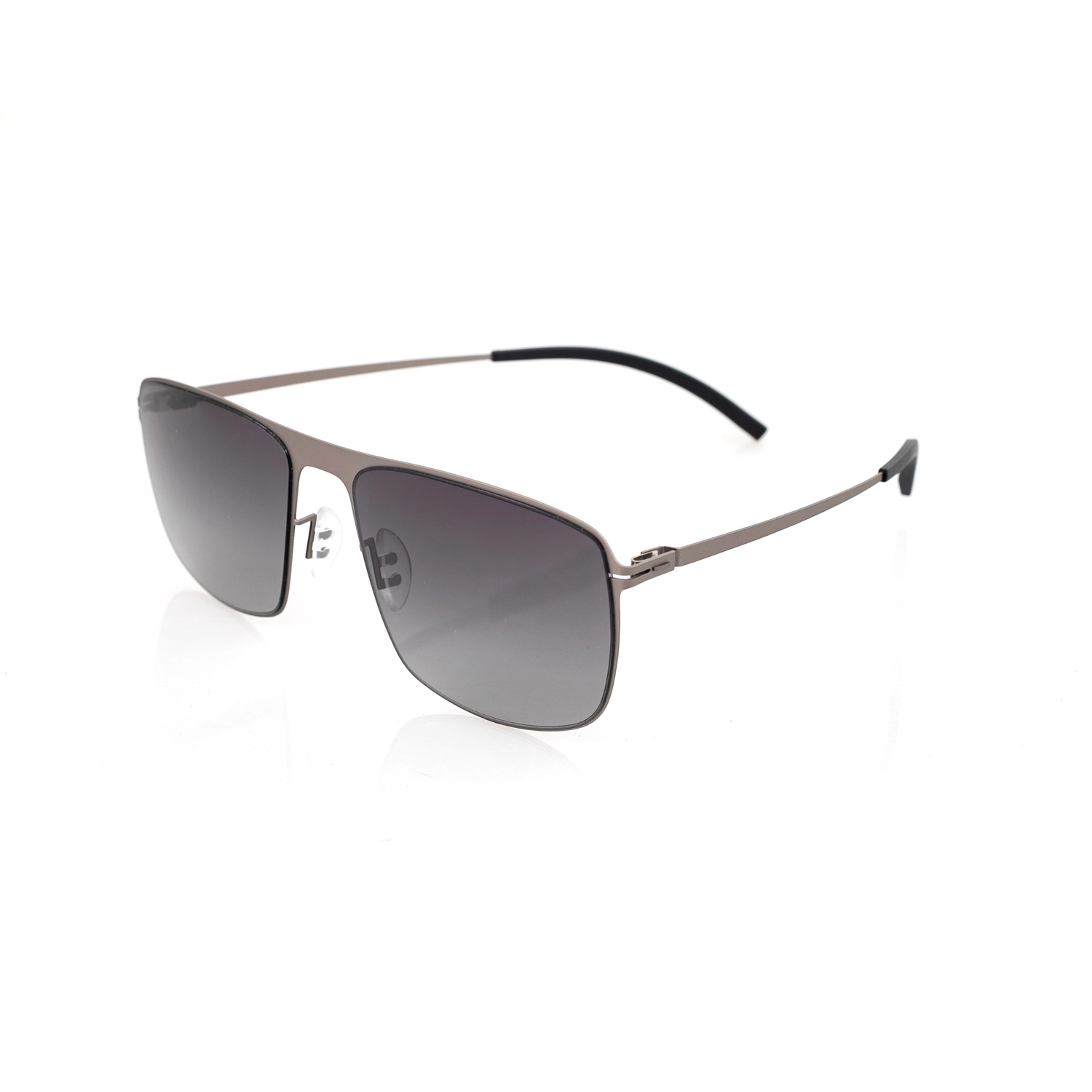
Sleek Brushed Metal Sunglasses with Gradient Lenses – Bespoke Solutions for Your Private Label Metal Sunglasses Line
Karuson introduces the Elite Square series, a standout addition to any high-end eyewear portfolio. These private label metal sunglasses are defined by their industrial gunmetal finish and sharp, architectural lines, offering a perfect balance of professional authority and modern style. Featuring high-grade gradient lenses, they provide a smooth transition of light that is ideal for both driving and urban navigation.
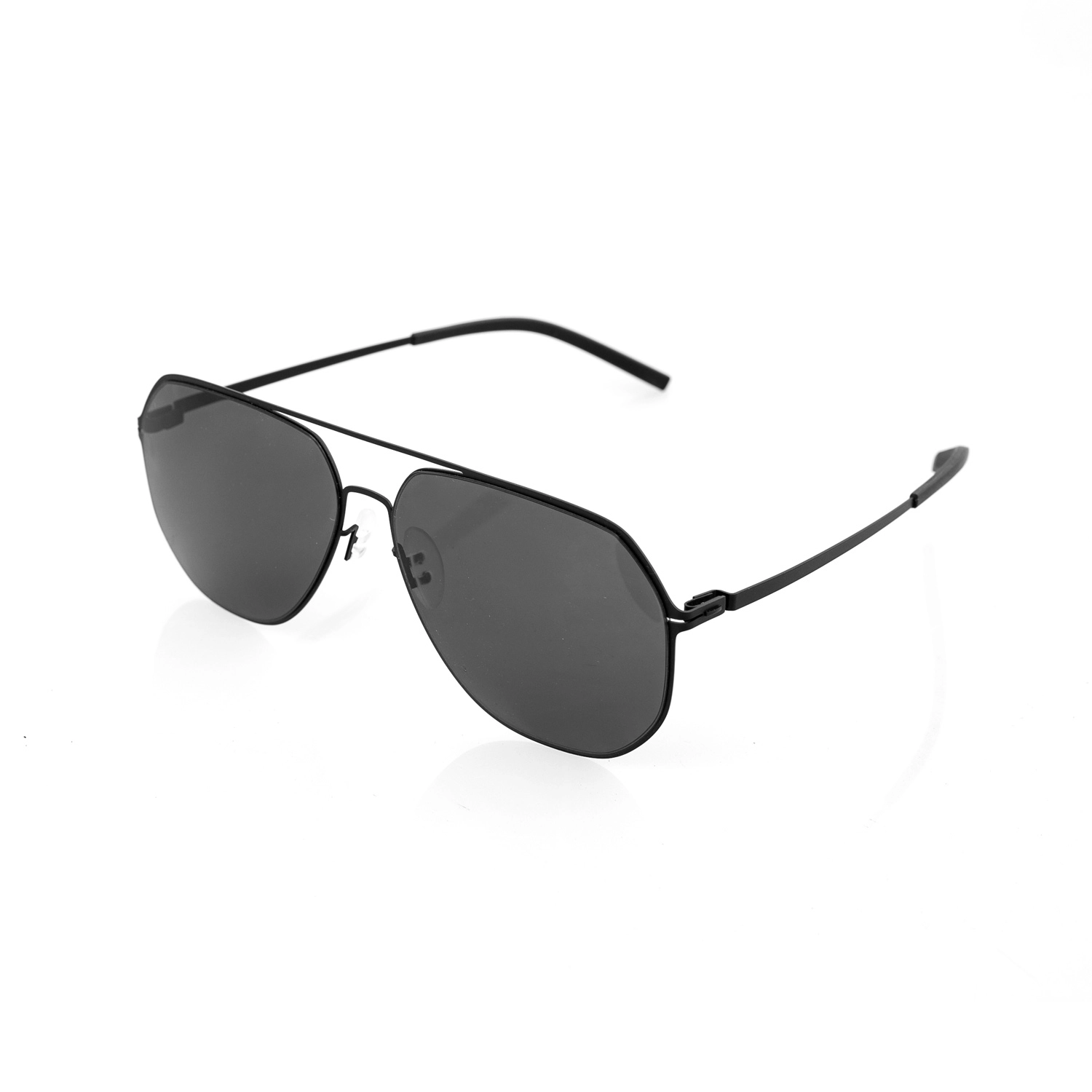
Matte Black Navigator Frames – Launch Your Collection via Private Label Sunglasses No Minimum Solutions
Karuson presents the ultimate Navigator series, designed for brands that demand a sophisticated, high-performance edge. These sunglasses feature a reinforced stainless steel double-bridge frame and high-definition smoke lenses, offering a timeless silhouette that appeals to both sports enthusiasts and luxury lifestyle markets.

Bespoke Two-Tone Lightweight Eyeglasses – Tailored Solutions for Global Brands via Custom Eyewear Manufacturing
As a specialist in custom eyewear manufacturing, Karuson presents this flagship series of ultra-lightweight metal optical frames. Blending a sophisticated geometric silhouette with a minimalist two-tone finish, these frames are designed to meet the aesthetic demands of the modern urban professional while providing the structural integrity required for high-index prescription lenses.
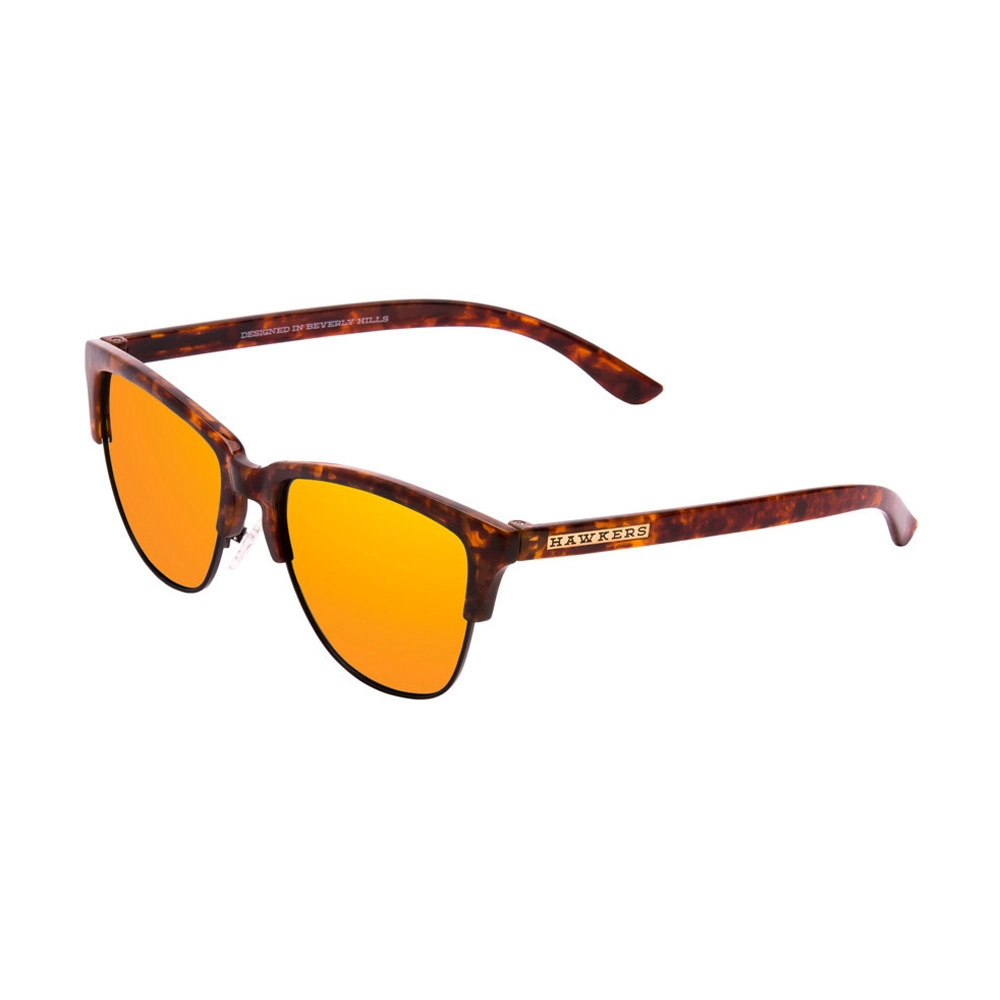
Vintage Browline Style Sunglasses with Polarized Lenses – Professional OEM Solutions by Sunglasses Wholesale Supplier
As a leading wholesale sunglasses supplier, Karuson presents these flagship Retro Half-Frame Sunglasses, blending mid-century vintage aesthetics with modern manufacturing precision. Designed for diverse fashion markets, these frames feature a high-quality tortoise-shell finish paired with a robust metal lower rim, ensuring a sophisticated look that transcends seasonal trends.
Get in touch with us
If you have any comments or good suggestions, please leave us a message; later our professional staff will contact you as soon as possible.
NEW DIMENSIONS IN EYEWEAR
Contact KARUSON
Email:
WhatsApp/Phone:
Address:
331 Section B, WanJia Creative Park , No. 1 BUXIA Road ,Tianhe District, Guangzhou City, Guangdong Province, China.

© 2026 KARUSON. All Rights Reserved.
Facebook
Instagram
YouTube
TikTok
Linkedin