



Why are polarized lenses strategic for manufacturers?
- 1) How can an eyewear factory validate polarization efficiency and batch consistency without an expensive optics lab?
- 2) What is the true incremental unit cost and realistic ROI of switching an OEM sunglasses line to polarized lenses?
- 3) How do manufacturers control delamination and axis misalignment when laminating polarized film to curved or wrap frames?
- 4) Which certifications, labeling, and export documentation must an eyewear factory meet when selling polarized sunglasses to EU, US, and Australia?
- 5) How can an eyewear factory add polarized capacity (injection molding frames, lens lamination, AR coating) without major CAPEX and long lead times?
- 6) Why are polarized lenses strategic for manufacturers?
1) How can an eyewear factory validate polarization efficiency and batch consistency without an expensive optics lab?
Beginners often assume only high-end labs can confirm polarization. In reality, a practical in-line verification protocol—using accessible equipment and simple math—gives repeatable, production-ready results. Use a bench spectrophotometer or a handheld light meter with a removable linear polarizer accessory. The test protocol:
- Set a calibrated light source and measure transmitted irradiance through the lens with the analyzer aligned parallel to the lens' polarization axis (T_max).
- Rotate the analyzer 90° and measure T_min.
- Calculate polarization efficiency = (T_max - T_min) / T_max. High-quality polarized lenses should typically show >95% efficiency; anything below ~90% flags a problem that needs investigation.
For batch consistency, run these checks on every 50–200 units (depending on volume) and log results. Use control charts (X̄ and R) to spot drift. For wraparound shapes, measure at multiple points along the lens surface (center, top, temple side) and at typical wear angles (0° and 15°). A low-cost shop-level addition: a polarizing aligner jig plus a basic spectrophotometer reduces false rejects and prevents costly rework by catching lamination misalignment early.
2) What is the true incremental unit cost and realistic ROI of switching an OEM sunglasses line to polarized lenses?
Manufacturers frequently get surface-level cost quotes from polarized lens suppliers but lack a full-cost model. Relevant cost inputs:
- Polarized film or polarized finished lens BOM: cost varies by film supplier and lens material; at scale, laminated polarized film typically adds an incremental cost (materials + lamination labor) and ranges widely based on quality and volume.
- Capital amortization: laminators, ovens, and additional QC equipment.
- Yield impact: initial yield typically drops until process control is tuned (plan for 2–6% extra scrap early).
- Logistics & MOQ: polarized film often has MOQ or reel-roll purchase rules affecting working capital.
ROI model (practical approach): quantify incremental cost per pair (materials + allocated machine/hour + extra labor + scrap) and measure the achievable retail or B2B High Quality. If the factory can command a $6–$15 wholesale High Quality for polarized versions in target channels and incremental cost is controlled, payback on modest CAPEX is typically within 6–18 months for medium-volume lines. Exact numbers depend on supplier contracts, MOQ, and target markets. Always run scenarios: conservative (low High Quality, higher scrap) and aggressive (high High Quality, optimized yield).
3) How do manufacturers control delamination and axis misalignment when laminating polarized film to curved or wrap frames?
Wrap and high-wrap frames are a common pain point: flat lamination methods often cause delamination, wrinkles, or mis-angled polarization axis. Solutions applied by experienced eyewear factories:
- Use stretch-compensating jigs and thermoforming for polarized film to accommodate curvature before lamination.
- Prefer multi-stage vacuum lamination with controlled temperature ramps to avoid trapped air and reduce thermal stress.
- Adopt roll-to-roll polarized film from established polarized lens suppliers that supply pre-stressed reels for wrap shapes.
- Integrate inline vision inspection (camera) that marks axis orientation and rejects off-angle units automatically—this avoids shipping defects.
- Implement bond-strength testing (peel tests) and humidity cycling to ensure long-term durability—critical for coastal markets where salt corrosion can accelerate delamination.
For plated metal frames or post-assembled designs, consider producing polarized lenses as finished inserts (cut and drilled) to eliminate lamination complexity on final assembly lines.
4) Which certifications, labeling, and export documentation must an eyewear factory meet when selling polarized sunglasses to EU, US, and Australia?
Regulatory and retailer expectations differ by destination and buyer. Key practical points:
- International standard: ISO 12312-1 (sunglasses and related eyewear) is the common test benchmark for filter categories and UV protection. Many EU buyers ask for test reports referencing this standard.
- EU: CE marking is required for products where applicable; many retailers require EN/ISO test reports demonstrating filter categories and UV protection. Keep accredited lab test reports (spectral transmittance, UV400 confirmation) on file.
- US: No single federal mandatory certificate for fashion sunglasses, but retailers and distributors commonly require compliance with ANSI/ISEA or ASTM specifications, and documented test reports. Safety eyewear intended for occupational use must meet ANSI Z87.1 (impact), which is a different product segment.
- Australia/New Zealand: Buyers often request evidence of compliance with AS/NZS or ISO test reports; check country-specific labeling rules (e.g., filter category, manufacturer/importer identification).
Operationally: maintain a compliance folder per SKU with accredited lab reports for spectral transmittance, polarization axis test, impact testing if relevant, and material declarations (RoHS/REACH when required). Work with an accredited test lab once during design validation and then for periodic re-test or when suppliers change. Many importers will not buy without these documents, so factor testing time (2–4 weeks typical per test) into your lead time.
5) How can an eyewear factory add polarized capacity (injection molding frames, lens lamination, AR coating) without major CAPEX and long lead times?
Scaling polarized lens capacity can be done incrementally:
- Start with outsourcing polarized lens blanks to vetted polarized lens suppliers, then assemble in-house—this minimizes upfront lamination capital.
- Invest in modular semi-automatic laminators instead of full automated lines. Semi-automatic laminators have lower CAPEX, faster ROI, and are easier to integrate into existing lens inspection stations.
- Cross-train existing operators: add a polarization QC station using handheld spectrophotometers and alignment jigs rather than adding shifts or hiring specialized staff immediately.
- Reorganize cell layout: co-locate injection molding, plating, and final assembly to reduce handling time. Parallelize lens processing (tinting, hardcoat, AR) in small-batch ovens to reduce bottlenecks.
- Use contract manufacturers or toll-processing partners for AR coating or hardcoat vacuum PVD runs to avoid buying PVD equipment upfront.
Operational KPIs to monitor during ramp: first-pass yield, cycle time per pair, line takt time, and in-process inventory. Aim to reduce rework by instituting quick sample runs (50–200 pcs) to stabilize recipes (temperature, pressure, dwell time) before full production.
6) Why are polarized lenses strategic for manufacturers?
Polarized lenses are strategically valuable across product, margin, and market dimensions:
- Product differentiation: Polarization delivers a real, perceivable benefit—glare reduction and clearer vision—which helps OEM sunglasses manufacturers move beyond commodity tinting. This drives conversion at wholesale and retail because end-users can quickly perceive the upgrade.
- Higher ASP and margin: Polarized SKUs typically command a price High Quality in both mass and High Quality channels. When controlled for BOM and yield, these SKUs improve average selling price and margin per pair.
- Market access: Certain channels (outdoor sports, fishing, automotive-focused retailers) often list polarization as a minimum requirement. Offering polarized options lets you enter or defend these higher-value segments and supply polarized lens suppliers or polarized sunglasses under OEM contracts.
- Brand and B2B leverage: For OEM sunglasses manufacturers, being able to deliver consistent polarized quality (verified polarization efficiency, UV400, AR options) builds buyer trust—leading to larger MOQs and longer contracts.
- Resilience vs. price competition: Commodity tinted sunglasses face intense price pressure. Polarized offerings add functional value that reduces direct price comparisons and supports SKU bundling (e.g., polarized + AR + anti-scratch), increasing lifetime customer value.
In short, polarized lenses are not just a lens type—they are a capability that can move an eyewear factory from pure-volume contract manufacturing to value-added OEM production that earns higher margins, improved buyer retention, and access to specialty markets.
Conclusion: Implementing polarized lens production is a manageable technical and commercial step when approached with the right QC protocols, cost model, regulatory paperwork, and incremental equipment strategy. The strategic advantages—differentiation, margin, and market access—make polarized lenses a high-impact addition for OEM sunglasses manufacturers and polarized lens suppliers alike.
For a practical next step and an accurate quote on polarized lens supply, lamination services, or OEM sunglasses production capacity, contact us at www.karusonco.com or email nicole@karusonco.com.
Why Sourcing from a China Eyewear Factory is the Strategic Choice for Global Brands
OEM vs. ODM: Which Partnership Model is Best for Your Eyewear Business?
2026 Eyewear Trend Forecast: Colors, Shapes, and Textures to Watch
About OEM&ODM
Do you support OEM and ODM?
Yes—we offer both contract manufacturing (OEM) and full product development services (ODM).
Can you help with packaging and logo branding?
Absolutely—we provide branded packaging bags, boxes, logo applications, and display solutions.
How long does it take to make samples?
Samples are typically completed within 7–15 working days if available molds are present.
About Products
What is the lead time?
Mass production takes [25-35]days; samples take [7-10] days.
What is the MOQ?
Usually ≥100, depending on the model.
You May Also Like
High-Definition Visual Clarity: Premium CR-39 & Polycarbonate Lenses
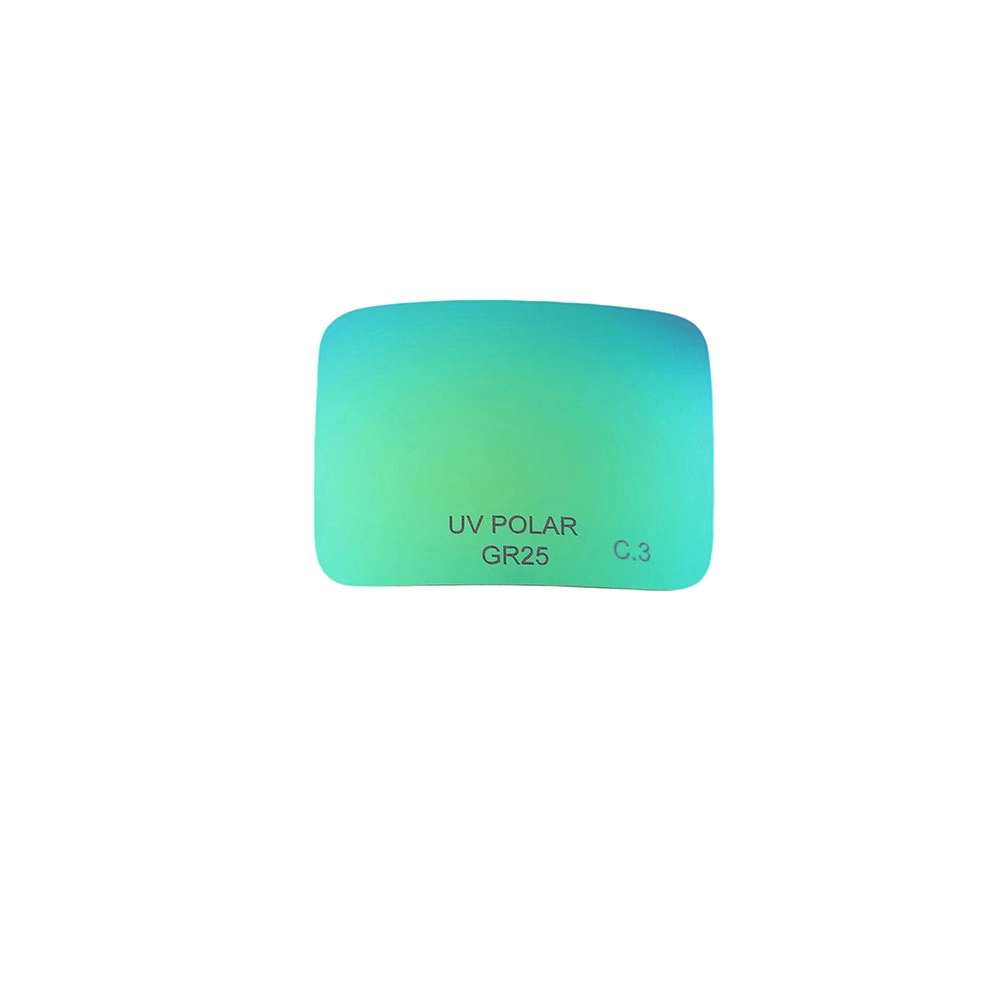
Experience the precision of a professional custom glasses lenses manufacturer. Karuson polarized lenses are engineered with a 99.9% high-polarization effect to provide unparalleled visual definition and glare reduction. By strategically absorbing reflected light through a high-stability PVA layer, our lenses are optimized for high-intensity outdoor environments, including maritime sailing, hunting, and alpine skiing. Furthermore, our specialized treatment ensures the lenses remain durable and distortion-free even in environments with high heat and humidity.
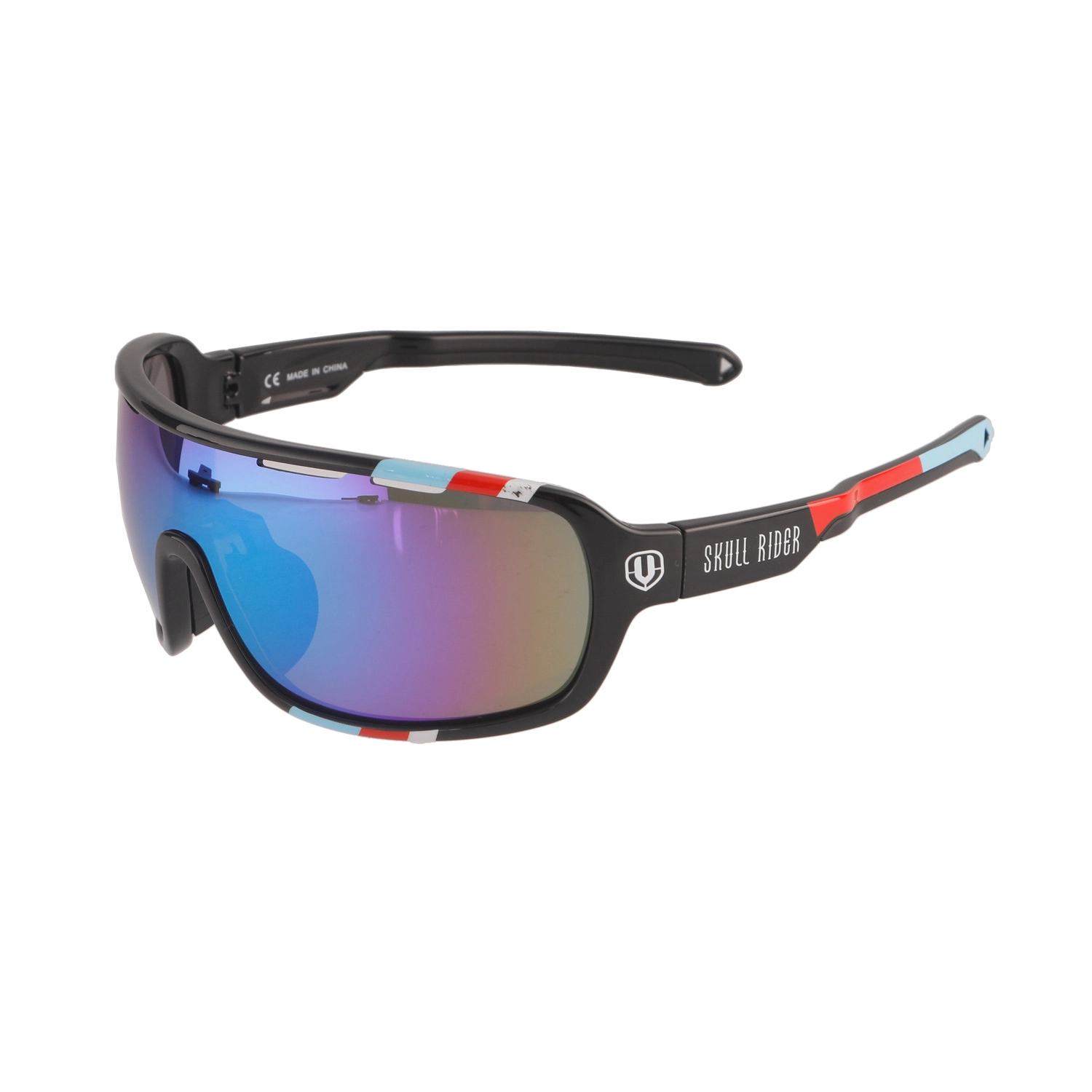
Professional Sports Style Sunglasses
These sports sunglasses are engineered to withstand extreme conditions while offering superior eye protection and style. Crafted with high-strength bio-acetate frames/PC/TR material, they feature exceptional impact resistance, scratch resistance, and wear resistance, ensuring longevity even during intense activities like cycling, hiking, or water sports.
The UV400 lenses provide 100% protection against harmful ultraviolet rays and reduce glare, minimizing eye fatigue and enhancing visual clarity. Perfect for outdoor enthusiasts, these sunglasses are available in vibrant, customizable colors and lightweight designs, making them a comfortable choice for all-day wear.
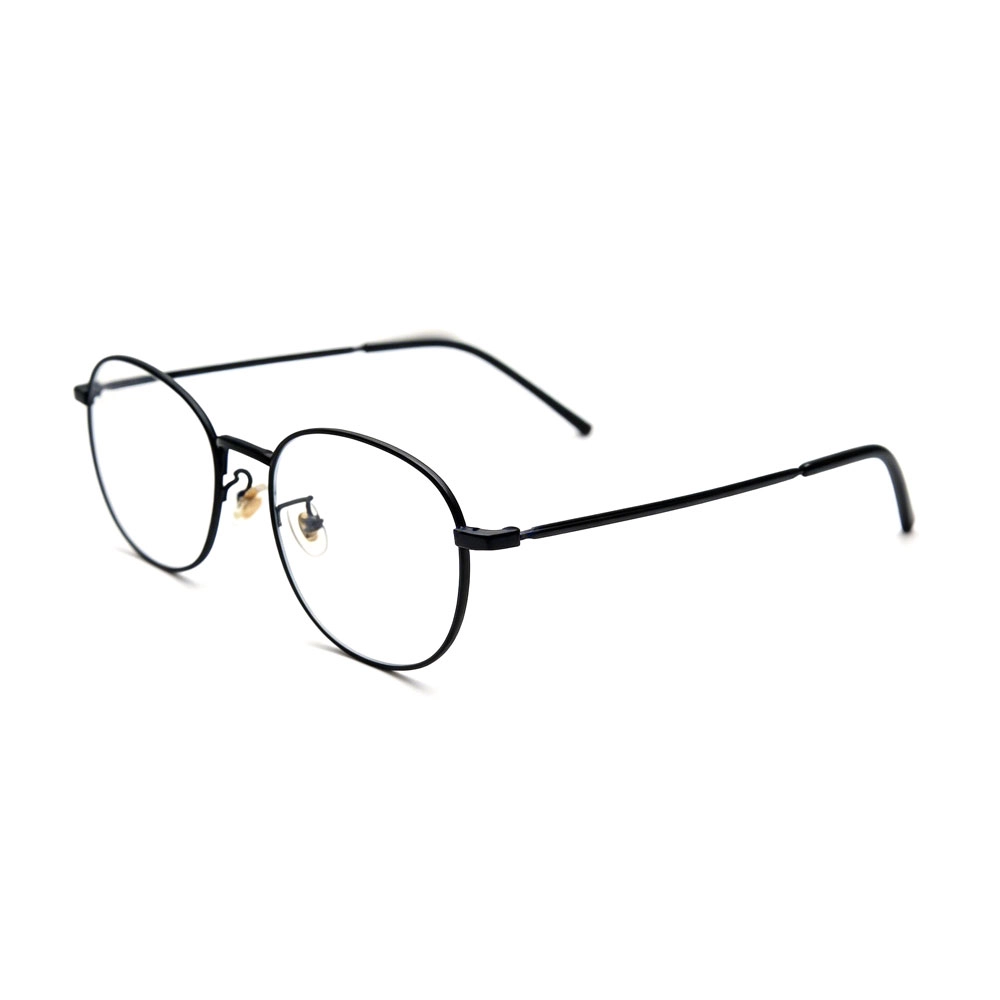
Elegant Lightweight Metal Eyeglass Frames
Metal sunglasses are the perfect blend of strength and elegance, designed for active lifestyles or daily use. Their aluminum or titanium frames are lightweight yet highly durable, resisting impacts and corrosion. UV400 lenses protect your eyes from harmful rays and glare, making them ideal for beach days or cycling. With customizable colors and sleek designs, these sunglasses deliver a stylish, sustainable option for eco-conscious brands and fashion-forward individuals.
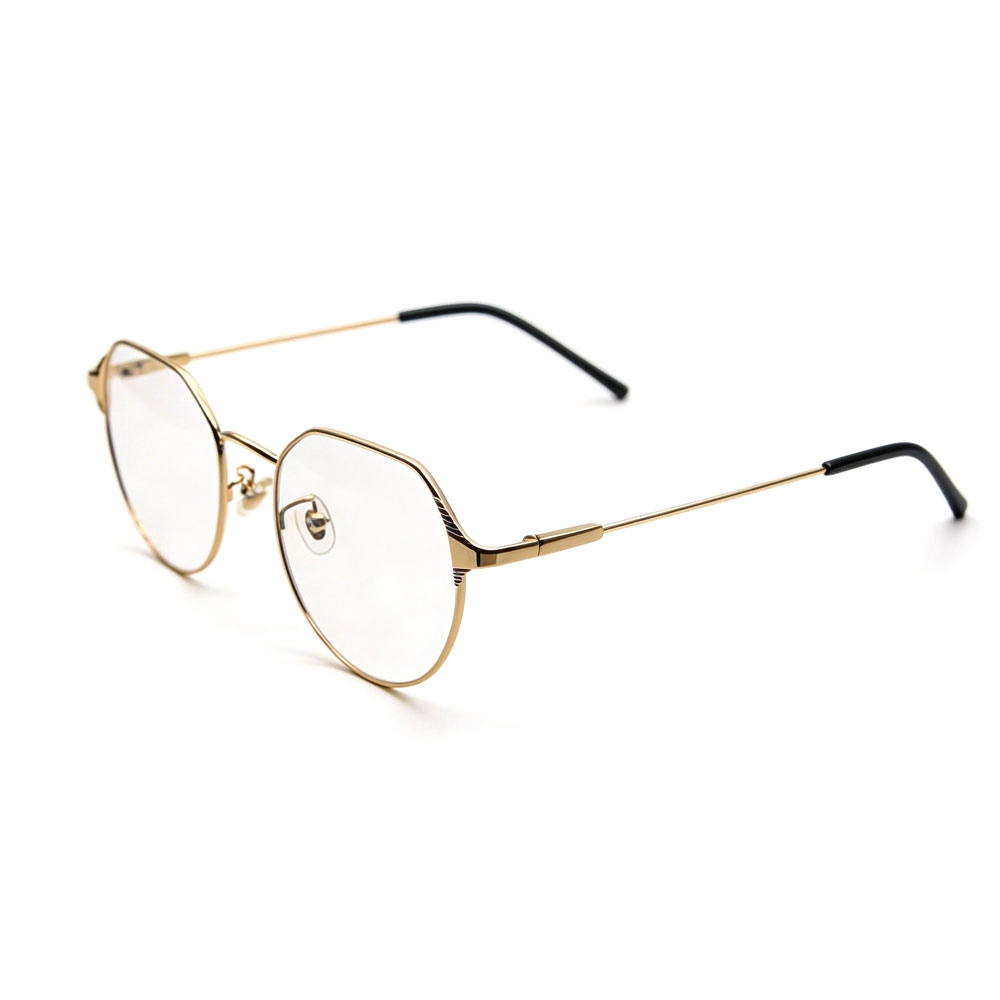
Vintage Round Metal Glasses
Metal sunglasses are the perfect blend of strength and elegance, designed for active lifestyles or daily use. Their aluminum or titanium frames are lightweight yet highly durable, resisting impacts and corrosion. UV400 lenses protect your eyes from harmful rays and glare, making them ideal for beach days or cycling. With customizable colors and sleek designs, these sunglasses deliver a stylish, sustainable option for eco-conscious brands and fashion-forward individuals.
Get in touch with us
If you have any comments or good suggestions, please leave us a message; later our professional staff will contact you as soon as possible.
NEW DIMENSIONS IN EYEWEAR
Contact KARUSON
Email:
WhatsApp/Phone:
Address:
331 Section B, WanJia Creative Park , No. 1 BUXIA Road ,Tianhe District, Guangzhou City, Guangdong Province, China.

© 2026 KARUSON. All Rights Reserved.
Facebook
Instagram
YouTube
TikTok
Linkedin