


How do polarized prescription sunglasses reduce glare?
- 1. What are realistic minimum order quantities (MOQs) and tooling costs for OEM polarized prescription sunglasses, and how can buyers reduce upfront costs?
- 2. How does an eyewear factory integrate a polarization element into prescription lenses without introducing optical aberrations, and what QC tests verify success?
- 3. Which lens substrates and coatings pair best with polarizers for durable, high-optical-quality prescription sunglasses?
- 4. How do tariffs, import regulations, and factory certifications (ISO, CE, ANSI) affect lead time, documentation and acceptability for optical labs importing eyewear?
- 5. What on-site manufacturing controls and measurement equipment should buyers request from an eyewear factory to ensure consistent polarization axis and prescription accuracy?
- 6. How do polarized prescription sunglasses reduce glare differently than standard tinted prescription lenses, and when are they not recommended?
- Concluding summary
Eyewear Factory Guide: Polarized Prescription Sunglasses FAQ
This post answers six specific, purchase-focused questions buyers ask when working with an eyewear factory—covering OEM manufacturing, polarization integration into prescription lenses, quality control, materials and coatings, compliance, and real-world performance of polarized prescription sunglasses. For a fast quote contact us at www.karusonco.com or nicole@karusonco.com.
1. What are realistic minimum order quantities (MOQs) and tooling costs for OEM polarized prescription sunglasses, and how can buyers reduce upfront costs?
Why this matters: Buyers often get surprised by hidden setup and tooling fees when scaling an eyewear line. Knowing realistic expectations helps plan cash flow and negotiate terms with factories.
Typical ranges and components:
- MOQ: For frames and sunglasses, factories commonly set MOQs by style and color. Typical OEM MOQs range from 100–1,000 pieces per color/style. Injection-molded plastic frames tend to have higher MOQs (300–1,000) than metal frames or stocked frame libraries (100–300).
- Tooling/mold costs: Simple frame molds commonly range from a few hundred to a few thousand USD per cavity for basic frames. High-precision or multi-cavity molds, specialty materials, or complex hinge designs raise costs into several thousand USD. Metal tooling (stamping, CNC) may have different pricing structures but similar order-of-magnitude setup costs.
- Polarized lens supply: If the factory supplies polarized prescription lenses, MOQ for lens blanks or pre-laminated polarized blanks might be lower but can still involve minimum runs (e.g., 100–500 blanks per prescription range or coating batch).
How to reduce upfront costs:
- Use factory-stock frame molds or adapt an existing frame library (reduces or eliminates new mold costs).
- Start with fewer SKUs (one frame, two colorways) to hit MOQ more easily and test sales before expanding.
- Split production runs or do staggered PO scheduling with the factory to smooth cash flow—ask about consolidation fees and warehousing options.
- Negotiate shared tooling cost models (factory amortizes the mold across multiple buyers) or ask for a tooling deposit that’s refundable against later orders.
2. How does an eyewear factory integrate a polarization element into prescription lenses without introducing optical aberrations, and what QC tests verify success?
Why this matters: Buyers of polarized prescription sunglasses need assurance that adding a polarizing layer won't produce decentration, prism, or axis errors that cause patient complaints and returns.
Integration methods:
- Lamination (polarizing film sandwiched into an organic lens blank): A polarizing film is laminated between two lens substrates or placed within a cast/pressed lens blank. This method is common for higher-index or multi-layer Rx lenses.
- In-mold polarized tinted lenses: The polarizer is integrated during lens manufacturing (injection or cast) producing a single-piece polarized lens—common for plano polarized sunglasses and rising for some Rx workflows.
- Surface-applied polarizers: Less common for Rx due to durability—used mainly for standard sunglasses or snap-on solutions.
Key factory controls to prevent optical aberrations:
- Blocking and surfacing protocol: Accurate blocking and surfacing to maintain the optical center and prescribed base curves. High-precision blockers and CNC surfacing reduce decentration.
- Polarization axis alignment: During lamination, the factory must control the orientation of the polarizing film relative to the lens blank/optic center. Industry best practice targets polarization-axis alignment within ±1–2° of the design axis for vertical polarization applications (e.g., horizontal-glare blocking).
- Stress control: Control of heat and pressure during lamination to avoid induced birefringence or warpage, which causes optical distortion. Proper cure cycles and matched substrate coefficients of thermal expansion are critical.
QC tests factories should run and that buyers should request in reports:
- Lensometer/focimeter check: Verifies sphere, cylinder and prism at the optical center and five-point checks across the lens surface.
- Decentration measurement: Verifies optical center displacement; industry best practice for high-precision Rx is typically ≤0.5 mm decentration.
- Axis and cylinder tolerance: Cylinder axis verification within ±1–2° for high-cylinder prescriptions.
- Polarization verification: Polarimeter or polarization spectrometer measurement to confirm polarization efficiency (percentage of unwanted polarization blocked) and axis orientation. High-quality polarizers typically show polarization efficiencies above 90–95% in manufacturing specs.
- Optical distortion/birefringence scan: Polariscopes or birefringence imaging to detect stress lines that indicate lamination or material mismatch problems.
3. Which lens substrates and coatings pair best with polarizers for durable, high-optical-quality prescription sunglasses?
Why this matters: Material and coating choices impact weight, optical clarity, scratch resistance, and coating adhesion to polarized films. Doctors and retailers need to know trade-offs when specifying Rx polarized products.
Substrate trade-offs:
- CR-39: Excellent optical clarity and scratch resistance as a base material for laminated polarized lenses; heavier than polycarbonate but offers good surface hardness for coatings.
- Polycarbonate: Lightweight and impact-resistant (good for sports and children), but more prone to surface scratches and internal stress; requires durable hard coat and careful lamination to avoid birefringence.
- Trivex: Combines light weight, impact resistance and better optical quality than polycarbonate; works well with polarized lamination but costs more.
- High-index plastics: Useful for strong prescriptions to reduce lens thickness—lamination with polarizers is possible but needs careful matching of material properties to avoid warpage during processing.
Recommended coatings and treatments:
- Hard coat (scratch-resistant): Mandatory for polycarbonate or lenses that will be laminated; prevents surface abrasion.
- Anti-reflective (AR) coating: Use on the inner surface (facing the eye) to reduce internal reflections. AR on outer surface may be used depending on tint and handling—ensure AR is compatible with polarized lamination steps.
- Hydrophobic/oleophobic top coat: Improves water-shedding and resists fingerprints—important for outdoor polarized lenses where water and oils can reduce effectiveness.
- UV-blocking: Ensure polarized lenses provide full UVA/UVB protection; polarization itself doesn’t guarantee UV protection—UV absorbers must be present in the lens material or added as a coating.
Practical factory requirement: Ask the factory to provide cross-section samples and adhesion tests (peel, accelerated weathering) for the polarizer + coating stack to verify long-term durability under heat, humidity and abrasion testing.
4. How do tariffs, import regulations, and factory certifications (ISO, CE, ANSI) affect lead time, documentation and acceptability for optical labs importing eyewear?
Why this matters: Buyers importing finished eyewear or Rx blanks must anticipate regulatory paperwork, product testing and lead-time impacts from certifications and trade policies.
Certifications and standards to verify from the factory:
- Quality management: ISO 9001 is a basic quality-management certification many reputable eyewear factories maintain. Presence of ISO 13485 is relevant if your product is regulated as a medical device (varies by market and indication).
- Product standards: CE marking per EN ISO 12312-1 for sunglasses (sun protection) and ANSI Z80.1 for prescription ophthalmic lenses are examples of regionally relevant standards. Verify which standard applies to your target market and request compliance test certificates.
- Social and environmental: BSCI, Sedex, or SA8000 demonstrate audited social compliance and are increasingly requested by retailers for brand risk management.
Tariffs, import documentation and lead time:
- Harmonized System (HS) codes: Eyewear, frames and lenses each have HS codes that determine duty rates. Misclassification can cause delays and fines—use factory-provided commercial invoices with accurate HS numbers and origin details.
- Testing and declarations: Some markets require documented UV protection tests, impact resistance tests or chemical composition reports (e.g., REACH, RoHS). Factories can provide lab reports but allow time (often 1–3 weeks) to obtain third-party test certificates.
- Lead-time impact: Additional certifications or third-party lab testing add time before shipment clearance. Plan for 2–6 weeks for lab test turnaround if not already held by the factory; customs clearance and documentary accuracy can add further days to weeks depending on port congestion and brokerage efficiency.
Buyer action checklist: Request copies of certificate of conformity, test reports (UV, impact, polarization efficiency if relevant), factory ISO/quality certificates and social audit reports before placing an order. Factor test/report lead times into procurement schedules.
5. What on-site manufacturing controls and measurement equipment should buyers request from an eyewear factory to ensure consistent polarization axis and prescription accuracy?
Why this matters: Without transparency into factory QC capabilities, buyers risk inconsistent products and higher return rates. Knowing required equipment and control points allows effective factory audits.
Essential on-site equipment and process controls:
- Polarimeter or polarization spectrometer: Validates polarization efficiency and exact axis orientation on production samples and finished lenses.
- High-precision lensometer/focimeter and automated lens inspection stations: For checking prescription values, prism and optical center across lots.
- Automated blocking and CNC surfacing machines: Reduce manual error in blocking, ensuring optical center placement and base curve accuracy.
- Edge grinder/edger with digital tolerancing: Ensures frame fit, pantoscopic tilt and decentration tolerances are maintained during edging.
- Birefringence/polariscopic imaging station: Detects stress patterns caused by lamination or improper cure cycles.
- Environmental controls: Temperature and humidity-controlled coating and lamination areas to avoid film adhesion problems and warpage.
Process-SPECs buyers should require in the contract or tech pack:
- Specified acceptance tolerances (e.g., decentration ≤0.5 mm, cylinder axis ±1–2°, polarization axis ±1–2°) and measurement method.
- First Article Inspection (FAI) and sample sign-off procedures prior to full production.
- Regular batch QC reporting with traceable sample IDs and pass/fail metrics for polarization efficiency, UV transmission and AR adhesion testing.
6. How do polarized prescription sunglasses reduce glare differently than standard tinted prescription lenses, and when are they not recommended?
Why this matters: Retailers and clinicians must explain to end users why polarized Rx sunglasses feel different than dark-tinted Rx lenses and advise on situations where polarization may be a drawback.
How polarization reduces glare:
- Glare typically comes from light reflecting off horizontal surfaces (water, wet road, snow); these reflections become horizontally polarized. A vertical linear polarizer (the usual orientation for sunglasses) selectively blocks horizontally polarized light, dramatically reducing the intensity of specular reflections and improving visual comfort and contrast.
- Polarization does not darken all light equally—it selectively attenuates reflected, polarized components—resulting in clearer views of details (better contrast) without necessarily increasing overall lens darkness beyond tint level.
Differences vs. standard tinted lenses:
- Tinted lenses reduce overall luminance across all polarization states; polarization specifically targets reflected glare components. For driving or fishing, polarization improves visibility of water surface details and reduces hazardous glare from wet roads.
- Polarized lenses often produce a greater perceived contrast and reduced eye fatigue than equivalent-density tinted lenses.
When polarized Rx sunglasses are not recommended or require caution:
- LCD and instrument legibility: Polarizers can make some digital displays (LCDs) appear dim, blacked-out or with odd color shifts when polarization axes interact with display polarizers. For pilots, some industrial equipment operators or certain medical device users, that may be unacceptable.
- Snow/ice conditions for some professional users: While polarization reduces glare, it can mask subtle ice textures in some conditions, which certain winter-sports professionals prefer to detect through non-polarized optics.
- Care with high-prescription, progressive or prism-heavy Rx: Polarizer lamination must be carefully controlled to avoid adding unwanted prism or decentration. Request sample verification for complex prescriptions.
Practical advice: For drivers and outdoor enthusiasts, polarized prescription sunglasses are often the best choice for glare reduction and visual comfort. For professionals relying on polarized screens or instruments, advise a trial or provide a non-polarized alternate lens.
Concluding summary
Choosing a qualified eyewear factory that understands polarization integration, controls decentration and prism, and provides proper certification and QC reporting reduces returns, protects brand reputation and speeds time-to-market. Advantages of working with an experienced eyewear factory include predictable MOQs and tooling pathways, documented testing (polarization efficiency, UV protection, optical tolerance reports), and a clear supply-chain plan covering tariffs, certifications and lead times. Advantages of polarized prescription sunglasses: superior glare reduction, improved contrast and comfort in bright, reflective environments—when specified and manufactured correctly. When polarization is contraindicated (certain display use-cases or specialized professions), the factory should validate options and provide alternatives.
To request a sample evaluation, production quote or factory audit, contact us: www.karusonco.com or nicole@karusonco.com.
Why Sourcing from a China Eyewear Factory is the Strategic Choice for Global Brands
OEM vs. ODM: Which Partnership Model is Best for Your Eyewear Business?
2026 Eyewear Trend Forecast: Colors, Shapes, and Textures to Watch
About Products
Do you support OEM/ODM?
Yes, our R&D and design teams support full customization.
What is the lead time?
Mass production takes [25-35]days; samples take [7-10] days.
What is the MOQ?
Usually ≥100, depending on the model.
About OEM&ODM
How do we start a project with Karuson?
Send us your product idea or requirements—our team will review, advise, and provide the best solution and quotation.
How long does it take to make samples?
Samples are typically completed within 7–15 working days if available molds are present.
You May Also Like
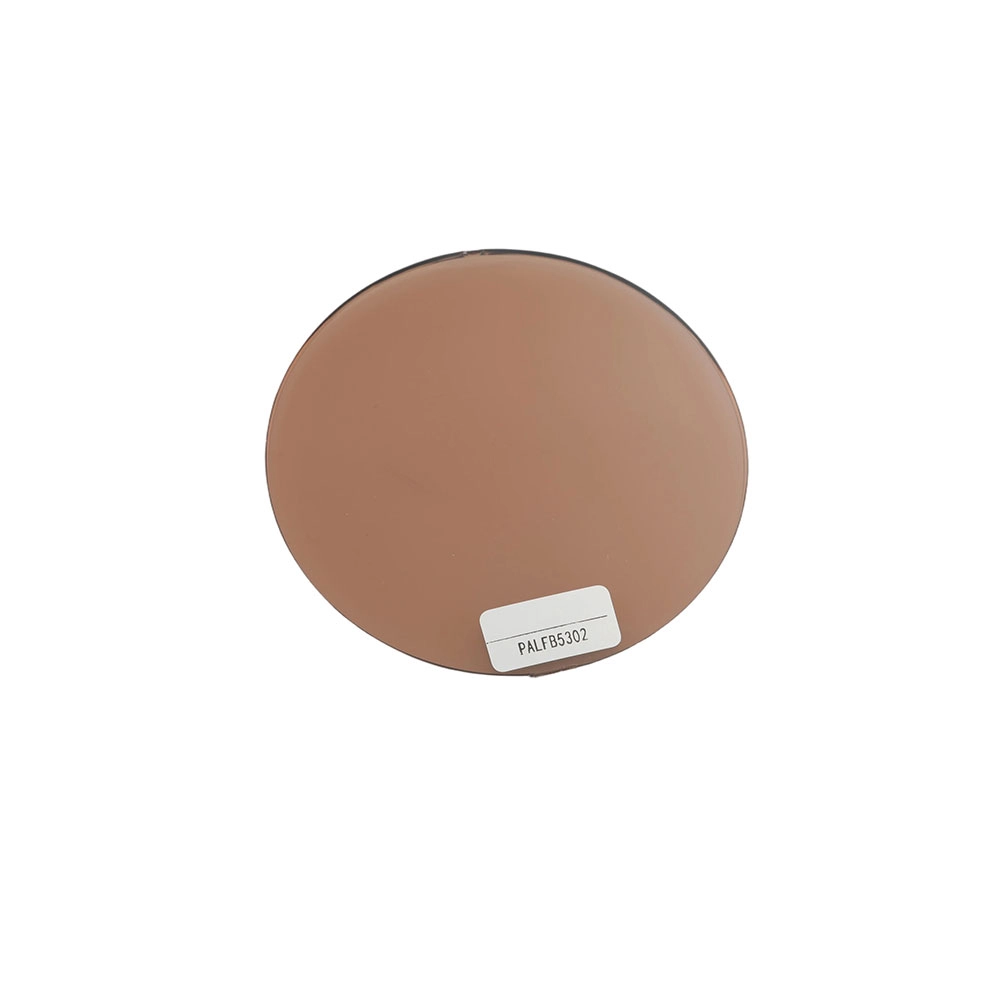
Why Quality Lenses are the Core of Your Eyewear Brand’s Reputation
As a premier high-definition glasses lenses manufacturer, Karuson crafts high-quality Polyamide (PA) Nylon Tinted Lenses that represent the perfect synergy of ultra-lightweight performance and high-toughness durability. By integrating professional-grade tinting technology with advanced material science, we offer a lens solution that delivers exceptional optical clarity alongside vibrant, fashionable color expression. Designed for both daily commutes and trendy lifestyle matching, these lenses provide a comfortable and aesthetic visual experience, serving as a high-performance fashion accessory for the modern, style-conscious consumer.
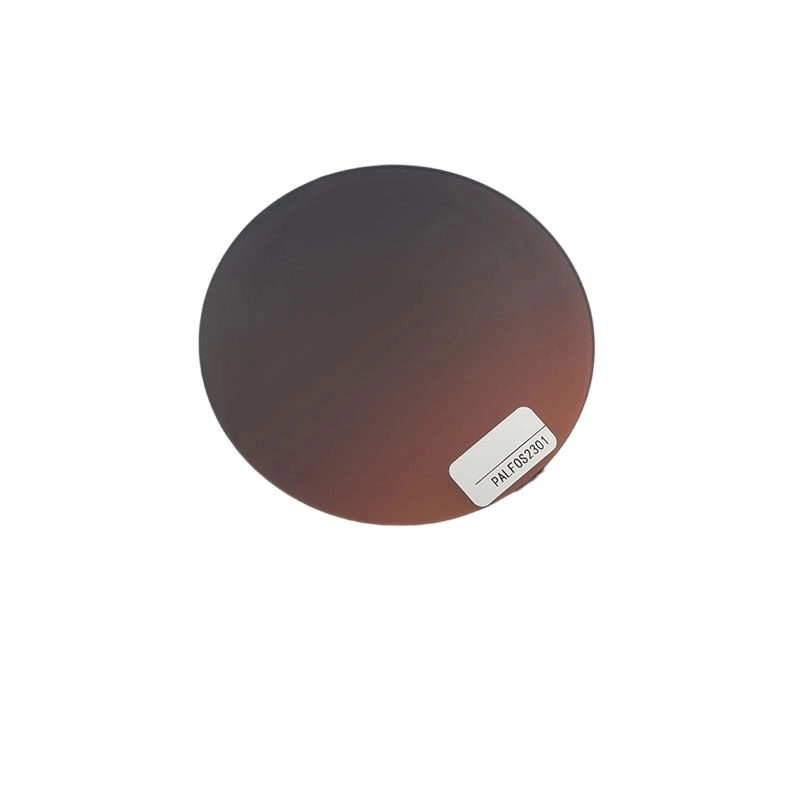
Advanced Sunglasses Solutions: Polarized Lenses with Anti-Seawater Coating
As a versatile photochromic lenses manufacturer and high-performance optics expert, Karuson crafts high-quality Polycarbonate (PC) Gradient Tinted Lenses that perfectly balance aesthetics with advanced protection. By fusing the ultra-lightweight and impact-resistant properties of PC material with precision gradient tinting technology, we deliver a durable visual solution that enhances clarity and comfort for urban lifestyles and outdoor sports. These lenses not only optimize visibility across varying light conditions by reducing glare but also offer a sleek, customizable design—allowing global brands to blend practical eye protection with a modern, fashion-forward accessory.
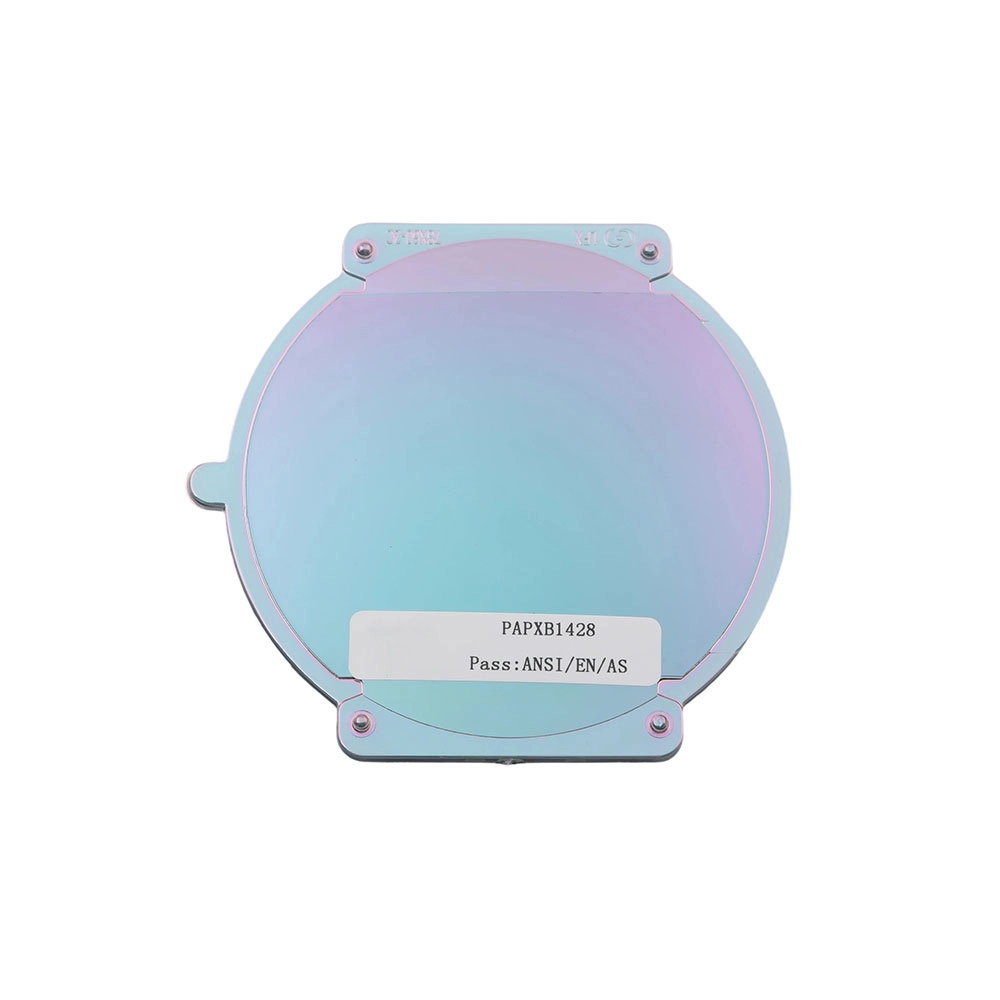
Innovative Lens Technologies: Setting Your Brand Apart in a Competitive Market
Setting a new standard in high-end lenses manufacturing, Karuson’s flagship-grade Polyamide (PA) Nylon polarized lenses seamlessly combine ultra-lightweight material with exceptional, high-toughness durability. By integrating precision polarizing technology, we have created a high-definition visual solution that excels in clarity and comfort for professional driving, outdoor adventures, and competitive sports. This innovation does more than meet expectations—it redefines the performance benchmark for professional polarized optics in the global market.
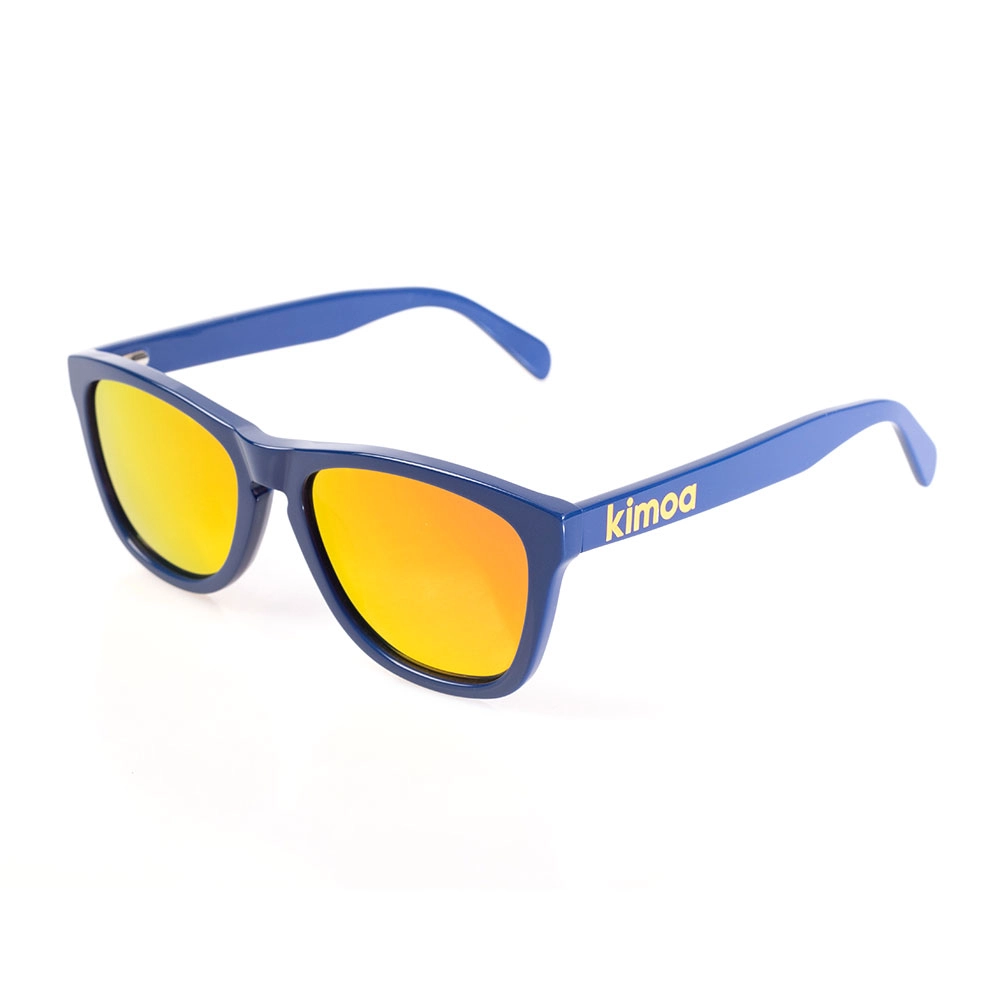
Trendy Blue Framework Sunglasses: Customizable Performance & Style
These eco-friendly bio-acetate sunglasses combine high-performance durability with sustainable innovation, making them the perfect centerpiece for your private label eyewear collection. Engineered for longevity, the frames offer superior impact and scratch resistance, while the UV400 lenses provide essential protection against harmful rays and glare. Available in a spectrum of vibrant, customizable colors, this collection allows eco-conscious brands to offer a premium, lightweight, and stylish choice that refuses to compromise on safety or aesthetics.
Get in touch with us
If you have any comments or good suggestions, please leave us a message; later our professional staff will contact you as soon as possible.
NEW DIMENSIONS IN EYEWEAR
Contact KARUSON
Email:
WhatsApp/Phone:
Address:
331 Section B, WanJia Creative Park , No. 1 BUXIA Road ,Tianhe District, Guangzhou City, Guangdong Province, China.

© 2026 KARUSON. All Rights Reserved.
Facebook
Instagram
YouTube
TikTok
Linkedin