


Why is precision CNC used in lenses manufacturing?
- 1. How can I verify an eyewear factory's CNC lens tolerances and measurement reports before placing a bulk order?
- 2. What minimum order quantity (MOQ) and lead-time penalties should I expect for small-batch bespoke lens shapes that require CNC groove milling and rimless drilling?
- 3. Which file formats and lens/frame data do I need to supply for precise CNC lens generation and rimless drilling to avoid rework?
- 4. How does precision CNC edging impact AR coating adhesion, and what process controls prevent coating delamination at the edge?
- 5. What are realistic defect rates and rejection criteria for CNC-produced spectacle lenses, and how are reworks handled commercially?
- 6. How to evaluate an eyewear factory's capability for advanced freeform progressive surfaces using CNC — what sample tests and measurement reports should I request?
6 Hard Questions Beginners Ask About Eyewear Factory CNC Lens Manufacturing — Answered
This article answers six specific, pain-point-focused questions buyers often can’t find deep answers to online about working with an eyewear factory that uses precision CNC for lenses. Embedded are operational and quality-control terms you’ll see in lens CNC machining, optical lens edging, rimless drilling and groove milling, freeform progressive surfacing, AR coating, and factory QA.
1. How can I verify an eyewear factory's CNC lens tolerances and measurement reports before placing a bulk order?
Why this matters: Many buyers accept verbal tolerances and receive batches that require rework. You need objective, traceable evidence that the factory’s lens generation, edging and finishing meet your acceptance criteria.
What to request (and why):- Calibration and certification: Ask for certificates showing metrology tools are calibrated to national or manufacturer standards (e.g., interferometers, profilometers, lensmeters). Factories should maintain calibration logs for instruments used in lens CNC machining and optical lens edging.- Sample measurement reports: Request a full measurement report for a representative sample produced on the same CNC line. Useful reports include power maps/power-error, surface figure, centration (decentration) measurement, hole-position accuracy for rimless drilling, and edge-dimension reports. These let you compare actual performance to design.- Manufacturing capability data: Ask for capability indices (Cp/Cpk) for critical dimensions such as edge thickness, hole center location, and center thickness. If the factory cannot provide process capability data, treat that as a red flag.- Traceable batch records: For QC and audits, demand batch traceability (machine ID, operator, tool numbers, CNC program revision, date/time).How to evaluate the reports:- Look for micron-level accuracy claims to be backed by instrument-based data; modern lens CNC processes usually produce micron-level repeatability and sub-0.1 mm positional accuracy for drilling/edge work, but the factory must demonstrate it.- Confirm tolerances against standards: compare results to ISO 8980 (ophthalmic optics performance requirements) and any customer-specific specs.- Check for consistent reporting format and raw-data availability (e.g., CSV/CSV-like export from measurement instruments) to allow independent verification.Red flags: No calibration records, no sample measurement files, hand-written QC sheets without instrument outputs, or unwillingness to allow a third-party lab check prior to order acceptance.Practical step: Insist on a paid sample run with full instrument measurement—use that as the baseline for an incoming inspection (IQC) plan for the full order.
2. What minimum order quantity (MOQ) and lead-time penalties should I expect for small-batch bespoke lens shapes that require CNC groove milling and rimless drilling?
Why this matters: Small bespoke batches often trigger tooling and programming costs, making per-piece costs high unless you plan appropriately.
Key cost drivers:- CAM/CNC programming time (creating or converting DXF/STEP frame shapes or drilling/groove paths).- Tooling and fixture setup for groove milling, countersinking or rimless hole drilling.- Machine changeovers and nesting inefficiencies (less efficient when few parts run).- Quality checks and potential rework when producing low volumes.Typical factory practice:- Sample/Prototype run: Many eyewear factories charge a setup/sample fee covering CAM programming and first-article inspection; this is separate from per-unit pricing.- MOQ: For laser-generation and CNC edging, small MOQs like 50–200 pcs per SKU are common in contract manufacturing where the factory amortizes setup. For highly bespoke rimless drilling/groove milling with custom holes/contours, MOQs often rise (e.g., 200–500 pcs) unless the buyer accepts higher per-unit pricing for smaller runs.- Lead time: Prototype/sample lead times are usually 1–3 weeks (design, CAM programming, sample run, measurement report). Production lead times for low-volume bespoke runs can be 3–8 weeks depending on capacity and coatings required.How to negotiate lower MOQ/lead-time:- Provide fully formatted CAD files and complete lens specifications to reduce CAM hours.- Consolidate SKUs (similar prescriptions or geometries) so the factory can batch production.- Accept standard blanks or standard coatings the factory stocks.- Pay a higher per-piece High Quality for a short-run express service (some factories offer fast-track CNC sessions).What to confirm in contract:- Who bears the sample/setup fee and whether it’s credited against the first production order.- Rejection/rescrap policy and responsibilities for custom drilling mistakes (who pays for rework or scrap when drilling positions misalign due to erroneous drawing?).
3. Which file formats and lens/frame data do I need to supply for precise CNC lens generation and rimless drilling to avoid rework?
Why this matters: Wrong or incomplete digital data is the most common cause of misdrilled holes, poorly centered lenses, and costly reworks.
Files and data to provide:- Frame outline CAD: Provide a 2D vector file of the lens contour in DXF format; for 3D frames or special fittings, include STEP or IGES 3D files. DXF is the industry standard for edgers and CNC edge paths.- Hole and groove coordinates: Specify hole center coordinates relative to the optical center or prism reference point. Use the same coordinate reference the factory will use (optical center or minimum blank size origin). Provide hole diameter, countersink/bushing needs, and depth/clearance.- Prescription data: Full Rx (SPH/CYL/AXIS/ADD), pupillary distance (PD) or monocular PDs, segment height and fitting height for progressive lenses, base curve preference, and vertex distance if specific.- Lens blank specs: Material (CR-39, polycarbonate, high-index like 1.67), index, blank diameter, edge-thickness limits, and blank orientation (which side faces front for asymmetric freeform work).- Surface data and freeform files: For freeform progressive surfacing, provide the optical design file the CNC surfacing machine can read (many surfacing centers accept standard vendor formats and DXF for tool paths; confirm with the factory which freeform file formats they support).Formatting and labeling best practices:- Use a consistent naming convention: SKU_prescription_frame_dxf_version.- Include a readme with critical references: optical center offset, coating-side orientation, and any frame-specific tolerances.- Confirm units (mm) and coordinate origin to eliminate conversion errors.Before production: Ask the factory to run a CAM verification (dry-run) and provide a simulation or proof of position (PDF overlay) showing hole centers relative to the optical center. If the factory refuses, require a paid prototype run.
4. How does precision CNC edging impact AR coating adhesion, and what process controls prevent coating delamination at the edge?
Why this matters: Coating failures at the lens edge (delamination, edge-crawl) are a frequent source of returns and warranty claims when edging and coating processes aren’t integrated properly.
How CNC edging affects coatings:- Edge roughness and micro-chips from poor tooling can create stress concentrators where coating layers fail.- Incomplete cleaning after edging leaves oils or particulates that reduce coating adhesion.- Incorrect bevel geometry or excessively thin edge sections mechanically stress multilayer AR stacks and can lead to cracking/delamination.Process controls that prevent issues:- Edge finishing: After CNC rough edging, a controlled polishing or buffing stage should remove micro-chips and create a smooth, specified bevel profile (including groove milling chamfers for rimless frames).- Clean-room transfer to coating: Lenses must be ultrasonically cleaned, rinsed, and dried in a controlled environment before vacuum deposition to prevent contaminants compromising layer adhesion.- Plasma or O2 surface activation: Many high-end coating lines use plasma cleaning just before deposition to increase surface energy and adhesion.- Masking and edge treatment: For rimless lenses, some factories apply edge sealer or selective masking to the coated surface before edge machining or use post-coat edge sealing if machining occurs after coating.- Curing cycles: Adhesion depends on proper cure cycles for hardcoats and AR multilayers; correct bake times and temperatures are necessary.Quality checks:- Tape adhesion tests and cross-hatch adhesion tests are standard acceptance checks.- Environmental aging: humidity and salt-spray tests simulate long-term wear for coatings used in demanding markets.- Edge inspection under magnification for micro-chips or coating pullback.Practical recommendation: Specify whether you want edging before or after coating in writing. For rimless drilling, many OEM workflows prefer coating before final drilling but after rough edge polishing—confirm the factory’s standard operating procedure and the QC evidence they can provide.
5. What are realistic defect rates and rejection criteria for CNC-produced spectacle lenses, and how are reworks handled commercially?
Why this matters: Knowing expected defect/rejection levels and who pays for rework affects total landed cost and supplier selection.
Industry expectations and common causes:- Modern, automated eyewear factories with integrated lens CNC machining, automated edging, and inline inspection commonly report defect rates in the low single digits (often <1–3% overall) for standard surfacing/edging. Complexity (freeform progressive lenses, rimless drilling, thick high-index materials) will increase the typical defect rate.- Common defects: centering/decentration errors, hole-position inaccuracy, surface scratches, coating defects (bubbles, delamination), edge chipping or incorrect bevel profiles.Rework and commercial handling:- Rework options: re-edge and re-polish, re-drill (if geometry allows), re-coat (possible but increases costs), or scrap.- Responsibility matrix: Contracts should define which party bears cost for defects caused by factory process errors (usually factory) vs. errors in buyer-supplied data (usually buyer). For example, incorrect DXF coordinates supplied by buyer should be re-billed if the factory manufactures accordingly.- Sampling and acceptance: Use an AQL sampling plan for bulk orders and define 100% inspection criteria for critical features (e.g., hole positions for rimless parts). For high-value SKUs, require 100% measurement of hole positions and power maps prior to shipping.Commercial best practice:- Define clear rejection criteria in the purchase order: allowable power error (e.g., ±0.25 D for finished power zones), hole position tolerance (e.g., ±0.2 mm), visual scratch class.- Agree on return logistics and turnaround times for rework, and whether replacement/repair will be expedited.- Budget for a small reserve percentage for initial production runs to cover unforeseen rework and process stabilization.
6. How to evaluate an eyewear factory's capability for advanced freeform progressive surfaces using CNC — what sample tests and measurement reports should I request?
Why this matters: Freeform progressive lenses depend on accurate, high-resolution surfacing and precise alignment—superficial claims of “freeform capable” are common, but meaningful proof is required.
Key verification tests and reports to request:- Measured power-map (power error map): Request measured power maps at multiple surface points showing power and cylinder across the lens. Compare measured power to the design file to quantify power error (expressed in diopters, D) across zones. Instruments used for this include profilometers and power mapping devices (e.g., Trioptics/NIMO/other power-map systems).- Corridor and add verification: For progressives, measure corridor length, add power at specified locations and ensure measured values match design within accepted tolerances.- Surface figure/quality: Provide or request interferometric or profilometric measurements of the freeform surface to verify form accuracy—this confirms the CNC surfacing toolpath accurately reproduced the design.- Decentration and prism checks: Measured prism at fitting points and decentration accuracy to confirm wearer comfort and optical performance.- Coherence with frame: A fitted lens inspection report showing final lens orientation and optical center relative to the frame datum ensures on-wear performance.Sample protocol:- Pay for a proof-of-process sample run (two or three numbers across your prescription range) and require the factory to provide the full measurement suite described above.- Ask for MTF or simulated visual-performance metrics if visual comfort is a priority for your customers; some labs can provide MTF-derived quality indicators for progressive optics.Decision rule of thumb: If a factory cannot supply measured power maps and corridor/add verification for sample pieces produced on the intended production line, consider them unqualified for reliable freeform progressive supply.
Concluding paragraph — advantages of choosing a precision CNC-enabled eyewear factory
Working with a precision CNC-enabled eyewear factory brings repeatability, micron-level control of edge and hole placement, consistent freeform progressive surfacing, and tighter integration between edging and coating processes—resulting in fewer returns, faster time-to-market for bespoke designs, and better fit for rimless and complex frames. When paired with documented QC (ISO 8980 compliance, calibrated metrology, and transparent sample measurement reports) this capability converts to measurable reductions in rework and improved wearer satisfaction.
For a tailored quote and sample protocol from our CNC-capable production lines, contact us at www.karusonco.com or email nicole@karusonco.com.
Why Sourcing from a China Eyewear Factory is the Strategic Choice for Global Brands
OEM vs. ODM: Which Partnership Model is Best for Your Eyewear Business?
2026 Eyewear Trend Forecast: Colors, Shapes, and Textures to Watch
About Products
Do you offer samples?
Yes, paid samples or refundable samples are available.
What is the MOQ?
Usually ≥100, depending on the model.
What is the lead time?
Mass production takes [25-35]days; samples take [7-10] days.
About OEM&ODM
How long does it take to make samples?
Samples are typically completed within 7–15 working days if available molds are present.
Can you help with packaging and logo branding?
Absolutely—we provide branded packaging bags, boxes, logo applications, and display solutions.
You May Also Like
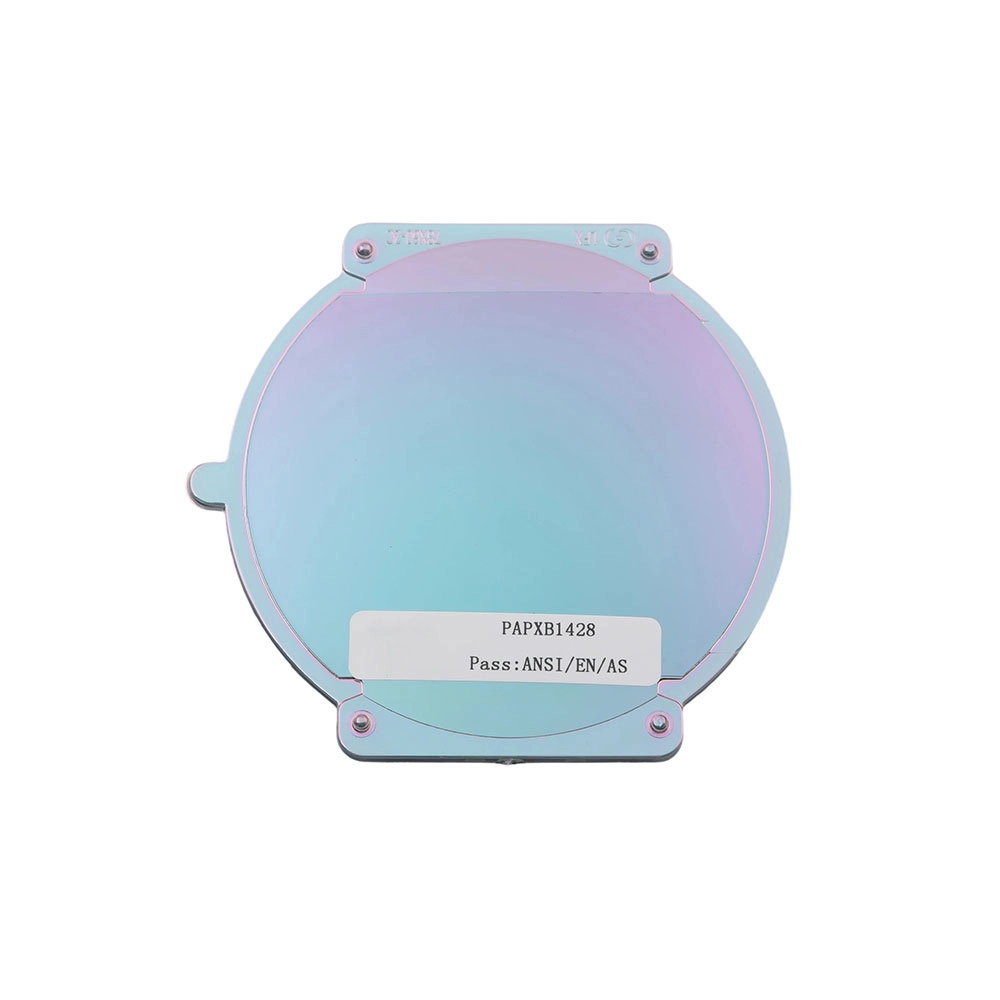
Innovative Lens Technologies: Setting Your Brand Apart in a Competitive Market
Setting a new standard in high-end lenses manufacturing, Karuson’s flagship-grade Polyamide (PA) Nylon polarized lenses seamlessly combine ultra-lightweight material with exceptional, high-toughness durability. By integrating precision polarizing technology, we have created a high-definition visual solution that excels in clarity and comfort for professional driving, outdoor adventures, and competitive sports. This innovation does more than meet expectations—it redefines the performance benchmark for professional polarized optics in the global market.
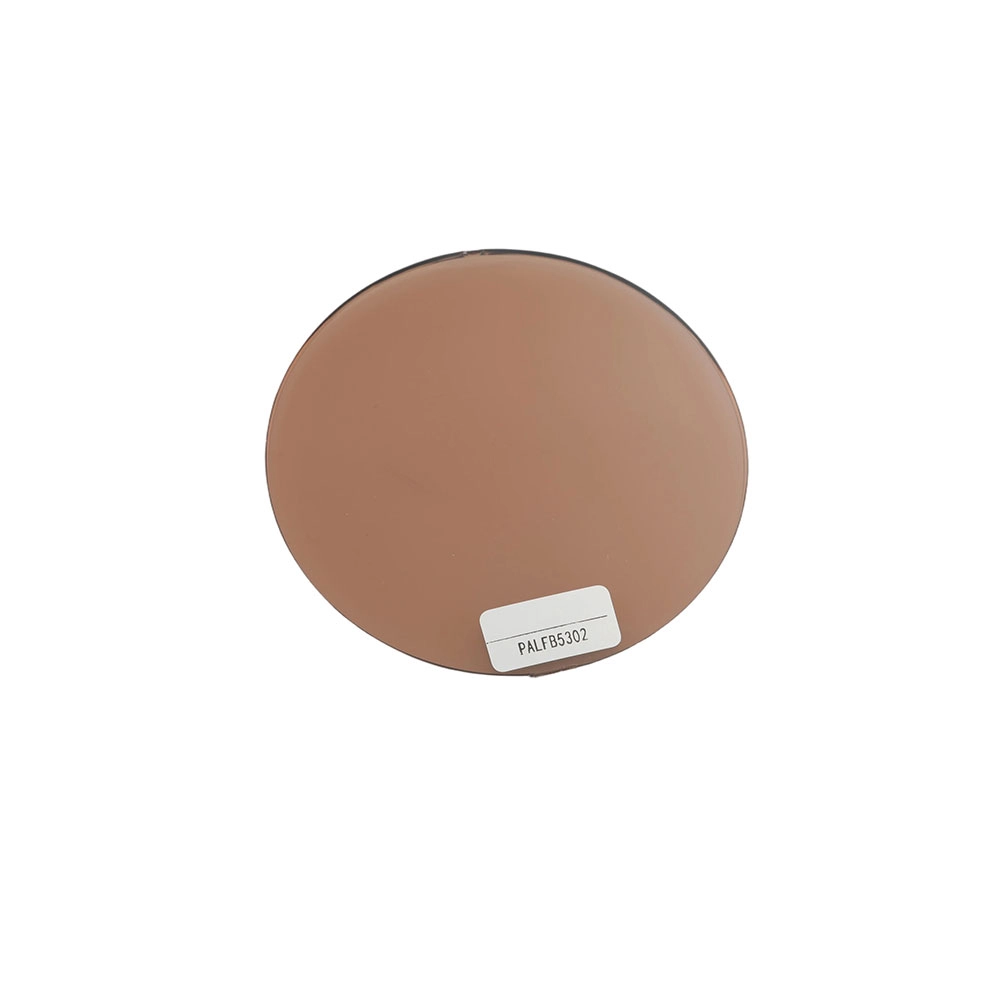
Why Quality Lenses are the Core of Your Eyewear Brand’s Reputation
As a premier high-definition glasses lenses manufacturer, Karuson crafts high-quality Polyamide (PA) Nylon Tinted Lenses that represent the perfect synergy of ultra-lightweight performance and high-toughness durability. By integrating professional-grade tinting technology with advanced material science, we offer a lens solution that delivers exceptional optical clarity alongside vibrant, fashionable color expression. Designed for both daily commutes and trendy lifestyle matching, these lenses provide a comfortable and aesthetic visual experience, serving as a high-performance fashion accessory for the modern, style-conscious consumer.
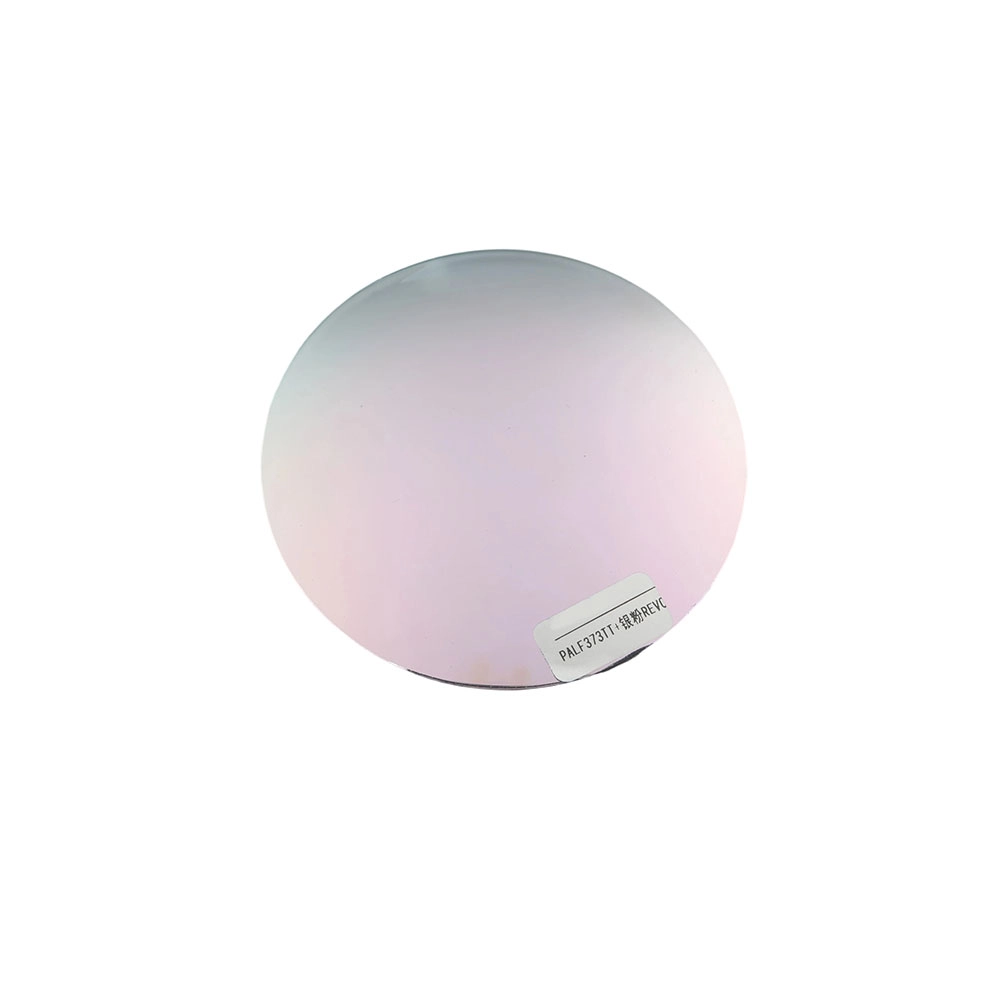
Dynamic Adaptation: Next-Gen Photochromic Lenses for Indoor & Outdoor Use
As premier eyeglass lenses manufacturers, Karuson crafts high-performance PC polarized coated lenses that seamlessly integrate lightweight, impact-resistant polycarbonate with advanced optical film technology. These lenses are engineered to achieve superior glare reduction and enhanced visual definition while offering a spectrum of stylish, customizable tints. Optimized for professional driving, outdoor sports, and urban lifestyles, our manufacturing process ensures that harmful reflections from water, roads, and snow are effectively filtered out. The result is a durable, fashion-forward visual solution that perfectly balances essential eye protection with high-end aesthetic appeal—making them the ideal choice for brands seeking to merge practicality with a modern fashion statement.
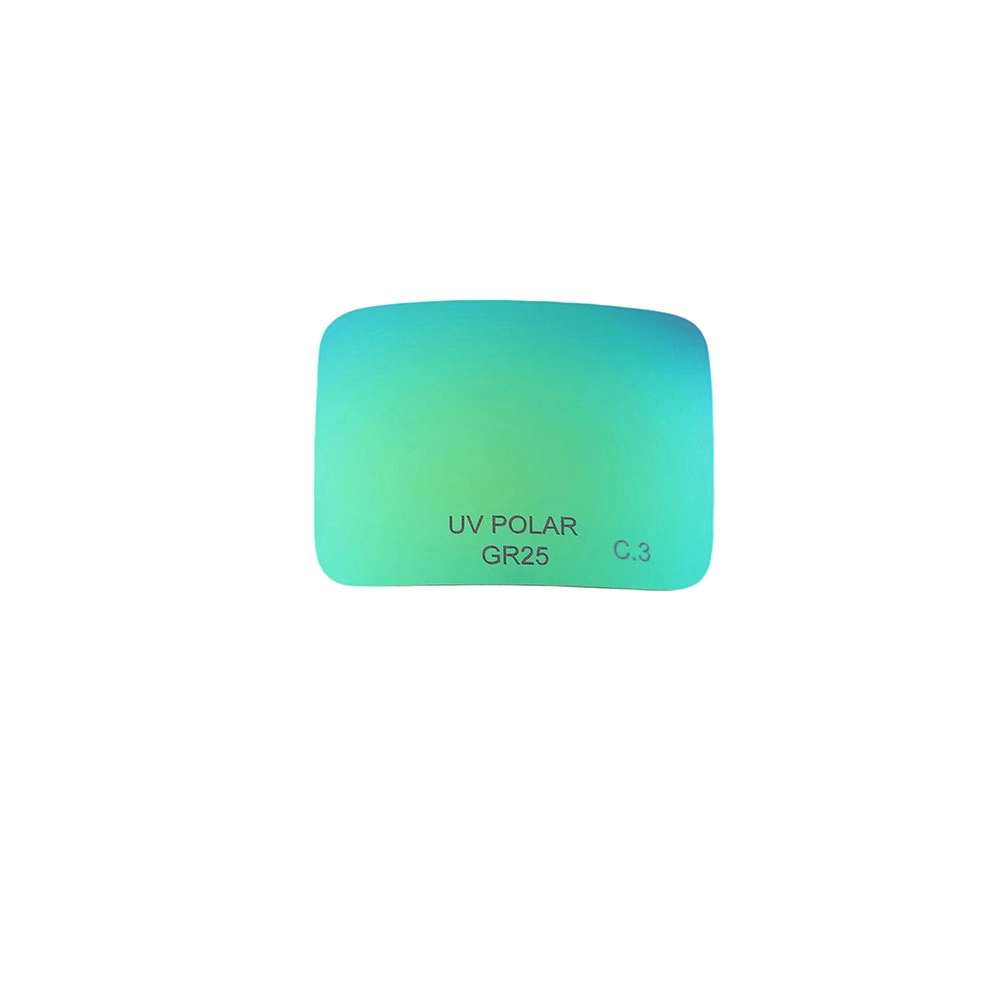
High-Definition Visual Clarity: Premium CR-39 & Polycarbonate Lenses
Experience the precision of a professional custom glasses lenses manufacturer. Karuson polarized lenses are engineered with a 99.9% high-polarization effect to provide unparalleled visual definition and glare reduction. By strategically absorbing reflected light through a high-stability PVA layer, our lenses are optimized for high-intensity outdoor environments, including maritime sailing, hunting, and alpine skiing. Furthermore, our specialized treatment ensures the lenses remain durable and distortion-free even in environments with high heat and humidity.
Get in touch with us
If you have any comments or good suggestions, please leave us a message; later our professional staff will contact you as soon as possible.
NEW DIMENSIONS IN EYEWEAR
Contact KARUSON
Email:
WhatsApp/Phone:
Address:
331 Section B, WanJia Creative Park , No. 1 BUXIA Road ,Tianhe District, Guangzhou City, Guangdong Province, China.

© 2026 KARUSON. All Rights Reserved.
Facebook
Instagram
YouTube
TikTok
Linkedin