


What are prescription sunglasses and why choose them?
- 1. How does an eyewear factory verify prescription lens accuracy for multifocal/progressive lenses during mass production?
- 2. What minimum order quantities and tooling costs should I expect when customizing acetate frames at an eyewear factory?
- 3. How do eyewear factories control blue-light filtering and anti-reflective coating adhesion durability in polarized prescription sunglasses?
- 4. What are realistic lead times and common bottlenecks when ordering prescription sunglasses with custom lens coatings and engraving?
- 5. How can I verify an overseas eyewear factory's compliance with CE, REACH, and material traceability before placing production?
- 6. What are the cost vs optical performance trade-offs when selecting lens materials (CR-39, polycarbonate, Trivex, high-index) for polarized prescription sunglasses?
- Concluding summary: Advantages of working with a verified eyewear factory and choosing prescription sunglasses
Eyewear Factory FAQ: Prescription Sunglasses — 6 Deep Answers for Buyers
This guide answers specific, technical buyer questions about working with an eyewear factory — from QC of progressive lenses and MOQs for acetate frames to coating durability, lead times, compliance checks, and lens material trade-offs. Embedded here are factory-focused terms like lens surfacing, digital freeform, UV400, polarized lenses, AR coating, acetate frame CNC milling, injection molding, quality control sampling, third-party testing (SGS/Intertek/TÜV), and material traceability to help you evaluate suppliers.
1. How does an eyewear factory verify prescription lens accuracy for multifocal/progressive lenses during mass production?
Why this matters: Progressive lenses and customized freeform optics require tight tolerances. Poor verification causes high remakes, returns, and customer dissatisfaction.
Typical factory workflow and verification steps:
- Digital design & order intake: The lab imports patient data (PD, fitting height, mono PD, prescription, corridor length, frame shape) into a CAD/CAM digital freeform platform. Accuracy begins with correct input.
- Surface generation & CNC surfacing: Lenses are cut on digital generators with verified tool offsets. Modern labs use 4- or 6-axis CNC generators or diamond-turning for molds to produce the designed surface.
- Calibration & traceable tooling: Factories maintain calibration logs for generators and edgers (daily/weekly). Tool wear is tracked and replaced on a schedule; critical when producing high cylinder powers or complex progressive zones.
- Optical verification: Each production batch is sampled and measured on a lensometer and, for freeform surfaces, on an automated wavefront or 3D surface profiler. Measurements include sphere, cylinder, axis, and progressive power distribution mapping.
- Tolerances and acceptance criteria: Reputable labs apply industry-accepted tolerances (for example, sphere/cylinder within typical lens lab tolerances and stricter acceptance for progressive inset and prism). For progressives, positional tolerances (fitting height ±0.5–1.0 mm depending on design), inset accuracy, and unwanted astigmatism outside design zones are checked.
- Functional checks: Random pairs undergo patient-simulation checks for near-to-distance transitions and distanced visual corridors. This helps detect surface irregularities not obvious in single-point measurements.
- Traceability: Each lens is labeled/serialized at production with batch and machine ID so QC failures map to the machine/tooling for corrective action.
Buyer checklist before placing large orders:
- Request factory calibration logs and a sample measurement report (sphere/cylinder/axis and freeform surface map) for your prescription range.
- Ask for a small pilot run (10–30 pairs) including edge finishing and coatings to verify fit, progressive corridor feel, and visual comfort.
- Confirm the lab uses digital freeform surfacing and provides wavefront or surface-map verification for progressives rather than relying only on lensometer checks.
2. What minimum order quantities and tooling costs should I expect when customizing acetate frames at an eyewear factory?
Why this matters: Acetate frame customization involves different processes (CNC milling, hand-finishing) than injection-molded plastics; costs and MOQs vary widely and directly impact unit price and time to market.
Key distinctions and cost drivers:
- Custom acetate (patterned, custom sculpted): Most factories produce acetate frames by cutting front/temple blanks from acetate sheets, CNC milling, hand-finishing, polishing, and assembly. Because tooling is minimal, MOQ can be lower. Typical MOQs: 100–300 pieces per color/size for a new acetate shape if the factory commits to hand-finishing and polishing.
- Injection-molded plastic frames (cellulose propionate/nylon blends): These require steel molds. Mold cost depends on part complexity and cavity count. Typical single-cavity steel mold costs for eyewear frames range from about USD 2,500 to USD 12,000; multi-cavity or high-precision molds can exceed USD 15,000. MOQs are higher—usually 500–2,000 pieces per SKU in mass production to amortize mold cost.
- Hybrid approach: Factories often offer a first production run where a lower MOQ is met using pre-existing molds or modified blanks; ask about colorways and existing tool libraries to reduce upfront tooling spend.
- Finishing and hardware: Costs add for metal cores, spring hinges, laser engraving, embedded logos, and plating. Acetate hand-polishing and multi-stage buffing increase labor hours and unit cost—but improve perceived quality.
Buyer strategy to minimize risk and cost:
- Start with a pilot (100–300 pieces) using CNC-milled acetate blanks if you need small MOQ and higher finish quality.
- If volume is expected, invest in mold tooling and negotiate lower per-unit prices once you commit to aMOQ (discuss tiered pricing at 500, 1,000, 5,000 units).
- Obtain a detailed cost breakdown from the factory: mold amortization, material, labor (CNC + hand finishing), plating/painting, and packing.
3. How do eyewear factories control blue-light filtering and anti-reflective coating adhesion durability in polarized prescription sunglasses?
Why this matters: Buyers often see short-lived AR coatings, delamination, or poor polarization when coatings and lamination processes are not industrial-grade.
Typical coating stack and quality controls:
- Lens base material selection: Coating adhesion depends on substrate—CR-39, polycarbonate, Trivex, and high-index all bond differently. Factories condition surfaces (plasma or chemical wash) before coating.
- Hardcoat application: Anti-scratch hardcoats (often UV-cured) are applied first to provide mechanical durability, especially for softer substrates like polycarbonate.
- Polarization lamination: For prescription polarized sunglasses, a polarized film (PVA-based) is laminated to the lens or polarization is cast-in. High-quality lamination uses vacuum lamination to avoid bubbles and strict temperature control to prevent distortion of prescription surfaces.
- AR and blue-light filters: Anti-reflective stacks are deposited via vacuum evaporation or ion-assisted deposition. Blue-light filters can be embedded in the lens material or added as a coating layer with defined spectral transmission curves (e.g., specified nm cut-off or percent blocking between 380–450 nm).
- Adhesion & durability tests: Reputable factories run adhesion tape tests, Taber abrasion tests, and humidity/thermal cycling tests. Salt-spray testing is used for metal parts. For coatings, pass criteria typically require a minimum number of cycles on abrasion testers and no peeling on cross-cut adhesion tests.
Buyer checklist:
- Request technical data sheets showing spectral transmission (UV/visible), polarization efficiency (>99% is achievable for quality polarizers), and AR reflectance (typical good AR: <0.5% reflectance per surface).
- Ask for lab test reports from third-party labs (SGS, Intertek, TÜV) for adhesion, abrasion, and salt spray tests. On-site photos/videos of the vacuum coaters and laminators are useful evidence of proper equipment.
- Insist on a pilot batch of finished prescription polarized sunglasses to verify polarization alignment, AR durability, and optical comfort under real-world use.
4. What are realistic lead times and common bottlenecks when ordering prescription sunglasses with custom lens coatings and engraving?
Why this matters: Buyers underestimate cumulative lead times of multiple specialized steps—this causes stockouts and delayed launches.
Typical timeline breakdown (custom order):
- Design and prototyping: 1–4 weeks. Includes frame samples, prototype lenses, and engraving die/sample approvals.
- Tooling (if required): 2–6 weeks for simple molds, up to 8–12 weeks for complex multi-cavity molds or custom metal parts.
- Lens surfacing and coating setup: 1–2 weeks to set up digital freeform programs and coating recipes if they are unique to the SKU.
- Coating and lamination batch cycles: 1–3 weeks depending on capacity. Vacuum coaters and laminators operate in batches; specialized blue-light or multi-layer AR stacks may require curing and QA windows.
- Assembly and final QC: 1 week for edging, frame fitting, hinge press, engraving, and final inspection (including anti-scratch and adhesion checks).
- Packing, customs clearance, and shipping: 1–3 weeks depending on shipping method and destination paperwork.
Realistic total lead time:
- Using existing molds and standard coatings: 4–8 weeks from order to delivery for production quantities.
- Custom molds + custom coatings/engravings: 8–16 weeks or more, especially if third-party testing or certification is requested.
Common bottlenecks:
- Coating machine capacity—vacuum coaters and laminators often operate on shift schedules; a small factory can become a bottleneck during high season.
- Tooling iterations—mold corrections after first samples add several weeks.
- Third-party testing—laboratory queues can add 2–6 weeks if the lab backlog is high.
Recommendations:
- Plan for buffer time (add 20–30% to estimated lead times) for new SKUs with custom coatings or molds.
- Negotiate priority runs for critical launches and confirm machine capacity in writing.
5. How can I verify an overseas eyewear factory's compliance with CE, REACH, and material traceability before placing production?
Why this matters: Non-compliant shipments can be stopped at customs or lead to rejection by buyers who require chemical and safety compliance (e.g., nickel release limits, REACH SVHC restrictions, and mechanical safety for sunglasses).
Verification steps and documentary evidence to request:
- Certificates and test reports: Ask for third-party test reports from accredited labs (SGS, Intertek, TÜV). Relevant reports include UV protection (spectral transmittance/UV400), chemical tests (REACH SVHC, RoHS if applicable), nickel release for metal parts, and mechanical tests for hinge durability.
- CE-like compliance: For the EU market, sunglasses sold as personal protective equipment (if marketed as protective) or as consumer goods should meet applicable national requirements. Request the factory’s EU representative documentation and their Declaration of Conformity where applicable.
- Material traceability: Request material certificates for acetate, metals, plating, and lens blanks (material grade, batch number). Good factories maintain material traceability for at least critical components and can provide mill certificates or supplier invoices tracing back to raw material providers.
- Factory audits: Commission a third-party factory audit (social/quality) or ask for recent audit reports (ISO 9001, BSCI/SMETA). Audits verify process controls, calibration practices, and record keeping.
- Sample testing: Before full production, ship a pre-production sample to an independent lab in your market to verify claims (UV blocking, polarization efficiency, coating durability).
Red flags:
- Factory unwilling to share third-party reports or only offers self-declarations without lab backing.
- No traceability for plating or acetate sheets (no batch numbers or supplier contact).
- Reluctance to allow audits or provide calibration logs for key equipment (generators, coaters, edgers).
6. What are the cost vs optical performance trade-offs when selecting lens materials (CR-39, polycarbonate, Trivex, high-index) for polarized prescription sunglasses?
Why this matters: Lens material affects weight, thickness, impact resistance, chromatic aberration (Abbe), and cost — crucial for sunglasses where thinness, clarity, and safety matter.
Material properties and trade-offs (practical buyer-focused comparison):
- CR-39 (index ~1.498, Abbe ~58): Pros — excellent optical clarity, high Abbe (less chromatic aberration), economical. Cons — heavier and lower impact resistance compared with polycarbonate/Trivex; not ideal for rimless or very thin designs. Cost: low–mid.
- Polycarbonate (index ~1.586, Abbe ~30): Pros — very impact resistant (good for sports/safety sunglasses), lightweight. Cons — lower Abbe (more chromatic aberration), softer surface—requires high-quality hardcoat. Cost: low–mid.
- Trivex (index ~1.532, Abbe ~45): Pros — good compromise: impact resistance close to polycarbonate, better optical clarity (higher Abbe), lightweight. Excellent for rimless designs and thin prescriptions. Cons — slightly higher price than polycarbonate. Cost: mid.
- High-index (1.60 / 1.67 / 1.74): Pros — reduces lens edge thickness for high prescriptions, allows thin lenses for cosmetic appeal. Cons — generally lower Abbe values as index rises (more chromatic aberration), higher cost, and may require special coatings to manage reflections. Cost: mid–high (increasing with index).
Practical recommendations for polarized prescription sunglasses:
- Low-to-moderate prescriptions (-2.00 to +2.00): CR-39 or Trivex provide excellent clarity; CR-39 is cost-efficient if impact resistance is not a priority. Trivex is preferred if you want better impact resistance with good optical quality.
- Active/sports wear or children’s sunglasses: Polycarbonate or Trivex for impact resistance. Ensure a high-quality hardcoat to avoid scratching.
- High prescriptions (±4.00 and above) or strong astigmatism: Consider high-index lenses to reduce edge thickness, but mitigate chromatic aberration with AR coatings and careful design (aspheric surfaces, digital surfacing).
- Polarization: Polarized film lamination works reliably on Trivex, polycarbonate, and most high-index materials if the factory uses vacuum lamination processes. Verify polarization efficiency and alignment in finished samples.
Cost planning:
- Budget orders: polycarbonate with standard polarized film and hardcoat—low unit cost, high durability.
- High Quality optics: Trivex or high-index digital freeform lenses with multi-layer AR, hydrophobic and oleophobic topcoats—higher unit costs but better visual performance and longevity.
Concluding summary: Advantages of working with a verified eyewear factory and choosing prescription sunglasses
Working with a verified eyewear factory that uses digital freeform surfacing, vacuum coating/lamination, traceable materials, and third-party testing delivers measurable advantages: fewer remakes due to accurate progressive verification, predictable costs through clear MOQ and tooling breakdowns, durable anti-reflective and polarization performance, realistic lead-time planning, and regulatory compliance that reduces market risk. Choosing the right lens material (Trivex/polycarbonate/high-index) based on wearer needs balances comfort, safety, optical clarity, and cost. Together these reduce returns, improve end-user satisfaction, and protect brand reputation.
If you'd like a tailored quote or help vetting factories, contact us and we’ll provide production cost estimates, QC checklists, and pilot-run planning. Visit www.karusonco.com or email nicole@karusonco.com for a quote.
Why Sourcing from a China Eyewear Factory is the Strategic Choice for Global Brands
OEM vs. ODM: Which Partnership Model is Best for Your Eyewear Business?
2026 Eyewear Trend Forecast: Colors, Shapes, and Textures to Watch
About Products
What is the lead time?
Mass production takes [25-35]days; samples take [7-10] days.
Do you support OEM/ODM?
Yes, our R&D and design teams support full customization.
About OEM&ODM
Do you support OEM and ODM?
Yes—we offer both contract manufacturing (OEM) and full product development services (ODM).
Can you help with packaging and logo branding?
Absolutely—we provide branded packaging bags, boxes, logo applications, and display solutions.
What is your production lead time?
Mass production generally takes 30–45 days after sample approval.
You May Also Like
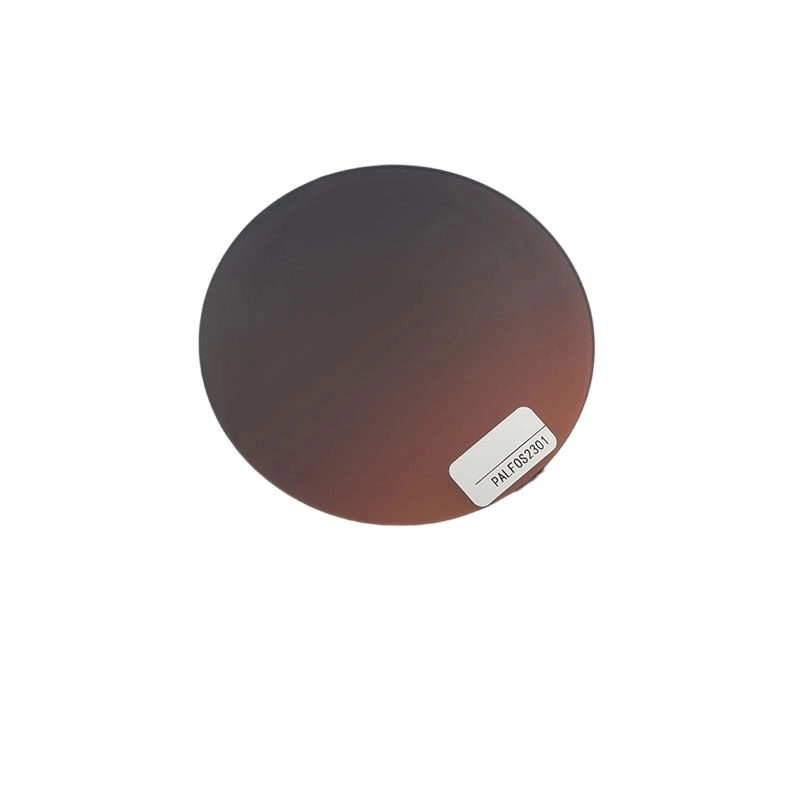
Advanced Sunglasses Solutions: Polarized Lenses with Anti-Seawater Coating
As a versatile photochromic lenses manufacturer and high-performance optics expert, Karuson crafts high-quality Polycarbonate (PC) Gradient Tinted Lenses that perfectly balance aesthetics with advanced protection. By fusing the ultra-lightweight and impact-resistant properties of PC material with precision gradient tinting technology, we deliver a durable visual solution that enhances clarity and comfort for urban lifestyles and outdoor sports. These lenses not only optimize visibility across varying light conditions by reducing glare but also offer a sleek, customizable design—allowing global brands to blend practical eye protection with a modern, fashion-forward accessory.
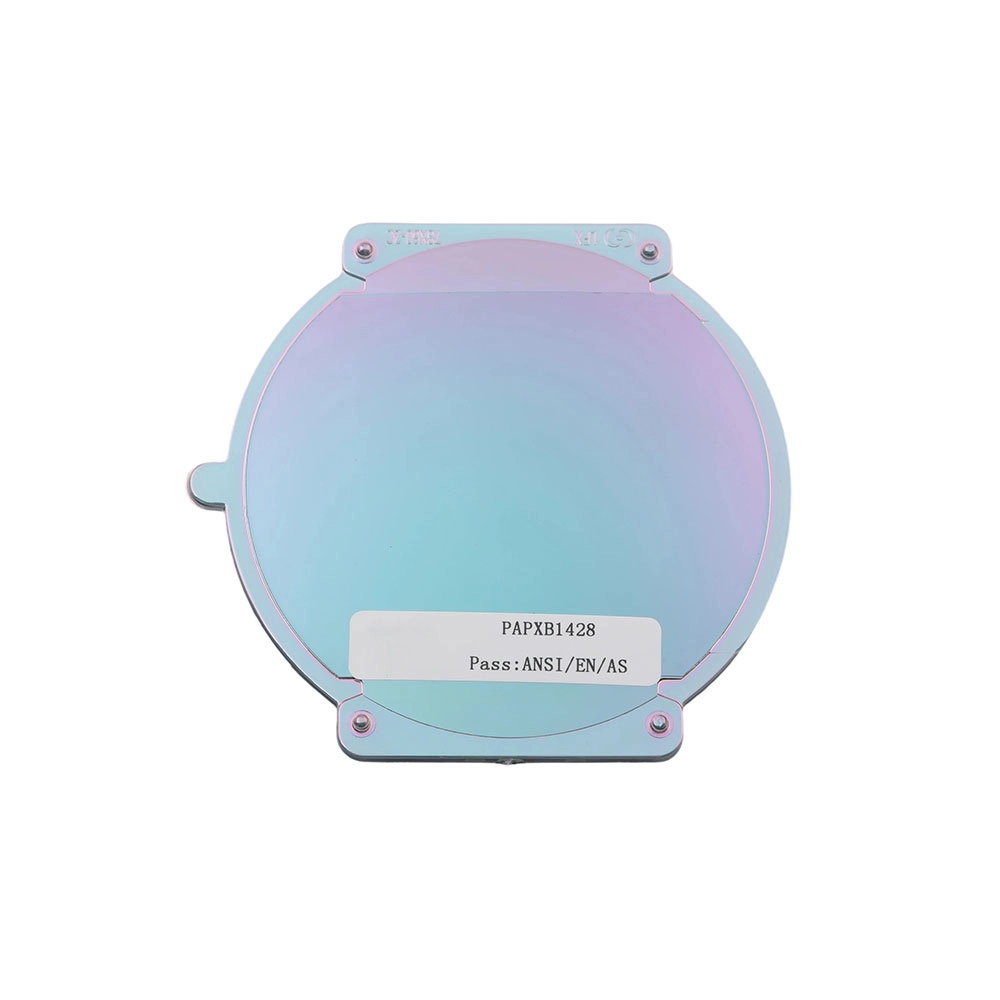
Innovative Lens Technologies: Setting Your Brand Apart in a Competitive Market
Setting a new standard in high-end lenses manufacturing, Karuson’s flagship-grade Polyamide (PA) Nylon polarized lenses seamlessly combine ultra-lightweight material with exceptional, high-toughness durability. By integrating precision polarizing technology, we have created a high-definition visual solution that excels in clarity and comfort for professional driving, outdoor adventures, and competitive sports. This innovation does more than meet expectations—it redefines the performance benchmark for professional polarized optics in the global market.
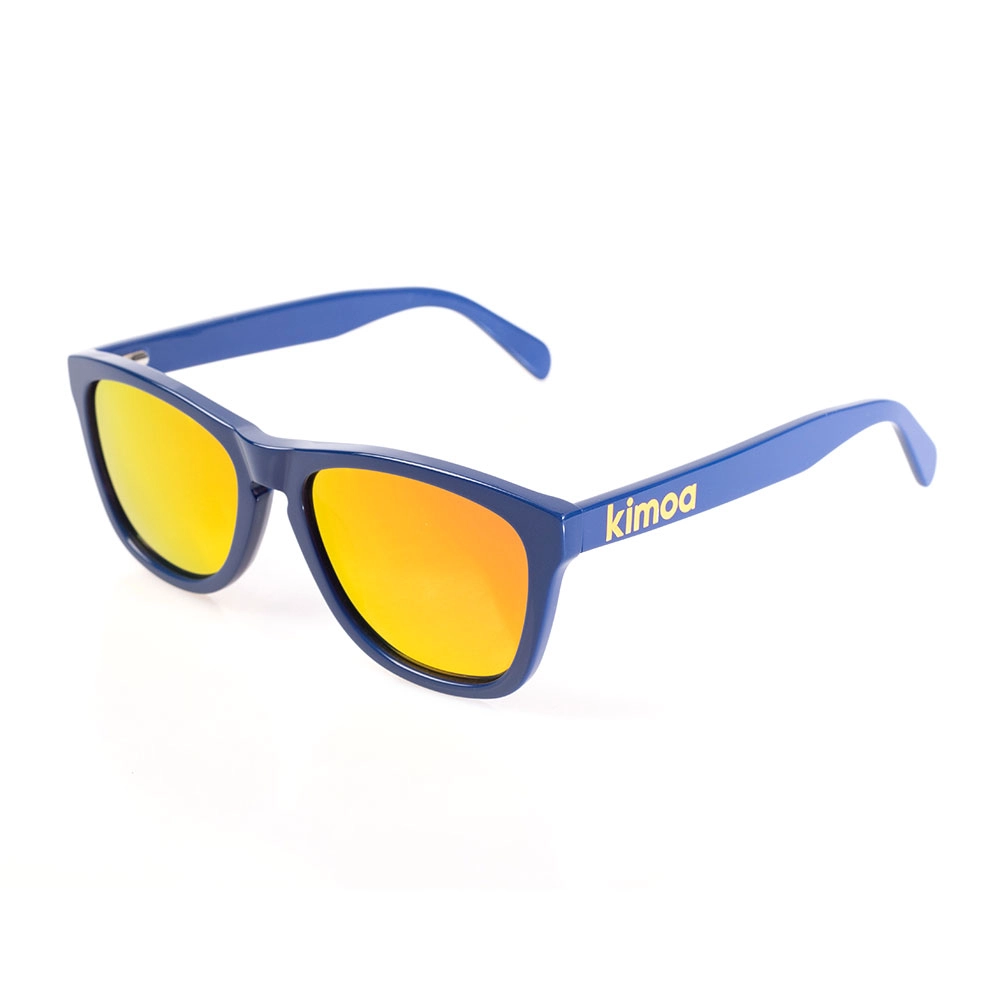
Trendy Blue Framework Sunglasses: Customizable Performance & Style
These eco-friendly bio-acetate sunglasses combine high-performance durability with sustainable innovation, making them the perfect centerpiece for your private label eyewear collection. Engineered for longevity, the frames offer superior impact and scratch resistance, while the UV400 lenses provide essential protection against harmful rays and glare. Available in a spectrum of vibrant, customizable colors, this collection allows eco-conscious brands to offer a premium, lightweight, and stylish choice that refuses to compromise on safety or aesthetics.
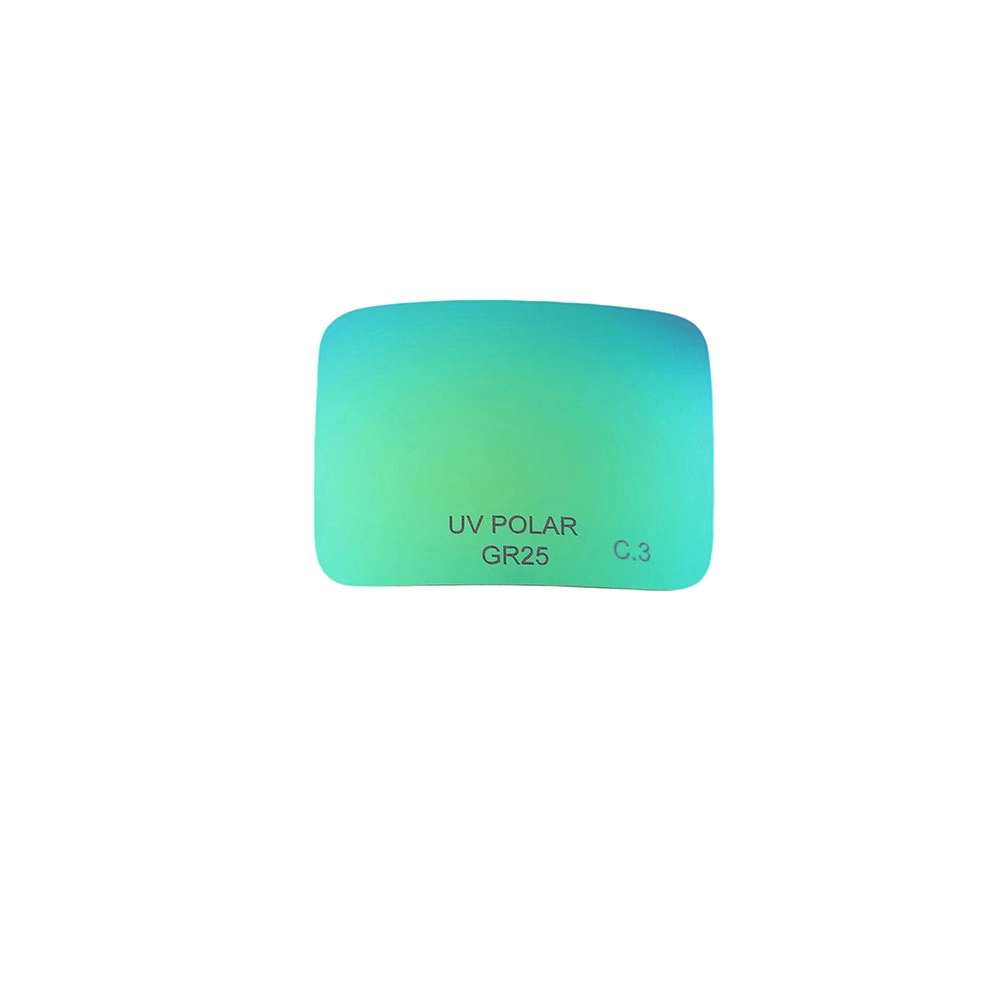
High-Definition Visual Clarity: Premium CR-39 & Polycarbonate Lenses
Experience the precision of a professional custom glasses lenses manufacturer. Karuson polarized lenses are engineered with a 99.9% high-polarization effect to provide unparalleled visual definition and glare reduction. By strategically absorbing reflected light through a high-stability PVA layer, our lenses are optimized for high-intensity outdoor environments, including maritime sailing, hunting, and alpine skiing. Furthermore, our specialized treatment ensures the lenses remain durable and distortion-free even in environments with high heat and humidity.
Get in touch with us
If you have any comments or good suggestions, please leave us a message; later our professional staff will contact you as soon as possible.
NEW DIMENSIONS IN EYEWEAR
Contact KARUSON
Email:
WhatsApp/Phone:
Address:
331 Section B, WanJia Creative Park , No. 1 BUXIA Road ,Tianhe District, Guangzhou City, Guangdong Province, China.

© 2026 KARUSON. All Rights Reserved.
Facebook
Instagram
YouTube
TikTok
Linkedin