



How can a lenses manufacturer reduce environmental waste?
- Introduction
- 1. How can an eyewear factory implement slabless/freeform lens surfacing to cut lens waste and inventory holding costs?
- 2. What specific process changes reduce solvent and coating waste in AR and hardcoat production lines?
- 3. How can an acetate frame production line minimize offcuts and chemical waste during CNC trimming and polishing?
- 4. How can a purchasing manager verify recycled or bio-based acetate and polymer lens materials meet optical and regulatory standards?
- 5. What are practical steps for an eyewear factory to implement closed-loop water treatment for plating, washing and waste minimization?
- 6. How can a lenses manufacturer reduce environmental waste across the product lifecycle (design, production, packaging and end-of-life)?
- Concluding summary
Introduction
When sourcing from an eyewear factory or choosing a lenses manufacturer, procurement teams and product managers face technical, regulatory and sustainability trade-offs that generic guides do not address. Below are six specific, long-tail questions that often lack depth online, each followed by a practical, evidence-based answer referencing proven optical manufacturing practices, environmental standards (ISO 14001, REACH, RoHS) and modern production technologies such as digital surfacing, solvent recovery and closed-loop recycling.
1. How can an eyewear factory implement slabless/freeform lens surfacing to cut lens waste and inventory holding costs?
Problem: Many factories hold large inventories of pre-ground blanks and multiple diopter shells to cover prescriptions. That increases stock obsolescence and scrap when orders shift.
Practical answer: Implementing slabless (also called freeform or digital surfacing) eliminates the need for many standard blanks by producing finished or semi-finished lenses directly from digital prescriptions. Key steps:
- Invest in digital surfacing machines (5‑axis CNC or freeform generators) and compatible prescription management software that can import Rx, pupil distance and frame geometry. This allows one blank type or a smaller subset to cover a wide power range.
- Use advanced lens design software to optimize blank usage per lens design (aspheric/atoric optimization reduces edge thickness and scrap). Surface optimization reduces required material volume and rejects caused by edge trimming.
- Integrate digital edging and automated quality inspection (interferometry, profilometry) inline to stop bad parts early, reducing downstream waste.
- Track KPIs: scrap rate per million lenses, blank turns per month, and average days of inventory; expect meaningful drops in obsolete blank stock when the workflow is fully digitized.
- Cost considerations: capital for surfacers is significant but payback often comes from lower inventory carrying costs, reduced scrap, and faster lead times that enable just-in-time order fulfillment.
2. What specific process changes reduce solvent and coating waste in AR and hardcoat production lines?
Problem: Anti-reflective and hardcoat processes historically use solvent-borne chemistries, spray booths and manual cleaning, generating VOCs, overspray waste and hazardous sludges.
Practical answer: Reduce chemical waste by combining chemistry changes, equipment upgrades and recovery systems:
- Chemistry: transition to waterborne dispersions where optical performance permits; use sol–gel formulations that are low‑VOC or solventless for hardcoats and primer layers. Validate optical durability through accelerated abrasion and humidity tests before scaling.
- Deposition technology: replace wet-spray lines with vacuum PVD (physical vapor deposition) or magnetron sputtering for AR stacks where applicable; these dry processes reduce solvent emissions and minimize hazardous effluent.
- Spray optimization: install closed-loop spray booths, precision nozzles and automated agitation to reduce overspray and rework. Implement electrostatic spray where compatible to increase transfer efficiency.
- Solvent recovery: where solvents remain, install condensers and solvent recovery distillation to reclaim high‑value solvents and reduce hazardous waste volumes sent to disposal facilities.
- Waste handling: segregate rinse waters and coating wastes, condition and concentrate them (e.g., via evaporators) to reduce hazardous volume and allow safer waste disposal or recycling partners to reclaim materials.
3. How can an acetate frame production line minimize offcuts and chemical waste during CNC trimming and polishing?
Problem: Cellulose acetate frame manufacturing produces irregular offcuts, solvent-laden polishing baths and backing wastes that are often landfilled.
Practical answer: Apply design, process and material strategies:
- Optimized nesting: apply CAD nesting algorithms to frame plate layouts to increase raw-sheet utilization and reduce offcuts. Regularly analyze nesting utilization metrics and redesign patterns for popular sizes.
- Reclaim offcuts: implement mechanical grinding and pelletizing of acetate offcuts to produce regrind suitable for non-cosmetic frame parts (e.g., internal bridges, hinge carriers). Establish material grade separation to preserve optical/visual quality for front-of-frame applications.
- Solvent minimization: replace solvent-based polishing with mechanical or ultrasonic polishing using controlled water-based media and closed-loop water filtration (ultrafiltration or fine screens) to remove polymer fines and extend bath life.
- Switch to certified bio- or recycled-acetate where feasible: validate thermal and mechanical behavior in production trials to avoid increased scrap rates.
- Implement conveyor dust capture and HEPA/local exhaust at CNC cells to recover dust and reduce airborne contamination that can reject mirror-polished surfaces.
4. How can a purchasing manager verify recycled or bio-based acetate and polymer lens materials meet optical and regulatory standards?
Problem: Suppliers market recycled/bio materials, but buyers need assurance that they meet clarity, dimensional stability, scratch resistance and regulatory compliance (REACH, RoHS, FDA when applicable).
Practical answer: Combine documentation, testing and factory audits:
- Request and verify supplier certifications and traceability: chain-of-custody for recycled feedstock (e.g., ISCC, third-party recycled content certificates), REACH and RoHS declarations, and material safety data sheets (MSDS).
- Independent lab testing: require optical tests on pilot batches — refractive index, Abbe number, yellowness index, tensile properties, heat deflection temperature and accelerated weathering (UV exposure). Perform abrasion resistance tests (ISO 178, ISO 9352 equivalents) and check bonding compatibility with typical coatings.
- Process qualification: run pilot production to verify thermoforming, CNC machining, ultrasonic welding or solvent bonding behavior. Recycled polymers can have different melt-flow or shrinkage demands; adjust tooling/processes accordingly.
- On-site audit: evaluate supplier quality systems, contamination controls, melt filtration, and segregation of virgin vs. recycled streams. Ensure their quality control labs use calibrated instruments and documented sampling plans.
5. What are practical steps for an eyewear factory to implement closed-loop water treatment for plating, washing and waste minimization?
Problem: Plating (metal coatings on frames/parts), ultrasonic washing and polishing consume water and generate effluents with COD, heavy metals, surfactants and plating residues.
Practical answer: Design a multi-stage closed-loop utility system focused on segregation, treatment and reuse:
- Segregation at source: separate rinse and plating baths by contaminant group (heavy-metals containing vs. low-organic rinse) to avoid cross-contamination that complicates treatment.
- Primary treatment: install clarifiers and API separators for oil and particulate removal; chemical dosing for pH adjustment and metal precipitation where plating metals are present.
- Advanced treatment: use ultrafiltration/nanofiltration to concentrate organics and suspended solids, and reverse osmosis (RO) for high‑quality reuse water where required (e.g., final rinses). Consider evaporators for sludge volume reduction when hazardous solids are generated.
- Reuse loops: route treated water back to wash stages with the most tolerance to residuals (pre-rinse, ultrasonic baths). Keep a fresh-water polishing stage downstream to protect final coating quality.
- Monitoring and compliance: install inline sensors for conductivity, pH and turbidity and maintain records to comply with local discharge permits or zero-liquid-discharge targets. Use COD/BOD and heavy metal lab testing at defined intervals to validate treatment efficacy.
6. How can a lenses manufacturer reduce environmental waste across the product lifecycle (design, production, packaging and end-of-life)?
Problem: Many lens makers focus only on production-line waste, missing upstream design choices and downstream take-back that together determine lifecycle footprint.
Practical answer: Adopt a lifecycle approach combining eco-design, production efficiency, circular programs and supplier alignment:
- Design for minimal material and modular repairability: design frames and lens modules so that lenses can be removed and re-used in new frames, or frames repaired instead of discarded.
- Select low-impact materials that meet performance: validated bio-based polymers, recycled acetate, and high-durability coatings that extend product life (reducing replacement rate).
- Lean production and digitalization: apply value-stream mapping, defect-per-million tracking and digital workflows (slabless surfacing, automated inspection) to reduce scrap and rework.
- Packaging reduction: move to recyclable, mono-material packaging and design reclaimable inserts. Use minimal virgin cardboard and avoid mixed-material laminates that complicate recycling.
- Producer responsibility: set up take-back or repair programs (in-store drop-off or mail-back) and collaborate with certified recyclers to reclaim acetate and metal parts. Use EPR (extended producer responsibility) frameworks where they exist to share costs and compliance burdens.
- Measure and report: adopt environmental management systems (ISO 14001) and publicly report metrics such as waste-to-landfill, percent recycled content and energy intensity (kWh per 1,000 lenses). Transparent KPIs help buyers evaluate supplier sustainability claims.
Concluding summary
Adopting digital surfacing, solvent recovery and closed-loop water systems, improving acetate offcut reclamation, and demanding verified recycled materials lets eyewear factories and lenses manufacturers reduce waste while improving margins and compliance. These measures cut inventory, lower hazardous waste volumes, and support circular product strategies that buyers increasingly require.
For a quote or to discuss a tailored sustainability and procurement plan for your eyewear production, contact us at www.karusonco.com or nicole@karusonco.com.
Why Sourcing from a China Eyewear Factory is the Strategic Choice for Global Brands

OEM vs. ODM: Which Partnership Model is Best for Your Eyewear Business?
2026 Eyewear Trend Forecast: Colors, Shapes, and Textures to Watch
About Products
What is the lead time?
Mass production takes [25-35]days; samples take [7-10] days.
Do you offer samples?
Yes, paid samples or refundable samples are available.
How do you ensure product quality?
Full QC process, factory testing, and international certifications.
About OEM&ODM
How do we start a project with Karuson?
Send us your product idea or requirements—our team will review, advise, and provide the best solution and quotation.
What is your production lead time?
Mass production generally takes 30–45 days after sample approval.
You May Also Like
Why Quality Lenses are the Core of Your Eyewear Brand’s Reputation
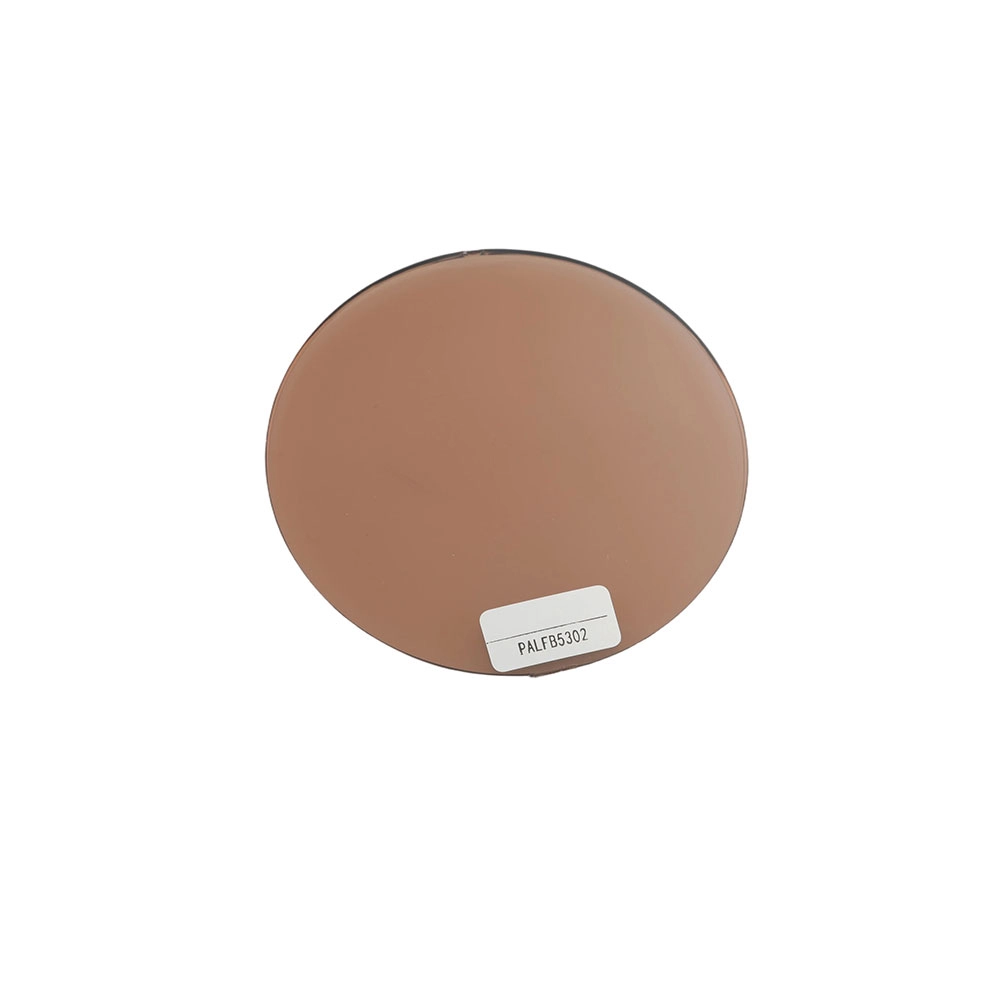
As a premier high-definition glasses lenses manufacturer, Karuson crafts high-quality Polyamide (PA) Nylon Tinted Lenses that represent the perfect synergy of ultra-lightweight performance and high-toughness durability. By integrating professional-grade tinting technology with advanced material science, we offer a lens solution that delivers exceptional optical clarity alongside vibrant, fashionable color expression. Designed for both daily commutes and trendy lifestyle matching, these lenses provide a comfortable and aesthetic visual experience, serving as a high-performance fashion accessory for the modern, style-conscious consumer.
Dynamic Adaptation: Next-Gen Photochromic Lenses for Indoor & Outdoor Use
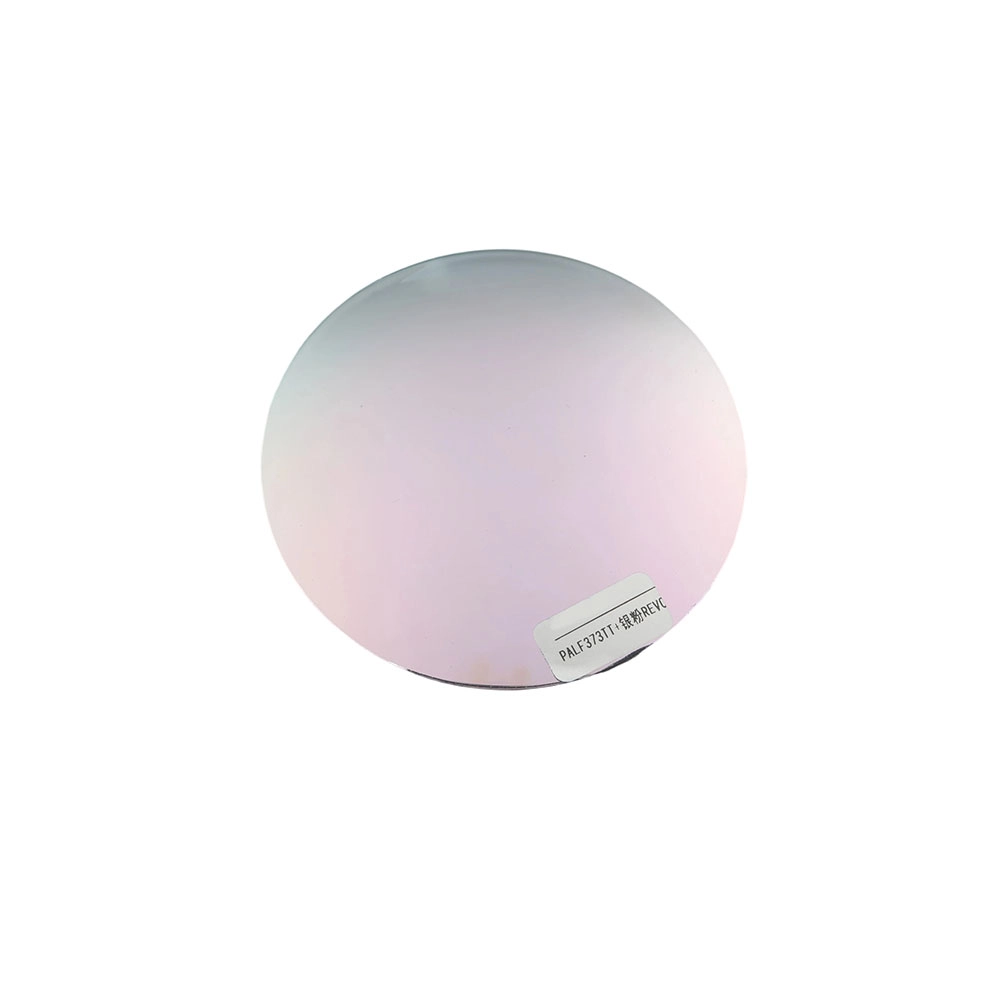
As premier eyeglass lenses manufacturers, Karuson crafts high-performance PC polarized coated lenses that seamlessly integrate lightweight, impact-resistant polycarbonate with advanced optical film technology. These lenses are engineered to achieve superior glare reduction and enhanced visual definition while offering a spectrum of stylish, customizable tints. Optimized for professional driving, outdoor sports, and urban lifestyles, our manufacturing process ensures that harmful reflections from water, roads, and snow are effectively filtered out. The result is a durable, fashion-forward visual solution that perfectly balances essential eye protection with high-end aesthetic appeal—making them the ideal choice for brands seeking to merge practicality with a modern fashion statement.
High-Definition Visual Clarity: Premium CR-39 & Polycarbonate Lenses
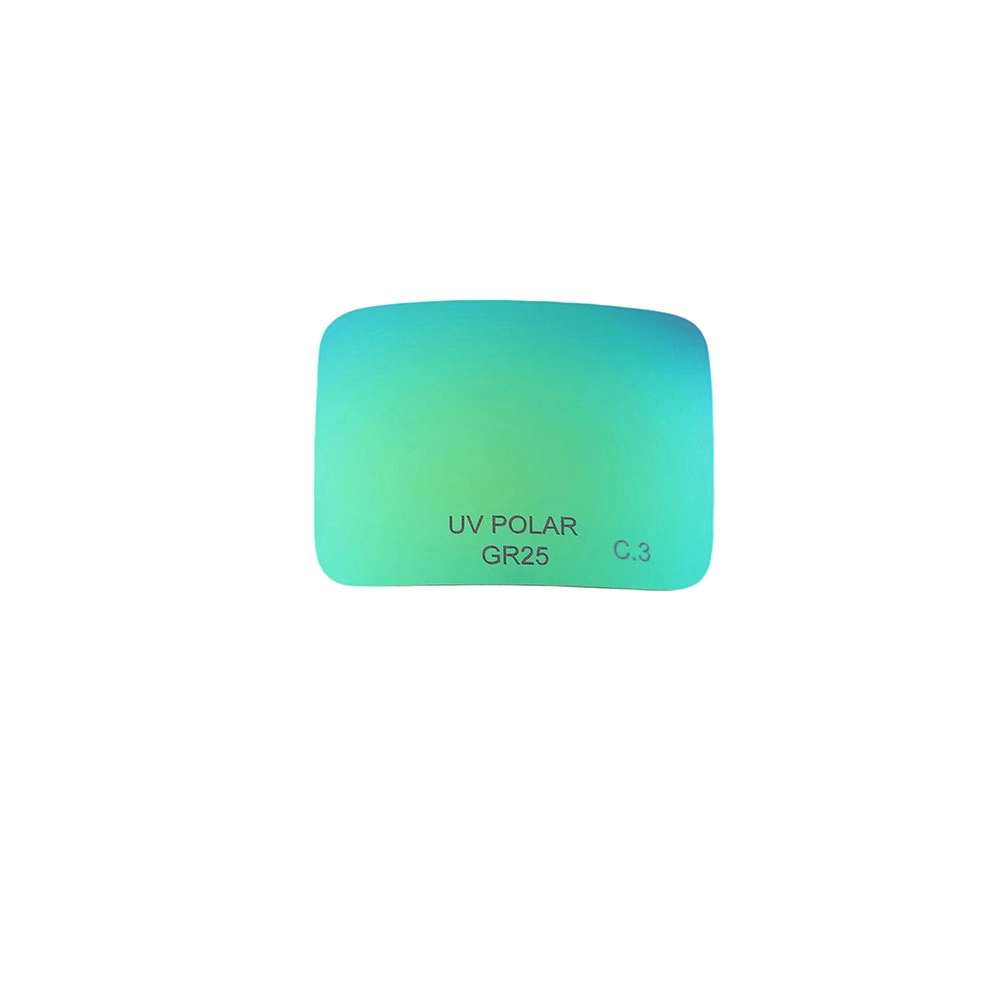
Experience the precision of a professional custom glasses lenses manufacturer. Karuson polarized lenses are engineered with a 99.9% high-polarization effect to provide unparalleled visual definition and glare reduction. By strategically absorbing reflected light through a high-stability PVA layer, our lenses are optimized for high-intensity outdoor environments, including maritime sailing, hunting, and alpine skiing. Furthermore, our specialized treatment ensures the lenses remain durable and distortion-free even in environments with high heat and humidity.
Professional Sports Style Sunglasses
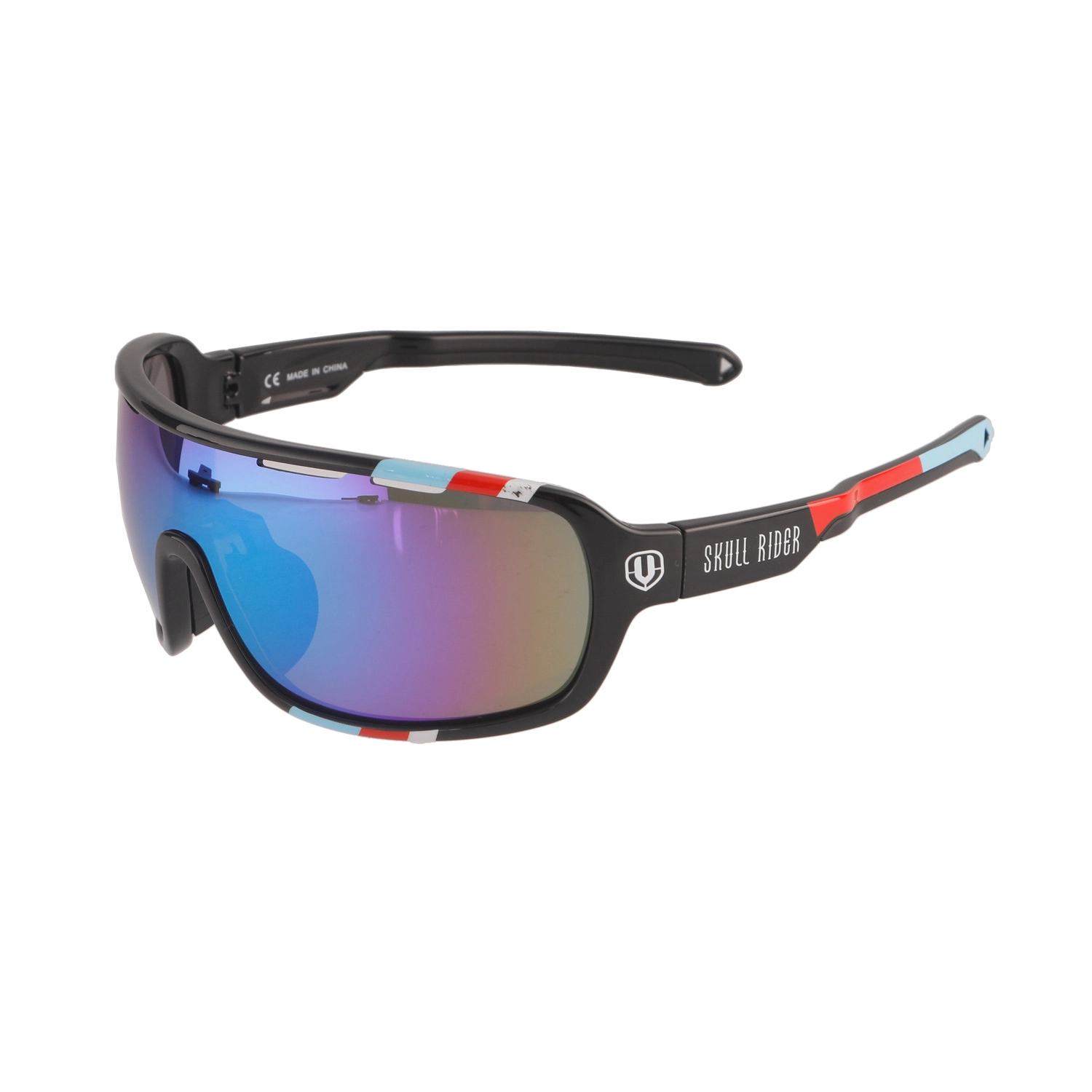
These sports sunglasses are engineered to withstand extreme conditions while offering superior eye protection and style. Crafted with high-strength bio-acetate frames/PC/TR material, they feature exceptional impact resistance, scratch resistance, and wear resistance, ensuring longevity even during intense activities like cycling, hiking, or water sports.
The UV400 lenses provide 100% protection against harmful ultraviolet rays and reduce glare, minimizing eye fatigue and enhancing visual clarity. Perfect for outdoor enthusiasts, these sunglasses are available in vibrant, customizable colors and lightweight designs, making them a comfortable choice for all-day wear.
Get in touch with us
If you have any comments or good suggestions, please leave us a message; later our professional staff will contact you as soon as possible.
NEW DIMENSIONS IN EYEWEAR
Contact KARUSON
Email:
WhatsApp/Phone:
Address:
331 Section B, WanJia Creative Park , No. 1 BUXIA Road ,Tianhe District, Guangzhou City, Guangdong Province, China.

© 2026 KARUSON. All Rights Reserved.
Facebook
Instagram
YouTube
TikTok
Linkedin