


What Lens Treatments Matter When Customizing Rx Sunglasses?
- 1) What exact lens coatings should I insist on from an eyewear factory for custom Rx sunglasses used outdoors in high-glare environments?
- 2) How can I avoid unacceptable edge thickness and decentration on high myopia or high hyperopia Rx sunglasses from an eyewear factory?
- 3) Can I combine polarization, anti‑reflective back coating and a mirrored front finish for wraparound Rx sunglasses? What are the practical limitations?
- 4) Which factory quality tests and certifications should I request to verify UV protection, coating adhesion and optical power on Rx sunglasses?
- 5) How does lens base curve, wrap angle and pantoscopic tilt from my chosen frame affect the effective Rx and what must a factory do to compensate during surfacing?
- 6) What are realistic lead times, minimum order quantities and cost trade-offs when ordering custom Rx sunglasses from an overseas eyewear factory?
- Concluding summary: Advantages of working with a reputable eyewear factory for custom Rx sunglasses
As an eyewear factory expert with years of production, QC and sourcing experience, this guide answers six specific long-tail questions beginners frequently search for but seldom find fully detailed answers to. It embeds practical factory-side advice on lens materials, AR and mirror coatings, polarization, base curve effects, certification tests, MOQ and lead times, and how to avoid costly remakes. Semantic keywords such as eyewear factory, prescription sunglasses, lens coatings, AR coating, polarized lenses, UV400, high-index lenses, polycarbonate, acetate frames, CNC machining, injection molding, QC testing, and ISO certification appear naturally below to help you when sourcing from a manufacturer.
1) What exact lens coatings should I insist on from an eyewear factory for custom Rx sunglasses used outdoors in high-glare environments?
Beginners often get a generic checklist (AR, hydrophobic, scratch), but outdoors and high-glare work demand a prioritized, trade-off-aware specification. Ask your factory for the following, in this order, and request documented performance values:
- UV400 blocking (mandatory): Require lab spectrophotometer results showing transmittance ≤1% up to 400 nm (or equivalent wording). UV400 ensures virtually full UVA/UVB protection — a baseline for sunglass lenses.
- Polarization (where appropriate): For horizontal surface glare (water, snow, road), polarized lenses are essential. Specify polarization type (laminated polarizing film vs. molded polarized lens) and provide acceptable axis tolerance (±3°). Note: polarization affects viewing of LCD screens and may reduce visibility of certain instrument displays.
- Mirror coating (optional, cosmetic + glare reduction): If you want mirrored finishes, ask for adhesion test reports (salt-spray or accelerated humidity) and color fastness info. Mirrors reduce forward light but can complicate recoat/AR adhesion on the back surface.
- Anti‑reflective (AR) on the back surface: For sunglasses the most useful AR is on the rear surface to cut internal reflections that cause eye strain. Request % reflectance values (e.g., <1.5% average across visible) and warranty on peeling or discoloration.
- Hard coat / scratch resistance: Coated lenses still scratch. Ask for abrasion test results (Taber abrasion per ASTM D1044 or equivalent) and clarify that hard coats improve scratch resistance but don’t make lenses scratch-proof.
- Hydrophobic / oleophobic topcoat: Check contact-angle data or qualitative results showing faster water-sheeting and easier cleaning. This reduces smearing from sweat, sunscreen and oils.
- Anti‑fog (if needed): Durable anti‑fog treatments are useful for humid/cold transitions; verify how long the effect lasts under repeated wash cycles.
Trade-offs & sequencing: for factory workflows the usual sequence is: lens surfacing → polarization lamination (if applicable) → mirror deposition → AR on the back surface → topcoat (hydrophobic/oleophobic). Some treatments conflict (e.g., mirror applied over AR can cause delamination), so specify sequencing and ask for coating-process flowchart and adhesion test certificates. For high-exposure outdoor use ask the factory to run accelerated UV/humidity cycles (e.g., 1,000+ hours) on coated samples.
2) How can I avoid unacceptable edge thickness and decentration on high myopia or high hyperopia Rx sunglasses from an eyewear factory?
Many beginners order a trendy wrap or oversize frame without considering optical geometry; the result is thick edges, heavy lenses, or off-axis optics. To avoid this, require the factory to provide a technical plan that includes:
- Lens blank selection: Specify lens material and blank diameter. High myopes benefit from smaller eye size and high-index materials (1.67, 1.74) to reduce edge thickness. For impact-rated or lightweight needs, use Trivex or polycarbonate (thicker but safer).
- Minimum blank size & decentration allowance: For large or offset frames, ensure the requested blank diameter covers PD + frame decentration with at least 2–3 mm spare to allow accurate edging. Ask the factory to confirm blank usable area in mm.
- Base curve and wrap considerations: Wrap frames change effective power and optical center position. Require that the lab compensates for base curve and wraps (nominal wrap angles) during free-form surfacing, and provides effective power measurements.
- Edge polish and bevel profile: For thick negative lenses, specify edge blending/feathering and minimum skirt height for lens retention. For plus lenses, ask for plano bevel sizing and minimum front thickness to avoid a doll‑eye look.
- Prototype & sample policy: Insist on one or two pre-production samples (paid) to confirm edge thickness and cosmetic acceptance before bulk tooling/production.
Actionable specs to send to the factory: prescription (sphere/cylinder/axis), monocular PD, frame make/model and A/B/DBL, desired lens material, intended coatings, and tolerance on centration (e.g., prism and power tolerances per ISO 8980-1). If you don’t provide frame parameters, request that the factory measures the frame and returns a centration diagram before producing lenses.
3) Can I combine polarization, anti‑reflective back coating and a mirrored front finish for wraparound Rx sunglasses? What are the practical limitations?
Yes, but there are specific factory constraints and failure modes you must manage. Beginners often assume all coatings stack cleanly; in reality sequencing, adhesion compatibility and lens geometry matter.
- Best practice stack for polarized wrap sunglasses: For laminated polarized lenses the common stack is: surfacing → insert/laminate polarizing film → apply mirror or tint on front → apply AR on back → apply hydrophobic topcoat. For molded polarized lenses, the polarization is integrated during polymer casting; mirror and AR processes are similar.
- Limitations:
- Polarization film must be perfectly aligned with respect to the wearer and frame wrap; specify axis tolerance. If the frame wrap is steep, the film lamination must be contoured to avoid optical distortion.
- Mirrors reduce visible light transmission (VLT). Combined with dark tints you can easily drop VLT below safe levels for driving or low-light conditions — specify acceptable VLT % for the intended use.
- AR layers are typically applied to the back surface. If the mirror/metallic finishes on the front are applied improperly, chemical interaction can later cause AR delamination; ask for documentation of cross-compatibility tests.
- Edge sealing is critical for laminated polarized lenses to prevent moisture ingress that causes delamination. For wrap frames with deep bevels, request edge-sealing details.
- Testing to request: send samples for environmental cycling, adhesion (ASTM D3359 cross-cut tape test), and optical power verification after lamination to ensure no induced astigmatism.
In short: possible and common, but demand factory process maps, adhesion/aging test results and a sample run to confirm polarization axis, VLT and optical stability for wrap geometries.
4) Which factory quality tests and certifications should I request to verify UV protection, coating adhesion and optical power on Rx sunglasses?
Beginners often accept CE or a label alone. Ask for documented test reports and lab measurements tied to recognized standards. At minimum request:
- UV transmittance report: Spectrophotometer measurement showing compliance with UV400 or EN ISO 12312-1:2013 criteria (sunglasses standard) — this demonstrates blocking up to 400 nm.
- Optical power and tolerances: A lensometer or wavefront/free-form report demonstrating refractive power and cylinder within ISO 8980-1 tolerances for prescription accuracy.
- Coating adhesion: Adhesion test reports such as ASTM D3359 (cross-cut/tape) or equivalent, plus accelerated humidity/temperature cycling to show no peeling or discoloration.
- Abrasion resistance: Taber abrasion or ASTM D1044 results for hard coat effectiveness. Ask for number of cycles to specified haze thresholds.
- Environmental aging: Salt-spray or humidity + UV aging reports for mirror and metallic coatings, typically 500–1,000 hours depending on product claims.
- Impact and safety: If you claim impact resistance, request testing to ANSI Z87.1 (USA) or equivalent EN standards for protective eyewear. For general sunglasses, CE marking indicates compliance with EU personal protective equipment directives for sunglasses as applicable.
Request copies of the actual lab certificates (PDF) from recognized third-party labs or internal QC bench results showing instrument serial numbers and calibration dates. If the factory uses an in-house lab, ask for a third-party spot test to verify results. These documents are the factory equivalent of a product's financial audit: they prove the lens treatments and sunglasses are fit for purpose.
5) How does lens base curve, wrap angle and pantoscopic tilt from my chosen frame affect the effective Rx and what must a factory do to compensate during surfacing?
Frame geometry changes how a lens performs optically. This is often an overlooked cause of customer complaints (distortion, blur, or induced prism). Key points to insist upon:
- Base curve & wrap: Sunglass frames use a base curve and sometimes wrap that change the effective optical power when viewed off-axis. For wrap frames, the factory must know the frame's wrap angle and base curve and program these into the free-form surfacing data.
- Pantoscopic tilt and facial fit: The tilt between the lens and the optical axis (pantoscopic tilt) changes effective cylinder and can introduce vertical prism. Provide the factory with assumed pantoscopic tilt (typical 6–8° for standard frames, higher for sports fits) or request that they surface lenses with the frame-mounted measurement.
- Free-form compensation: For anything beyond simple spherical prescriptions, require free-form surfacing that compensates for frame geometry, centration, and tilt. Ask for a digital lens map preview or proof of the lens design showing compensated power across the visual zone.
- Tolerance specs: Define acceptable limits for induced prism and unwanted astigmatism. Factories commonly follow ISO 8980 standards; request the lab’s tolerance matrix for off‑axis power.
Action item: When you send a purchase order, include frame geometry (A, B, DBL), wrap/base curve, expected PD, and anticipated pantoscopic tilt. If the factory cannot do free-form compensation, don’t use heavily wrapped frames for high-cylinder prescriptions — ask for a flatter ophthalmic frame instead.
6) What are realistic lead times, minimum order quantities and cost trade-offs when ordering custom Rx sunglasses from an overseas eyewear factory?
Online answers often show outdated MOQs and unrealistic turnarounds. Realistic expectations (2024 industry norms) are:
- Lead times:
- Prototype/sample: 7–21 calendar days (depends on lens complexity and coating availability).
- Small production (under 500 pcs per SKU): 4–8 weeks after sample approval.
- Full production runs with tooling or complex coatings: 8–12+ weeks, especially when mirror, polarized lamination and free-form lenses are required.
- Minimum order quantities (MOQs):
- Simple lens-only runs or stocked tints: MOQs can be as low as 25–50 per SKU for specialized suppliers.
- Custom combinations (specific frame + custom Rx + multiple coatings): many factories expect 100–300 pcs per SKU to be cost-effective. OEM brand tooling for frames can increase MOQ further.
- Cost trade-offs:
- Materials: CR‑39 is cheapest for surfacing; polycarbonate/Trivex are slightly more for impact resistance; high-index (1.67/1.74) costs more but reduces thickness for high prescriptions.
- Coatings: Basic hard coat and tint are low-cost add-ons. High Quality multi-layer AR, hydrophobic/oleophobic and durable anti‑fog add incremental cost; laminated polarization and free-form surfacing are among the highest-cost items per lens.
- Per-unit cost reduces as MOQ increases and processes are consolidated (batch coating, combined shipping, fewer reworks).
Negotiation levers: commit to larger runs for lower per-unit costs, accept standard tints and coatings to reduce lead times, or work with a factory that offers stock blank programs to cut down surfacing time. Always include allowance for rework and sample approval time in your project schedule.
Concluding summary: Advantages of working with a reputable eyewear factory for custom Rx sunglasses
Choosing a qualified eyewear factory that documents processes and test results gives you: consistent optical quality (through ISO/ANSI testing and free-form surfacing), reliable coating performance (backed by adhesion and aging tests), lower overall risk of rework, and scalable pricing when you optimize MOQ and specifications. Factories that publish their QC methods (spectrophotometer UV reports, Taber abrasion, ASTM/ISO adhesion tests, free-form surfacing files) provide evidence of E-E-A-T level reliability and let you make informed trade-offs between weight, impact resistance, edge thickness and cosmetic finish. For first orders, require samples, ask for third-party verification where possible, and include clear acceptance criteria on UV transmittance, centration tolerance and coating adhesion.
If you want a factory partner that can deliver validated specs, process maps and production samples for custom Rx sunglasses, contact us for a quote at www.karusonco.com or nicole@karusonco.com.
How to Choose the Best Material for Sports Sunglasses: TR90 vs. Carbon Fiber vs. Titanium
Why Sourcing from a China Eyewear Factory is the Strategic Choice for Global Brands
OEM vs. ODM: Which Partnership Model is Best for Your Eyewear Business?
2026 Eyewear Trend Forecast: Colors, Shapes, and Textures to Watch
About Products
Do you offer samples?
Yes, paid samples or refundable samples are available.
What is the MOQ?
Usually ≥100, depending on the model.
What is the lead time?
Mass production takes [25-35]days; samples take [7-10] days.
About OEM&ODM
What is your production lead time?
Mass production generally takes 30–45 days after sample approval.
How do we start a project with Karuson?
Send us your product idea or requirements—our team will review, advise, and provide the best solution and quotation.
You May Also Like
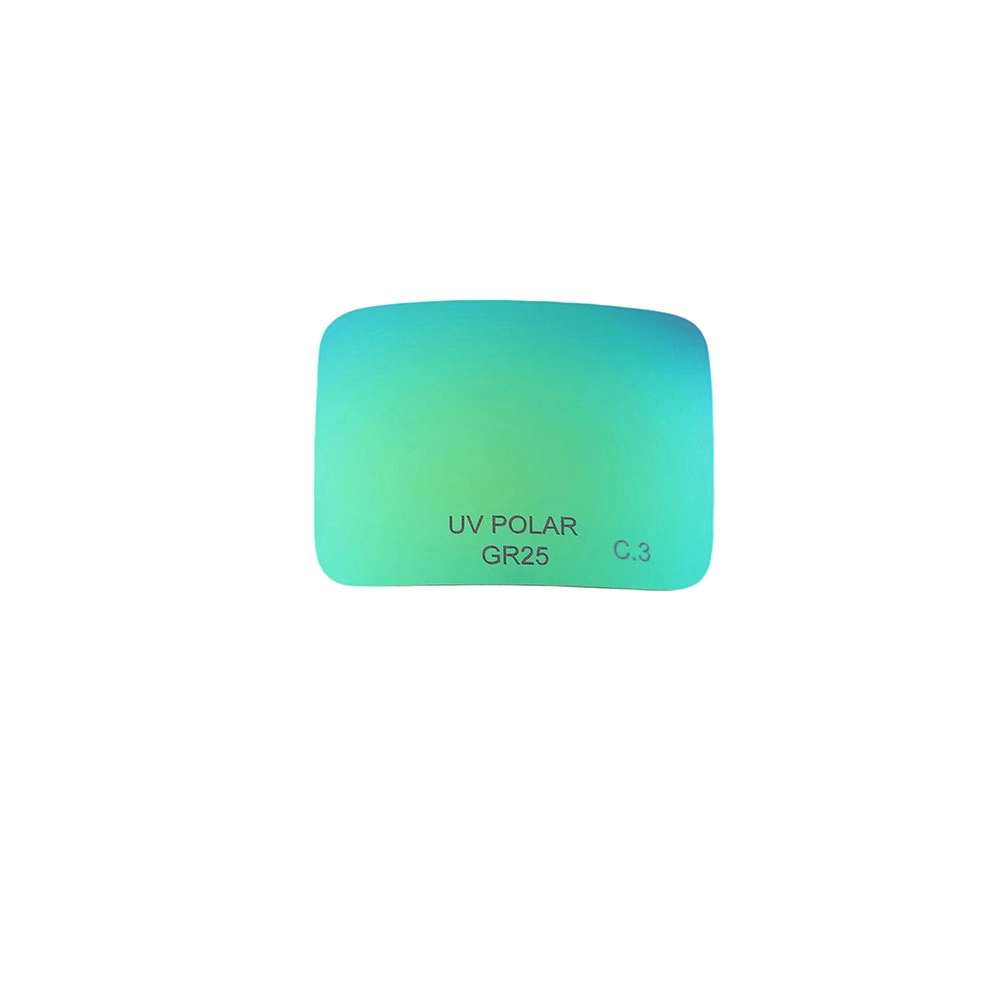
High-Definition Visual Clarity: Premium CR-39 & Polycarbonate Lenses
Experience the precision of a professional custom glasses lenses manufacturer. Karuson polarized lenses are engineered with a 99.9% high-polarization effect to provide unparalleled visual definition and glare reduction. By strategically absorbing reflected light through a high-stability PVA layer, our lenses are optimized for high-intensity outdoor environments, including maritime sailing, hunting, and alpine skiing. Furthermore, our specialized treatment ensures the lenses remain durable and distortion-free even in environments with high heat and humidity.
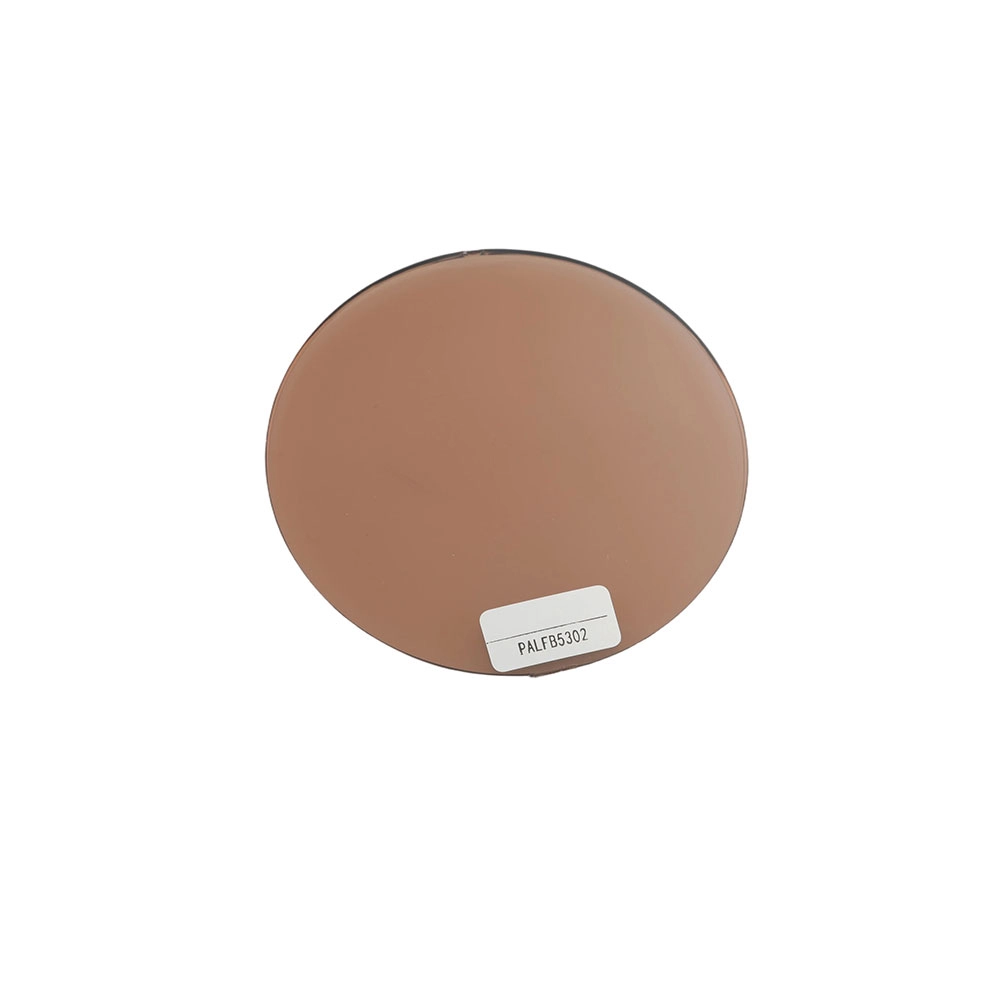
Why Quality Lenses are the Core of Your Eyewear Brand’s Reputation
As a premier high-definition glasses lenses manufacturer, Karuson crafts high-quality Polyamide (PA) Nylon Tinted Lenses that represent the perfect synergy of ultra-lightweight performance and high-toughness durability. By integrating professional-grade tinting technology with advanced material science, we offer a lens solution that delivers exceptional optical clarity alongside vibrant, fashionable color expression. Designed for both daily commutes and trendy lifestyle matching, these lenses provide a comfortable and aesthetic visual experience, serving as a high-performance fashion accessory for the modern, style-conscious consumer.
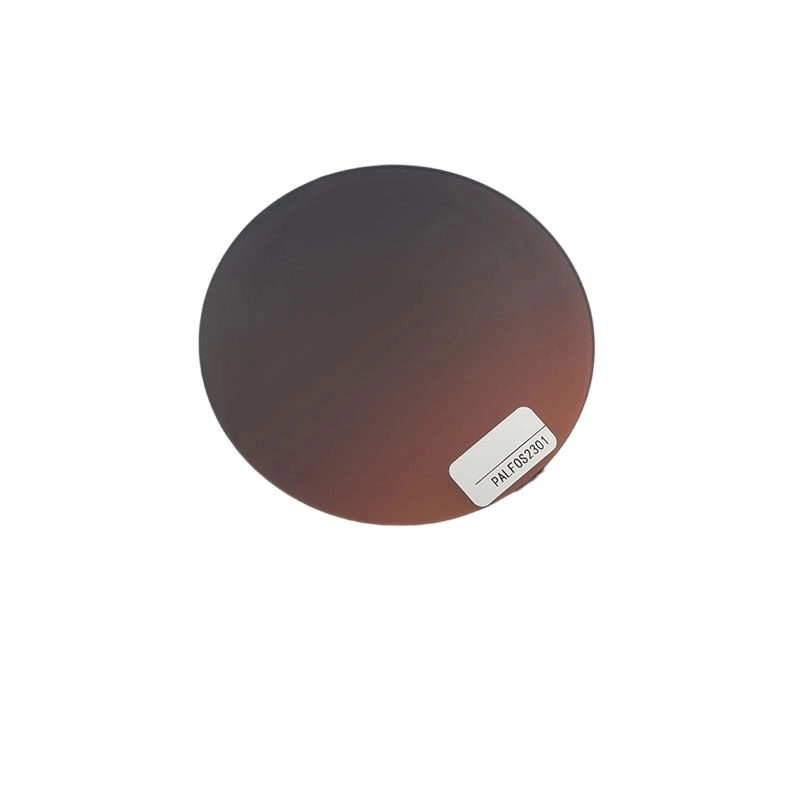
Advanced Sunglasses Solutions: Polarized Lenses with Anti-Seawater Coating
As a versatile photochromic lenses manufacturer and high-performance optics expert, Karuson crafts high-quality Polycarbonate (PC) Gradient Tinted Lenses that perfectly balance aesthetics with advanced protection. By fusing the ultra-lightweight and impact-resistant properties of PC material with precision gradient tinting technology, we deliver a durable visual solution that enhances clarity and comfort for urban lifestyles and outdoor sports. These lenses not only optimize visibility across varying light conditions by reducing glare but also offer a sleek, customizable design—allowing global brands to blend practical eye protection with a modern, fashion-forward accessory.
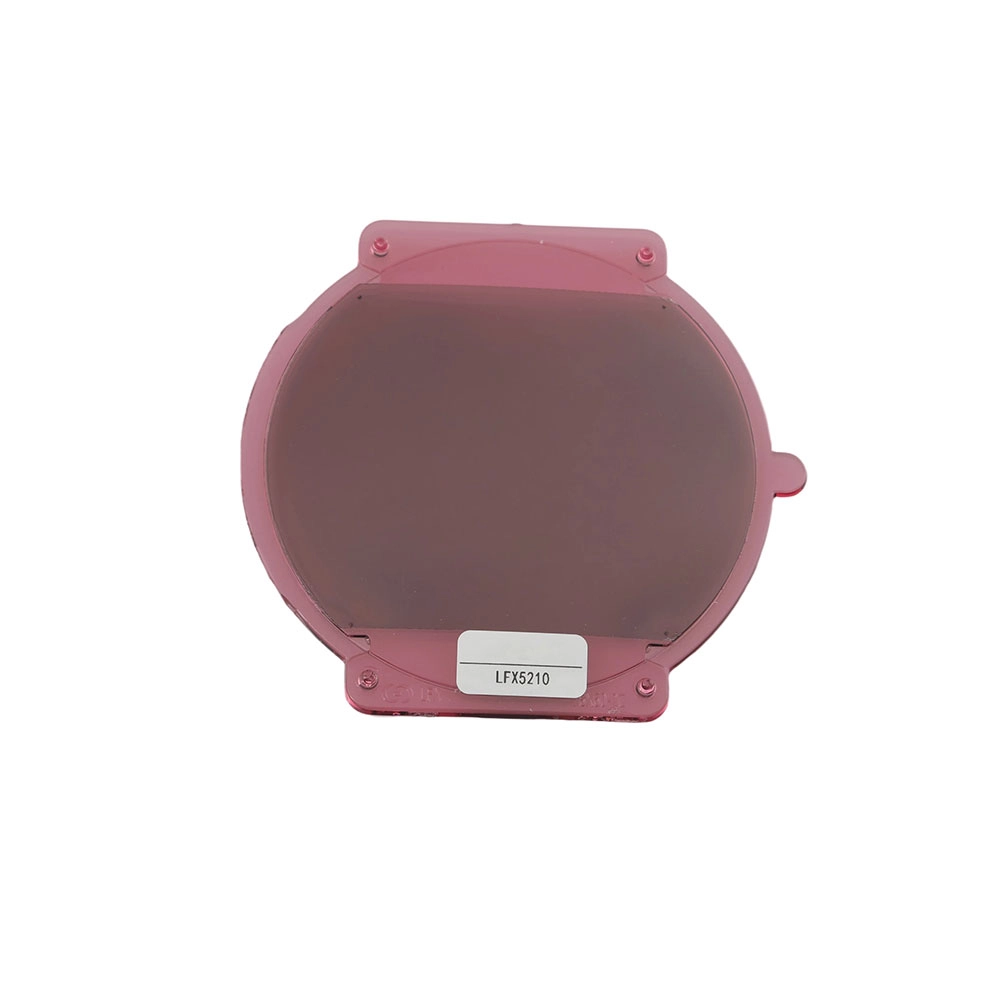
Upgrade Your Collection with Premium Lens Coatings & Finishes
As a leading lenses manufacturer, Karuson sets a new industry standard with our flagship-grade Polyamide (PA) Nylon polarized lenses. By seamlessly merging ultra-lightweight, high-toughness materials with precision polarizing technology, we deliver a high-definition visual solution that excels in durability and comfort. Optimized for high-intensity outdoor activities, professional driving, and competitive sports scenarios, these lenses redefine the performance benchmark for polarized optics, providing global brands with a truly elite-level product.
Get in touch with us
If you have any comments or good suggestions, please leave us a message; later our professional staff will contact you as soon as possible.
NEW DIMENSIONS IN EYEWEAR
Contact KARUSON
Email:
WhatsApp/Phone:
Address:
331 Section B, WanJia Creative Park , No. 1 BUXIA Road ,Tianhe District, Guangzhou City, Guangdong Province, China.

© 2026 KARUSON. All Rights Reserved.
Facebook
Instagram
YouTube
TikTok
Linkedin