


How do single-vision and progressive sunglass lenses differ?
- 1) How do single-vision and progressive sunglass lenses differ, and what factory production steps ensure progressive sunglass quality?
- 2) What specific QC tests should I require from an eyewear factory to verify UV protection, polarization, and AR coatings for sunglasses?
- 3) How can I lower MOQ with an OEM/ODM eyewear factory without sacrificing compliance and quality?
- 4) How do I verify a factory's prescription lens surfacing accuracy—what datasheet metrics and test reports should they provide?
- 5) What are realistic lead times and bottlenecks for custom polarized progressive sunglasses at scale, and how can I shorten them?
- 6) How do I audit an eyewear factory remotely for compliance (CE/REACH/ISO) and product safety if I can't visit in person?
- Conclusion: Why choose an experienced eyewear factory partner?
Eyewear factory buying guide: 6 deep questions buyers keep asking
This guide is written for optical buyers, product managers, and brand owners sourcing from an OEM/ODM eyewear factory. It embeds practical factory-side checks — from lens surfacing to coatings and compliance (EN/ISO/ANSI) — to help you make safer, faster purchase decisions for prescription sunglasses, polarized and AR-coated lenses, acetate frames, and metal CNC parts.
1) How do single-vision and progressive sunglass lenses differ, and what factory production steps ensure progressive sunglass quality?
Difference (optical design): Single-vision sunglass lenses contain a single refractive power across the lens surface for distance (or near). Progressive lenses (no-line multifocals) have a gradient of power — distance at the top, intermediate in the middle, and near at the bottom — created by a mathematically generated free-form surface. For sunglasses, progressive designs must also account for tint, polarization, and additional surfacing steps.
Factory production steps and controls you should require:
- Accurate Rx capture and digital centering: progressive lenses require precise fitting height and pupillary distance. The factory must record monocular PD, fitting height, and pantoscopic tilt for each order. Digital measurement reports or templating photos should be provided with samples.
- Free-form surfacing on certified lens generators: progressive surfacing should be done on calibrated free-form CNC generators. Ask for machine/make/model and recent calibration logs; free-form generators produce the complex aspheric surface that creates the progressive corridor.
- Lens design file control: require the lens design (add power, corridor length, and aspheric map) be documented and matched to each batch. Factory should maintain version control to avoid mixing designs that cause wearer dissatisfaction.
- Coating and tint compatibility testing: progressive surfaces are sensitive to some AR and mirror coatings. Request adhesion and humidity test reports for the chosen AR/anti-smudge and mirror stacks, especially for polarized/gradient tints used in sunglasses.
- Final verification: provide a protocol for measuring power maps (lensometer/profile tracer) and verifying progressive corridor and unwanted astigmatism zones. A sample measurement report should show sphere/cylinder/power progression at multiple Y positions and a visual map of distortion.
Why this matters: progressive sunglass production is multi-step (surfacing → dyeing/tinting or laminated polarized film → coatings). Any misalignment in centering, surfacing, or coating can create swim, blur, or asymmetric visual zones. Requiring documented machine calibrations, per-batch progressive design files, and tracer outputs minimizes costly remakes and returns.
2) What specific QC tests should I require from an eyewear factory to verify UV protection, polarization, and AR coatings for sunglasses?
Ask the factory to provide independent laboratory test reports (SGS, TÜV, INTERTEK or equivalent) and internal QC data for the following factory-level tests:
- UV transmittance (UV-A/B): measured per EN ISO 12312-1 or relevant national standard. Sunglass lenses should include the transmittance curve (wavelength vs % transmission) demonstrating blocking of UVA and UVB to the declared category.
- Visible light transmittance (VLT): provide measured % visible light transmission across the spectrum and confirm the sunglass category (0–4). This is essential for polarized and gradient tints.
- Polarization efficiency: provide a polarization extinction ratio or % polarization (measured with a polarimeter) and photos showing the polarizer film orientation. Low-quality polarizers can show ghosting or color shifts after AR/mirror coating.
- AR and hydrophobic coating adhesion & durability: cross-hatch adhesion, tape test, and humidity/fog cycling reports (e.g., 240 h humidity) show whether coatings delaminate after tinting or exposure.
- Surface scratch resistance and abrasion: Taber abrasion or DIN abrasion results for everyday durability. Mirror coatings should include adhesion reports after mechanical abrasion testing.
- Optical quality: lensmeter/tracer maps showing prescription accuracy and surface irregularity (wavefront or dioptric map) to ensure the surfacing process didn’t introduce stray astigmatism bands or power deviations.
Insist that test reports are dated within the last 12 months and reference the sample batch/lot number for traceability. Third-party lab certificates (SGS/INTERTEK) carry more weight than internal QC sheets.
3) How can I lower MOQ with an OEM/ODM eyewear factory without sacrificing compliance and quality?
Common pain: many factories quote high MOQs (300–1000 units) for custom frame molds, colors, or custom lens coatings. Strategies to reduce MOQ while preserving quality:
- Use stock frames and adapt them: select existing acetate or metal frame molds from the factory catalog to avoid custom tooling costs and high MOQ. Many factories operate with an SKU catalog for OEM partners.
- Shared tooling / co-development: agree to cost-sharing for new tooling with other brands or amortize tooling cost over time. Some factories offer a tooling-as-a-service model where you pay tooling cost upfront but can recoup through reduced per-unit price.
- Standardize materials and coatings: choose common lens blanks, AR stacks, and mirror colors already qualified in the factory to avoid bespoke chemical approvals that raise MOQ.
- Batch multiple SKUs: order smaller quantities of several SKUs in a single production run to meet overall factory minimums while testing several SKUs in-market.
- Pay for pre-production samples and accept a higher sample fee: paying for rapid prototyping and agreeing to a longer runway can reduce MOQs when factories see commitment to a phased rollout.
- Negotiate logistics: factories will accept lower MOQs if you accept longer lead times, consolidated shipments, or pay for storage at the factory for staggered release.
Bottom line: MOQ is negotiable when you present predictable re-order cadence, standardize components, or co-invest in tooling. Document these concessions in your commercial agreement to avoid scope creep.
4) How do I verify a factory's prescription lens surfacing accuracy—what datasheet metrics and test reports should they provide?
Essential metrics to request (and their practical meaning):
- Power tolerance (sphere/cylinder): request the factory’s standard production tolerance table and reference to ANSI Z80.1 or ISO 8980 series where applicable. Typical accepted tolerances for mass-produced single-vision lenses are often in the ±0.12–0.25 D range depending on power and lens type; confirm the factory’s actual performance by sample reports.
- Axis tolerance for cylinders: factories should publish axis deviation limits (e.g., ±3–5 degrees depending on cylinder magnitude) and provide lensometer traces for samples.
- Prismatic error: supply the factory’s centration and edging process control specifications (e.g., prism per lens measured at 4 mm decentration). Excess prismatic imbalance causes discomfort and rework.
- Surface irregularity / wavefront or iso-power maps: ask for a traced power map from a profile tracer (showing power at multiple Y positions) or interferometer results for free-form surfaces for progressive lenses.
- Material refractive index confirmation & shrinkage data: especially for high-index plastics and polycarbonate. Different resins change machining parameters; factories should provide material lot certificates and index verification.
What to collect from the factory:
- Representative lensmeter/tracer output for each Rx range and lens type (single vision, progressive, polarized sunglass).
- Measurement protocols: how many points across the lens are measured and reported, and whether results are corrected for temperature.
- Calibration records for lens generators, lensometers, and tracers showing traceability to national standards.
If the factory resists providing raw measurement outputs, treat that as a red flag. Accurate surfacing is the difference between a first-quality product and high returns.
5) What are realistic lead times and bottlenecks for custom polarized progressive sunglasses at scale, and how can I shorten them?
Typical timeline components (typical industry ranges):
- Tooling/mold creation for custom frames: 2–6 weeks (rapid prototypes possible but final polished tooling often takes longer).
- Lens free-form design and first samples: 1–3 weeks for design adjustment; surfacing and tracer validation another 1–2 weeks.
- Coating and tint qualification (AR, hard coat, mirror stacks): 1–3 weeks of testing including adhesion and durability cycles.
- Mass production run: 2–8 weeks depending on MOQ, finishing complexity (polarized lamination takes longer), and factory queue.
Main bottlenecks:
- Polarized film supply and lamination capacity — some factories must wait for film deliveries or queue at lamination ovens.
- Coating oven/capacity constraints — AR and mirror coating equipment is capacity-limited and requires curing time and lot batching.
- Free-form surfacing throughput — progressive surfacing and tracer verification are slower per-piece processes than standard surfacing.
- Compliance testing turnaround — third-party lab tests (e.g., EN ISO 12312-1/ANSI) can add several days to weeks.
Ways to shorten lead times:
- Pre-qualify lenses, coatings, and polarized films so lab testing is reduced to lot verification rather than full qualification each order.
- Book coating/lamination oven time in advance for seasonal launches.
- Increase per-shipment budget to use express shipping for critical raw materials like polarized film or high-index blanks.
- Maintain safety stock at the factory (charged to account) so smaller reorders ship quickly.
6) How do I audit an eyewear factory remotely for compliance (CE/REACH/ISO) and product safety if I can't visit in person?
Remote auditing is common. Request the following and use a scored checklist:
- Certificates and test reports: ISO 9001, factory registration, and product reports for EN ISO 12312-1 (sunglasses), ISO 8980 series (optical lens specs), ANSI Z80.1 (U.S. lens tolerances) where applicable. Ask that documents include issue dates, scope, and lab name (SGS, TÜV, Intertek).
- Third-party lab reports for UV, VLT, polarization, REACH/ROHS for frame raw materials, and critical chemical bans (e.g., phthalates if relevant). Raw material certificates with lot numbers increase traceability.
- Live video factory walkthrough: request a scheduled and recorded video tour showing production lines (molding, CNC, surfacing, coating ovens, lamination, inspection stations) and ask for close-ups of serial numbers on machines and calibration stickers.
- Sampling and third-party inspection: engage a local inspection company to pull random samples from a finished lot and perform AQL testing, functional tests, and packaging verification before shipment.
- System & process documents: request SOPs for aging/humidity tests, cleaning procedures for lens surfacing machines, coating application parameters, and a complaint/recall procedure.
- Reference checks: ask the factory for references—brands or distributors they’ve supplied—and verify by contacting them about quality and delivery performance.
Remote audit scoring: create a 100-point checklist weighting product safety and traceability highest (test reports, material certificates), followed by process control (calibration, SOPs), then capacity and logistics. Use the result as a go/no-go gating metric before approving production.
Conclusion: Why choose an experienced eyewear factory partner?
Working with a factory that understands prescription lens surfacing, free-form progressive workflows, polarized and AR coating stacks, and regulatory standards (EN ISO 12312-1, ISO 8980 series, ANSI Z80.1) minimizes returns and speeds time-to-market. Advantages of a mature OEM/ODM partner include documented calibration and tracer outputs, validated coating stacks, traceable material certificates (REACH/ROHS), predictable lead times through capacity planning, and pragmatic MOQ strategies. These capabilities reduce remakes, protect end-user vision, and sustain brand reputation in global markets.
For a practical quote and to discuss specific progressive sunglass designs, MOQ strategies or compliance documentation, contact us for a quote at www.karusonco.com or email nicole@karusonco.com.
Why Sourcing from a China Eyewear Factory is the Strategic Choice for Global Brands
OEM vs. ODM: Which Partnership Model is Best for Your Eyewear Business?
2026 Eyewear Trend Forecast: Colors, Shapes, and Textures to Watch
About OEM&ODM
Can you help with packaging and logo branding?
Absolutely—we provide branded packaging bags, boxes, logo applications, and display solutions.
What is your production lead time?
Mass production generally takes 30–45 days after sample approval.
Do you support OEM and ODM?
Yes—we offer both contract manufacturing (OEM) and full product development services (ODM).
About Products
What is the MOQ?
Usually ≥100, depending on the model.
Do you support OEM/ODM?
Yes, our R&D and design teams support full customization.
You May Also Like
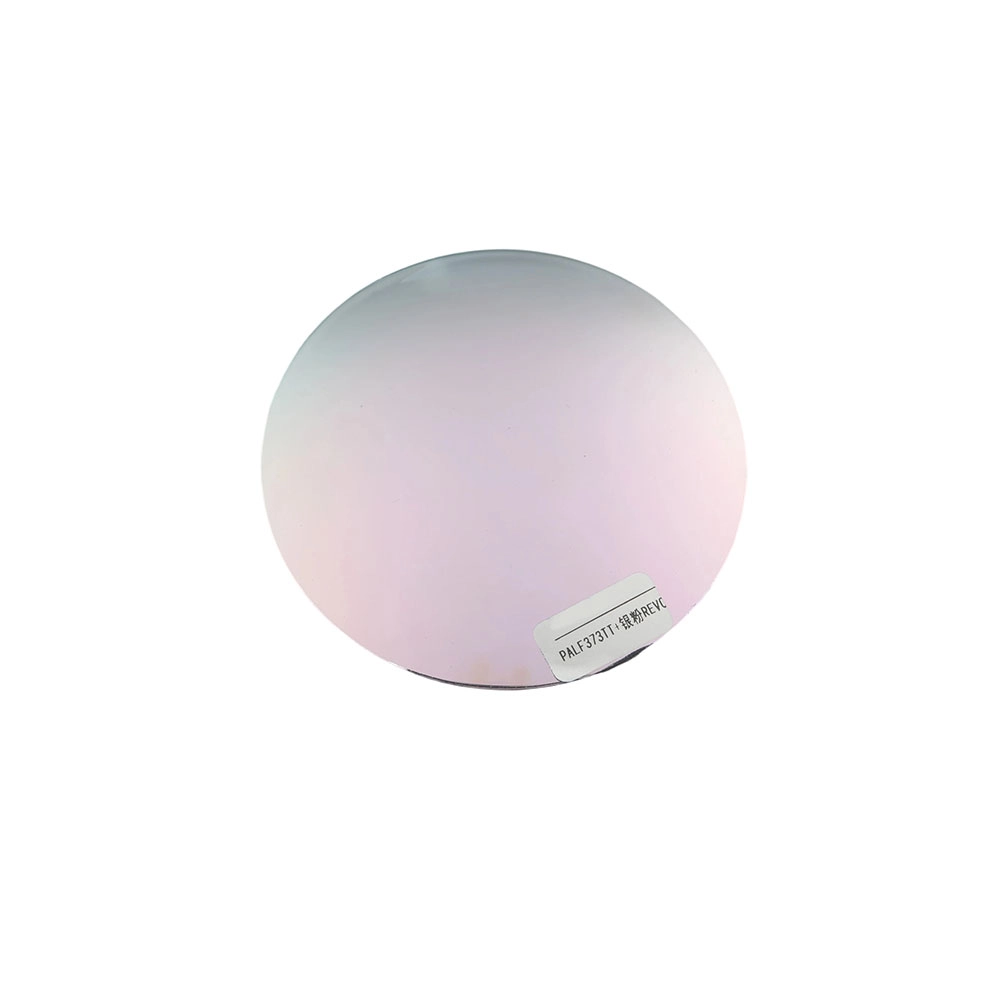
Dynamic Adaptation: Next-Gen Photochromic Lenses for Indoor & Outdoor Use
As premier eyeglass lenses manufacturers, Karuson crafts high-performance PC polarized coated lenses that seamlessly integrate lightweight, impact-resistant polycarbonate with advanced optical film technology. These lenses are engineered to achieve superior glare reduction and enhanced visual definition while offering a spectrum of stylish, customizable tints. Optimized for professional driving, outdoor sports, and urban lifestyles, our manufacturing process ensures that harmful reflections from water, roads, and snow are effectively filtered out. The result is a durable, fashion-forward visual solution that perfectly balances essential eye protection with high-end aesthetic appeal—making them the ideal choice for brands seeking to merge practicality with a modern fashion statement.
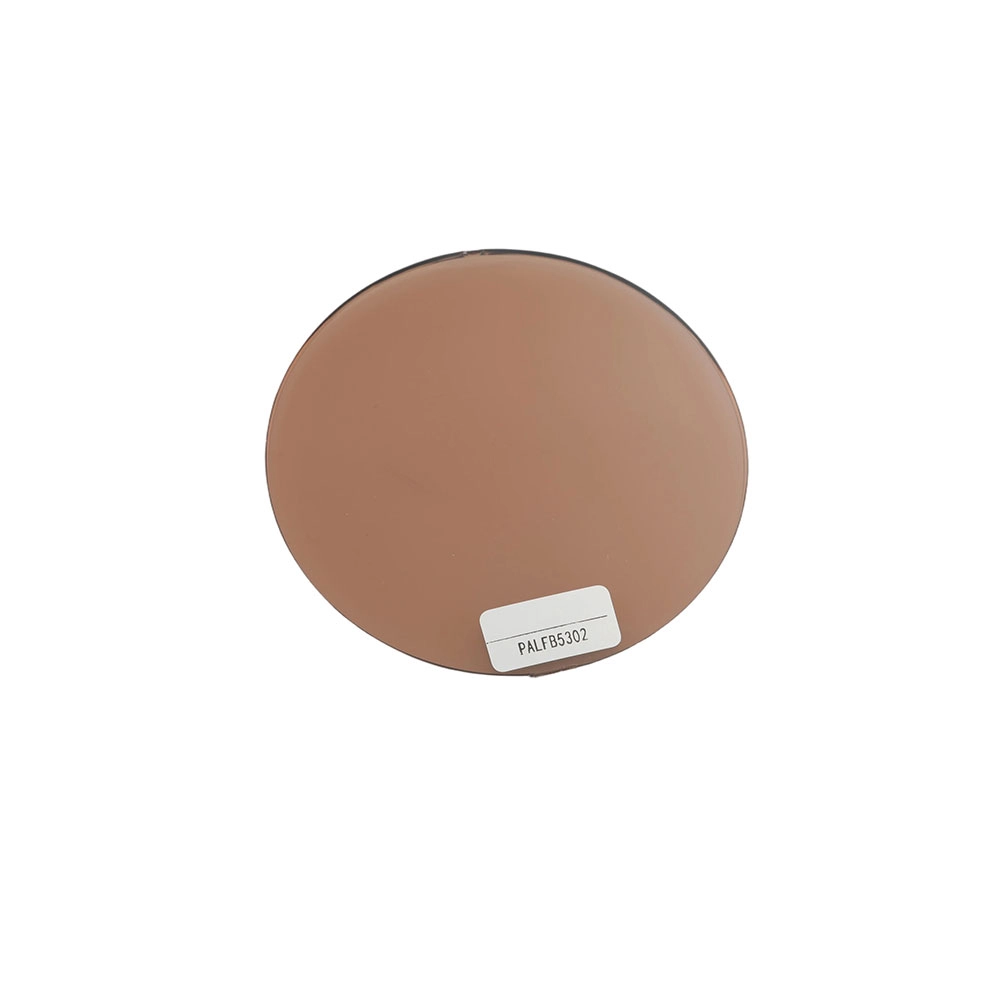
Why Quality Lenses are the Core of Your Eyewear Brand’s Reputation
As a premier high-definition glasses lenses manufacturer, Karuson crafts high-quality Polyamide (PA) Nylon Tinted Lenses that represent the perfect synergy of ultra-lightweight performance and high-toughness durability. By integrating professional-grade tinting technology with advanced material science, we offer a lens solution that delivers exceptional optical clarity alongside vibrant, fashionable color expression. Designed for both daily commutes and trendy lifestyle matching, these lenses provide a comfortable and aesthetic visual experience, serving as a high-performance fashion accessory for the modern, style-conscious consumer.
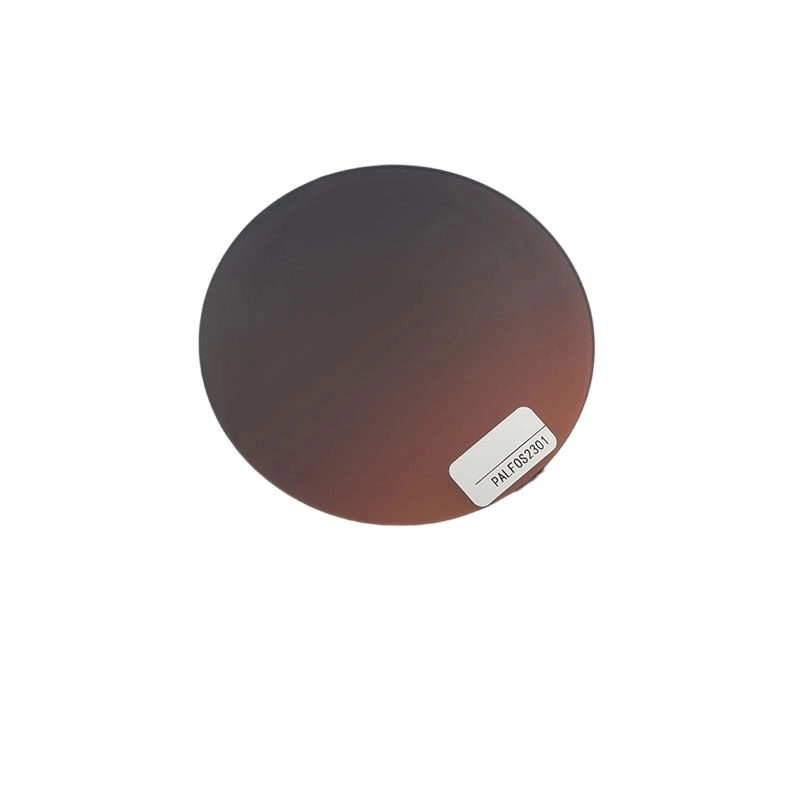
Advanced Sunglasses Solutions: Polarized Lenses with Anti-Seawater Coating
As a versatile photochromic lenses manufacturer and high-performance optics expert, Karuson crafts high-quality Polycarbonate (PC) Gradient Tinted Lenses that perfectly balance aesthetics with advanced protection. By fusing the ultra-lightweight and impact-resistant properties of PC material with precision gradient tinting technology, we deliver a durable visual solution that enhances clarity and comfort for urban lifestyles and outdoor sports. These lenses not only optimize visibility across varying light conditions by reducing glare but also offer a sleek, customizable design—allowing global brands to blend practical eye protection with a modern, fashion-forward accessory.
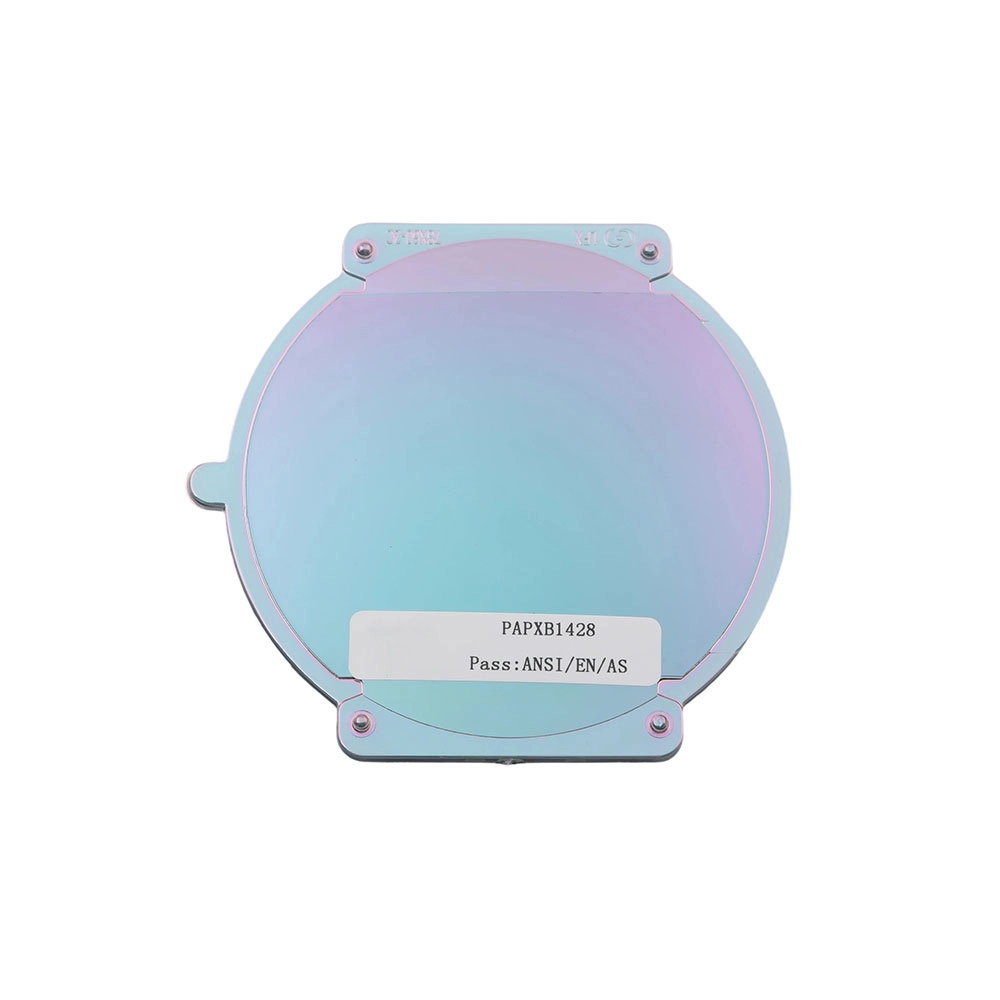
Innovative Lens Technologies: Setting Your Brand Apart in a Competitive Market
Setting a new standard in high-end lenses manufacturing, Karuson’s flagship-grade Polyamide (PA) Nylon polarized lenses seamlessly combine ultra-lightweight material with exceptional, high-toughness durability. By integrating precision polarizing technology, we have created a high-definition visual solution that excels in clarity and comfort for professional driving, outdoor adventures, and competitive sports. This innovation does more than meet expectations—it redefines the performance benchmark for professional polarized optics in the global market.
Get in touch with us
If you have any comments or good suggestions, please leave us a message; later our professional staff will contact you as soon as possible.
NEW DIMENSIONS IN EYEWEAR
Contact KARUSON
Email:
WhatsApp/Phone:
Address:
331 Section B, WanJia Creative Park , No. 1 BUXIA Road ,Tianhe District, Guangzhou City, Guangdong Province, China.

© 2026 KARUSON. All Rights Reserved.
Facebook
Instagram
YouTube
TikTok
Linkedin