



Can eyewear factories provide sustainable and eco-friendly frames?
- Can eyewear factories provide sustainable and eco‑friendly frames? 7 practical questions buyers still ask
- 1) Can an eyewear factory provide a verified carbon footprint (Scope 1–3) per frame — and what does that look like?
- 2) How can a factory prove acetate frames are truly bio‑based or from responsible pulp sources?
- 3) For eco materials (bio‑acetate, rPET, recycled metals), what are realistic MOQs, tooling costs and lead times?
- 4) Can factories implement on‑site solvent recovery, wastewater treatment and other measures to meet EU/brand sustainability requirements?
- 5) How do I reliably verify recycled content claims (rPET, recycled metals) and avoid greenwashing?
- 6) Are biodegradable frames (PLA, PHA, certain bio‑polymers) practical for daily eyewear — durability, heat resistance, repairability?
- 7) What on‑site tests, product standards and factory certifications should a procurement manager require before placing a large order?
- Practical procurement checklist — immediate actions to reduce risk
- Why transparency matters more than marketing labels
- Why choose KARUSON as your eyewear manufacturing partner
- References and sources (accessed June 2024)
Can eyewear factories provide sustainable and eco‑friendly frames? 7 practical questions buyers still ask
If you’re sourcing eyewear (prescription frames, sunglasses or safety glasses), sustainability is now a purchasing requirement — not an optional marketing line. Yet many procurement teams are unsure exactly what a factory can deliver, how to verify claims, and where the real trade‑offs are. Below are 7 long‑tail, buyer‑focused questions that are frequently asked but often under‑answered online. Each answer explains what a factory can actually provide, what you should request in writing, and concrete steps to verify claims before you sign a contract.
1) Can an eyewear factory provide a verified carbon footprint (Scope 1–3) per frame — and what does that look like?
Short answer: Yes — but it requires a formal product life‑cycle assessment (LCA) and clear boundaries. Most factories cannot produce a reliable per‑frame carbon number overnight; it’s a multi‑stage process.
- What factories can deliver: a factory can provide a supplier‑level greenhouse gas inventory (Scope 1 & 2), and collect upstream Scope 3 data from raw‑material suppliers to support a product LCA. Larger factories or vertically integrated suppliers may already have LCA models for common SKUs.
- What to request: an LCA report (ISO 14040/44 methodology) or a verified cradle‑to‑gate LCI (life‑cycle inventory) showing system boundaries, key assumptions, and per‑pair CO2e. Ask whether the LCA has third‑party review/verification and whether results are cradle‑to‑gate, cradle‑to‑consumer, or cradle‑to‑grave.
- How buyers validate: require the LCA report and the verifier’s statement; check methodology and year of data. If a factory uses generic emission factors, insist on supplier‑specific data for major inputs (acetate, metal, plating operations). If full LCA isn’t feasible, ask for a GHG inventory following the GHG Protocol with clearly documented data sources.
- Common obstacles: fragmented upstream data, small‑batch suppliers, and variability in finishing (plating, polishing) that materially affects energy use. Expect 8–16 weeks for a first validated LCA for a new model.
2) How can a factory prove acetate frames are truly bio‑based or from responsible pulp sources?
Short answer: Traceability needs documentation from the cellulose pulp supplier and preferably a chain‑of‑custody or mass‑balance certification.
- What factories can deliver: supplier declarations, mill certificates, and technical data sheets for the cellulose acetate used. Some mills provide “bio‑based” grades and can report % biobased carbon (tested by radiocarbon/AMS methods) or supply ISCC‑certified mass‑balance material.
- What to request: a certificate of analysis (COA) for the acetate lot, the material specification (density, softening point), and the upstream supplier’s sustainability claim (ISCC mass balance or equivalent). If “responsible pulp” is claimed, ask for FSC/PEFC documentation for the wood pulp feedstock where applicable.
- Verification tips: request batch numbers and lab test reports; consider independent lab testing (e.g., carbon‑14 radiocarbon testing) when a High Quality claim is made. Verify that biobased claims are supported by an accredited certifier or documentation from the pellet/pelletizer supplier.
- Reality check: many “bio‑acetate” solutions are partially biobased (mass‑balance) rather than 100% biobased. Accepting a mass‑balance approach is reasonable if it is transparently documented and certified.
3) For eco materials (bio‑acetate, rPET, recycled metals), what are realistic MOQs, tooling costs and lead times?
Short answer: green materials increase complexity and often raise MOQs and lead times; get full cost breakdowns and schedule milestones in the contract.
- MOQ drivers: availability of certified feedstock and lot sizes. Recycled pellets (rPET, recycled metal ingots) are usually sold in large batches, so factories often require MOQs to justify changeovers and certification tracking. Typical MOQs for custom sustainable SKUs commonly range from a few hundred to several thousand pairs depending on factory scale; negotiate smaller pilot runs but expect higher per‑unit costs.
- Tooling & setup: tooling for acetate or metal frames (master blocks, injection molds, metal stamping dies) is still required. Tooling costs vary by process and complexity; sustainable finishes (e.g., water‑based lacquers, PVD on recycled metal) can add setup steps. Ask factories to itemize: mold/die cost, programming, sample runs, polishing/finishing setup.
- Lead times: prototype + lab testing 4–10 weeks; first production run 8–16 weeks after approvals for typical factories. New materials or certified recycled batches may add 2–6 weeks for material certification, color matching and sonic welding/plating adjustments.
- Procurement tip: include a phased schedule (prototype, pilot, full production) and cap per‑unit price bands for small pilot volumes to limit supplier risk while validating materials.
4) Can factories implement on‑site solvent recovery, wastewater treatment and other measures to meet EU/brand sustainability requirements?
Short answer: Yes — many medium‑to‑large eyewear factories can implement or already operate solvent recovery systems, wastewater treatment and energy recovery; ask for evidence and performance data.
- Typical systems: solvent recovery units (distillation/RTOs) for organic cleaning/paint operations, effluent treatment plants (biological treatment + filtration) for water from polishing and plating, and waste heat recovery for drying ovens. These reduce direct emissions and operating costs over time.
- What to request: emissions monitoring reports, wastewater discharge permits and treatment performance, and evidence of preventive maintenance. For chemical use, request inventory and Material Safety Data Sheets (MSDS) showing substitution of high‑risk solvents and use of water‑based coatings where possible.
- Certifications and compliance: ISO 14001, local environmental permits, and third‑party audits (e.g., SGS environmental audits) are helpful. For EU market compliance, ensure REACH obligations are met (supplier declarations and testing for restricted substances).
- Reality: smaller workshops may outsource plating or painting to specialized subcontractors — request subcontractor lists and their environmental compliance documents.
5) How do I reliably verify recycled content claims (rPET, recycled metals) and avoid greenwashing?
Short answer: Demand third‑party chain‑of‑custody certification and batch‑level documentation; complement paperwork with lab spot tests when necessary.
- Credible certs: Global Recycled Standard (GRS) or Recycled Claim Standard (RCS) for recycled polymers/textiles; ISCC or equivalent for mass‑balance claims on biobased feedstocks. For metals, supplier COAs and mill traceability are key.
- Documents to request: purchase invoices for recycled pellets/ingots with batch numbers, GRS/RCS certificates, supplier chain‑of‑custody statements, and COAs for each production lot. Ask the factory to keep a chain‑of‑custody file per SKU available for audits.
- Technical verification: FTIR spectroscopy, DSC thermal analysis, or elemental analysis can detect inconsistent feedstock; independent labs can validate recycled polymer content if your claim is material to branding or regulation.
- Procurement practice: include a clause requiring corrective action and financial penalties for false claims, and maintain the right to third‑party verification (on‑site or laboratory) prior to shipment acceptance.
6) Are biodegradable frames (PLA, PHA, certain bio‑polymers) practical for daily eyewear — durability, heat resistance, repairability?
Short answer: Biodegradable polymers have potential, but most currently have trade‑offs that limit everyday eyewear use. Understand the functional limits and end‑of‑life environment required for degradation.
- Material performance: PLA has low glass transition and softening temperatures (around 55–65°C) so it can warp under heat (cars, hot climates); it also can be brittle compared with acetate. PHAs and other polyhydroxyalkanoates have better mechanical properties but are more expensive and less widely available in consistent color/finish grades.
- Biodegradation caveat: Biodegradable often means industrial composting conditions (controlled temperature, humidity, microbes). Marine or backyard biodegradation is usually much slower or absent. Most industrial composting facilities do not accept complex mixed products like glasses with metal hinges or coatings.
- Repairability and service life: biodegradable frames that crack or warp are harder to repair. For higher consumer satisfaction and circularity, many brands prefer mechanically recyclable materials (e.g., mono‑polymer designs) and design for disassembly (removable hinges, replaceable temples) rather than relying solely on biodegradability.
- Procurement recommendation: specify performance benchmarks (heat distortion temperature, tensile strength, flex fatigue cycles) in the technical spec and request test reports. Consider pilot testing in the target climate zones before scaling.
7) What on‑site tests, product standards and factory certifications should a procurement manager require before placing a large order?
Short answer: Require a mix of product testing, factory systems certifications, and supply‑chain documentation — and make acceptance conditional on passing defined tests.
- Key product standards and tests to require (examples):
- Mechanical tests for spectacle frames (bending, torsion, hinge fatigue) per ISO 12870 test methods or the equivalent listed by your target market.
- Sunglass/filter tests for UV protection per ISO 12312‑1 (or local equivalent) and optical distortion limits.
- Impact resistance for safety eyewear per EN 166 (EU) or ANSI Z87.1 (US) when applicable.
- Chemical compliance: REACH restricted substances screening, phthalate and heavy‑metal (lead, cadmium) tests for colored parts and coatings.
- Factory/system certifications to request:
- Quality management: ISO 9001 (indicates a documented quality system).
- Environmental management: ISO 14001 or equivalent, plus evidence of emissions/wastewater compliance.
- Social compliance: BSCI, Sedex SMETA, or other audit reports if factory labor conditions are a brand concern.
- Material claims: GRS/RCS for recycled content, ISCC for mass‑balance biobased claims, FSC/PEFC for wood components.
- Verification and contracting tips: include a sample acceptance protocol (lab test pass/fail limits), require third‑party test reports on first production lots, and keep a holdback payment until QA acceptance. Require documentation retention for at least 3–5 years for traceability.
Practical procurement checklist — immediate actions to reduce risk
- Ask suppliers for: material COAs + batch numbers, LCA or GHG inventory summary, third‑party certificates (GRS/RCS/ISCC/FSC where claimed), and recent factory audits.
- Mandate sample testing: mechanical (ISO 12870), UV/transmittance (ISO 12312‑1), and chemical (REACH restricted list) for first lots.
- Include contract clauses: right to audit, corrective action timelines, penalties for false claims, and phased production milestones with QC acceptance gates.
- Plan pilots in representative markets and climates, especially for new materials like bio‑polymers or rPET blends.
Why transparency matters more than marketing labels
Many sustainability claims in eyewear rely on upstream inputs (cellulose pulp, recycled pellets, metal scrap) and finishing steps (plating, lacquering) that dominate environmental impact. A truly defensible claim links back to batch‑level documentation, chain‑of‑custody certification, third‑party testing, and clear LCA boundaries. For procurement teams that must pass compliance, marketing and legal review, these are non‑negotiable verification steps.
Final note on buyer expectations: sustainable frames are achievable, but they require more lead time, more documented transparency, and an acceptance that some materials force design trade‑offs. Successful product launches come from clear technical specifications, phased pilots, and contractual verification steps.
Why choose KARUSON as your eyewear manufacturing partner
KARUSON brings integrated eyewear manufacturing expertise combined with practical sustainability capabilities that address the procurement points above: rapid prototyping and sample labs for new materials, established supplier traceability practices for acetate and recycled inputs, documented QC protocols and product testing routines, and the ability to manage phased production with transparent documentation. KARUSON works with buyers to define acceptance criteria, maintain chain‑of‑custody records, and coordinate third‑party testing — reducing the verification burden on brands while helping them meet regulatory and marketing claims responsibly.
References and sources (accessed June 2024)
- GHG Protocol — Corporate and Product Accounting; guidance for GHG inventories and LCA methodologies (https://ghgprotocol.org, accessed June 2024).
- ISO standards overview — ISO 14001 (environmental management) and ISO 14040/44 (LCA methodology) (https://www.iso.org, accessed June 2024).
- ISO 12870 — Spectacle frames: requirements and test methods (standard reference for frame mechanical testing; see ISO catalogue) (https://www.iso.org, accessed June 2024).
- ISO 12312‑1 — Sunglasses and related eyewear (UV filter and transmittance testing) (https://www.iso.org, accessed June 2024).
- Textile Exchange — Global Recycled Standard (GRS) and Recycled Claim Standard (RCS) certification information (https://textileexchange.org, accessed June 2024).
- ISCC — certification for biobased and mass‑balance claims in polymer supply chains (https://iscc-system.org, accessed June 2024).
- European Commission — REACH chemicals regulation overview (https://ec.europa.eu/environment/chemicals/reach/reach_en.htm, accessed June 2024).
- Ellen MacArthur Foundation — Circular economy principles for plastics and design for recycling (https://ellenmacarthurfoundation.org, accessed June 2024).
- Mazzucchelli 1849 — references to bio‑acetate product lines and supplier information (manufacturer sites for bio‑acetate background) (https://www.mazzucchelli1849.com, accessed June 2024).
- The Vision Council — industry insights and market context for eyewear procurement and trends (https://thevisioncouncil.org, accessed June 2024).
- SGS / Intertek — examples of third‑party testing and factory auditing services for product and environmental compliance (https://www.sgs.com, https://www.intertek.com, accessed June 2024).
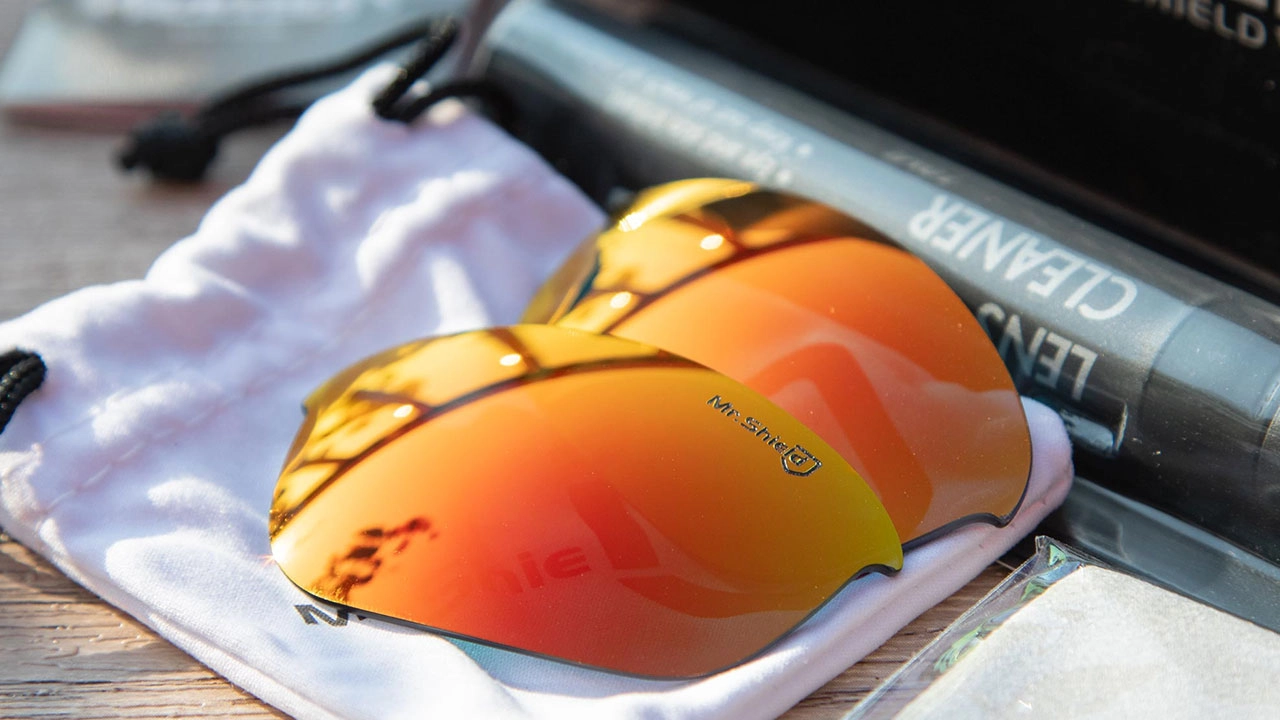
How to Choose the Best Material for Sports Sunglasses: TR90 vs. Carbon Fiber vs. Titanium
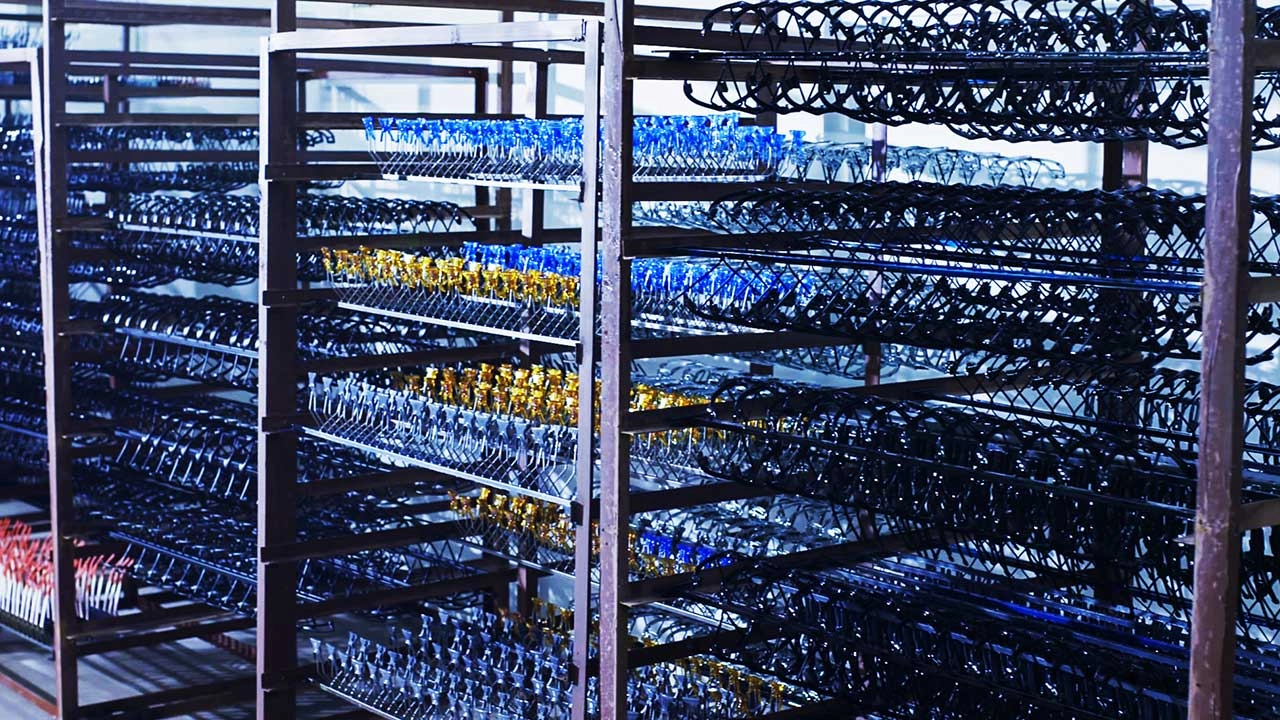
Why Sourcing from a China Eyewear Factory is the Strategic Choice for Global Brands

OEM vs. ODM: Which Partnership Model is Best for Your Eyewear Business?
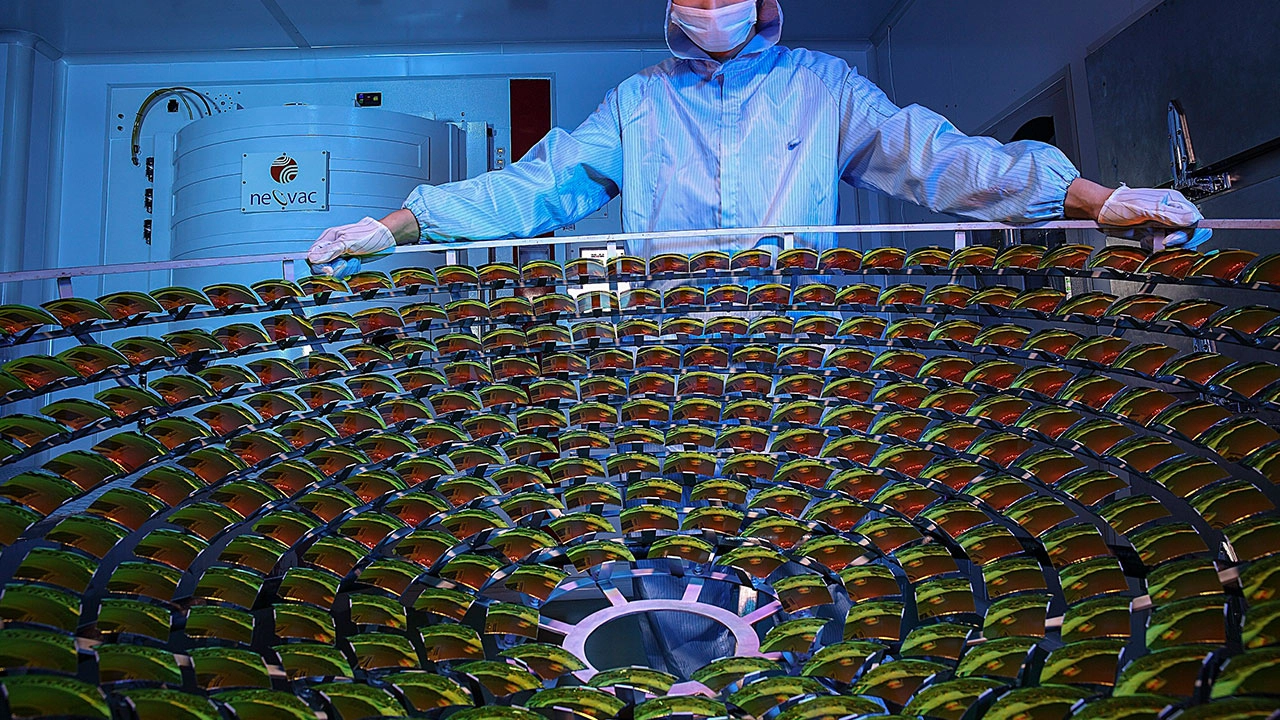
2026 Eyewear Trend Forecast: Colors, Shapes, and Textures to Watch
About Products
Do you offer samples?
Yes, paid samples or refundable samples are available.
How do you ensure product quality?
Full QC process, factory testing, and international certifications.
About OEM&ODM
How long does it take to make samples?
Samples are typically completed within 7–15 working days if available molds are present.
What is your minimum order quantity (MOQ)?
MOQ is flexible and varies by product type. Small trial orders are welcome.
What is your production lead time?
Mass production generally takes 30–45 days after sample approval.
You May Also Like
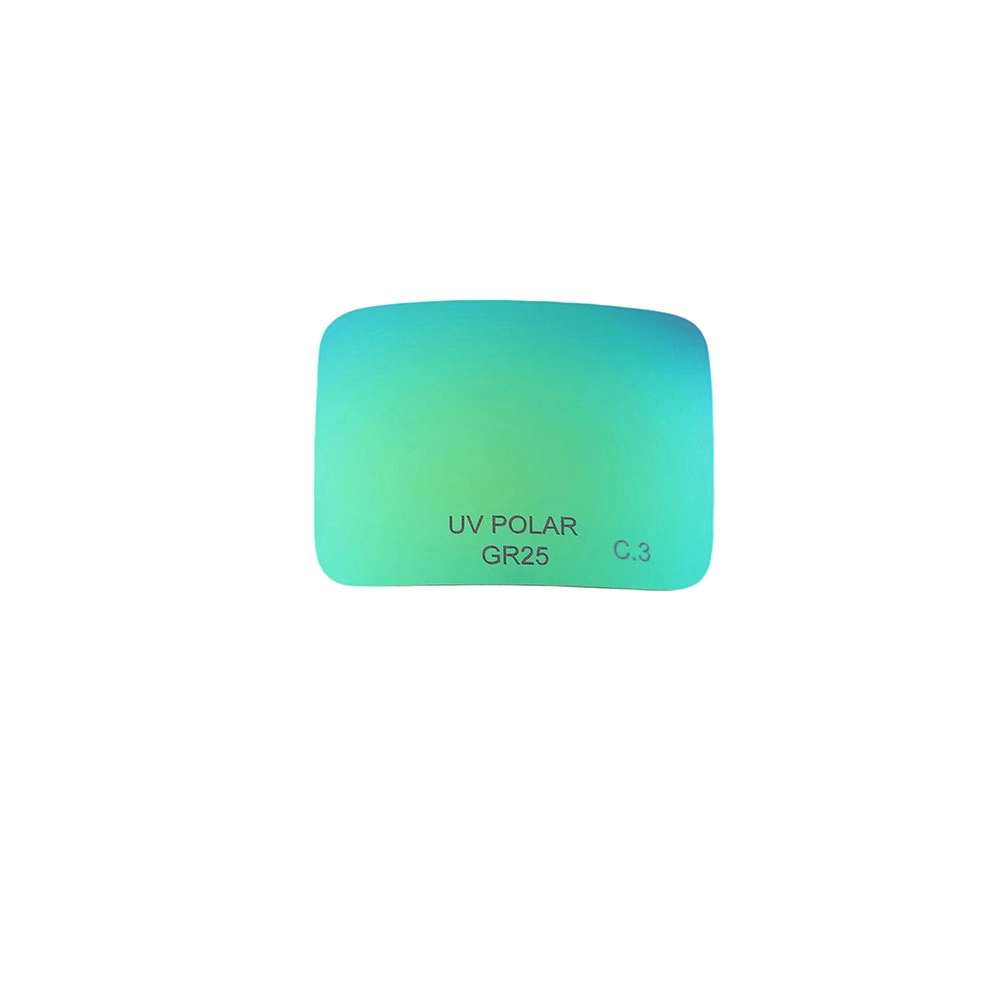
High-Definition Visual Clarity: Premium CR-39 & Polycarbonate Lenses
Experience the precision of a professional custom glasses lenses manufacturer. Karuson polarized lenses are engineered with a 99.9% high-polarization effect to provide unparalleled visual definition and glare reduction. By strategically absorbing reflected light through a high-stability PVA layer, our lenses are optimized for high-intensity outdoor environments, including maritime sailing, hunting, and alpine skiing. Furthermore, our specialized treatment ensures the lenses remain durable and distortion-free even in environments with high heat and humidity.
Why Quality Lenses are the Core of Your Eyewear Brand’s Reputation
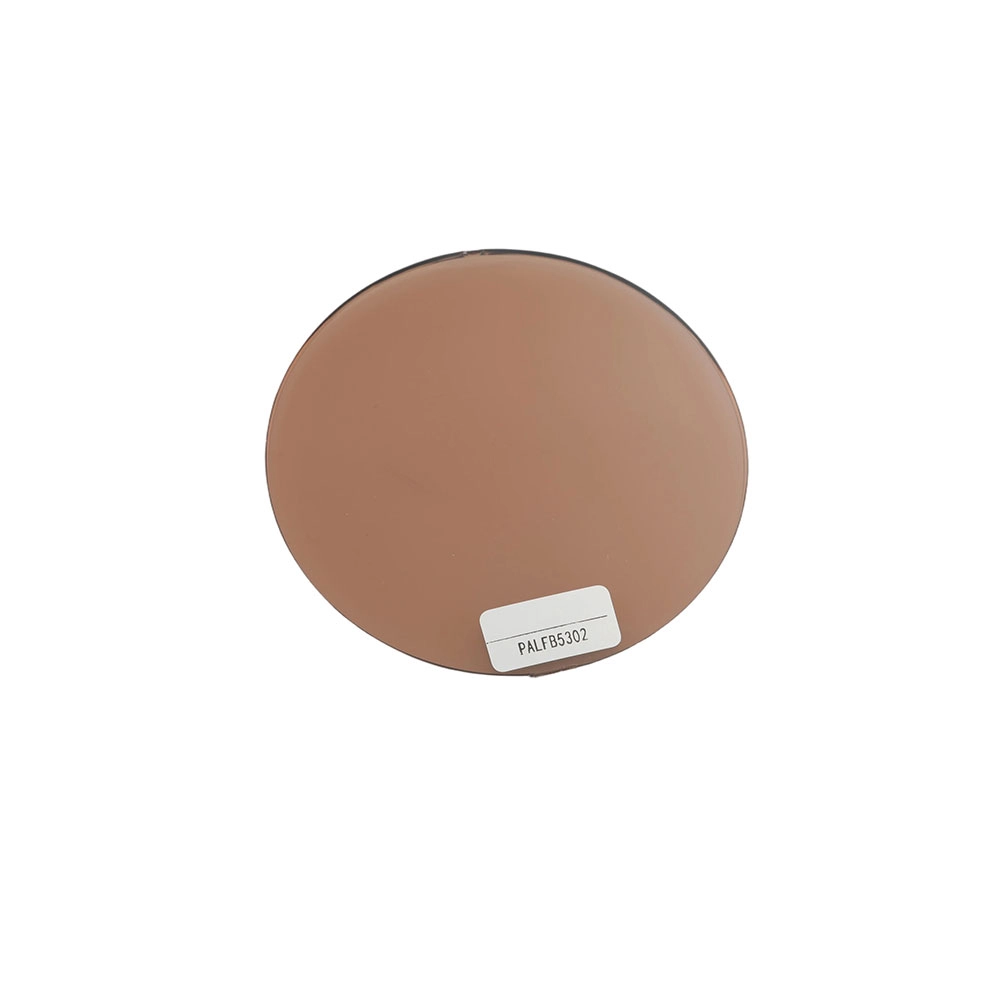
As a premier high-definition glasses lenses manufacturer, Karuson crafts high-quality Polyamide (PA) Nylon Tinted Lenses that represent the perfect synergy of ultra-lightweight performance and high-toughness durability. By integrating professional-grade tinting technology with advanced material science, we offer a lens solution that delivers exceptional optical clarity alongside vibrant, fashionable color expression. Designed for both daily commutes and trendy lifestyle matching, these lenses provide a comfortable and aesthetic visual experience, serving as a high-performance fashion accessory for the modern, style-conscious consumer.
Advanced Sunglasses Solutions: Polarized Lenses with Anti-Seawater Coating
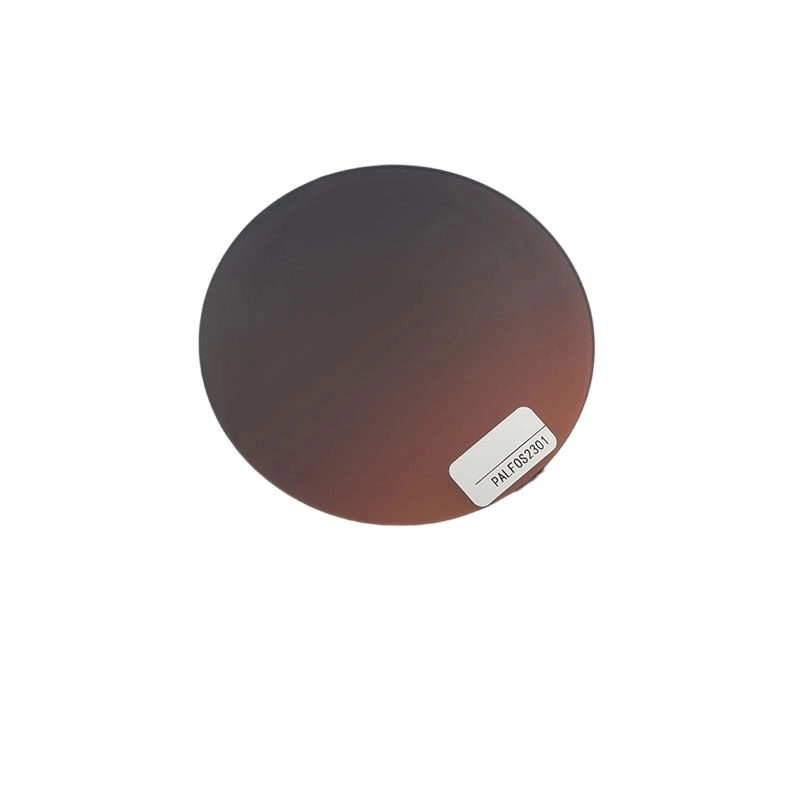
As a versatile photochromic lenses manufacturer and high-performance optics expert, Karuson crafts high-quality Polycarbonate (PC) Gradient Tinted Lenses that perfectly balance aesthetics with advanced protection. By fusing the ultra-lightweight and impact-resistant properties of PC material with precision gradient tinting technology, we deliver a durable visual solution that enhances clarity and comfort for urban lifestyles and outdoor sports. These lenses not only optimize visibility across varying light conditions by reducing glare but also offer a sleek, customizable design—allowing global brands to blend practical eye protection with a modern, fashion-forward accessory.
Upgrade Your Collection with Premium Lens Coatings & Finishes
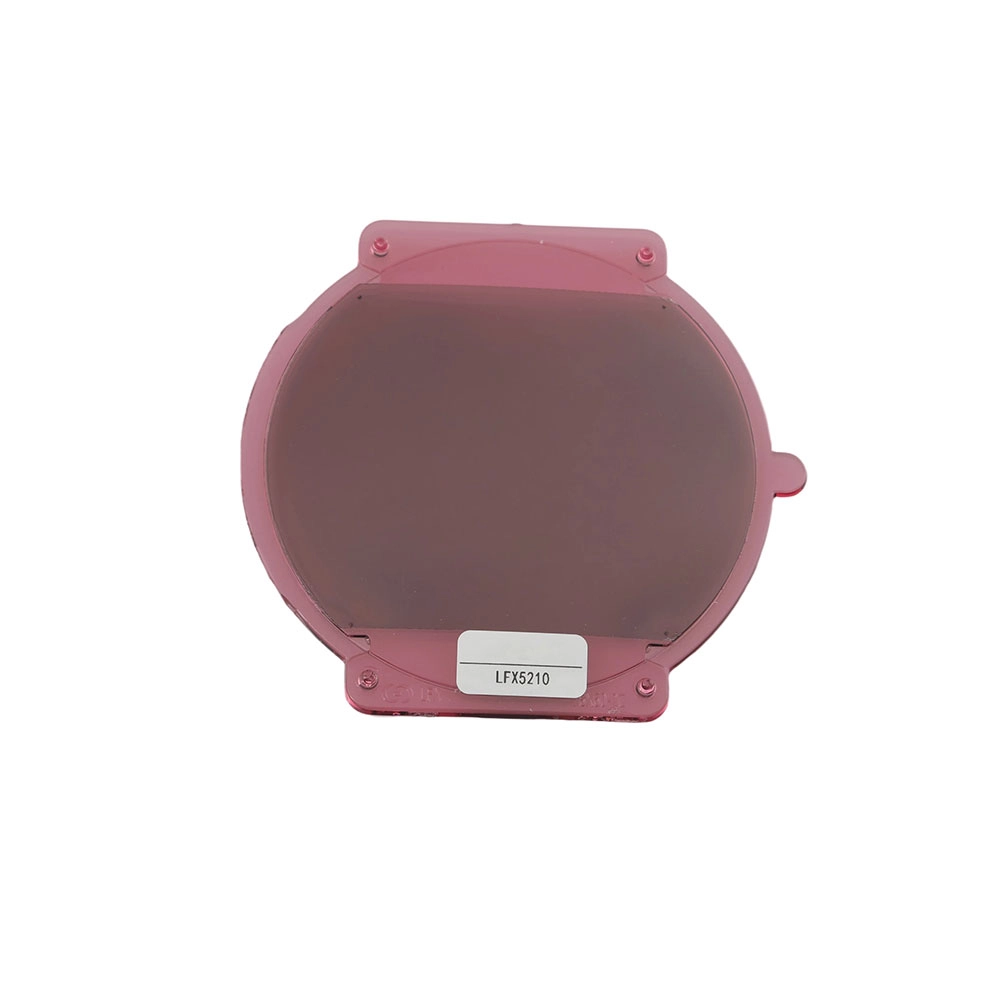
As a leading lenses manufacturer, Karuson sets a new industry standard with our flagship-grade Polyamide (PA) Nylon polarized lenses. By seamlessly merging ultra-lightweight, high-toughness materials with precision polarizing technology, we deliver a high-definition visual solution that excels in durability and comfort. Optimized for high-intensity outdoor activities, professional driving, and competitive sports scenarios, these lenses redefine the performance benchmark for polarized optics, providing global brands with a truly elite-level product.
Get in touch with us
If you have any comments or good suggestions, please leave us a message; later our professional staff will contact you as soon as possible.
NEW DIMENSIONS IN EYEWEAR
Contact KARUSON
Email:
WhatsApp/Phone:
Address:
331 Section B, WanJia Creative Park , No. 1 BUXIA Road ,Tianhe District, Guangzhou City, Guangdong Province, China.

© 2026 KARUSON. All Rights Reserved.
Facebook
Instagram
YouTube
TikTok
Linkedin