



Why is sustainability important in lenses manufacturing?
- 1. How can an eyewear factory guarantee prescription accuracy and centration for high‑index lenses across mixed OEM orders?
- 2. What causes recurring AR coating failures in high‑volume lens production and how can a factory reliably reduce coating rejects?
- 3. How can I verify an eyewear factory's material traceability and chemical compliance (REACH/SVHC) for acetate frames and lens coatings?
- 4. What are realistic costs and timelines to switch a small eyewear brand from standard CR‑39 to recycled bio‑acetate frames and recycled polycarbonate lenses?
- 5. Which sustainable process changes in lens manufacturing deliver measurable reductions in carbon and water footprint without compromising optical quality?
- 6. How can buyers reliably detect greenwashing in eyewear factories and which third‑party audits/certifications should they request?
- Conclusion: Advantages of partnering with a transparent, sustainability‑focused eyewear factory
Eyewear Factory FAQs: Sustainable Lens Manufacturing and Practical Buyer Guidance
This post answers six high-impact, under-addressed questions buyers ask when sourcing from an eyewear factory. It combines lens surfacing, frame injection molding and sustainable lens manufacturing best practices with actionable verification steps for product compliance, coatings reliability and supply chain traceability.
1. How can an eyewear factory guarantee prescription accuracy and centration for high‑index lenses across mixed OEM orders?
Why this matters: High‑index resins (used to make thinner lenses) are more sensitive to thermal stress, surface figure errors and processing variation. Brands find unexpected off‑centrations or power errors after production because lab processes and fixture setups vary between orders.
Practical controls and verification:
- Standardize lens blank batches: Use batch-traced high‑index resin blanks and request Certificates of Analysis (CoA) for refractive index and cure schedules from the supplier. Track each finished lens back to its blank lot with a unique internal batch code.
- Dedicated surfacing setups: Reserve dedicated lathe or CNC surfacing cells (or dedicated tooling offsets) for high‑index materials to avoid cross‑contamination of process parameters. Maintain documented tool offsets and corrective factors for each lens index.
- Temperature and humidity control: Maintain tight environmental control in surfacing and edging rooms. High‑index materials show greater transient power drift when temperature varies; consistent room setpoints reduce scatter.
- Optical metrology: Use a calibrated lensometer and wavefront or interferometric inspection to measure power, astigmatism and centration center thickness. For production acceptance, many leading labs adopt tighter internal targets than retail tolerances—for example aiming for ±0.12D sphere/cylinder as a production target and documenting measured distributions.
- Incoming inspection and first‑piece approval: For each new OEM order (especially when changing prescription ranges or coatings), run a first-article inspection with full surfacing/carrier parameters signed off by engineering before full production.
- Process control charts: Implement SPC (statistical process control) for key parameters—sag, curvature, centration offset, and final power—and hold production if control limits shift.
Buyer checklist: Request factory documentation on blank batch traceability, surfacing fixture drift data, environmental setpoints, and recent lensometer/interferometer calibration certificates before placing orders.
2. What causes recurring AR coating failures in high‑volume lens production and how can a factory reliably reduce coating rejects?
Why this matters: Anti‑reflective (AR) coating delamination, pinholes, haze or color shifts cause high scrap rates and warranty returns. Public resources often list causes at a high level, but manufacturers need root‑cause and mitigation strategies tailored to vacuum deposition and multi‑layer coatings.
Root causes and factory-grade mitigations:
- Substrate contamination: Oils, surfactants or micro‑particles on edging or surfacing leave residues. Mitigation: implement plasma cleaning or ultrasonic solvent baths immediately before coating; enforce a clean air pass‑through protocol into the coating room.
- Insufficient adhesion layers: For mixed materials (polycarbonate, high‑index resins, Trivex), adhesion stacks differ. Use priming layers (e.g., thin SiOx or TiOx adhesion sublayers) tailored and validated per substrate with pull and tape tests.
- Vacuum chamber contamination and process drift: Polymer outgassing or target contamination creates pinholes or color shifts. Mitigation: scheduled chamber conditioning, target maintenance, source shielding, and process recipes with real‑time residual gas analysis (RGA) where possible.
- Humidity and cure issues: Some coatings require strict post‑deposition cure profiles. Use controlled, validated oven cycles and measure coating hardness (pencil/hardness tests) and accelerated humidity aging to qualify batches.
- Inspection technology: Optical spectrophotometers for spectral reflectance, adhesion tape/pull tests, and automated visual inspection (machine vision) to detect pinholes and nonuniformities early in the line prevent downstream waste.
Factory KPIs to request: coating adhesion pass rate, average pinhole counts per 1,000 lenses, and results from accelerated environmental tests (e.g., 85% RH/40°C for 48–96 hours) for the specific coating stack used on your lenses.
3. How can I verify an eyewear factory's material traceability and chemical compliance (REACH/SVHC) for acetate frames and lens coatings?
Why this matters: Regulatory markets (EU, UK) require compliance with REACH and tracking of substances of very high concern (SVHC). Buyers are often given generic compliance statements with no traceability data.
Concrete verification steps:
- Ask for supplier chain documentation: Request supplier declarations of conformity and Material Safety Data Sheets (MSDS) for raw acetate sheets, metal alloys and lens resins. Each incoming raw material shipment should have a Certificate of Analysis (CoA) with lot number.
- Batch level traceability: Require the factory to provide a finished-goods traceability report that links frame blank lot → finished frame ID → lens blank lot → coating batch. This is typically a one‑page trace file or QR code that references internal lot numbers.
- Third‑party chemical testing: For EU/UK sales, request recent third‑party lab test reports (from SGS, Intertek, Bureau Veritas) testing for REACH SVHC content and phthalates in acetate or solvents in coatings. Prefer reports within the last 12 months for the exact material/colour lot used.
- Onsite audits and supplier qualification: Perform or commission supplier audits that verify purchasing controls, incoming inspection, and storage segregation to prevent cross‑contamination of restricted chemicals.
What to require in contracts: Include rights to audit, required maximum SVHC ppm thresholds, and remediation timelines if non‑conforming materials are discovered.
4. What are realistic costs and timelines to switch a small eyewear brand from standard CR‑39 to recycled bio‑acetate frames and recycled polycarbonate lenses?
Why this matters: Many brands want to adopt recycled materials but face uncertainty on MOQ, tooling lead times, optical performance tradeoffs and cost High Qualitys—details often missing from supplier FAQs.
Key factors affecting cost and timeline:
- Material sourcing and qualification (4–12 weeks): Sourcing certified recycled acetate or post‑consumer recycled (PCR) polycarbonate involves finding qualified suppliers, obtaining CoAs, and running mechanical and colorfastness tests. Expect at least 1–3 months of material qualification for small runs.
- Tooling and production setup (4–8 weeks per frame model): Existing injection molds for a design can be re-used if processed parameters are validated for recycled resin; new tooling adds lead time and cost. For acetate cut frames (rolled acetate sheets), switching to bio‑acetate requires sheet qualification and possible adjustments in thermoforming/press cycles.
- MOQ and unit cost High Quality: Recycled content often carries a High Quality depending on supply and color complexity. For low volumes, buyers may see a 5–30% material cost High Quality; higher volumes dilute High Quality. Discuss MOQ tiers with the factory—many offer small eco‑batches but at higher per‑unit costs.
- Performance testing (2–6 weeks): Recycled polycarbonate lenses must meet optical and impact standards; run lab tests for refractive index consistency, optical homogeneity, and impact resistance. Some recycled blends require slightly different surfacing offsets and may increase scrap if not validated.
Recommendations for brands:
- Start with a pilot SKU: Approve one frame style and one lens type to validate processes and customer feedback before full conversion.
- Request material CoAs and chain‑of‑custody documentation: Ask suppliers for Global Recycled Standard (GRS) certificates for textiles or equivalent third‑party verification for recycled content where available.
- Negotiate phase‑in pricing: Agree on price review points tied to volume milestones to reduce initial High Quality risk.
5. Which sustainable process changes in lens manufacturing deliver measurable reductions in carbon and water footprint without compromising optical quality?
Why this matters: 'Sustainable' is often used broadly. Brands need to know which interventions produce measurable lifecycle improvements that can be backed by data.
High‑impact, verifiable process changes:
- Closed‑loop water systems for polishing and rinsing: Recycle and filter polishing and rinse water to reduce freshwater withdrawals. This is one of the most direct ways factories cut water footprint without affecting lens quality.
- Solvent recovery and low‑VOC coatings: Recover solvents used in pre-cleaning and coating processes and switch to low‑VOC primer/cleaners. This reduces VOC emissions and hazardous waste volumes while preserving coating performance when validated.
- Energy efficiency and heat recovery: Upgrade to inverter-driven vacuum pumps, LED curing, and capture waste heat from ovens for plant heating. These reduce operational carbon; verify with energy metering and baseline comparison (kWh per 1,000 lenses).
- Recycled and bio‑based feedstocks: Where available and validated, use recycled polycarbonate lens blanks and bio‑acetate frames. Ensure optical properties meet specs and run comparative optical homogeneity tests before scaling.
- Eco‑design and material minimization: Optimize frame designs to use less raw material and favor modular components that are easier to disassemble and recycle at end of life.
How to verify impact: Ask for factory-level intensity metrics (e.g., kWh per 1,000 lenses, liters of water per 1,000 frames) and request a third‑party baseline audit or a certification such as ISO 14001. Lifecycle assessments (LCA) commissioned by the buyer or factory provide the most defensible comparison for marketing claims.
6. How can buyers reliably detect greenwashing in eyewear factories and which third‑party audits/certifications should they request?
Why this matters: Many suppliers claim sustainability without verifiable evidence. Buyers must know which documents and audits actually prove environmental claims.
Red flags and verification steps:
- Vague statements without data: Claims like eco-friendly or sustainable without metrics (energy, water, recycled content percentage) should be challenged. Request concrete KPIs and recent measurement reports.
- Ask for third‑party test reports and certificates: Request COAs for recycled content, GRS or equivalent chain‑of‑custody documents where applicable, and lab test reports for chemical compliance (REACH, phthalates). For general environmental management, ask whether the factory has ISO 14001 and request the certificate and scope.
- Independent auditors: Commission an audit from recognized firms (SGS, Intertek, Bureau Veritas) to validate factory processes, emissions reporting and waste management practices. For social and environmental governance, consider SMETA or BSCI audits for supply chain labor and management systems.
- Request raw data and site access: Ask for recent utility invoices, waste manifests, and evidence of solvent recovery equipment operation. If feasible, perform an on‑site verification or hire a local third‑party inspector to confirm equipment and processes are operational, not just planned.
- Specify acceptable marketing claims in contract: Define allowable sustainability language tied to the underlying verified data (e.g., “contains 30% post‑consumer recycled polycarbonate, verified by ”) and require corrective action plans and penalties for misstatements.
Buyer toolkit: A short checklist to send suppliers—CoA for materials, ISO 14001 certificate (if claimed), recent third‑party chemical test reports, sample traceability records, and permission for a supplier audit or remote documentation review.
Conclusion: Advantages of partnering with a transparent, sustainability‑focused eyewear factory
Working with a factory that combines strong quality control (incoming material CoAs, SPC and optical metrology), validated coating and surfacing recipes, and measurable sustainability actions (closed‑loop water, solvent recovery, and verified recycled content) reduces manufacturing risk, warranty costs and regulatory exposure. It also allows brands to make defensible environmental claims backed by third‑party test reports and supplier trace files. Choosing an OEM/ODM partner that provides batch traceability, documented AR coating KPIs, and pilot programs for recycled materials accelerates product launches with predictable optical quality and lower lifecycle impact.
For a detailed quote, pilot program, or to request the factory's certificates and recent third‑party reports, contact us at www.karusonco.com or email nicole@karusonco.com.
Why Sourcing from a China Eyewear Factory is the Strategic Choice for Global Brands

OEM vs. ODM: Which Partnership Model is Best for Your Eyewear Business?
2026 Eyewear Trend Forecast: Colors, Shapes, and Textures to Watch
About Products
What is the MOQ?
Usually ≥100, depending on the model.
What is the lead time?
Mass production takes [25-35]days; samples take [7-10] days.
Do you offer samples?
Yes, paid samples or refundable samples are available.
How do you ensure product quality?
Full QC process, factory testing, and international certifications.
About OEM&ODM
How long does it take to make samples?
Samples are typically completed within 7–15 working days if available molds are present.
You May Also Like
Why Quality Lenses are the Core of Your Eyewear Brand’s Reputation
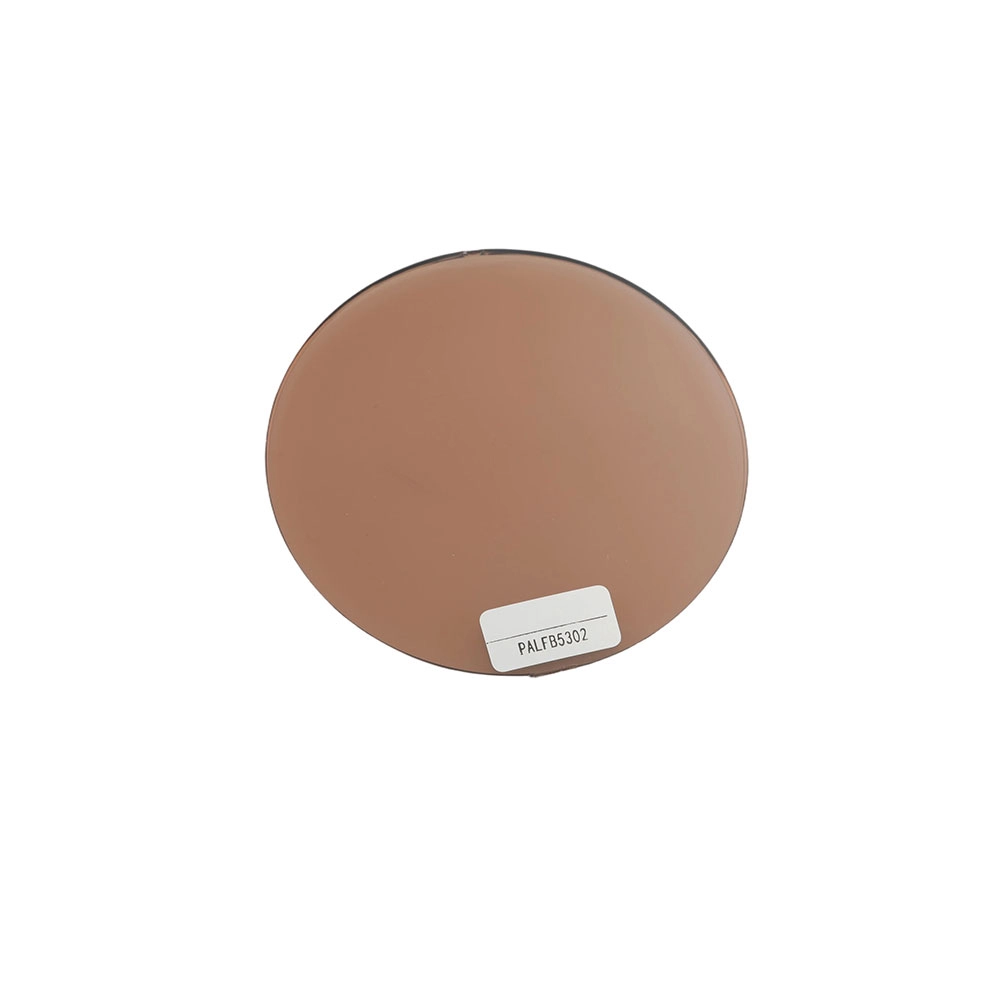
As a premier high-definition glasses lenses manufacturer, Karuson crafts high-quality Polyamide (PA) Nylon Tinted Lenses that represent the perfect synergy of ultra-lightweight performance and high-toughness durability. By integrating professional-grade tinting technology with advanced material science, we offer a lens solution that delivers exceptional optical clarity alongside vibrant, fashionable color expression. Designed for both daily commutes and trendy lifestyle matching, these lenses provide a comfortable and aesthetic visual experience, serving as a high-performance fashion accessory for the modern, style-conscious consumer.
Dynamic Adaptation: Next-Gen Photochromic Lenses for Indoor & Outdoor Use
As premier eyeglass lenses manufacturers, Karuson crafts high-performance PC polarized coated lenses that seamlessly integrate lightweight, impact-resistant polycarbonate with advanced optical film technology. These lenses are engineered to achieve superior glare reduction and enhanced visual definition while offering a spectrum of stylish, customizable tints. Optimized for professional driving, outdoor sports, and urban lifestyles, our manufacturing process ensures that harmful reflections from water, roads, and snow are effectively filtered out. The result is a durable, fashion-forward visual solution that perfectly balances essential eye protection with high-end aesthetic appeal—making them the ideal choice for brands seeking to merge practicality with a modern fashion statement.
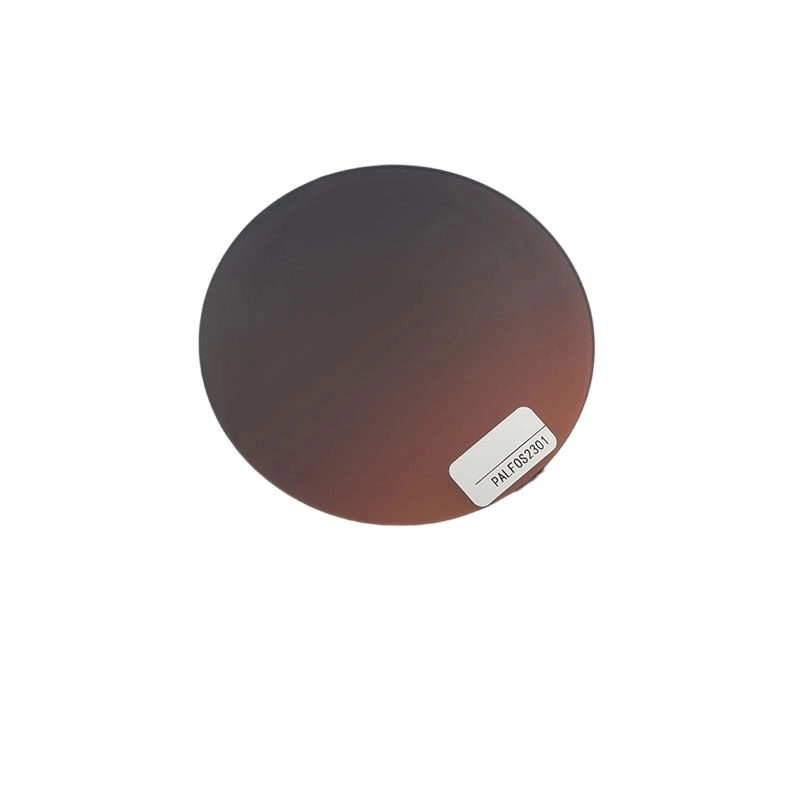
Advanced Sunglasses Solutions: Polarized Lenses with Anti-Seawater Coating
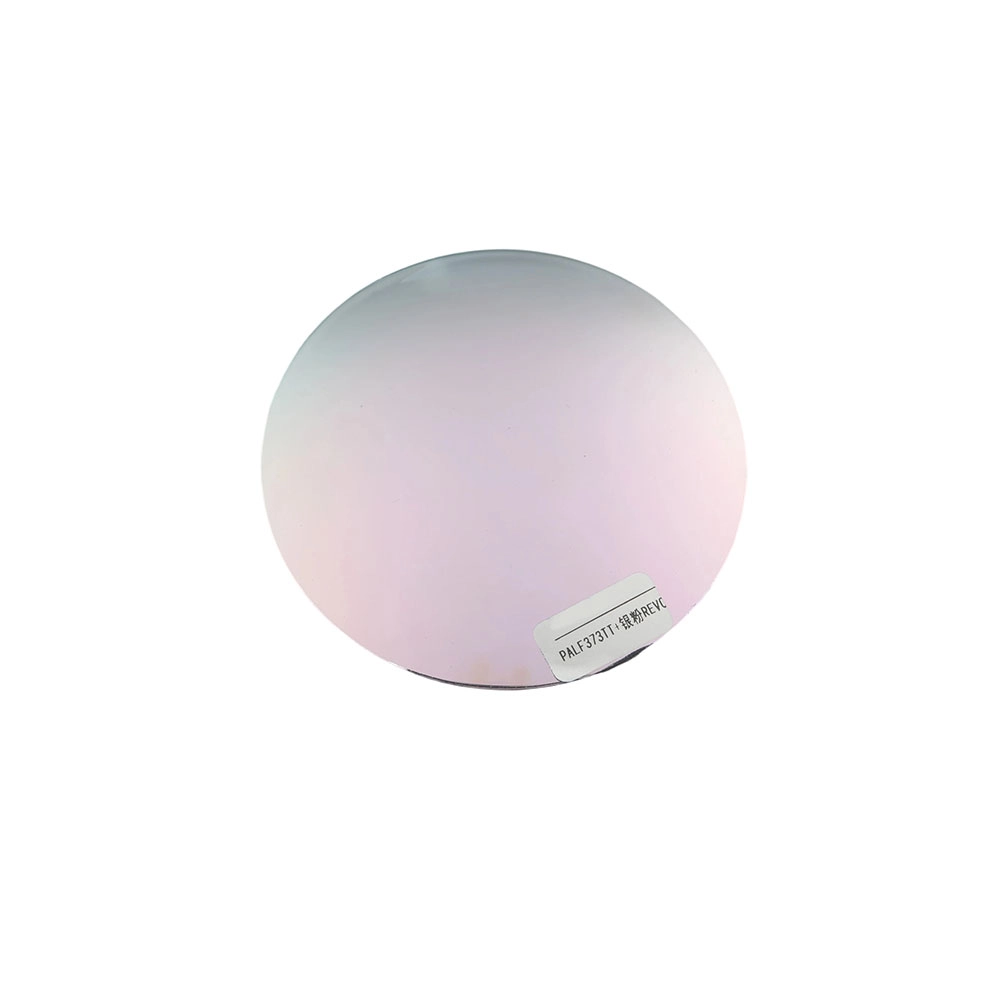
As a versatile photochromic lenses manufacturer and high-performance optics expert, Karuson crafts high-quality Polycarbonate (PC) Gradient Tinted Lenses that perfectly balance aesthetics with advanced protection. By fusing the ultra-lightweight and impact-resistant properties of PC material with precision gradient tinting technology, we deliver a durable visual solution that enhances clarity and comfort for urban lifestyles and outdoor sports. These lenses not only optimize visibility across varying light conditions by reducing glare but also offer a sleek, customizable design—allowing global brands to blend practical eye protection with a modern, fashion-forward accessory.
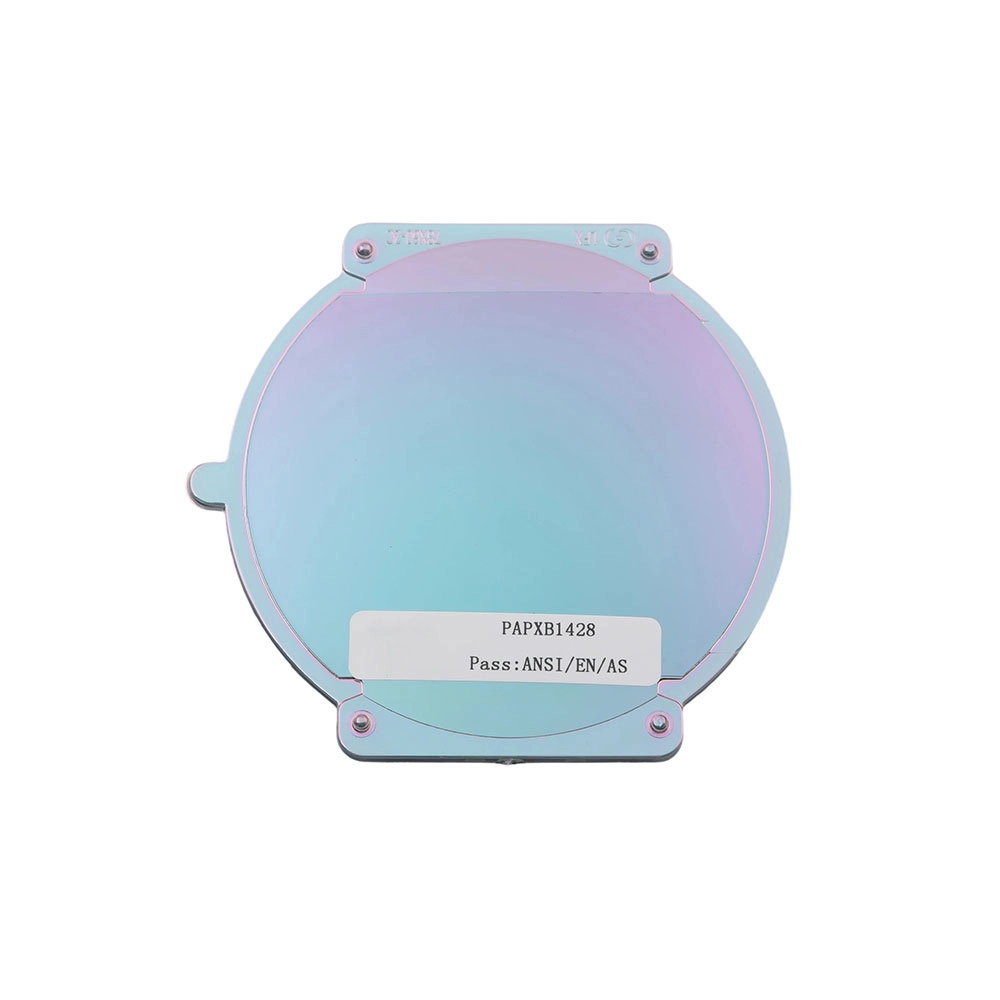
Innovative Lens Technologies: Setting Your Brand Apart in a Competitive Market
Setting a new standard in high-end lenses manufacturing, Karuson’s flagship-grade Polyamide (PA) Nylon polarized lenses seamlessly combine ultra-lightweight material with exceptional, high-toughness durability. By integrating precision polarizing technology, we have created a high-definition visual solution that excels in clarity and comfort for professional driving, outdoor adventures, and competitive sports. This innovation does more than meet expectations—it redefines the performance benchmark for professional polarized optics in the global market.
Get in touch with us
If you have any comments or good suggestions, please leave us a message; later our professional staff will contact you as soon as possible.
NEW DIMENSIONS IN EYEWEAR
Contact KARUSON
Email:
WhatsApp/Phone:
Address:
331 Section B, WanJia Creative Park , No. 1 BUXIA Road ,Tianhe District, Guangzhou City, Guangdong Province, China.

© 2026 KARUSON. All Rights Reserved.
Facebook
Instagram
YouTube
TikTok
Linkedin