



Why are sustainable materials important for lenses manufacturers?
- 1) How can a small eyewear factory verify supplier claims for recycled polycarbonate (rPC) so lenses meet optical index and safety standards?
- 2) What realistic cost and yield impacts should manufacturers expect when switching prescription lenses from virgin polycarbonate to recycled polycarbonate or bio-based alternatives?
- 3) Which tests and equipment must an eyewear factory add or upgrade to certify recycled/bio-based lenses meet optical metrics (index, Abbe, haze) and coating durability?
- 4) How should an OEM/ODM eyewear factory structure MOQs, lead times, and buffer inventories when sourcing sustainable acetate frames and recycled lenses with fluctuating supply?
- 5) What process changes and environmental controls must lens manufacturers implement to meet REACH, local chemical limits, and avoid fluorinated coating liabilities?
- 6) How do you perform a credible cradle-to-gate LCA to quantify CO2e savings when switching to bio-based acetate frames and recycled polycarbonate lenses?
- Concluding summary: Advantages of adopting sustainable materials with a qualified eyewear factory
For a custom quote, contact us at www.karusonco.com or nicole@karusonco.com.
1) How can a small eyewear factory verify supplier claims for recycled polycarbonate (rPC) so lenses meet optical index and safety standards?
Pain point: many suppliers claim “recycled” plastics but provide inconsistent traceability and optical performance, causing lens rejects and regulatory risk.
Verification checklist for buyers:
- Certificates and chain-of-custody: Require documented chain-of-custody from the supplier—look for GRS (Global Recycled Standard) or ISCC PLUS mass-balance certificates that confirm recycled feedstock handling. Ask for recent third-party lab reports (SGS/Intertek/TÜV) demonstrating the material batch meets the declared rPC content.
- Optical properties testing: Recycled polycarbonate intended for ophthalmic lenses should be accompanied by lab test results for refractive index (typical polycarbonate n≈1.586), Abbe value (polycarbonate ~30), yellowness index, and haze percentage. For traceability, request UV-Vis spectra and haze measurements for each lot.
- Mechanical & safety tests: Ensure suppliers provide impact resistance and tensile data. For safety eyewear you must validate compliance with ANSI Z87.1 (US), EN 166 (EU), or equivalent local standards depending on target markets.
- Batch sampling and incoming QC: Implement a mandatory incoming inspection protocol at your optical quality control lab. Sample >1% of lots for full optical and mechanical testing; maintain retained samples for future audits.
- Supplier audits: For critical suppliers, schedule on-site or remote audits covering production process, feedstock sorting, decontamination steps, and melt filtration. Document corrective action plans and lead-time variation triggers.
Why this matters: recycled feedstocks can vary in polymer chain length and additives; uncontrolled variability modifies refractive index, increases haze, and can reduce scratch-coating adhesion. Verifying certificates, testing optical properties per lot, and auditing suppliers lowers production scrap and regulatory exposure for your eyewear factory.
2) What realistic cost and yield impacts should manufacturers expect when switching prescription lenses from virgin polycarbonate to recycled polycarbonate or bio-based alternatives?
Pain point: buyers see marketing claims but lack concrete expectations for unit cost, yield loss, and downstream processing adaptations.
Factors that drive cost and yield changes:
- Material cost differential: rPC and certified bio-based polymers can be priced competitively versus virgin material depending on volume and geography. Expect variability—small-volume orders often have a higher High Quality. Large OEM contracts can negotiate parity or small High Qualitys.
- Processing yield: Recycled or bio-based batches often require tighter processing windows. Typical yield impact on first run can be an increase in rejects by a few percentage points (1–5%) until recipes are dialed. This improves with stable supplier lots and adjusted molding/extrusion parameters.
- Tooling and cycle time: Some bio-based materials have different thermal behavior—mold temperatures and cycle times may need adjustment. Expect initial NC (non-conforming) rates and slightly longer ramp-up time for new materials (2–6 weeks for stable production for most factories).
- Coating and adhesion: New formulations sometimes need primer layers or altered cure profiles for anti-reflective and anti-scratch coatings—budget for coating trials and potential small increases in per-unit processing costs.
- Economies of scale: Bulk purchasing, long-term contracts, and supplier development programs reduce High Qualitys. MOQ and batch consistency are critical.
Practical guidance: run a pilot production of 500–2,000 pairs (or equivalent lens blanks) to measure real-world yield and coating adhesion before full conversion. Use a cost model that includes material unit price, projected scrap rate, additional processing time, and extra QC testing. That gives CFOs and procurement teams a defensible ROI assessment rather than relying on marketing claims.
3) Which tests and equipment must an eyewear factory add or upgrade to certify recycled/bio-based lenses meet optical metrics (index, Abbe, haze) and coating durability?
Pain point: many factories have basic inspection but lack instrumentation and protocols tailored to sustainable materials that can show small but critical deviations in optical performance.
Minimum lab and test protocol upgrades:
- Spectrophotometer / UV-Vis: For spectral transmission curves, yellowing evaluation, and UV-block verification (important for sun and prescription sunglasses).
- Refractive index and dispersion testing: Instruments capable of measuring refractive index for plastics (e.g., refractometers designed for solids or interferometry setups) and methods to assess dispersion/Abbe number. Ensure calibration against standards.
- Haze and clarity meter: Haze % measurement is essential for verifying recycled feedstock cleanliness; small increases in haze are noticeable to consumers and reduce product acceptance.
- Mechanical testing: Impact testers (per ANSI Z87.1/EN166), tensile testers for polymer strength, and pencil hardness or Taber abrasion testers for coatings.
- Adhesion and environmental chambers: Cross-hatch adhesion tests for coatings, salt spray and humidity cycling to simulate wear and ensure coatings adhere to new substrate chemistries.
- Clean-room or contamination control: Upgrading finishing lines and rinse/air-drying zones to reduce particulate inclusion, which recycled materials can accentuate.
Implementation tip: partner with third-party labs for initial validation and then internalize routine checks. For regulatory claims (e.g., “contains X% recycled content”), maintain test records for each production batch to support marketing and compliance audits.
4) How should an OEM/ODM eyewear factory structure MOQs, lead times, and buffer inventories when sourcing sustainable acetate frames and recycled lenses with fluctuating supply?
Pain point: sustainable feedstocks often have wider lead-time variability, creating stockouts or forcing last-minute material swaps that break color matching and optical tolerances.
Recommended commercial and operational controls:
- Tiered MOQ approach: Negotiate tiered minimum order quantities—initial pilot MOQ (e.g., 300–500 pcs per SKU) then volume tiers (1,000+, 5,000+). This reduces risk on color and tooling while allowing scaling discounts.
- Lead time contracts with SLAs: Build service-level agreements inclusive of scheduled raw material delivery windows, acceptable variance, and penalties or contingencies for delays. Include clauses for advance notice on material formulation changes.
- Buffer inventory policy: Maintain a safety stock of key frame acetate colors and lens blanks—recommended safety stock levels vary by SKU but typically 4–8 weeks for recycled feedstocks in early adoption phases. Reassess after 3–6 months as supplier reliability stabilizes.
- Dual-sourcing & certified alternates: Pre-qualify two suppliers per critical material. Keep an approved alternate material spec that’s optically equivalent to limit production stoppages if a primary supplier fails.
- Joint forecasting and vendor-managed inventory (VMI): Share sales forecasts and seasonality data with suppliers, and consider VMI arrangements for critical batches; this reduces bullwhip effects and improves lot continuity for color and optical properties.
Procurement practice: Translate sustainability into contractual terms—specify percent recycled/bio content, allowable variance bands for optical metrics, and acceptance sampling plans so manufacturing doesn’t get surprised on delivery.
5) What process changes and environmental controls must lens manufacturers implement to meet REACH, local chemical limits, and avoid fluorinated coating liabilities?
Pain point: older coating chemistries (including some fluorinated compounds) and solvents are increasingly restricted; manufacturers face compliance complexity and reputational risk.
Actionable compliance steps:
- Inventory of chemical use: Maintain a living chemical inventory mapping all monomers, additives, solvents, and coating chemicals against REACH SVHC lists and local regulated substance lists. Update quarterly.
- Switch to compliant chemistries: Many AR/HC coating vendors now offer fluorine-free hydrophobic topcoats and low-VOC formulations. Validate performance through accelerated wear testing and require supplier SDS and compliance declarations.
- Solvent recovery and VOC controls: Install solvent condensation/recovery systems on coating lines and implement carbon adsorption or thermal oxidation for residual VOCs. These reduce emissions and often yield cost savings over time in high-throughput factories.
- Wastewater & solid waste handling: Use closed-loop rinse water systems and certified disposal contractors for concentrated chemical waste. Keep manifests and disposal certificates for audits.
- Training and documentation: Regular operator training, SOPs for spill response, and documented preventive maintenance reduce non-compliance risk and improve worker safety.
Regulatory note: REACH (EU) and analogous regulations require importers and manufacturers to know the chemical composition of their articles. If you plan to sell into the EU or other jurisdictions with strict chemical rules, begin material declarations early and require full formulations from your coating and polymer suppliers.
6) How do you perform a credible cradle-to-gate LCA to quantify CO2e savings when switching to bio-based acetate frames and recycled polycarbonate lenses?
Pain point: marketing teams demand carbon savings numbers, but many in-industry LCAs are incomplete or non-comparable.
Essential LCA data points and methodology:
- Define system boundary: For cradle-to-gate, include raw material extraction/processing, polymer production (including recycling or bio-feedstock cultivation/processing), transport to supplier, and manufacturing energy for your eyewear factory up to finished goods leaving your plant.
- Primary data vs secondary data: Collect primary data from suppliers for energy consumption, fuel types, and production yields. Where primary data are unavailable, use reputable secondary data sources (Ecoinvent, GaBi) but document assumptions and uncertainty.
- Key inputs to gather: percentage recycled feedstock, transportation distances/modes, energy mix (grid emission factors), process yields and scrap rates, solvent recovery rates, and end-of-line losses.
- Allocation rules: For recycled content or bio-based mass-balance systems, choose and document allocation rules (mass-based, economic, or system expansion) and align with recognized standards (ISO 14040/44, EN 15804 for construction but analogous methods apply).
- Reporting and verification: Use a recognized LCA practitioner or third-party verifier to review model assumptions. Publicly report GWP (kg CO2e per product) and sensitivity analysis showing how results change with yield or transport assumptions.
Practical example framework (no fabricated numbers): collect supplier-specific energy use and transport distances, measure in-factory energy per production run, and run a cradle-to-gate model. Present both absolute CO2e per unit and relative % change vs baseline (virgin materials), and include uncertainty bands. This defensible approach supports credible sustainability claims and avoids greenwashing risks.
Concluding summary: Advantages of adopting sustainable materials with a qualified eyewear factory
Working with an experienced eyewear factory to adopt recycled polycarbonate and bio-based acetate yields multiple advantages: reduced reliance on virgin fossil feedstocks, improved brand positioning, and potential cost parity at scale. Operationally, you gain benefits in supplier traceability, clearer LCA-backed sustainability claims, and improved compliance control when you implement systematic incoming QC, updated coating processes, and contractual supplier SLAs. While upfront validation, lab upgrades, and supply-chain work are required, the long-term value includes lower regulatory risk, stronger retail acceptance, and often better resilience through diversified sourcing.
For an actionable material conversion plan, pilot production roadmap, or a written quote, contact us at www.karusonco.com or nicole@karusonco.com.
Why Sourcing from a China Eyewear Factory is the Strategic Choice for Global Brands
OEM vs. ODM: Which Partnership Model is Best for Your Eyewear Business?
2026 Eyewear Trend Forecast: Colors, Shapes, and Textures to Watch
About OEM&ODM
How long does it take to make samples?
Samples are typically completed within 7–15 working days if available molds are present.
Can you help with packaging and logo branding?
Absolutely—we provide branded packaging bags, boxes, logo applications, and display solutions.
What is your minimum order quantity (MOQ)?
MOQ is flexible and varies by product type. Small trial orders are welcome.
About Products
Do you support OEM/ODM?
Yes, our R&D and design teams support full customization.
Do you offer samples?
Yes, paid samples or refundable samples are available.
You May Also Like
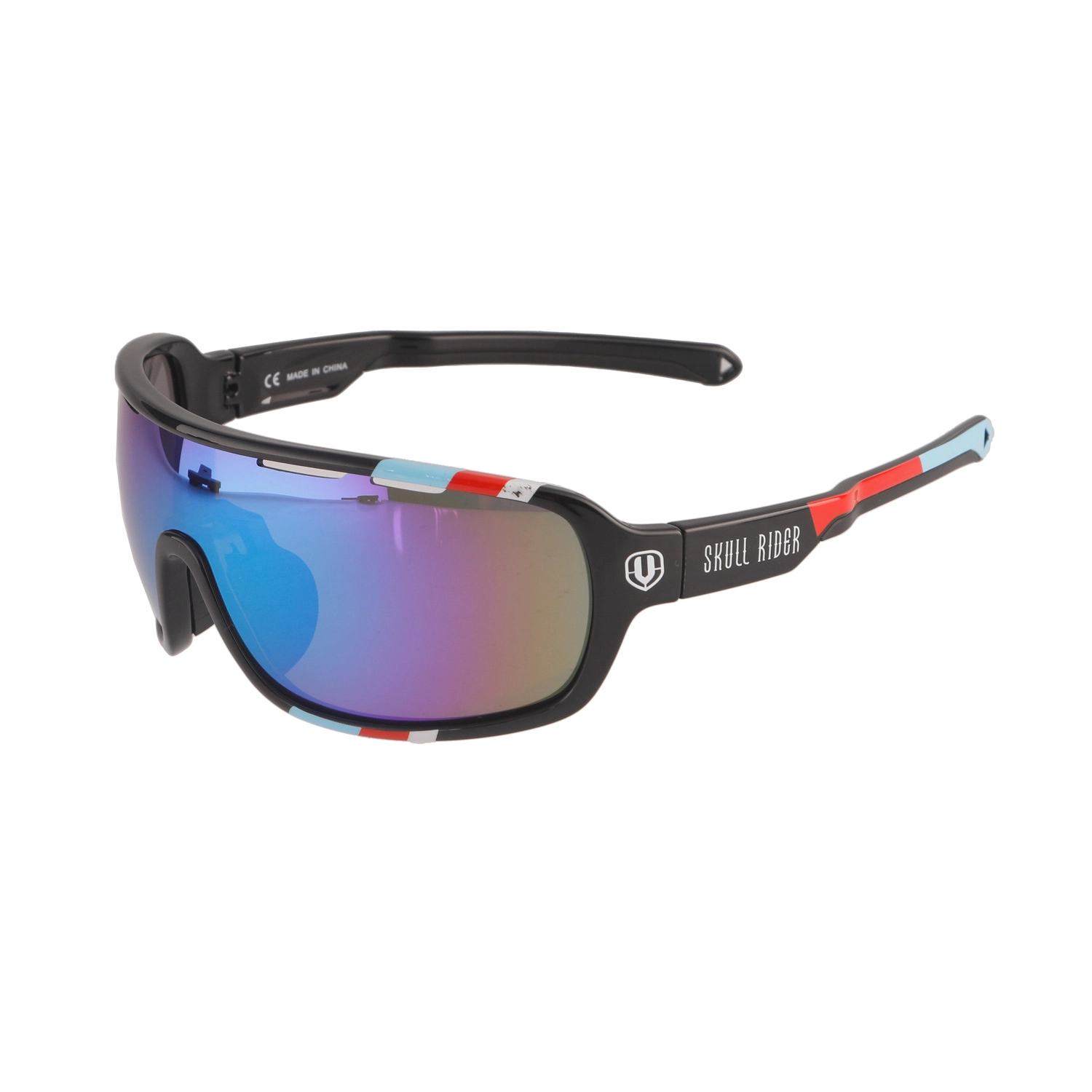
Professional Sports Style Sunglasses
These sports sunglasses are engineered to withstand extreme conditions while offering superior eye protection and style. Crafted with high-strength bio-acetate frames/PC/TR material, they feature exceptional impact resistance, scratch resistance, and wear resistance, ensuring longevity even during intense activities like cycling, hiking, or water sports.
The UV400 lenses provide 100% protection against harmful ultraviolet rays and reduce glare, minimizing eye fatigue and enhancing visual clarity. Perfect for outdoor enthusiasts, these sunglasses are available in vibrant, customizable colors and lightweight designs, making them a comfortable choice for all-day wear.
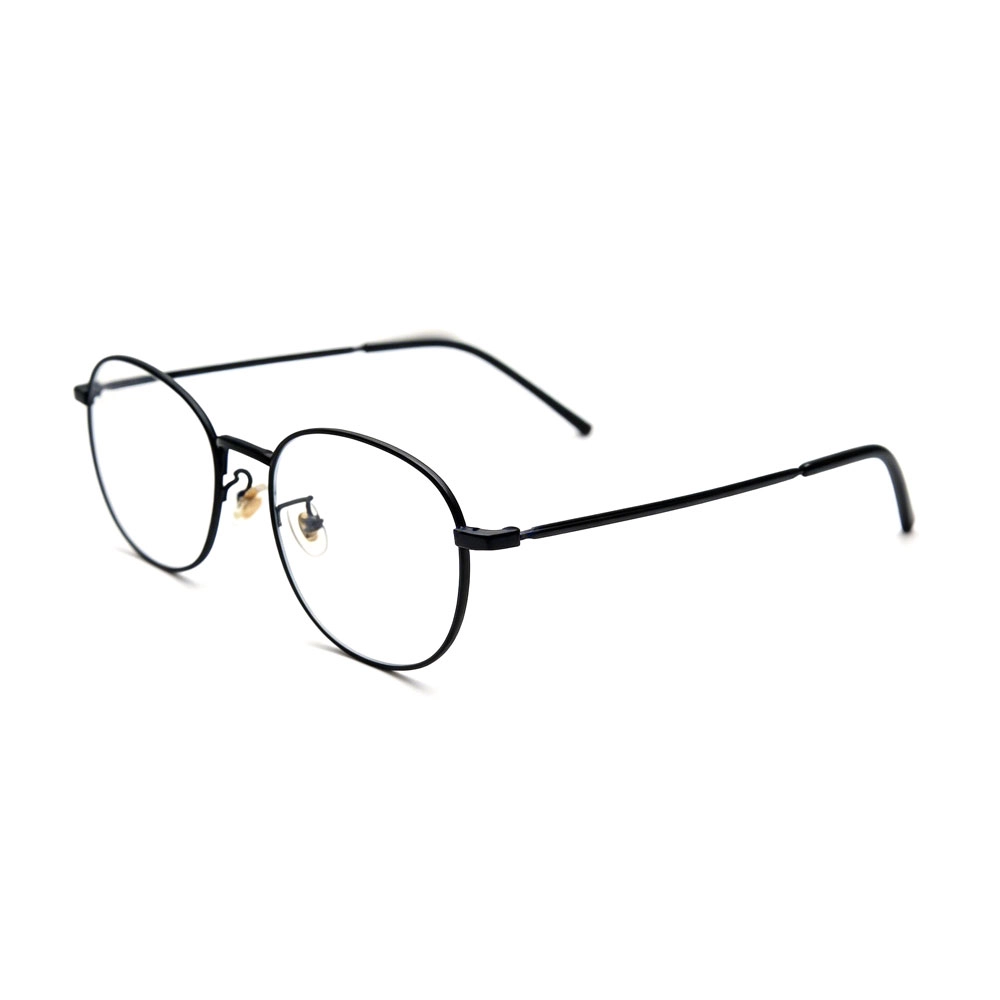
Elegant Lightweight Metal Eyeglass Frames
Metal sunglasses are the perfect blend of strength and elegance, designed for active lifestyles or daily use. Their aluminum or titanium frames are lightweight yet highly durable, resisting impacts and corrosion. UV400 lenses protect your eyes from harmful rays and glare, making them ideal for beach days or cycling. With customizable colors and sleek designs, these sunglasses deliver a stylish, sustainable option for eco-conscious brands and fashion-forward individuals.
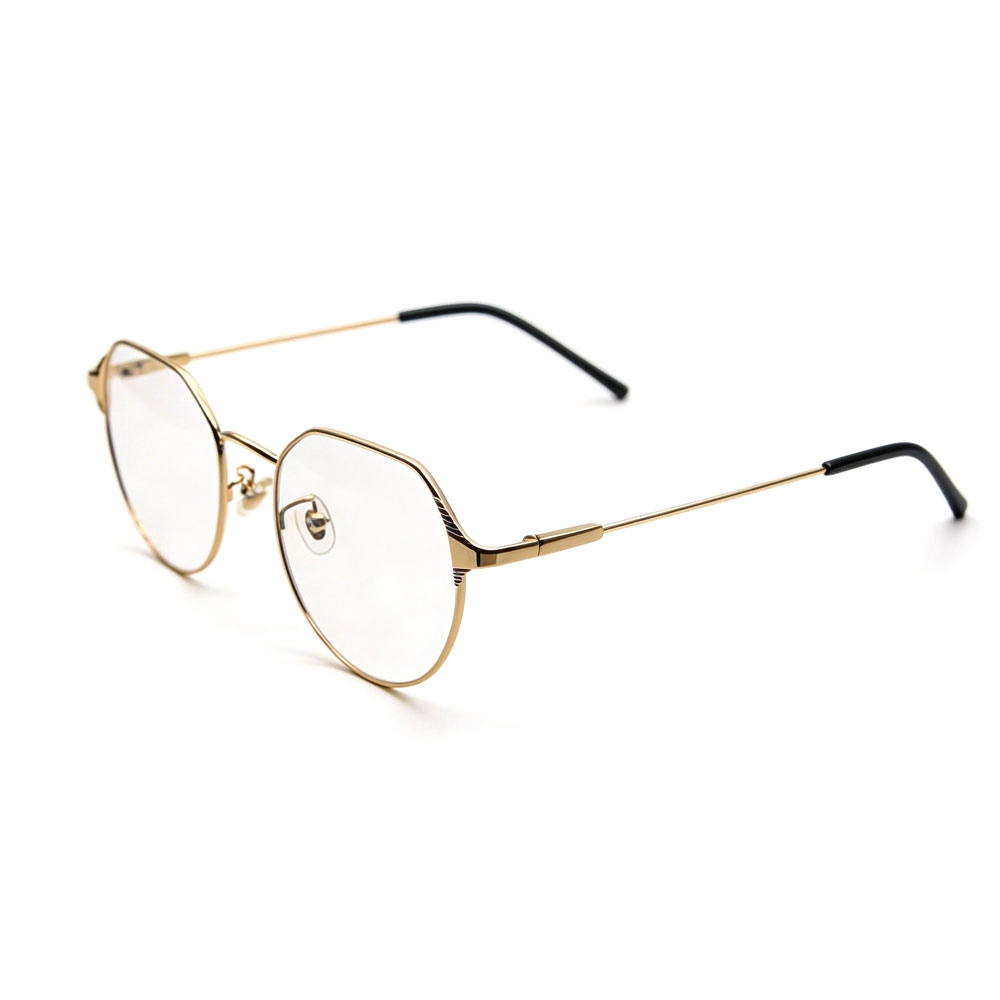
Vintage Round Metal Glasses
Metal sunglasses are the perfect blend of strength and elegance, designed for active lifestyles or daily use. Their aluminum or titanium frames are lightweight yet highly durable, resisting impacts and corrosion. UV400 lenses protect your eyes from harmful rays and glare, making them ideal for beach days or cycling. With customizable colors and sleek designs, these sunglasses deliver a stylish, sustainable option for eco-conscious brands and fashion-forward individuals.
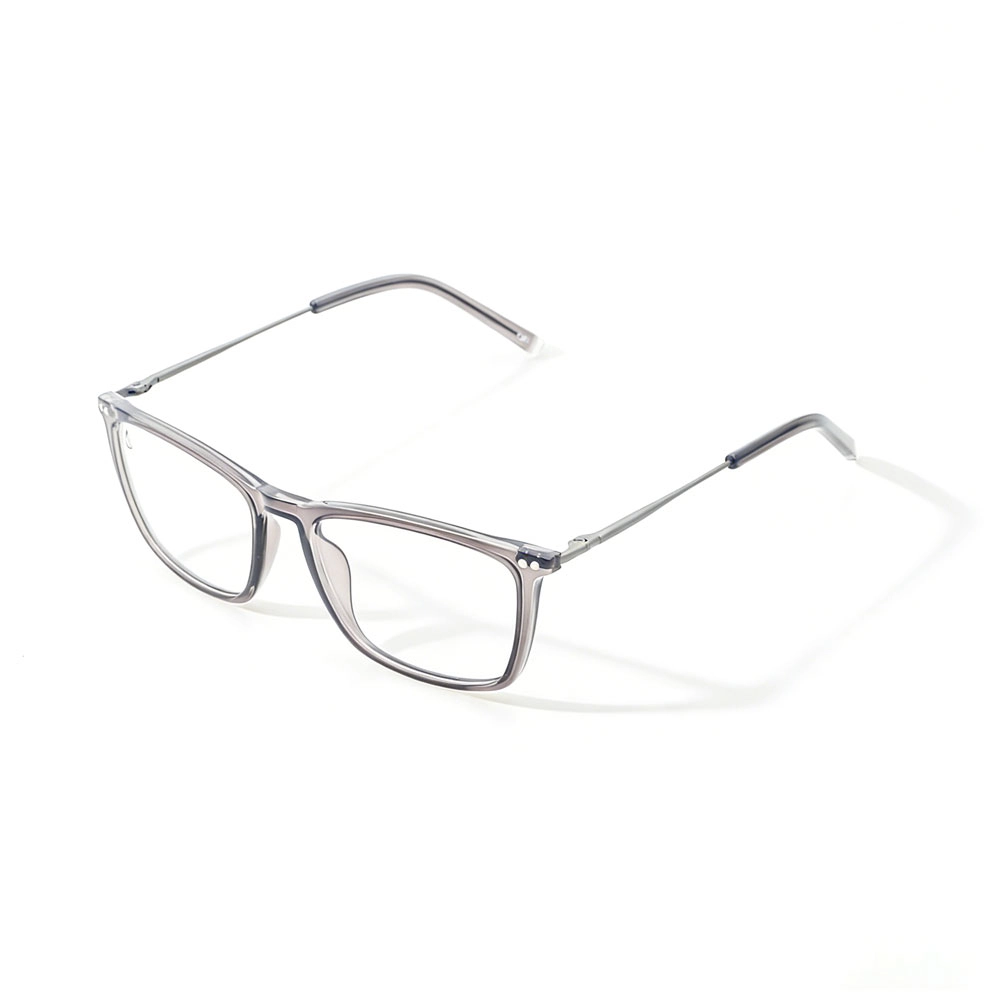
Custom TR90 Mirror Sunglasses Bulk
TR sunglasses are a harmonious blend of sustainable innovation and high performance, ideal for private label lines. Their durable frames resist impacts and scratches, keeping them sleek for daily wear. UV400 lenses protect against UV rays and glare, safeguarding eyes while maintaining clarity. With diverse, customizable colors, these sunglasses offer eco-conscious brands a premium, lightweight, and stylish choice that balances safety and aesthetics, demonstrating the effortless coexistence of sustainability and sophistication.
Get in touch with us
If you have any comments or good suggestions, please leave us a message; later our professional staff will contact you as soon as possible.
NEW DIMENSIONS IN EYEWEAR
Contact KARUSON
Email:
WhatsApp/Phone:
Address:
331 Section B, WanJia Creative Park , No. 1 BUXIA Road ,Tianhe District, Guangzhou City, Guangdong Province, China.

© 2026 KARUSON. All Rights Reserved.
Facebook
Instagram
YouTube
TikTok
Linkedin