


How much do tooling and mold costs run in eyewear factories?
- 1. How much do tooling and mold costs run in eyewear factories for an acetate frame set (front, two temples, hinge inserts) — and how do I amortize that cost per unit at common MOQs?
- 2. What hidden tooling-related costs do eyewear factories commonly leave out of initial quotes?
- 3. For metal frames: how do CNC master tooling, stamping dies, and lost-wax casting molds compare on price, lead time, and suitability?
- 4. How do tooling costs for polarized or prescription lens molds differ from sunglass plastic frame molds, and can small brands access lens tooling without huge capital?
- 5. What are realistic lead times for tooling, and how much do mid-course revisions typically cost (and delay my launch)?
- 6. Can 3D-printed prototypes or soft tooling replace hard steel molds for low-volume eyewear runs — what are the quality and durability tradeoffs?
1. How much do tooling and mold costs run in eyewear factories for an acetate frame set (front, two temples, hinge inserts) — and how do I amortize that cost per unit at common MOQs?
Typical tooling for an acetate frame family includes separate tools for the front, each temple shape, and any internal hinge inserts or metal cores. In global eyewear supply chains the common hard-tooling ranges are:
- Acetate block cutting / CNC master tooling (front or temple master): USD 2,000–12,000 per tool depending on complexity and steel grade.
- Steel form tools (for high-run thermoforming/pressing): USD 5,000–25,000+ for High Quality finishes or complex 3D contours.
These are broad ranges because mold size, expected lifetime (shots), multi-cavity vs single-cavity, and precision finish (polish, plating) drive cost. To amortize tooling into per-unit cost use:
Per-unit tooling cost = Total tooling cost for that SKU set / Expected lifetime production volume
Example 1 — conservative entry brand: tooling USD 12,000 for front + 2 temples (one tool per temple) = USD 12,000. If expected first run (and realistic lifetime) = 5,000 pairs → USD 12,000 / 5,000 = USD 2.40 tooling per pair.
Example 2 — larger batch brand: same tooling USD 12,000 but lifetime 25,000 pairs → USD 0.48 per pair.
Important notes:
- Factories often quote tooling amortized over an MOQ; demand explicit line-itemization so you can calculate per-color and per-shape amortization.
- Each additional color or significant revision often requires a rework or secondary tool (incremental cost 20%–80% of original depending on change).
- Finish work (polish, plating, pad-print, or acetate buffing) and hinge hardware are separate per-unit costs on top of molded part amortization.
2. What hidden tooling-related costs do eyewear factories commonly leave out of initial quotes?
Beginners often miss these line items that materially change cost to the brand:
- Prototype and try-out shots: setting up a new tool for tryouts, adjustments, and first-production shots — USD 200–1,500 per tryout session.
- Tool polishing, EDM rework and maintenance: after initial runs small fixes may cost 5%–30% of the original tool price (USD 200–5,000 depending on tool complexity).
- Electroplating or special surface treatments of molds to extend lifetime: USD 300–2,000 per treatment cycle for medium tools.
- Tool storage and custody fees if you do not buy the tool outright: factories may charge USD 50–300/month or require ownership transfer terms.
- Sampling shipping, customs clearance, and local certification testing (e.g., lens optical checks, CE testing) which are not part of tooling but necessary pre-launch costs.
- Intellectual property protection (NDA, escrow, mold ownership transfer) and remanufacture charges if you want the tool sent or reproduced elsewhere.
Ask for a detailed tooling quote that breaks down “tool price,” “tryout/sample charges,” “revision caps,” and expected maintenance schedule. Request a clause: “first two revisions included” or fixed hourly EDM rates.
3. For metal frames: how do CNC master tooling, stamping dies, and lost-wax casting molds compare on price, lead time, and suitability?
Metal eyewear uses three mainstream approaches depending on design, material, volume, and finish demands:
- CNC milled masters / fixtures (for small-run bespoke parts): Higher per-part machining time; tooling/fixture costs are moderate (USD 1,000–8,000) but unit price is higher. Best for prototypes and low-volume luxury lines where tight tolerances and complex geometry are required.
- Stamping dies (progressive dies for thin metal parts): Upfront die cost higher (USD 5,000–25,000+) but extremely low per-unit cost when volumes are high. Lead time is typically 4–10 weeks. Ideal for high-volume stainless steel or titanium temples and frames up to certain thicknesses.
- Lost-wax casting / investment casting molds (for thicker or complex 3D parts): Tool/mold costs vary widely (USD 2,000–12,000 per pattern) and finishing/polishing is intensive. Good for chunkier metal frames and parts with substantial 3D shapes where stamping isn’t possible.
Trade-offs to consider:
- If you plan many SKUs (colors/finishes) stamping dies’ high setup amortize well at scale, but not for low volumes.
- CNC masters and soft fixturing are flexible for iterative design and lower lead-time prototyping.
- Surface finishing (plating, PVD, anodizing) is a significant downstream cost; ensure die/tooling tolerances allow post-finish dimensioning.
4. How do tooling costs for polarized or prescription lens molds differ from sunglass plastic frame molds, and can small brands access lens tooling without huge capital?
Lens tooling (optical molds) is a distinct, highly specialized category. Single-vision and free-form progressive lens molds require precision glass/steel tooling and stringent polishing — costs are higher and the quality bar is stricter than frame tooling.
- Prescription ophthalmic lens molds (free-form or progressive): USD 10,000–100,000 per mold family depending on surface accuracy and whether the mold set is for injection or press processes. High-precision optical tooling is expensive because of micro-surface finish and strict geometry tolerances.
- Polarized sunglass lens molds (injection mold for sunglass blanks): usually lower than ophthalmic molds — USD 3,000–25,000 — but still higher than typical frame injection molds due to curvature and optical grade polishing.
Can small brands access lens tooling?
- Yes — by working with lens houses that supply finished lenses (cut-to-fit options) or using an ODM lens supplier. Instead of buying lens molds you can purchase finished lenses (polarized, AR, mirrored) from lens manufacturers who already amortized tooling across many clients.
- For niche optical designs requiring a proprietary lens geometry, partnerships with specialized optical labs or co-investment in tooling are needed.
5. What are realistic lead times for tooling, and how much do mid-course revisions typically cost (and delay my launch)?
Typical lead times and revision expectations:
- Simple prototype tool (soft-tooling, aluminum or 3D printed): 1–3 weeks.
- Standard steel production tool (single-cavity for frames or temples): 4–8 weeks.
- Complex multi-cavity or precision optical molds: 8–16+ weeks.
Revisions commonly occur after first tryout shots and range from minor polish to major rework. Typical revision costs:
- Minor polish/adjust: USD 100–1,000 and 1–7 days delay.
- Moderate EDM re-cut or cavity rework: USD 500–3,500 and 1–3 weeks delay.
- Major redesign requiring a new tool: 50%–120% of original tool cost and 4–16 weeks delay.
Minimize delays by doing thorough DFM (Design for Manufacturing) reviews, supplying clear CAD & surface finish specs, approving digital and printed prototypes, and agreeing to a revision cap in the contract. Use 3D-printed prototypes for fit-checks and reduce first-article surprises.
6. Can 3D-printed prototypes or soft tooling replace hard steel molds for low-volume eyewear runs — what are the quality and durability tradeoffs?
Soft tooling and additive manufacturing have changed the entry path for new brands, but there are tradeoffs:
- 3D-printed prototypes (SLA/DLP) give fast iteration for fit, hinge position, and styling. They are ideal for styling approval and early photos but do not replicate final acetate polish, color translucency, or long-term wear behavior.
- Soft tooling (aluminum molds, urethane RT molds for castings) can produce low-volume runs — generally 100–5,000 shots depending on process — at lower upfront cost (USD 500–6,000). Surface finish and dimensional stability are inferior to hardened steel, and color/finish uniformity may vary batch-to-batch.
- Durability: aluminum or urethane molds wear faster and require more frequent maintenance. If you expect to scale beyond a few thousand pairs, steel production molds eventually pay off.
Use case guidance:
- Use 3D prototypes + soft tooling to validate design and market-test limited releases. Expect higher per-unit costs but faster time-to-market.
- Move to hardened steel tooling once you have validated demand and require consistent finish, tight tolerances, and lower per-unit cost.
Practical checklist before signing tooling agreements (always get these in writing):
- Itemized tool price and what’s included (number of revisions, tryout shots, polish).
- Expected tool lifetime (shot count) and per-shot warranty/guarantee.
- Ownership terms: who owns the tool, and what are freight/insurance costs if you request physical transfer.
- MOQs tied to amortization and per-unit price tiers at 1k / 5k / 10k runs.
- IP protection steps — NDA and written consent before sending tooling designs to sub-suppliers.
At KarusonCo we recommend a phased investment approach: validate design with rapid prototyping, use soft tooling for proof-of-market, then scale into hardened steel or die tooling when unit volumes justify amortization. For an accurate, itemized quote based on your SKU mix, desired finishes, and targeted MOQ, contact us at nicole@karusonco.com or visit www.karusonco.com.
Concluding summary — Advantages of working with KarusonCo’s eyewear factory partners
Working with experienced eyewear factory partners reduces hidden costs and launch risk: we provide transparent tooling line items, DFM reviews to cut revision cycles, multi-process options (acetate pressing, injection molding, stamping, casting), access to pre-amortized lens suppliers, and project scheduling to hit seasonal windows. That combination lowers per-unit cost faster while protecting IP and ensuring optical and cosmetic quality.
How to Choose the Best Material for Sports Sunglasses: TR90 vs. Carbon Fiber vs. Titanium
Why Sourcing from a China Eyewear Factory is the Strategic Choice for Global Brands
OEM vs. ODM: Which Partnership Model is Best for Your Eyewear Business?
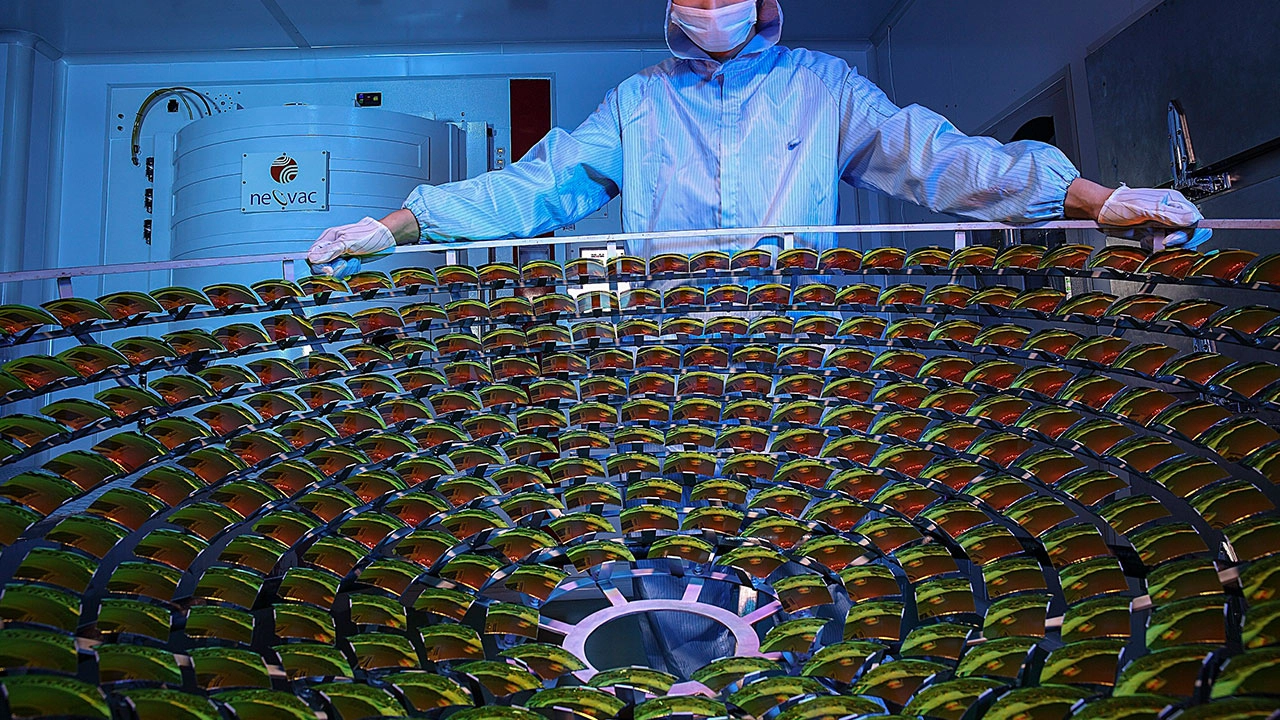
2026 Eyewear Trend Forecast: Colors, Shapes, and Textures to Watch
About OEM&ODM
How long does it take to make samples?
Samples are typically completed within 7–15 working days if available molds are present.
Do you support OEM and ODM?
Yes—we offer both contract manufacturing (OEM) and full product development services (ODM).
How do we start a project with Karuson?
Send us your product idea or requirements—our team will review, advise, and provide the best solution and quotation.
About Products
Do you support OEM/ODM?
Yes, our R&D and design teams support full customization.
What is the MOQ?
Usually ≥100, depending on the model.
You May Also Like
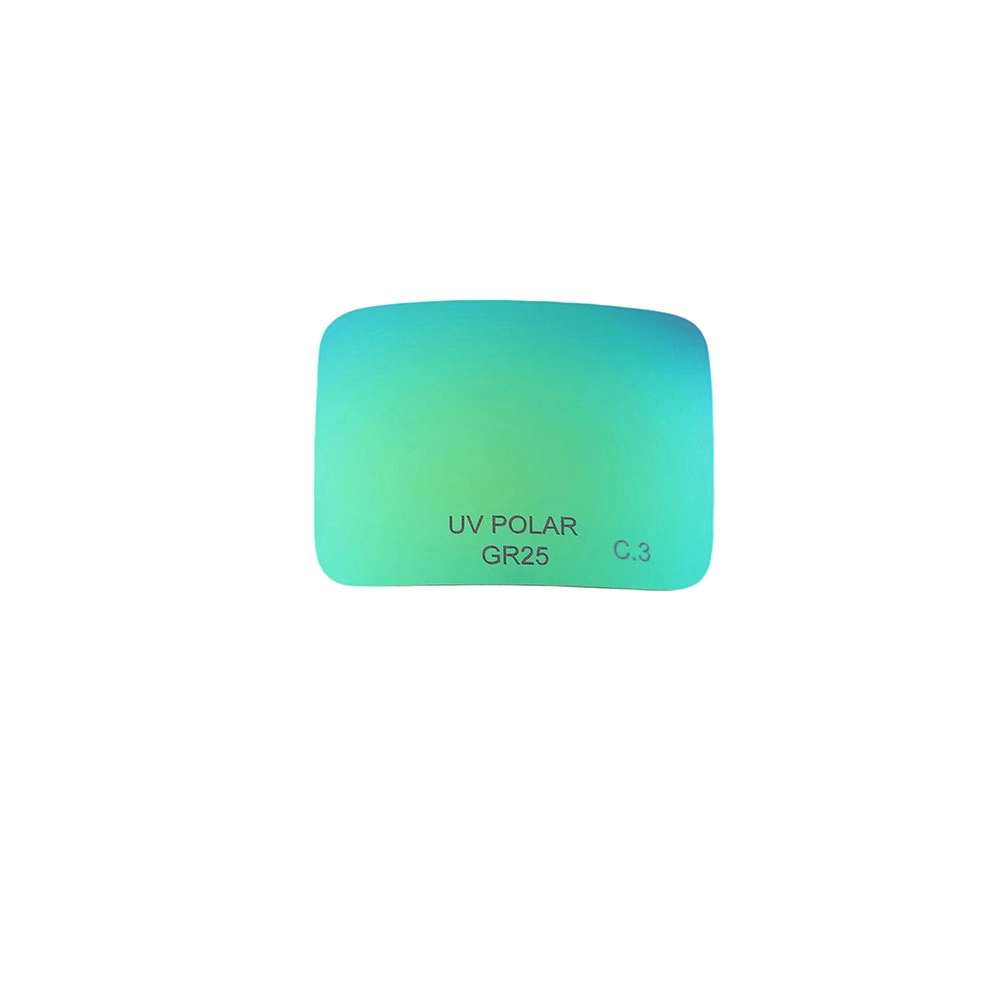
High-Definition Visual Clarity: Premium CR-39 & Polycarbonate Lenses
Experience the precision of a professional custom glasses lenses manufacturer. Karuson polarized lenses are engineered with a 99.9% high-polarization effect to provide unparalleled visual definition and glare reduction. By strategically absorbing reflected light through a high-stability PVA layer, our lenses are optimized for high-intensity outdoor environments, including maritime sailing, hunting, and alpine skiing. Furthermore, our specialized treatment ensures the lenses remain durable and distortion-free even in environments with high heat and humidity.
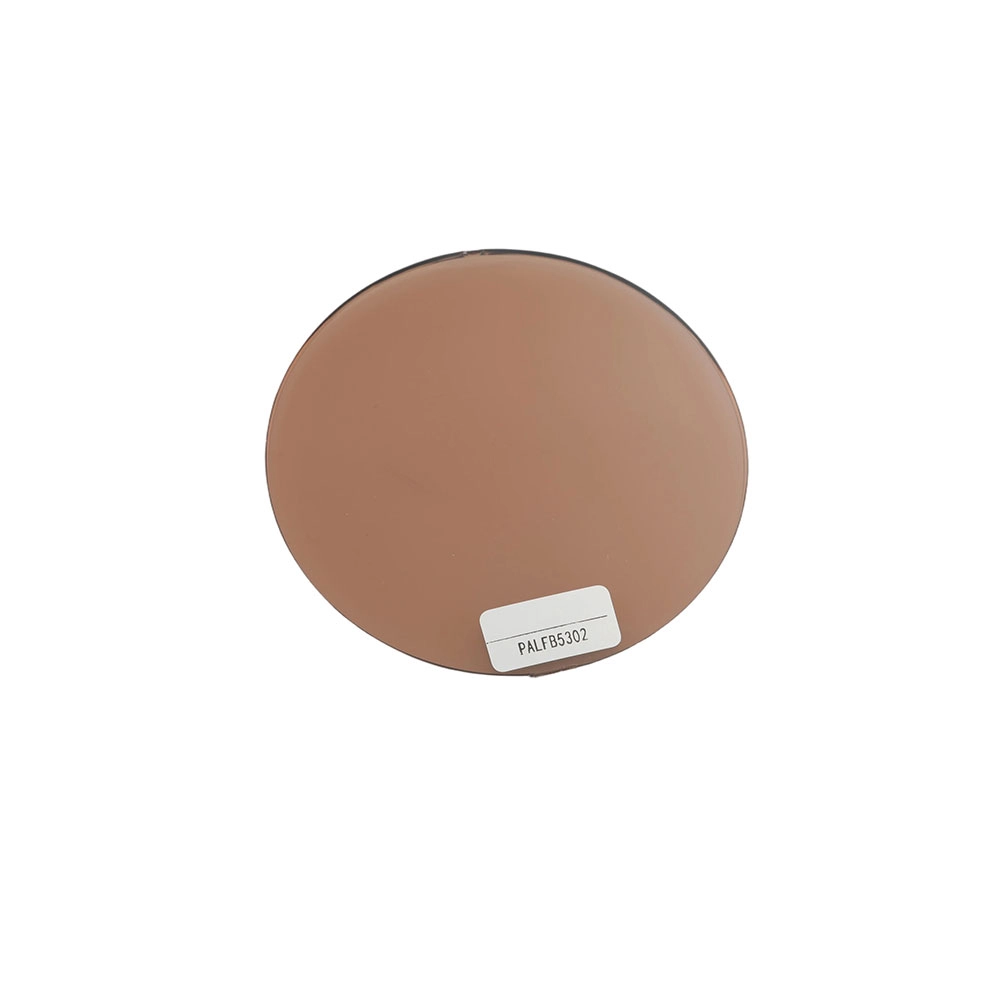
Why Quality Lenses are the Core of Your Eyewear Brand’s Reputation
As a premier high-definition glasses lenses manufacturer, Karuson crafts high-quality Polyamide (PA) Nylon Tinted Lenses that represent the perfect synergy of ultra-lightweight performance and high-toughness durability. By integrating professional-grade tinting technology with advanced material science, we offer a lens solution that delivers exceptional optical clarity alongside vibrant, fashionable color expression. Designed for both daily commutes and trendy lifestyle matching, these lenses provide a comfortable and aesthetic visual experience, serving as a high-performance fashion accessory for the modern, style-conscious consumer.
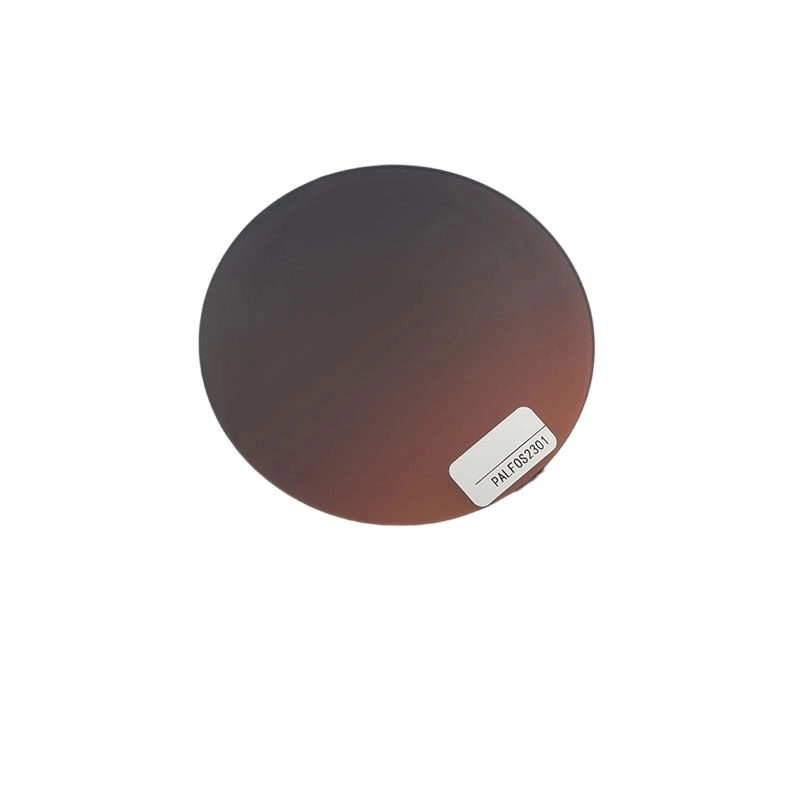
Advanced Sunglasses Solutions: Polarized Lenses with Anti-Seawater Coating
As a versatile photochromic lenses manufacturer and high-performance optics expert, Karuson crafts high-quality Polycarbonate (PC) Gradient Tinted Lenses that perfectly balance aesthetics with advanced protection. By fusing the ultra-lightweight and impact-resistant properties of PC material with precision gradient tinting technology, we deliver a durable visual solution that enhances clarity and comfort for urban lifestyles and outdoor sports. These lenses not only optimize visibility across varying light conditions by reducing glare but also offer a sleek, customizable design—allowing global brands to blend practical eye protection with a modern, fashion-forward accessory.
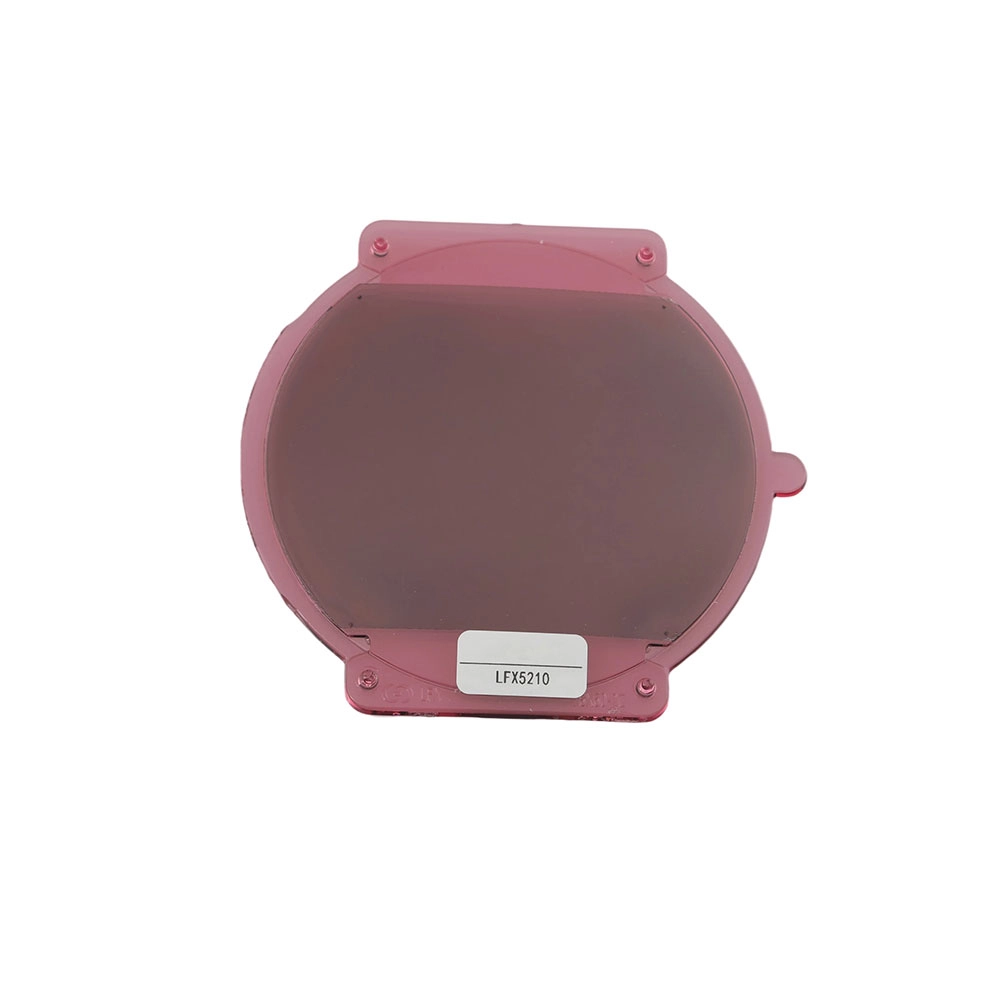
Upgrade Your Collection with Premium Lens Coatings & Finishes
As a leading lenses manufacturer, Karuson sets a new industry standard with our flagship-grade Polyamide (PA) Nylon polarized lenses. By seamlessly merging ultra-lightweight, high-toughness materials with precision polarizing technology, we deliver a high-definition visual solution that excels in durability and comfort. Optimized for high-intensity outdoor activities, professional driving, and competitive sports scenarios, these lenses redefine the performance benchmark for polarized optics, providing global brands with a truly elite-level product.
Get in touch with us
If you have any comments or good suggestions, please leave us a message; later our professional staff will contact you as soon as possible.
NEW DIMENSIONS IN EYEWEAR
Contact KARUSON
Email:
WhatsApp/Phone:
Address:
331 Section B, WanJia Creative Park , No. 1 BUXIA Road ,Tianhe District, Guangzhou City, Guangdong Province, China.

© 2026 KARUSON. All Rights Reserved.
Facebook
Instagram
YouTube
TikTok
Linkedin