


Which companies manufacture lenses?
- 1. How do I verify an eyewear factory's prescription lens accuracy and lab verification process before placing a bulk order?
- 2. Which companies manufacture lenses with AR and hard coatings suitable for high-volume OEM sunglasses and how should I compare coating specs?
- 3. Can an eyewear factory handle progressive lens customization for Asian vs. Western facial anatomies, and what measurements are required?
- 4. What are realistic MOQ, lead times, and cost breakdowns for custom acetate frames and injection-molded metal-core frames from Chinese vs. Italian factories?
- 5. How do I audit quality control at an eyewear factory: sampling plans, tolerance standards, and testing equipment to request?
- 6. Which companies manufacture lenses?
Buying from an eyewear factory requires technical checks beyond price: prescription lens production, free-form surfacing, frame molding, AR and hard coatings, and reliable quality control in eyewear factory environments. Below are six common, high-value long-tail questions buyers and product managers ask but rarely find current, technical answers to online.
1. How do I verify an eyewear factory's prescription lens accuracy and lab verification process before placing a bulk order?
Pain point: buyers receive out-of-tolerance powers or inconsistent add/power across batches. What to request and test before ordering:
- Documentation to request: calibration certificates for lensometers/focimeters, COA (Certificate of Analysis) for each lens batch, ISO 9001 or ISO 13485 status if applicable, and traceability lists tying batch/lot numbers to raw blank lots and surfacing runs.
- On-site or remote verification: ask for live surfacing demonstrations or short videos of free-form surfacing and blocking, along with raw data from the surfacing machine (RMS values, tool path files) and the finishing bench. Insist on seeing the factory’s optical bench testing (MTF or point-spread/spot diagrams) and power-map prints.
- Measurement standards: require checks against ISO 8980 (spectacle lenses optical properties) and ANSI Z80.1 tolerances for power, prism, and cylinder. For incoming sampling, adopt an AQL-based plan (e.g., AQL 2.5 for critical optical parameters) and specify sampling rate per lot size.
- Independent verification: before large runs, ship a pre-production sample to an independent lab for focimeter and wavefront/MTF verification. For ongoing production, rotate independent verification every X batches (e.g., 1 in 10) according to risk.
- Process controls to demand: documented SPC charts for power and cylinder, control limits for refractive variance, and corrective action records for out-of-tolerance occurrences.
- Ask for measurable specs, not marketing phrases: surface hardness (Mohs or scratch resistance test), contact angle (hydrophobicity), oleophobic performance (fingerprint resistance test), % reflection in visible band (typical AR <1% per surface for high-end systems), and durability cycles for abrasion (Taber abrasion cycles) and salt-spray for outdoor corrosion of frame-bound coatings.
- Request spectrophotometer transmittance/reflectance curves and abrasion and adhesion test reports (ISO 9211-4 methods for AR performance are relevant).
- For polarized sunglass lenses, request extinction ratio and polarization axis tolerances and confirm polar film lamination process and thermal stability used by the vendor.
- For photochromic supply, verify activation/deactivation kinetics (darkening time, fade time), temperature dependence, and % transmission in active and inactive states using measurable curves.
- Required measurement set: actual PD (mono PD preferred), fitting height (measured at spectacle plane), frame vertex distance, pantoscopic tilt, frame wrap angle (splay), and frame geometry (DBL and lens shape). For mass production, give the factory target fitting geometry per SKU.
- Design translation: specify the progressive design family (e.g., long corridor vs. short corridor), desired corridor width, and intended use case (distance-dominant vs. near-dominant). Request CAD previews of the free-form lens surface and inset cylinder maps showing zone widths for the given fitting geometry.
- Sampling: produce pilot runs with real-wearer trials for both Asian and Western face-shapes. Implement a 30–90 day wearer adaptation test, capturing subjective comfort and objective acceptance metrics.
- Technical capabilities to confirm at the factory: free-form generators with validated surface accuracy (micron-level), digital surfacing data retention, and the ability to run multiple design profiles per SKU without swapping tools (important for small-batch custom progressive manufacturing).
- Custom acetate frames: MOQ commonly 200–500 pairs per SKU at many Chinese OEMs; more artisanal Italian producers may accept 50–150 pairs but with higher unit cost. Lead time for first production (including block making, dxf tool prep, cutting, and multiple polishing cycles) typically 45–90 days.
- Injection-molded frames with metal cores: higher tooling intensity—mold tooling for metal-insert or multi-material molds typically raises MOQ. Typical MOQ 500–2,000 pairs; lead time 60–120 days including mold fabrication and validation.
- Cost breakdown (relative): initial tooling and mold costs can represent 20–40% of the first-order total; raw materials, labor, and finishing make up 50–70% of per-unit cost; coatings, packaging, and shipping 5–15%. For acetate, hand finishing/polishing labor is a large portion; for injection frames, amortized mold cost dominates the early runs.
- China vs. Italy trade-offs: Chinese OEMs generally provide lower per-unit cost, shorter MOQ thresholds, and scalable plastic injection capacity, located in Guangdong/Fujian production clusters. Italian workshops (e.g., in Veneto/Longarone) provide higher artisan quality, lower-volume flexibility, and High Quality finishing, but at higher price and often longer lead times for bespoke modifications.
- Standards & tolerances: require adherence to ISO 8980 series for spectacle lenses (optical properties/tolerances) and ANSI Z80.1 for US shipments. Define numeric tolerances for sphere/cylinder (e.g., ±0.12 D for critical lenses), prism (e.g., ±0.25 D), centration, and coating reflectivity.
- Sampling plan: adopt an acceptance sampling plan such as ANSI/ASQ Z1.4 (AQL) with stricter limits for optical parameters. For critical shipments, use tightened inspection levels and independent lab checks for a percentage of lots.
- Testing equipment to request evidence of: calibrated focimeters/lensometers, spectrophotometers for transmittance and AR curves, interferometers or MTF benches for optical quality, Taber abrasion testers for coatings, and polarized light microscopes for lamination issues. Also confirm environmental testing capability for salt-spray and UV aging if marketed for outdoor use.
- Process traceability: ask for batch records, machine IDs linked to lens lots, and operator sign-offs. Check SPC charts and corrective action records for recurring rejection causes.
- Visual & fit tests: tolerance gauges for frame dimensions, push/pull flex tests for hinge strength, and drop/impact tests for sunglass safety (as per target market requirements like EN ISO 12312 for sunglasses in EU).
- Essilor / EssilorLuxottica — Known for Varilux progressive designs, Crizal anti-reflective/coating families, and a broad portfolio of single-vision and progressive lens blanks used widely in retail and OEM supply chains.
- Carl Zeiss Vision — German precision optics company with strengths in high-index materials, High Quality AR coatings (DuraVision family), and industrial optical measurement capability; strong in high-performance free-form surfacing and lab services.
- Hoya — Japanese optical specialist with free-form digital surfacing expertise, high-index materials, and coating solutions. Hoya supplies both finished lenses and blanks for OEMs and independent labs.
- Nikon — Japanese manufacturer known for precision surfacing and optical-grade lens blanks; provides free-form surfacing technologies and high-precision single-vision and progressive lenses.
- Seiko (Seiko Optical / Seiko Instruments divisions) — Originator of some progressive lens designs and strong in thin, high-precision lenses and coating integration; recognized for progressive fitting accuracy.
- Shamir — Israel-based company specialized in progressive lens design and customized free-form solutions for occupational, progressive, and digital-use lenses.
Embedding these checks into your purchase contract (including penalty terms for repeated tolerance failures) reduces the most common causes of optical rejections.
2. Which companies manufacture lenses with AR and hard coatings suitable for high-volume OEM sunglasses and how should I compare coating specs?
Pain point: coatings claimed as “scratch-resistant” or “AR” perform very differently in field use and affect yield in polishing/assembly.
Major global lens manufacturers to consider for coated OEM supply: Essilor (advanced AR and Crizal-type coatings and Varilux progressive systems), Carl Zeiss (precision AR like DuraVision), Hoya (digital surfacing with proprietary AR), Nikon (optical-grade free-form surfacing and coatings), Seiko (progressive and coated lens expertise), and Shamir (specialized progressives and coatings). These companies either produce coated blanks or license coating/photochromic technologies.
How to compare coatings technically:
3. Can an eyewear factory handle progressive lens customization for Asian vs. Western facial anatomies, and what measurements are required?
Pain point: progressive lenses made to a “one-size” geometry cause adaptation failures and returns when facial geometry differs (pantoscopic tilt, vertex distance, frame wrap).
Yes—many modern free-form progressive manufacturing lines and labs can customize progressive corridor design for different ethnic facial geometries, but you must provide the right input and QA steps:
4. What are realistic MOQ, lead times, and cost breakdowns for custom acetate frames and injection-molded metal-core frames from Chinese vs. Italian factories?
Pain point: buyers are surprised by unexpectedly high tooling costs or long lead times for low-volume custom designs.
Typical industry ranges (use as planning figures; always confirm with the specific factory):
5. How do I audit quality control at an eyewear factory: sampling plans, tolerance standards, and testing equipment to request?
Pain point: factories pass internal QC but finished products fail in-market tests because buyers didn’t specify objective test methods.
Checklist for a technical QC audit:
6. Which companies manufacture lenses?
Pain point: buyers ask for an up-to-date, specialty-focused list of manufacturers when choosing partners for blanks, finished prescription lenses, or AR/polarized solutions.
Major global optical lens manufacturers and their specialties (current market-recognized names):
Note: many OEM eyewear factories source blanks/coated lenses from these manufacturers or licensed partners and then perform final surfacing, edging, and assembly in-house. For sunglasses, also consider polarized film laminators such as those partnering with these major lens houses.
When you shortlist suppliers, ask them for recent reference clients, sample lab reports, and an explicit supply chain map (blank producer → coating line → surfacing site → assembly factory) to verify where each value step occurs.
Concluding summary — advantages of partnering with a professional eyewear factory
Partnering with an experienced eyewear factory that integrates prescription lens production, free-form progressive surfacing, robust lens coating lines (AR, hard coats, polarized/photochromic options), and documented quality control (ISO/ANSI adherence, calibrated metrology) reduces returns, speeds time-to-market, and lowers total landed cost through optimized tooling and MOQ planning. A technical partner able to provide transparent test data (MTF, spectral curves, focimeter logs), run pilot wearer validations for progressive designs, and maintain traceability across batches is essential to scale both luxury and mass-market collections reliably.
Contact us for a customized quote and factory capability review at www.karusonco.com or nicole@karusonco.com.
How to Choose the Best Material for Sports Sunglasses: TR90 vs. Carbon Fiber vs. Titanium
Why Sourcing from a China Eyewear Factory is the Strategic Choice for Global Brands
OEM vs. ODM: Which Partnership Model is Best for Your Eyewear Business?
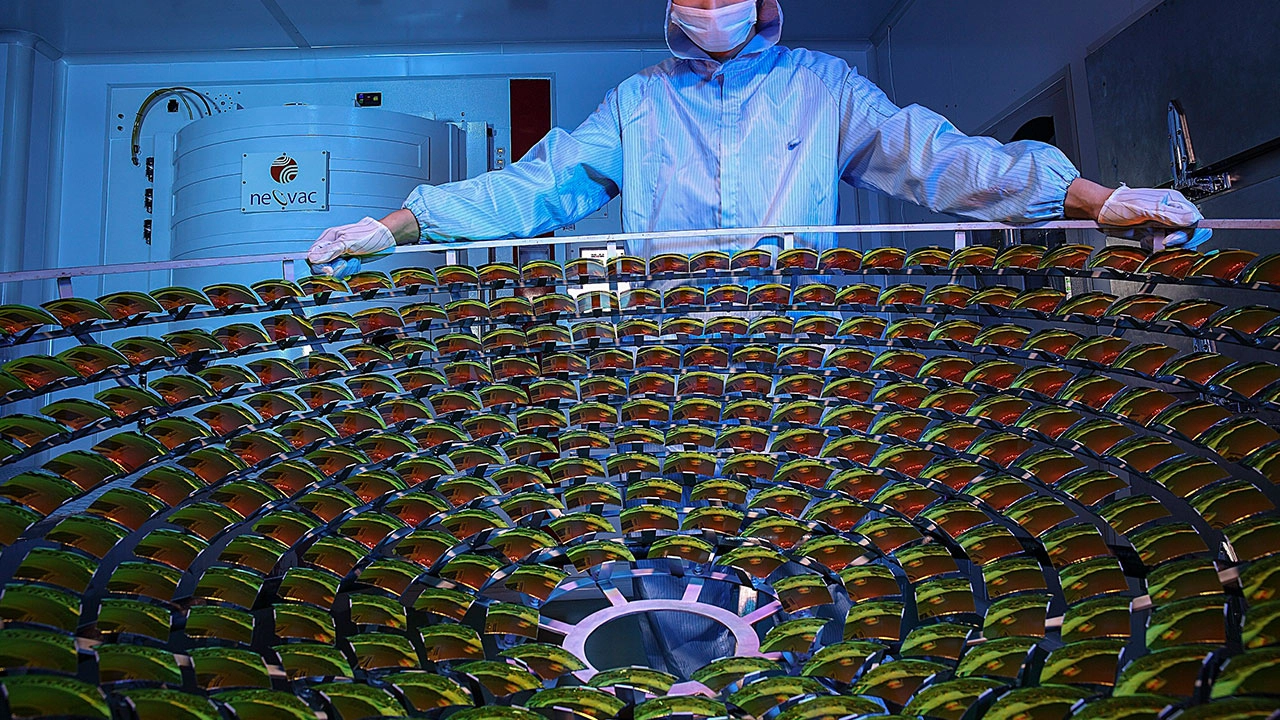
2026 Eyewear Trend Forecast: Colors, Shapes, and Textures to Watch
About Products
What is the lead time?
Mass production takes [25-35]days; samples take [7-10] days.
What is the MOQ?
Usually ≥100, depending on the model.
Do you support OEM/ODM?
Yes, our R&D and design teams support full customization.
How do you ensure product quality?
Full QC process, factory testing, and international certifications.
About OEM&ODM
How do we start a project with Karuson?
Send us your product idea or requirements—our team will review, advise, and provide the best solution and quotation.
You May Also Like
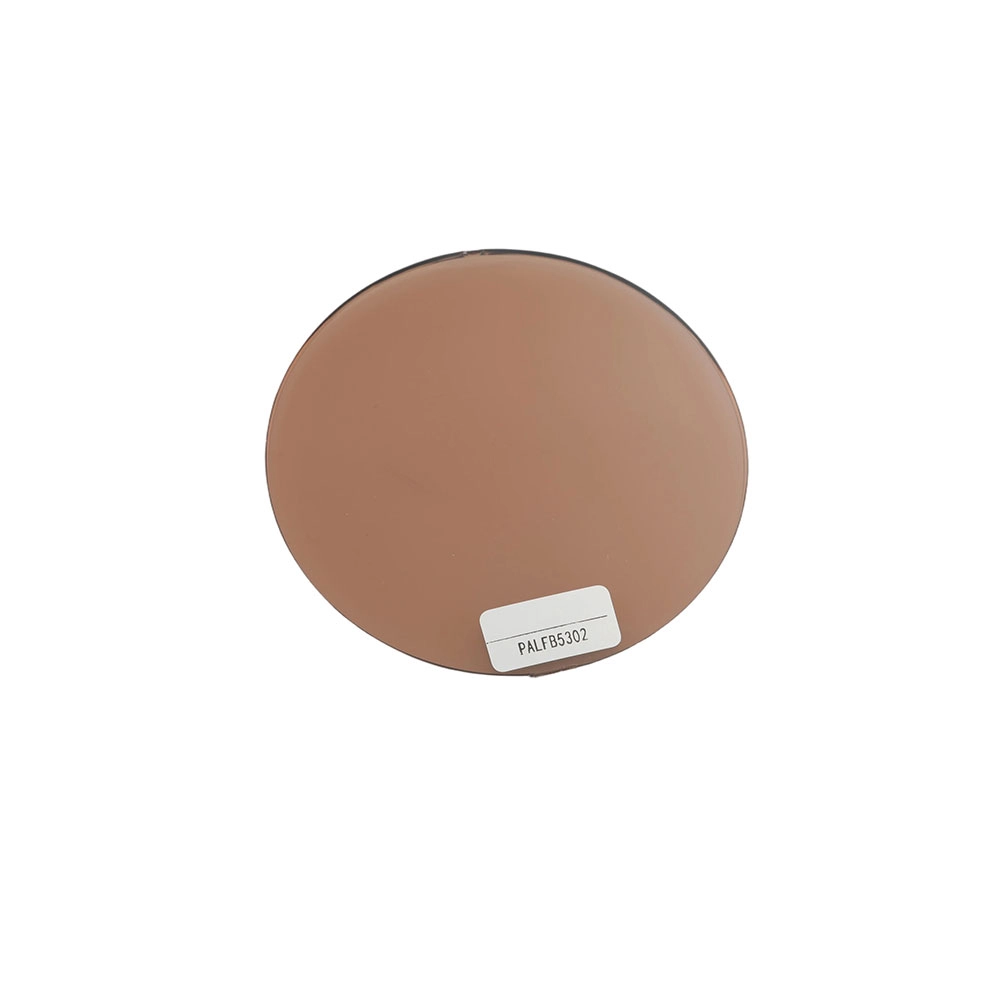
Why Quality Lenses are the Core of Your Eyewear Brand’s Reputation
As a premier high-definition glasses lenses manufacturer, Karuson crafts high-quality Polyamide (PA) Nylon Tinted Lenses that represent the perfect synergy of ultra-lightweight performance and high-toughness durability. By integrating professional-grade tinting technology with advanced material science, we offer a lens solution that delivers exceptional optical clarity alongside vibrant, fashionable color expression. Designed for both daily commutes and trendy lifestyle matching, these lenses provide a comfortable and aesthetic visual experience, serving as a high-performance fashion accessory for the modern, style-conscious consumer.
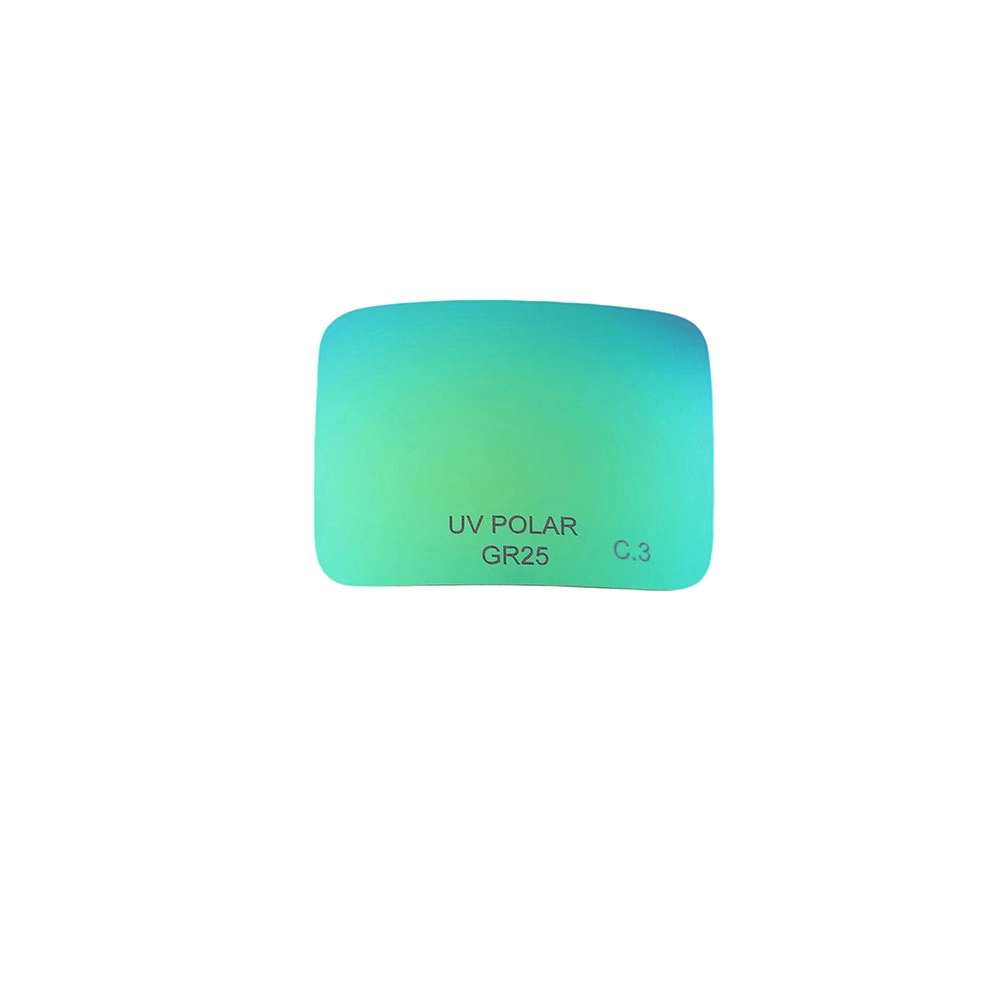
High-Definition Visual Clarity: Premium CR-39 & Polycarbonate Lenses
Experience the precision of a professional custom glasses lenses manufacturer. Karuson polarized lenses are engineered with a 99.9% high-polarization effect to provide unparalleled visual definition and glare reduction. By strategically absorbing reflected light through a high-stability PVA layer, our lenses are optimized for high-intensity outdoor environments, including maritime sailing, hunting, and alpine skiing. Furthermore, our specialized treatment ensures the lenses remain durable and distortion-free even in environments with high heat and humidity.
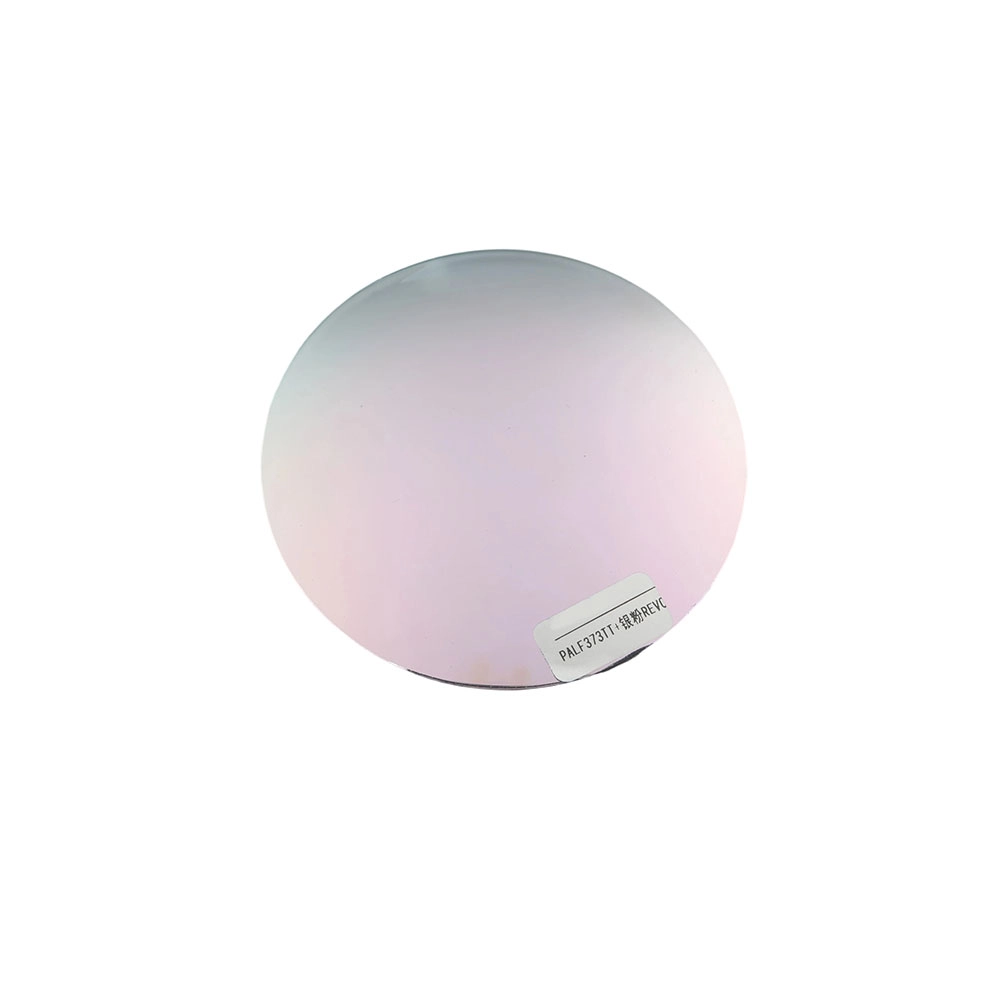
Dynamic Adaptation: Next-Gen Photochromic Lenses for Indoor & Outdoor Use
As premier eyeglass lenses manufacturers, Karuson crafts high-performance PC polarized coated lenses that seamlessly integrate lightweight, impact-resistant polycarbonate with advanced optical film technology. These lenses are engineered to achieve superior glare reduction and enhanced visual definition while offering a spectrum of stylish, customizable tints. Optimized for professional driving, outdoor sports, and urban lifestyles, our manufacturing process ensures that harmful reflections from water, roads, and snow are effectively filtered out. The result is a durable, fashion-forward visual solution that perfectly balances essential eye protection with high-end aesthetic appeal—making them the ideal choice for brands seeking to merge practicality with a modern fashion statement.
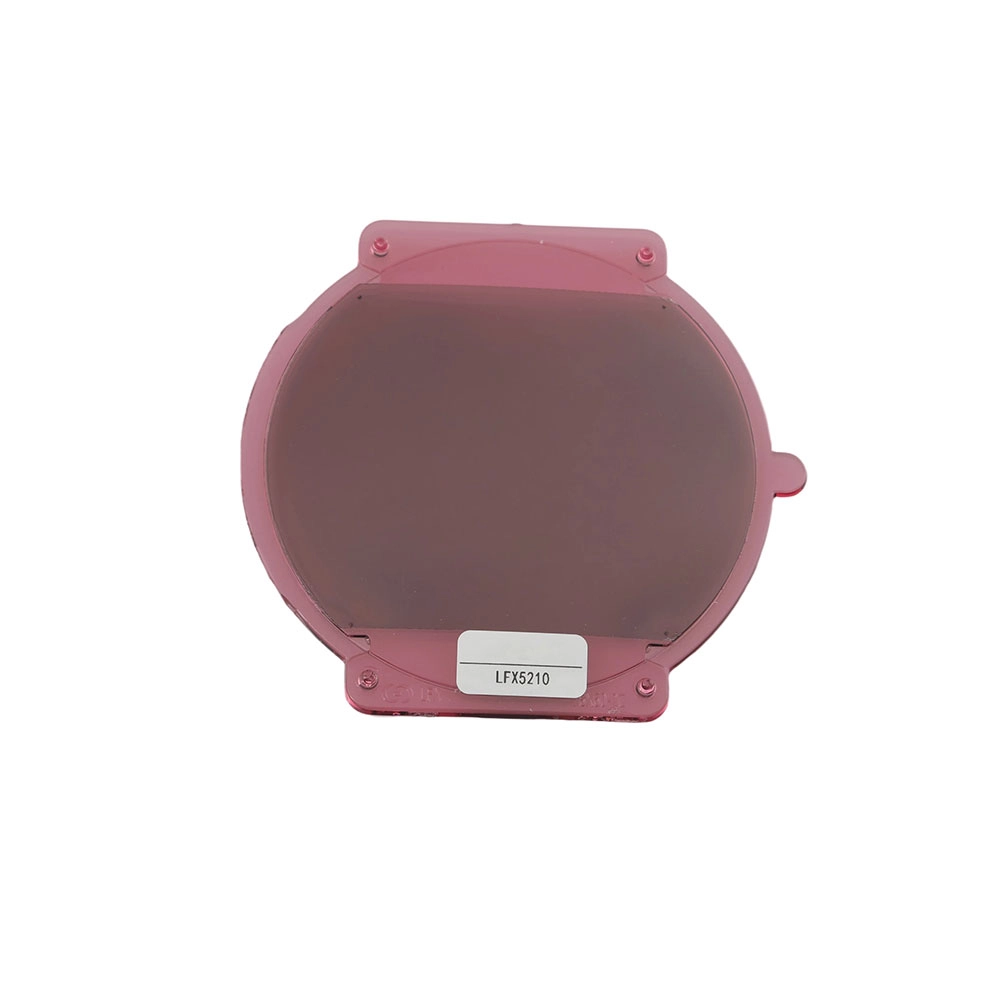
Upgrade Your Collection with Premium Lens Coatings & Finishes
As a leading lenses manufacturer, Karuson sets a new industry standard with our flagship-grade Polyamide (PA) Nylon polarized lenses. By seamlessly merging ultra-lightweight, high-toughness materials with precision polarizing technology, we deliver a high-definition visual solution that excels in durability and comfort. Optimized for high-intensity outdoor activities, professional driving, and competitive sports scenarios, these lenses redefine the performance benchmark for polarized optics, providing global brands with a truly elite-level product.
Get in touch with us
If you have any comments or good suggestions, please leave us a message; later our professional staff will contact you as soon as possible.
NEW DIMENSIONS IN EYEWEAR
Contact KARUSON
Email:
WhatsApp/Phone:
Address:
331 Section B, WanJia Creative Park , No. 1 BUXIA Road ,Tianhe District, Guangzhou City, Guangdong Province, China.

© 2026 KARUSON. All Rights Reserved.
Facebook
Instagram
YouTube
TikTok
Linkedin