


How can a lenses manufacturer reduce supply chain risk?
- 1. How can an eyewear factory reduce supply chain risk when dependent on a single AR-coating chemical supplier?
- 2. What inventory-buffer strategy should a small eyewear factory use for seasonal lens material shortages without harming inventory turns?
- 3. How can an eyewear factory ensure traceability and compliance for prescription lenses across multi-country suppliers during ISO/ANSI audits?
- 4. Which quality-control tests and sampling plans best predict field failures for AR-coated lenses before shipping?
- 5. How can a factory cost-effectively nearshore lens production while keeping surfacing and AR coating capabilities?
- 6. What contractual and IT measures stop counterfeit or substandard lens blanks entering an eyewear factory?
- Conclusion
How Can a Lenses Manufacturer Reduce Supply Chain Risk? Practical Answers for an Eyewear Factory
Beginners in the eyewear factory and lens manufacturing field often find outdated or superficial advice online. Below are six long-tail, pain-point-oriented questions and deep, actionable answers that combine supply chain best practices, optical manufacturing realities (surfacing, edging, AR coating, injection molding), and compliance with standards such as ISO 9001:2015, ISO 8980 series and ANSI Z80.1. Semantic terms like lens coating line, AR coating, high-index lenses, CR-39, surfacing and lot traceability are used naturally throughout.
1. How can an eyewear factory reduce supply chain risk when dependent on a single AR-coating chemical supplier?
Risk from single-sourcing AR (anti-reflective) coating chemicals is high because coating chemistries are proprietary, lead times can be long, and qualification takes time. To reduce risk:
- Dual-source early: Qualify a second chemical supplier and a second contract coater (if you use CMOs) simultaneously. Use a staged qualification plan: lab compatibility, pilot runs on your surfacing line, then field wear trials.
- Define critical-to-quality (CTQ) metrics before qualification: optical transmission curve, adhesion (ISO 2409 cross-cut or ASTM adhesion tests), Taber abrasion (ASTM D1044), AR reflectance across visible band, and humidity/salt-spray resistance (ISO 9227). Require suppliers to document test methods and provide certificates.
- Use a technology escrow or material equivalence protocol in the contract: identify acceptable chemical families, key performance parameters, and an agreed gap remediation timeline if switching is needed.
- Maintain a safety buffer of finished coated inventory for SKUs that are high-risk to transition. Calculate safety stock (see Q2) specifically for coated lenses since lead time and yield loss for coating can differ from blank surfacing.
- Implement short-term tactical measures: consign finished coated lenses with the coater (vendor-managed inventory) and long-term strategic measures: co-development agreements to standardize chemistries and decrease qualification time.
Practical timeline: allow 8–16 weeks for a full qualification of a new AR chemistry on your actual surfacing + coating line including field wear trials. Budget 4–8% extra scrap during ramp-up.
2. What inventory-buffer strategy should a small eyewear factory use for seasonal lens material shortages without harming inventory turns?
Small factories must balance working capital with availability. Use a demand-driven safety stock model tailored to lens blanks and coatings (these items often have different variabilities):
- Segment SKUs by criticality and variability. High-volume prescription blanks, High Quality high-index blanks (1.67, 1.74), and coated finished lenses should be Tier A. Lower-turn fashion frames or niche tints are Tier C.
- Calculate safety stock with a statistical formula: safety stock = z * σd * sqrt(LT), where σd is standard deviation of demand per period, LT is lead time in periods, and z is the service-level z-score (e.g., z≈1.65 for ~95% service level). Reorder point = average demand * LT + safety stock.
- Use different service levels by tier: Tier A might target 95%–98% service level; Tier C can target 80%–90% to protect inventory turns. High-cost items like specialty AR-coated finished lenses often merit higher service levels.
- Combine statistical buffers with operational levers: dynamic safety stock (adjust automatically during high-seasonality), periodic review for slow movers, and a cap on absolute days of supply to prevent hoarding.
- Adopt vendor-managed inventory (VMI) or consignment for large raw-material items (lens blanks, coating chemicals). That preserves cash while improving availability—especially useful for small factories lacking purchasing leverage.
Example: If weekly demand for a popular high-index blank has σd = 40 units, average weekly demand = 400 units, and lead time = 3 weeks; for 95% service (z=1.65): safety stock = 1.65 * 40 * sqrt(3) ≈ 1.65 * 40 * 1.732 ≈ 114 units. Reorder point = 400*3 + 114 = 1,314 units. Tailor these inputs to your actual demand variability and lead times from your injection molding or blank supplier.
3. How can an eyewear factory ensure traceability and compliance for prescription lenses across multi-country suppliers during ISO/ANSI audits?
Traceability for prescription lenses requires lot-level data from blank manufacture through surfacing, coating, edging and final QC. Implement these controls:
- Lot numbering standard: adopt a company-wide lot ID that encodes supplier ID, production date, batch number and process stage. Record this in ERP/MES at receipt and at each transformation (surfacing, coating, edging).
- Electronic batch records: integrate MES or a cloud-based production tracker to capture operator, machine, program ID, tooling, lens blank lot, coating lot, and in-process test results. For audits, exportable CSV/PDFs should show chain-of-custody.
- Incoming inspection and Certificate of Conformance (CoC): receive blank material with CoC tied to supplier lot and test results for refractive index, base curve, and raw material grade. Retain samples per retention plan (e.g., one sample per lot for X months) to enable field failure root-cause testing.
- Define hold-and-release rules: a lot must pass pre-defined QC checks (surface quality, power accuracy, AR adhesion) before shipping. Use ISO 2859-1 / ANSI/ASQ Z1.4 sampling plans for lot acceptance where full inspection is impractical.
- Map compliance to standards: demonstrate an internal quality system aligned to ISO 9001:2015 and product standards such as ISO 8980 (spectacle lenses) and ANSI Z80.1 where applicable. Keep documented procedures for calibration (optical measurement devices), inspection methods and traceability flows.
These steps reduce audit friction and provide defensible traceability in case of recalls or regulatory review.
4. Which quality-control tests and sampling plans best predict field failures for AR-coated lenses before shipping?
Field failures for AR coatings commonly arise from poor adhesion, abrasion/scratch susceptibility, and delamination under humidity/chemicals. Use a mix of accelerated lab tests and statistical sampling to catch defects early:
- Critical tests to run on coated lots:
- Adhesion: cross-cut adhesion per ISO 2409 or equivalent; acceptance criterion must be defined in supplier contract.
- Abrasion: Taber abrasion (ASTM D1044) reports cycles-to-failure or change in haze.
- Environmental: salt spray (ISO 9227) and humidity soak for adhesion and delam resistance.
- Optical: spectral transmission/reflection curves and ghosting checks across 380–780 nm.
- Sampling & acceptance: use ISO 2859-1 (ANSI/ASQ Z1.4) to set lot sizes and AQL for finished coated lenses. For consumer-grade AR, AQLs typically fall in the 1.5–2.5% defective range for critical defects; for medical/aviation specs target lower AQLs. Translate AQL into concrete acceptance numbers using the standard table—don’t improvise.
- Use destructive-sample inserts: for every N shipped lots, perform in-depth destructive testing (cross-section adhesion, coating thickness measurement by ellipsometry) to ensure process stability beyond surface checks.
- Implement trending and SPC: capture key metrics (mean reflectance, Taber cycles to x% haze, percentage of adhesion failures) and use Statistical Process Control (control charts) to detect drifts before they create field issues.
This blended approach of lab acceleration + statistically sound sampling reduces both false negatives (bad lots shipped) and false positives (unnecessary rework).
5. How can a factory cost-effectively nearshore lens production while keeping surfacing and AR coating capabilities?
Nearshoring reduces transport risk and lead time but requires evaluating technical capability and workforce skill for surfacing, AR deposition, and final QC. Steps to nearshore cost-effectively:
- Capability mapping: list required equipment (generators for vacuum deposition, spin-coating lines, dual-beam AR coaters, surfacing CNCs, edgers) and match potential nearshore partners or sites that either have the equipment or can be upgraded.
- Pilot transfer: run low-volume pilots to confirm process window transfer—replicate surfacing programs, blocking/unblocking procedures, coating cycles and AR bake profiles. Document programs and operator procedures.
- Transfer knowledge and tooling: send experienced operators and process engineers to the nearshore site for the initial runs. Capture process parameters and instrument calibration baselines in the transfer pack.
- Calculate landed cost vs. risk: include freight, duty, WIP safety stock, yield loss during transfer, and potential warranty exposure. Often nearshoring reduces lead time by 30–70% but requires 6–12 months of CAPEX amortization for equipment upgrades.
- Quality governance: keep central oversight with periodic audits, remote MES visibility, and KPI dashboards (OTIF, PPM, average lead time). Use contract clauses for performance (OTIF, PPM thresholds) and step-in rights if quality deteriorates.
Common nearshore choices for eyewear include Europe (Italy, Turkey) and the Americas (Mexico), where optical finishing skillsets already exist. Retain strategic SKUs (very high-value or highly specialized coatings) in the most controlled site during the transition to reduce commercial exposure.
6. What contractual and IT measures stop counterfeit or substandard lens blanks entering an eyewear factory?
Counterfeit or substandard blanks can bypass incoming inspection if contracts and IT systems don't align. Take a layered approach:
- Supplier qualification & contracting: perform supplier audits (factory tour, capability matrix, raw-material certificates). Include clear CoC and warranty clauses, penalties for non-conformance, and rights to audit/withhold payment.
- Lot-level verification: require blanks to ship with tamper-evident labels and lot traceability. Use QR codes or serialized barcodes that link to the supplier's CoC and lab test results in your ERP/MES.
- Automated incoming inspection: integrate barcode scanning at goods receipt so each lot's data (supplier lot, test certificates) is stored. Configure the ERP to put suspect lots on hold automatically if certificates are missing or values fall outside tolerances.
- Use analytical spot checks: random refractive-index measurements, cross-sectional material checks, and FTIR spectroscopy (if in-house) to confirm polymer type (CR-39 vs polycarbonate vs high-index). Maintain a golden-sample library for quick visual and instrumental comparison.
- Legal and insurance measures: add IP/confidentiality clauses to guard proprietary tooling and process specs. Maintain product liability insurance and require supplier insurance with proof of coverage tied to supply agreements.
Technological controls plus strong contracts and supplier governance significantly lower the probability of counterfeit or substandard blanks entering production.
Conclusion
For eyewear factories and lenses manufacturers, practical risk reduction blends process controls (ISO/ASTM/ANSI test methods, SPC, lot traceability), commercial levers (dual sourcing, consignment/VMI, strong contracts) and tactical supply-chain tools (safety stock math, nearshoring pilots, ERP/MES integration). Implementing these measures improves OTIF, reduces field failures, and protects brand reputation while keeping inventory turns healthy. Top-tier suppliers also aim to keep defect rates in the low hundreds PPM and demonstrate compliance to ISO 9001:2015 and product standards such as ISO 8980 and ANSI Z80.1.
Contact us for a quote or help implementing these controls in your eyewear factory: www.karusonco.com or nicole@karusonco.com.
Why Sourcing from a China Eyewear Factory is the Strategic Choice for Global Brands

OEM vs. ODM: Which Partnership Model is Best for Your Eyewear Business?
2026 Eyewear Trend Forecast: Colors, Shapes, and Textures to Watch
About OEM&ODM
How long does it take to make samples?
Samples are typically completed within 7–15 working days if available molds are present.
How do we start a project with Karuson?
Send us your product idea or requirements—our team will review, advise, and provide the best solution and quotation.
What is your minimum order quantity (MOQ)?
MOQ is flexible and varies by product type. Small trial orders are welcome.
About Products
What is the MOQ?
Usually ≥100, depending on the model.
How do you ensure product quality?
Full QC process, factory testing, and international certifications.
You May Also Like
The Digital Shield: Blue Light Blocking Lenses for the Modern Professional
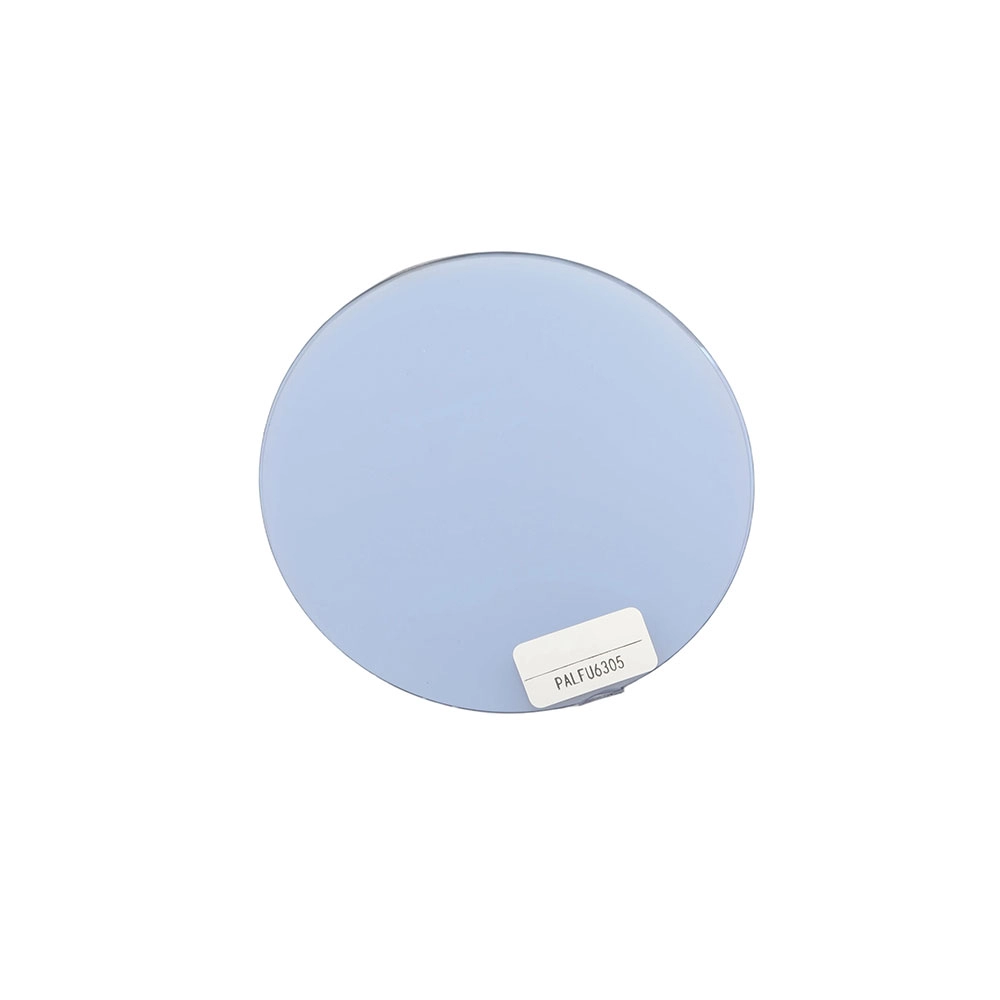
As leading eyeglass lens manufacturers, Karuson leverages advanced material science to produce PC lenses that are 37% lighter than conventional resin, providing a significant reduction in nasal bridge pressure for prolonged, comfortable wear. These high-performance lenses offer 100% UV protection and superior impact resistance, ensuring maximum ocular safety. By utilizing specialized dyeing techniques that infuse pigments directly into the material, we offer a versatile spectrum of vibrant color options—effectively minimizing glare while maintaining exceptional visual clarity for any environment.
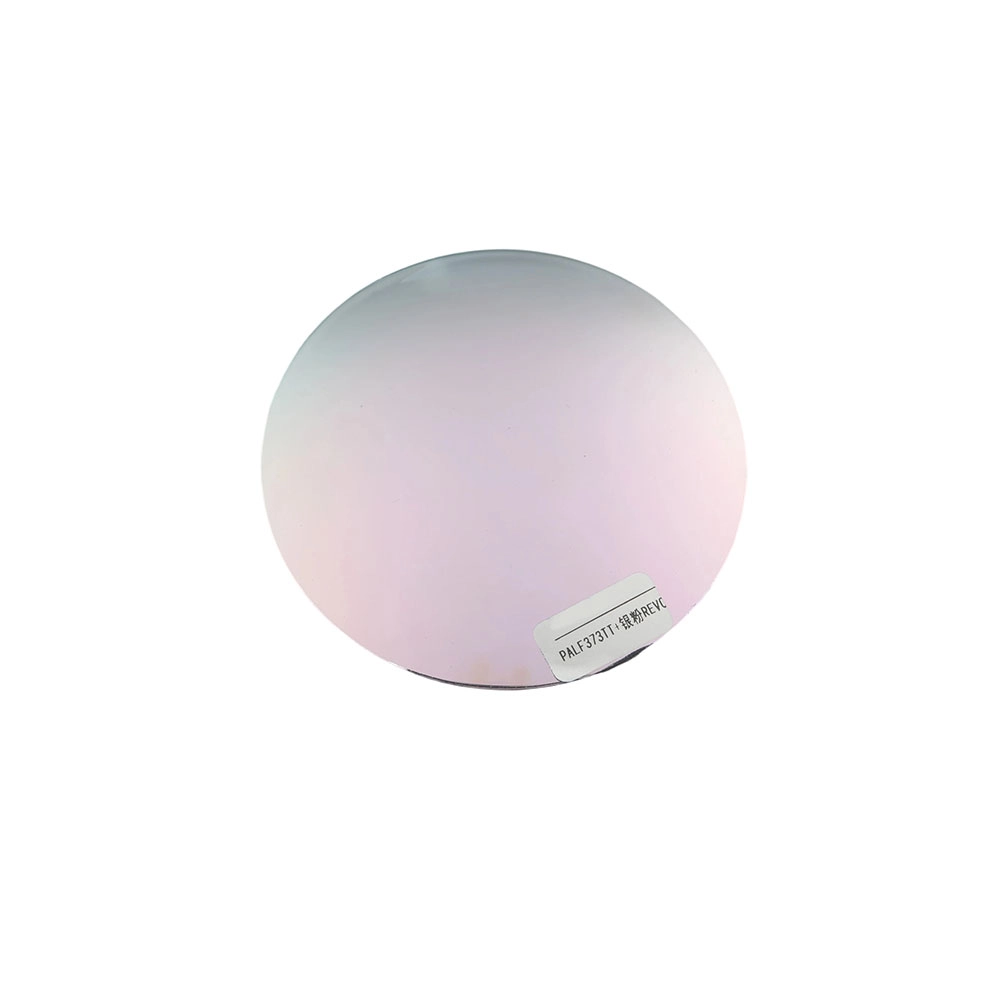
Dynamic Adaptation: Next-Gen Photochromic Lenses for Indoor & Outdoor Use
As premier eyeglass lenses manufacturers, Karuson crafts high-performance PC polarized coated lenses that seamlessly integrate lightweight, impact-resistant polycarbonate with advanced optical film technology. These lenses are engineered to achieve superior glare reduction and enhanced visual definition while offering a spectrum of stylish, customizable tints. Optimized for professional driving, outdoor sports, and urban lifestyles, our manufacturing process ensures that harmful reflections from water, roads, and snow are effectively filtered out. The result is a durable, fashion-forward visual solution that perfectly balances essential eye protection with high-end aesthetic appeal—making them the ideal choice for brands seeking to merge practicality with a modern fashion statement.
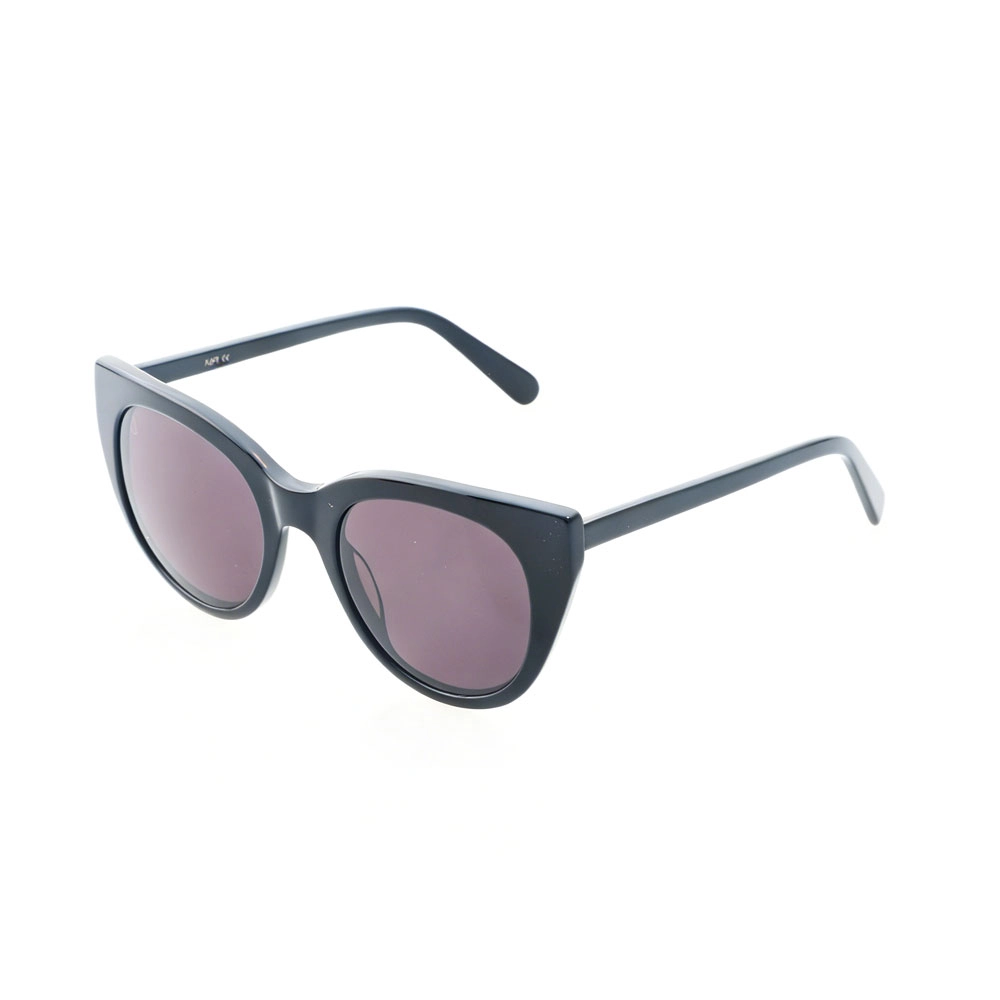
Elegant Retro Cat-Eye Sunglasses with TAC Polarized Lenses – Professional OEM Solutions by Karuson
Elevate your eyewear collection with a classic that never goes out of style. As leading sunglasses manufacturers, Karuson presents these Fashionable Cat-Eye Women's Sunglasses, engineered to blend retro charm with modern material science. Featuring a lightweight yet durable TR90 frame, these shades offer a sophisticated "winged" silhouette that provides a flattering, lifted look for various face shapes.
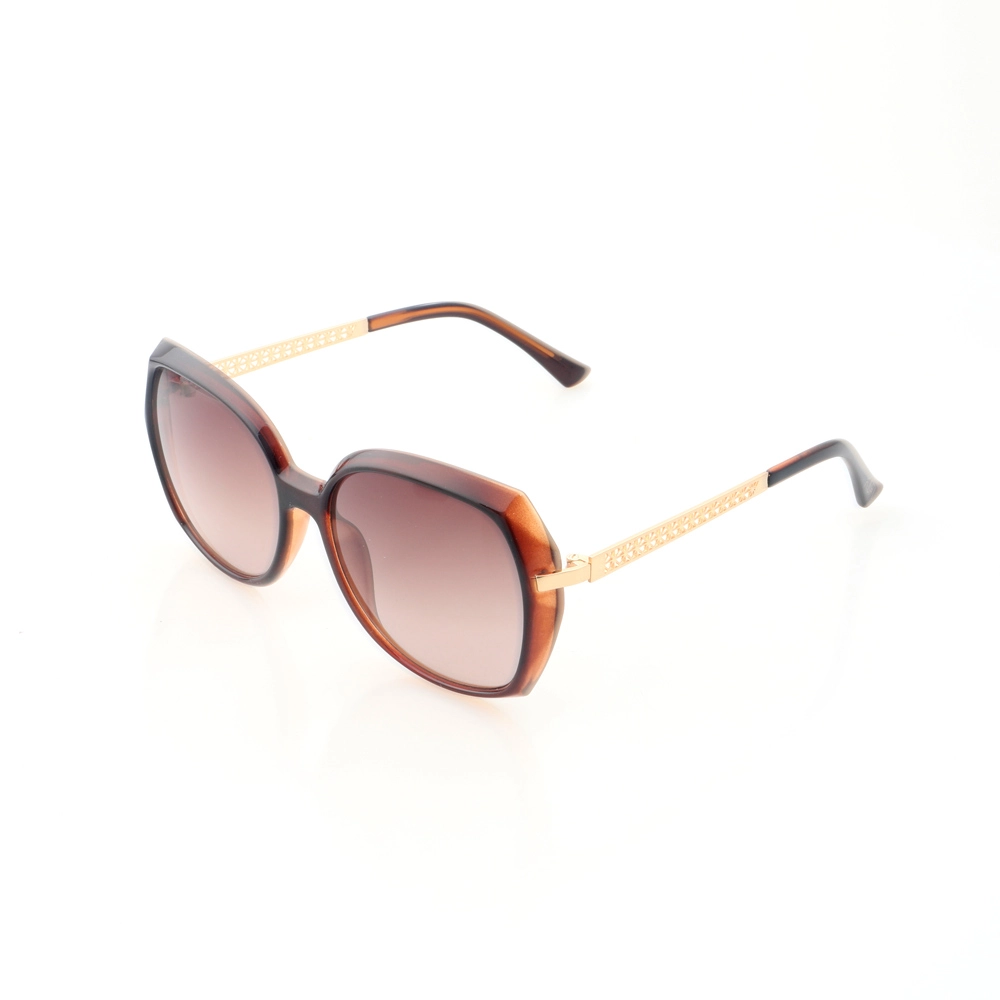
Chic Oversized TR90 Polarized Sunglasses for Women: High-Fashion Styles by Leading Sunglasses OEM
As a specialist sunglasses OEM, Karuson presents this flagship women's collection, designed to blend bold geometric silhouettes with effortless comfort. These sunglasses feature a premium TR90 frame front in a classic tortoise-shell finish, seamlessly integrated with intricate, gold-toned metal temples that add a touch of jewelry-like luxury to a functional accessory.
Get in touch with us
If you have any comments or good suggestions, please leave us a message; later our professional staff will contact you as soon as possible.
NEW DIMENSIONS IN EYEWEAR
Contact KARUSON
Email:
WhatsApp/Phone:
Address:
331 Section B, WanJia Creative Park , No. 1 BUXIA Road ,Tianhe District, Guangzhou City, Guangdong Province, China.

© 2026 KARUSON. All Rights Reserved.
Facebook
Instagram
YouTube
TikTok
Linkedin