

How to start private label OEM sunglasses with branding?
- 1) What is the realistic total upfront cost to start private-label OEM sunglasses (tooling, samples, lab tests, MOQ and shipping)?
- 2) How can I vet an eyewear factory beyond certificates to ensure consistent frame tolerances and lens optical performance?
- 3) How do I specify and ensure polarized lens performance, AR/hard coatings durability, and UV400 across suppliers?
- 4) How can I reduce MOQ per SKU (colors/styles) with an OEM without losing supplier interest or inflating costs excessively?
- 5) What exact labeling, packaging and testing documentation do I need to import branded sunglasses into the EU and the US?
- 6) How do I protect my design and brand when working with an OEM factory—what are practical legal and contractual steps?
- Conclusion — Advantages of partnering with a professional eyewear factory network
How to Start Private Label OEM Sunglasses with an Eyewear Factory: 6 Advanced Questions Beginners Ask
Summary: This article answers six frequently overlooked, technical questions beginners face when working with an eyewear factory to launch private label OEM sunglasses. It embeds practical cost ranges, testing standards (EN ISO 12312-1, ANSI guidance), QC checklists, MOQ strategies, packaging and compliance steps, and IP protection tactics so you can make informed purchasing and sourcing decisions.
1) What is the realistic total upfront cost to start private-label OEM sunglasses (tooling, samples, lab tests, MOQ and shipping)?
Answer (detailed breakdown and a sample calculation): Beginners often see an attractive per-pair unit price but underestimate the consolidated upfront spending required to launch a branded SKU. Expect five main cost buckets: tooling/mold, prototype & samples, compliance & lab testing, production (MOQ), and logistics/packaging.
- Tooling / molding: For injection-molded plastic frames, simple steel molds commonly range from roughly $800–$3,500 per mold for lower-cost vendors; higher-precision multi-cavity or High Quality hardened molds can run $3,000–$12,000. Acetate block tooling (block milling jigs, hand-finishing fixtures) often sits in a similar range but can be more labor intensive.
- Prototype & samples: Factory-made pre-production samples (PPS) with customized colors and logo applications typically cost $50–$350 each, depending on complexity (hot stamping, plating, polarized lenses).
- Compliance & lab testing: Independent testing for UV protection, polarization, transmittance, and mechanical durability can be $200–$1,000+ per test/report, depending on the accredited lab and number of tests (e.g., EN ISO 12312-1 test for sunglasses in EU). Multiple lens/coating combinations multiply testing needs.
- Minimum Order Quantity (MOQ) production: Many OEM eyewear factories quote MOQs per model-color. Typical MOQs: 300–500 pairs per SKU/color for injection models; 100–300 for stock-frame customization; acetate often requires higher MOQ per color (>300). Unit FOB production costs vary widely: as low as $1.5–$4 for basic injection frames with basic lenses, $4–$12 for mid-quality polarized/AR coated lenses, and $12+ for High Quality acetate/polarized/AR combinations.
- Packaging, labeling & freight: Custom boxes, cases, cleaning cloths and labeling add $0.8–$4 per unit depending on materials and print. Sea freight (LCL/FCL) and inland logistics vary by region; for planning, allow $0.8–$4 per pair in shipping on larger orders (depends on weight and origin port).
Sample conservative 1,000-pair launch estimate (example, illustrative):
- Tooling: $2,000 (one frame mold)
- Samples + pre-production: $500
- Testing & certifications: $1,000 (basic suite for lenses & UV)
- Production 1,000 pairs @ $4.50/pair = $4,500
- Packaging & logistics: $1.50/pair x 1,000 = $1,500
- Estimated total upfront: ≈ $9,500 (or $9.50/unit)
Key takeaways: Plan and budget across all buckets. Smaller MOQ increases per-unit cost but reduces upfront capital tied to inventory. Negotiate tooling cost sharing, amortize mold over multiple color runs, and obtain accurate FOB and CIF quotes from your chosen eyewear factory.
2) How can I vet an eyewear factory beyond certificates to ensure consistent frame tolerances and lens optical performance?
Answer (practical factory-audit & technical verification checklist): Certificates (ISO 9001, test reports) are helpful but do not prove day-to-day production consistency. Use a combined technical and process audit approach:
- Request a documented quality control flow: IQC (incoming material checks), IPQC (in-process), FQC (final inspection). Ask for inspection forms and sample records.
- Ask for measured tolerance reports on frame critical dimensions (e.g., temple length ± mm, hinge screw hole location tolerance, bridge width). Insist on numerical tolerance (e.g., ±0.3 mm) rather than vague statements.
- Verify tooling maintenance logs and mold life: ask how many shots a mold has run and typical rejection causes.
- Require optical test reports produced with calibrated instruments: spectrophotometer transmittance curves, polarization extinction measurements, lens surface flatness and decentration values if applicable.
- Ask for real-time evidence: live video of production lines, short inspection video showing digital calipers, CMM (coordinate measuring machine) reports, or SPC charts for critical features.
- Perform independent third-party audits and pre-shipment inspections (e.g., AQL, full visual checks, random lens optical tests). Use recognized inspection agencies for an unbiased report.
- Run a controlled pilot order: order a small production run and test a statistically valid sample for fit, lens performance, plating adhesion, and coating durability before full production.
These steps let you move from trusting certificates to verifying reproducible manufacturing capability and documented QA processes with measurable acceptance criteria.
3) How do I specify and ensure polarized lens performance, AR/hard coatings durability, and UV400 across suppliers?
Answer (specs, test methods and acceptance criteria you can demand): Lenses are an area where poor specification or weak QA leads to customer returns. Use measurable parameters and accredited testing.
- Polarization: Specify polarization extinction or efficiency (for example, >95% extinction of polarized light at the targeted axis). Require a polarization verification report from a certified lab or a spectrophotometer with a polarization accessory. Include visual inspection—rotating the lens against line patterns should extinguish light at 90°.
- UV protection (UV400): Require a transmittance curve from 280–400 nm using a calibrated spectrophotometer. “UV400” means effectively blocking UVA and UVB up to 400 nm; acceptance often means near-zero transmittance in that range—require the lab report as proof (EN ISO 12312-1 for EU has standard test methods).
- Lens category & visible light transmission (VLT): Define target VLT (e.g., Category 2: 18–43% VLT, Category 3: 8–18% VLT) and include that in the tech pack if you intend to market by category.
- Coating durability: Ask for Taber abrasion test numbers for hard coat (HC), cross-hatch adhesion test results for AR layers, and salt-spray or humidity testing for metallic coatings. Define acceptance such as “no adhesion failure after X cycles” or “less than Y% change in haze after Z cycles.”
- Process control: Demand lens traceability by batch, and require samples from each batch to be tested randomly for polarization axis, transmittance and coating adhesion. Add these checks to the pre-shipment inspection checklist.
Insist on documented lab certificates for each lot if you are claiming polarized/UV400 performance on packaging. For regulatory compliance, base testing on recognized standards (EN ISO 12312-1 for sunglasses in EU, and ANSI guidance for non-prescription sunglasses in the U.S.).
4) How can I reduce MOQ per SKU (colors/styles) with an OEM without losing supplier interest or inflating costs excessively?
Answer (negotiation and production structure tactics that work): Lowering MOQ is usually a commercial negotiation. Use constructive levers to get flexible MOQs without wrecking factory margins.
- Use stock or semi-finished frames: Factories often hold stock frames you can brand (pad print, laser engrave). This dramatically reduces MOQ and tooling cost.
- Consolidate SKUs and colors: Launch with 2–3 core SKUs and limited colors. Factories are more amenable to lower quantities per color if overall order volume is meaningful.
- Pay a High Quality for a smaller run: Negotiate a higher unit price for low MOQ for the first order and agree to scale discounts for future re-orders.
- Offer rolling orders / forecast: Commit to a 6–12 month forecast or a rolling monthly order schedule so the factory can amortize setup costs across future runs.
- Share tooling cost or buy molds jointly: Offer to pay a larger portion of tooling to reduce MOQ or purchase the mold outright (with a clear clause about exclusivity and ownership).
- Use modular design: One frame design that accepts replaceable lenses or temple colors reduces the number of unique tools required.
- Leverage local partners: Some factories will accept small runs if you absorb higher logistics or local finishing (e.g., shipping frames semi-finished to a local partner for plating/printing).
When negotiating, be transparent about your growth plan and willing to compromise on first-order economics to secure longer-term supply flexibility.
5) What exact labeling, packaging and testing documentation do I need to import branded sunglasses into the EU and the US?
Answer (practical documentation checklist and labeling best practices): Regulations differ across markets and change over time. Below are typical documentation items and labeling best practices to prepare for customs, retailers and end-users. Always confirm with a local customs broker or regulatory consultant before import.
- Technical file: Keep an internal technical file for each model that includes product specs, bill of materials, manufacturing process notes, and test reports (lens transmittance, polarization, mechanical tests).
- Test reports: Accredited lab test reports demonstrating compliance with applicable standards. For the EU, EN ISO 12312-1 is the recognized standard for sunglasses (tests include UV transmittance, optical quality). For the U.S., follow accepted test methods and document lens UV blocking and optical quality—ANSI Z80.3 (non-prescription sunglasses) provides guidance used by industry.
- Labeling on product and packaging: Include manufacturer/importer contact (name and address), country of origin, UV protection class where applicable, care instructions, and safety statements if required. Retailers commonly expect a batch/lot code for traceability.
- Barcodes and retail data: Provide EAN/UPC barcodes and packaging dimensions/weights for retail partners.
- Restricted substances & chemical safety: Some markets require documentation on restricted substances (e.g., components and coatings complying with REACH in the EU). Ask your supplier for material declarations.
- Customs & import documentation: Commercial invoice, packing list, bill of lading, and any certificates required by the destination country. Classify under the Harmonized System chapter for optical goods (confirm precise HS code with your customs broker).
Best practice: prepare a market-specific compliance checklist (EU, UK, US, Australia) before placing a production order and require the factory to provide lot-based test reports. Maintain a “technical file” for each SKU for at least the statutory period recommended by local regulators.
6) How do I protect my design and brand when working with an OEM factory—what are practical legal and contractual steps?
Answer (IP protection and enforceable contract tactics that actually reduce risk): IP risk is a major concern with overseas manufacturing. Use layered protections—legal, contractual, technical and operational.
- Register trademarks and designs in your target markets before production starts. Registration provides stronger enforcement ability if copies appear in market.
- Use tailored contracts: NDAs are a start. Add IP ownership clauses that explicitly state you retain all design rights, restrict use to production for KARUSON only, and define remedies for breach. Include confidentiality, non-compete, and non-circumvention clauses.
- Mold and tooling ownership: Specify in writing who owns the mold. If the factory owns the mold, include explicit limits on production rights and require written permission for third-party use. If you buy the mold, ensure transport and custody clauses to prevent unauthorized runs.
- Watermark and staged CAD sharing: Share redacted CAD files for initial approvals; keep master files in escrow until contract terms are signed. Use unique identifiers on samples for easy tracking.
- Discrete manufacturing and supplier selection: Use factories with a vetted reputation for respecting IP—ask for references and prior client case studies. Limit exposure by splitting workstreams (e.g., lenses from Supplier A, frames from Supplier B) if necessary.
- Regular audits and enforceable penalties: Add audit rights and defined penalties for unauthorized production or disclosure in contracts. Conduct periodic factory audits and random market scans to detect potential infringement early.
IP enforcement can be costly; prevention steps—registration, clear contracts and selective file sharing—are the most cost-effective risk reducers for a new brand.
Conclusion — Advantages of partnering with a professional eyewear factory network
Working with an experienced eyewear factory or sourcing partner reduces time-to-market and helps you avoid common pitfalls: accurate cost forecasting (tooling, MOQ, testing), reproducible optical/lens performance, regulatory-ready documentation, and pragmatic IP protection. An experienced partner can offer modular production options (stock frames, semi-finished customization), multilingual technical support for specifications, documented QC flows (IQC/IPQC/FQC) and help coordinate accredited lab testing to meet EN ISO 12312-1 or relevant local standards.
If you’d like a tailored cost estimate, prototype timeline, or supplier vetting plan for private label OEM sunglasses, contact us for a quote at www.karusonco.com or email nicole@karusonco.com.
How to Choose the Best Material for Sports Sunglasses: TR90 vs. Carbon Fiber vs. Titanium
Why Sourcing from a China Eyewear Factory is the Strategic Choice for Global Brands
OEM vs. ODM: Which Partnership Model is Best for Your Eyewear Business?
2026 Eyewear Trend Forecast: Colors, Shapes, and Textures to Watch
About Products
What is the MOQ?
Usually ≥100, depending on the model.
Do you offer samples?
Yes, paid samples or refundable samples are available.
How do you ensure product quality?
Full QC process, factory testing, and international certifications.
About OEM&ODM
What is your production lead time?
Mass production generally takes 30–45 days after sample approval.
Do you support OEM and ODM?
Yes—we offer both contract manufacturing (OEM) and full product development services (ODM).
You May Also Like
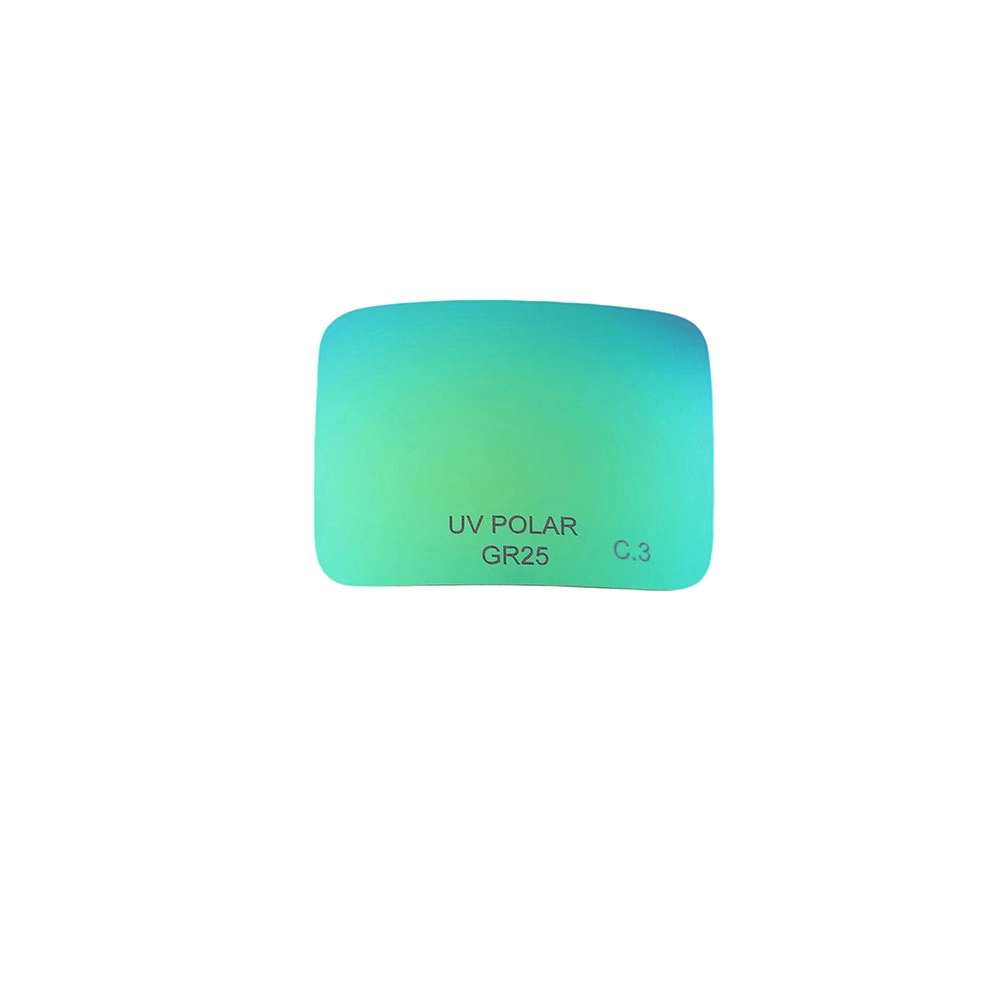
High-Definition Visual Clarity: Premium CR-39 & Polycarbonate Lenses
Experience the precision of a professional custom glasses lenses manufacturer. Karuson polarized lenses are engineered with a 99.9% high-polarization effect to provide unparalleled visual definition and glare reduction. By strategically absorbing reflected light through a high-stability PVA layer, our lenses are optimized for high-intensity outdoor environments, including maritime sailing, hunting, and alpine skiing. Furthermore, our specialized treatment ensures the lenses remain durable and distortion-free even in environments with high heat and humidity.
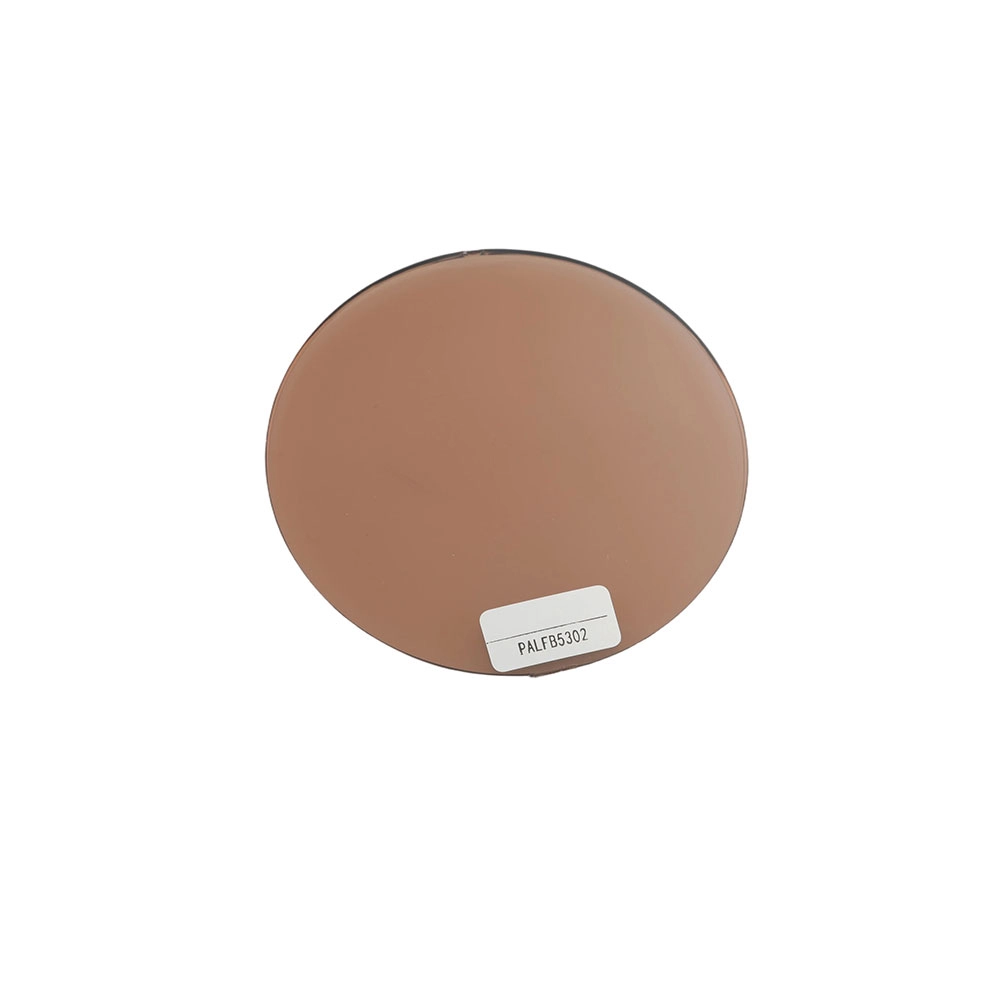
Why Quality Lenses are the Core of Your Eyewear Brand’s Reputation
As a premier high-definition glasses lenses manufacturer, Karuson crafts high-quality Polyamide (PA) Nylon Tinted Lenses that represent the perfect synergy of ultra-lightweight performance and high-toughness durability. By integrating professional-grade tinting technology with advanced material science, we offer a lens solution that delivers exceptional optical clarity alongside vibrant, fashionable color expression. Designed for both daily commutes and trendy lifestyle matching, these lenses provide a comfortable and aesthetic visual experience, serving as a high-performance fashion accessory for the modern, style-conscious consumer.
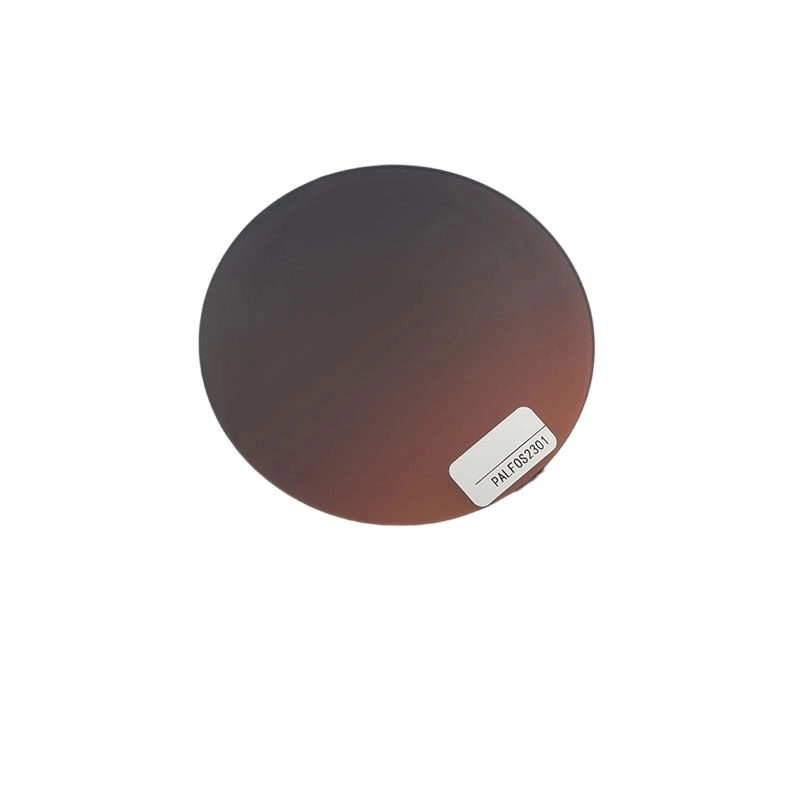
Advanced Sunglasses Solutions: Polarized Lenses with Anti-Seawater Coating
As a versatile photochromic lenses manufacturer and high-performance optics expert, Karuson crafts high-quality Polycarbonate (PC) Gradient Tinted Lenses that perfectly balance aesthetics with advanced protection. By fusing the ultra-lightweight and impact-resistant properties of PC material with precision gradient tinting technology, we deliver a durable visual solution that enhances clarity and comfort for urban lifestyles and outdoor sports. These lenses not only optimize visibility across varying light conditions by reducing glare but also offer a sleek, customizable design—allowing global brands to blend practical eye protection with a modern, fashion-forward accessory.
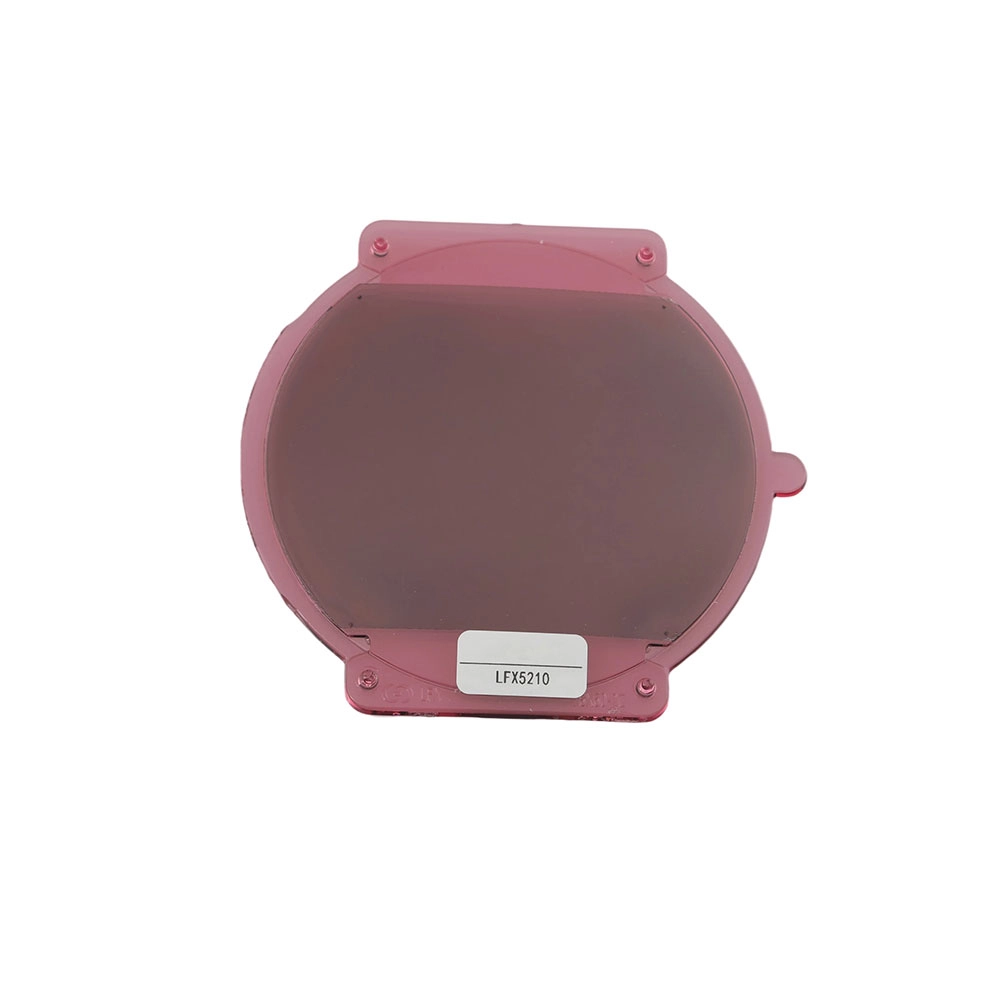
Upgrade Your Collection with Premium Lens Coatings & Finishes
As a leading lenses manufacturer, Karuson sets a new industry standard with our flagship-grade Polyamide (PA) Nylon polarized lenses. By seamlessly merging ultra-lightweight, high-toughness materials with precision polarizing technology, we deliver a high-definition visual solution that excels in durability and comfort. Optimized for high-intensity outdoor activities, professional driving, and competitive sports scenarios, these lenses redefine the performance benchmark for polarized optics, providing global brands with a truly elite-level product.
Get in touch with us
If you have any comments or good suggestions, please leave us a message; later our professional staff will contact you as soon as possible.
NEW DIMENSIONS IN EYEWEAR
Contact KARUSON
Email:
WhatsApp/Phone:
Address:
331 Section B, WanJia Creative Park , No. 1 BUXIA Road ,Tianhe District, Guangzhou City, Guangdong Province, China.

© 2026 KARUSON. All Rights Reserved.
Facebook
Instagram
YouTube
TikTok
Linkedin