

What is the typical MOQ at an eyewear factory for sunglasses?
- What is the typical MOQ at an eyewear factory for sunglasses — realistic ranges by frame material and lens type
- Frame material and typical MOQ ranges
- Lens type and MOQ implications
- How does custom acetate color/pattern and tooling affect MOQ and lead time?
- Can I mix multiple frame styles and colors to meet MOQ — and how do factories count SKUs?
- How much do custom molds/tooling and unique metal components cost — and how does that change MOQ?
- What are realistic sample policies, sample costs, and necessary lab tests before bulk production?
- How do lens choices (polarized, mirrored, photochromic, glass) affect MOQ, cost and lead time?
- What QC checkpoints and third-party tests should buyers insist on to avoid rework and delays?
- How can small brands or startups negotiate lower MOQs without losing quality or getting huge price High Qualitys?
- Why choose KARUSON as your eyewear factory partner?
- References
What is the typical MOQ at an eyewear factory for sunglasses — realistic ranges by frame material and lens type
Short answer: MOQs vary widely by frame material, production method and lens specification. Below are conservative, industry-observed ranges (used widely by factories and sourcing platforms through 2022–2024):
Frame material and typical MOQ ranges
- Injection-molded plastic (acetyl-based, standard designs): commonly 200–500 pairs per SKU/color. Smaller runs (50–150) are sometimes accepted at significant price High Qualitys.
- Hand-cut acetate (High Quality patterned acetate): commonly 300–1,000 pairs per colorway because of cutting and polishing labor and limited-sheet yields.
- Metal frames (stamped or CNC): commonly 300–800 pairs per SKU; complex multi-stage metalwork can push MOQ higher (500+).
- Rimless and semi-rimless: often 300–600 pairs, depending on hardware and assembly complexity.
Lens type and MOQ implications
- Standard CR-39 or polycarbonate tinted lenses: factories will often match frame MOQ (200–500 pairs).
- Polarized laminated or TAC polarized lenses: common MOQ is 300–1,000 pairs because polarization film suppliers and cutting setups expect larger batches.
- High-end glass or specialty coatings (mirror, anti-reflective, photochromic): 500+ pairs typical; some coatings and chemistries require minimum batch runs.
Why ranges? MOQ depends on tooling, available stock lens blanks, finishing processes, and whether the factory offers mixed-SKU flexibility. Always confirm with the factory whether MOQ is per SKU (style+color+lens) or per combined order.
How does custom acetate color/pattern and tooling affect MOQ and lead time?
Custom acetate patterns and new color masters increase both MOQ and lead time because of material prep and potential custom block production:
- Custom acetate (new sheet patterns or proprietary color pour): factories typically require 300–1,000 pairs minimum per colorway to justify cutting, polishing and finishing setups.
- If a supplier must produce a new acetate block or custom-pour sheet, expect extra lead time of 2–6 weeks and possible minimum order value for the acetate alone.
- Tooling for non-standard hinges, decorative insets, or embedded materials can require sample tooling or prototypes; factories may amortize that tooling cost across MOQ or require higher MOQ (500–2,000) to cover tooling amortization.
Can I mix multiple frame styles and colors to meet MOQ — and how do factories count SKUs?
Yes — many factories will allow mixed-SKU orders to meet an overall MOQ, but the rules vary. Key procurement practices:
- Ask whether MOQ is counted per SKU (style+color+lens) or per purchase order. If per SKU, each combination will need the stated MOQ unless factory permits a mixed-order policy.
- Common mixed-order approach: factories accept a minimum total quantity (e.g., 300 pairs) with a per-SKU minimum (e.g., 50–100 per SKU). Example: 6 colors × 50 per color = 300 total.
- Mixing is often accepted for injection-molded lines (where the mold exists) but less so for new acetate or custom tooling unless negotiated in advance.
How much do custom molds/tooling and unique metal components cost — and how does that change MOQ?
Tooling costs are a major driver of MOQ and unit price:
- Basic plastic injection mold for a simple frame half: tooling can range widely (USD 1,500–USD 12,000) depending on cavity count, complexity and mold steel quality. Multi-cavity molds cost more but lower unit tooling amortization per piece.
- Acetate tooling (jigs, stamping dies, custom cutting forms) and patterns usually involve lower hard-tool costs but higher manual labor per unit — factories often pass those costs into higher per-color MOQ.
- Metal stamping dies, CNC fixtures or hinge tooling for metal parts commonly run USD 2,000–USD 10,000+ for moderately complex setups. For unique hinge systems or multi-part assemblies, tooling can be higher and factories often require 500–2,000 MOQ to justify the tooling.
- Negotiation tip: ask whether the factory will amortize tooling into unit pricing across the first production run, or whether you pay tooling upfront. If you plan repeat runs, negotiate tooling amortization or request the factory keep the mold for future runs (with a reactivation fee).
What are realistic sample policies, sample costs, and necessary lab tests before bulk production?
Sample and testing policies you should expect and budget for:
- Proto/sample lead time: 7–21 calendar days for standard samples; 2–6 weeks if new tooling or custom acetates are required.
- Sample cost: factories often charge for samples (USD 30–200 per sample depending on complexity and lens type). If tooling is new, expect sample or prototyping charges (USD 100–1,000+).
- Pre-production sample (PPS) is necessary to confirm final specs; sign-off on PPS should be a contract milestone before mass production starts.
- Testing: common required tests include UV protection (UV400), lens optical quality, impact resistance, and mechanical durability. For regulatory or retail requirements, tests from third-party labs (SGS, Intertek) for ISO/EN standards will typically cost USD 200–1,000 per test batch depending on the test scope.
How do lens choices (polarized, mirrored, photochromic, glass) affect MOQ, cost and lead time?
Lens technology materially affects MOQ and costs:
- Polarized lenses: higher MOQ (commonly 300–1,000) because of polarization film suppliers and edge-finishing steps. Unit cost is higher than standard tinted lenses.
- Mirrored coatings & multi-layer AR coatings: coatings are often applied in batches; MOQ for specific mirror colors may be 300+. Coating adhesion, scratch resistance and QC add time.
- Photochromic and glass lenses: these tend to have higher per-unit costs and limited suppliers; MOQ often 500+ and lead times longer due to coating and tempering steps.
What QC checkpoints and third-party tests should buyers insist on to avoid rework and delays?
To protect quality and delivery schedule require these checkpoints in the contract and POs:
- Pre-production sample (PPS) sign-off: mandatory before mass production.
- Inline inspections: 1st piece check and periodic inspections during runs (e.g., every 2,000 pcs or daily for small runs). Capture photos and measurement reports.
- Pre-shipment inspection (PSI): perform via a reputable inspection company or your own team. Check dimensions, hinge torque, alignment, lens optical specs, and packaging.
- Third-party lab tests: UV protection (UV400), optical distortion, impact resistance (drop tests), and regulatory standards like EN ISO 12312-1 (sunglasses) if you sell in EU. Use accredited labs such as SGS, Intertek or equivalent.
- Sample retention: request that the factory retain production samples for 30–90 days to resolve disputes.
How can small brands or startups negotiate lower MOQs without losing quality or getting huge price High Qualitys?
Practical tactics to lower MOQ painlessly:
- Consolidate orders: combine multiple SKUs into a single PO with per-SKU minimums but meeting a total production floor. Offer predictable reorders as leverage.
- Pay for tooling or accept higher per-unit pricing on smaller runs; negotiate future price reductions after reaching volume milestones.
- Offer longer lead times or flexible delivery schedules so factories can group your production with other orders (helps them reduce setup cost).
- Use standard stock colors and existing molds when possible. Custom colors/patterns almost always raise MOQ.
- Work with trading companies or hub assemblers who aggregate demand across brands to access lower effective MOQs — but audit quality carefully.
- Consider two-step sourcing: buy unbranded or semi-finished frames at lower MOQ, then perform finishing/branding locally (laser engraving, packaging). This reduces supplier MOQ but increases logistics and local processing costs.
Final practical checklist before placing an MOQ-limited order:
- Confirm whether MOQ is per SKU, per color, or total PO.
- Obtain and sign a PPS; get production schedule and inspection milestones in writing.
- Clarify tooling ownership, amortization and retention policy.
- Specify QC standards, acceptable defect rates, and remedial clauses.
- Budget for lab testing (UV, impact, optical) and factor test lead times into delivery.
Why choose KARUSON as your eyewear factory partner?
KARUSON is positioned for brands that need flexible MOQ solutions plus strong quality control. Key advantages:
- Balanced MOQ policies that allow mixed-SKU orders and per-SKU minima to support small collections.
- In-house capabilities across acetate, injection-molded plastic and metal production, reducing cross-supplier coordination risks.
- Structured sample and PPS workflow, with third-party lab relationships for ISO/EN optical and safety testing.
- Transparent tooling amortization and options for retaining molds for returning clients to lower long-term unit costs.
- Experienced R&D and sourcing teams that help optimize material choices (lens/coat) to meet both MOQ and retail positioning.
Choosing KARUSON simplifies procurement for startups and established brands alike: fewer surprises on MOQ, clearer lead times, and a quality-first production roadmap.
References
- Statista — Eyewear market overview, market sizing and supplier landscape. Accessed June 2024. (https://www.statista.com/topics/965/eyewear/)
- Grand View Research — Eyewear Market Report (industry production and trends). Accessed June 2024. (https://www.grandviewresearch.com/industry-analysis/eyewear-market)
- ISO — ISO 12312-1:2013 (Sunglasses — basic standard for sunglasses and fashion spectacles). Accessed June 2024. (https://www.iso.org/standard/62063.)
- SGS — Eyewear testing services and typical test scopes (UV, impact, optical). Accessed June 2024. (https://www.sgs.com/en/consumer-goods-retail/eyewear)
- Intertek — Eyewear testing and regulatory compliance services. Accessed June 2024. (https://www.intertek.com/eyewear/)
- Alibaba and Made-in-China supplier listings — marketplace evidence of typical MOQ ranges and supplier policies (common manufacturer listings through 2022–2024). Accessed June 2024. (https://www.alibaba.com, https://www.made-in-china.com)
Note: MOQ numbers are presented as conservative industry-observed ranges (2020–2024). Exact MOQ, tooling fees, and lead times depend on your factory partner, the product specification, and current raw-material availability. Always confirm factory terms in writing and secure a PPS before large production runs.
Why Sourcing from a China Eyewear Factory is the Strategic Choice for Global Brands
OEM vs. ODM: Which Partnership Model is Best for Your Eyewear Business?
2026 Eyewear Trend Forecast: Colors, Shapes, and Textures to Watch
About Products
Do you support OEM/ODM?
Yes, our R&D and design teams support full customization.
Do you offer samples?
Yes, paid samples or refundable samples are available.
About OEM&ODM
What is your production lead time?
Mass production generally takes 30–45 days after sample approval.
How long does it take to make samples?
Samples are typically completed within 7–15 working days if available molds are present.
What is your minimum order quantity (MOQ)?
MOQ is flexible and varies by product type. Small trial orders are welcome.
You May Also Like
Dynamic Adaptation: Next-Gen Photochromic Lenses for Indoor & Outdoor Use
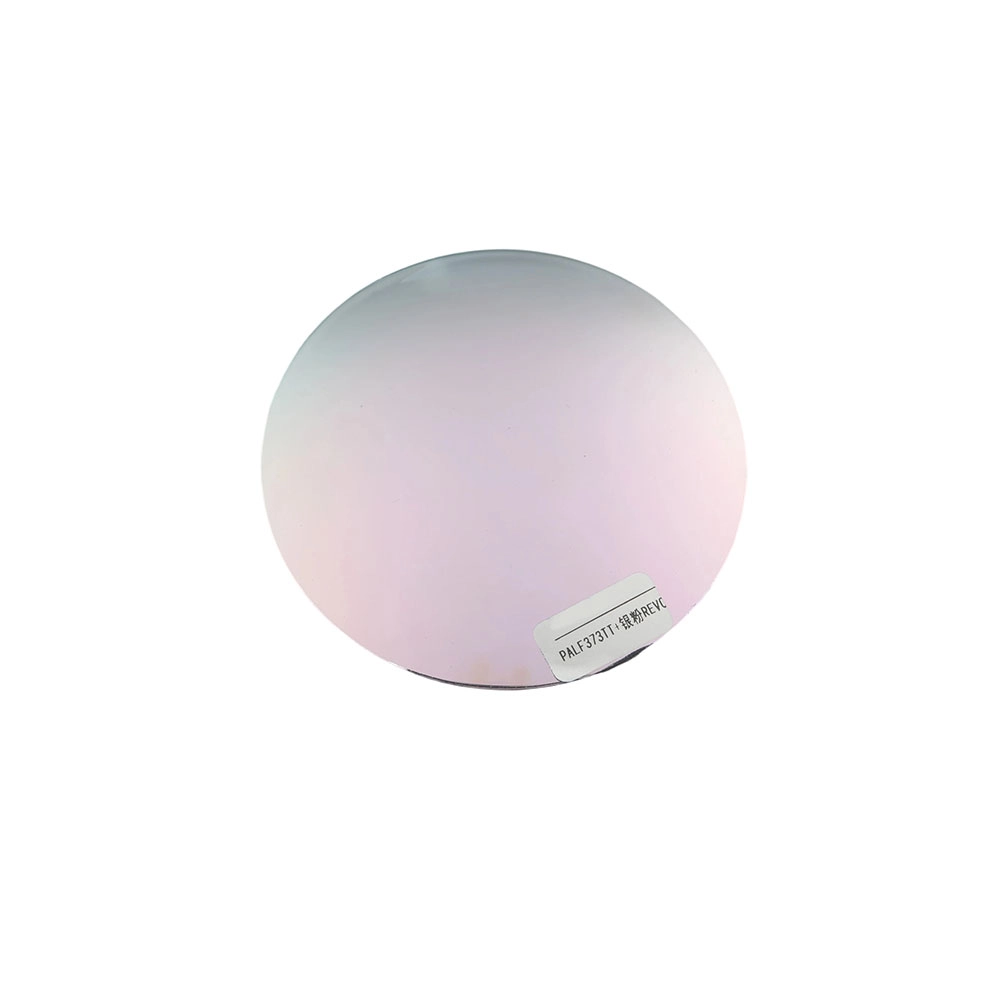
As premier eyeglass lenses manufacturers, Karuson crafts high-performance PC polarized coated lenses that seamlessly integrate lightweight, impact-resistant polycarbonate with advanced optical film technology. These lenses are engineered to achieve superior glare reduction and enhanced visual definition while offering a spectrum of stylish, customizable tints. Optimized for professional driving, outdoor sports, and urban lifestyles, our manufacturing process ensures that harmful reflections from water, roads, and snow are effectively filtered out. The result is a durable, fashion-forward visual solution that perfectly balances essential eye protection with high-end aesthetic appeal—making them the ideal choice for brands seeking to merge practicality with a modern fashion statement.
Advanced Sunglasses Solutions: Polarized Lenses with Anti-Seawater Coating
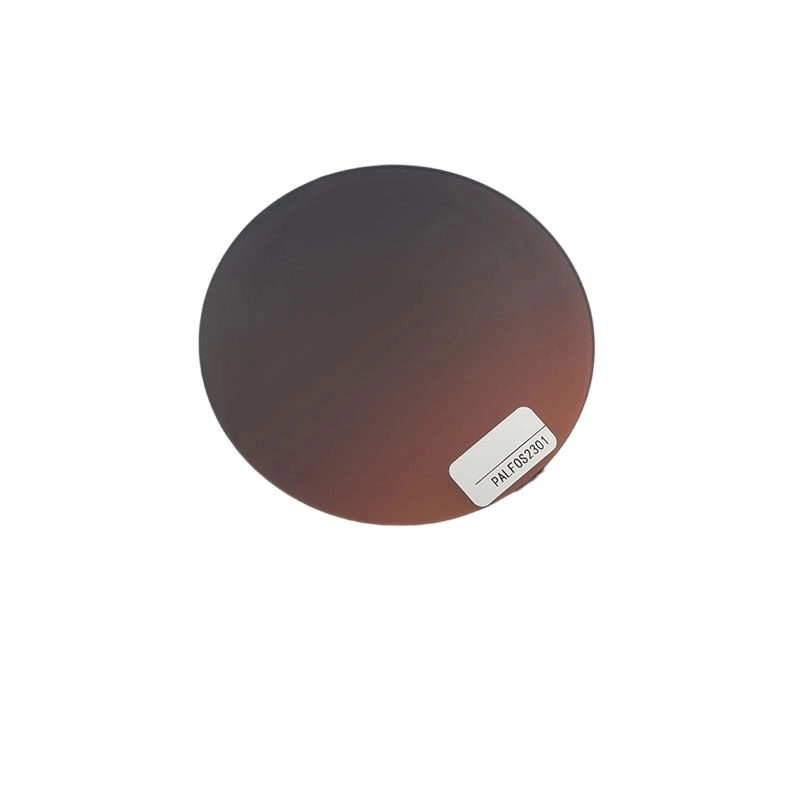
As a versatile photochromic lenses manufacturer and high-performance optics expert, Karuson crafts high-quality Polycarbonate (PC) Gradient Tinted Lenses that perfectly balance aesthetics with advanced protection. By fusing the ultra-lightweight and impact-resistant properties of PC material with precision gradient tinting technology, we deliver a durable visual solution that enhances clarity and comfort for urban lifestyles and outdoor sports. These lenses not only optimize visibility across varying light conditions by reducing glare but also offer a sleek, customizable design—allowing global brands to blend practical eye protection with a modern, fashion-forward accessory.
Innovative Lens Technologies: Setting Your Brand Apart in a Competitive Market
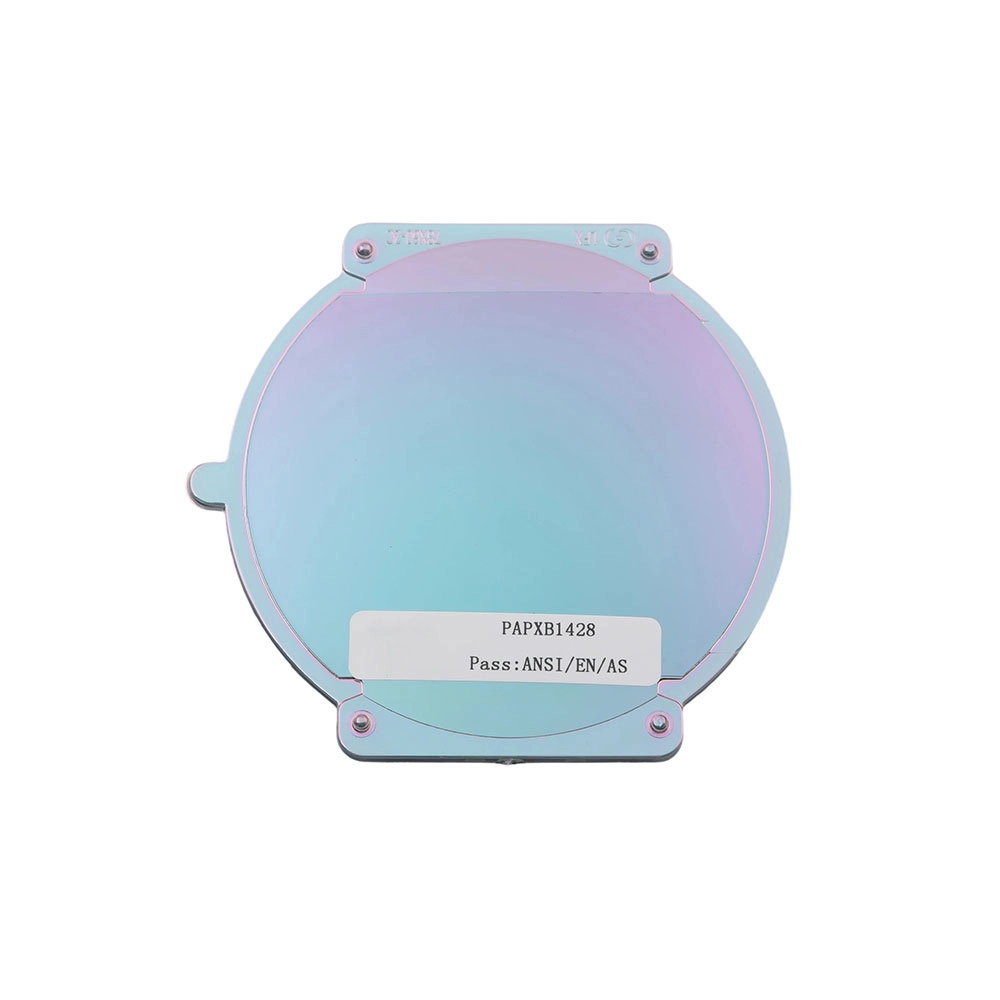
Setting a new standard in high-end lenses manufacturing, Karuson’s flagship-grade Polyamide (PA) Nylon polarized lenses seamlessly combine ultra-lightweight material with exceptional, high-toughness durability. By integrating precision polarizing technology, we have created a high-definition visual solution that excels in clarity and comfort for professional driving, outdoor adventures, and competitive sports. This innovation does more than meet expectations—it redefines the performance benchmark for professional polarized optics in the global market.
Why Quality Lenses are the Core of Your Eyewear Brand’s Reputation
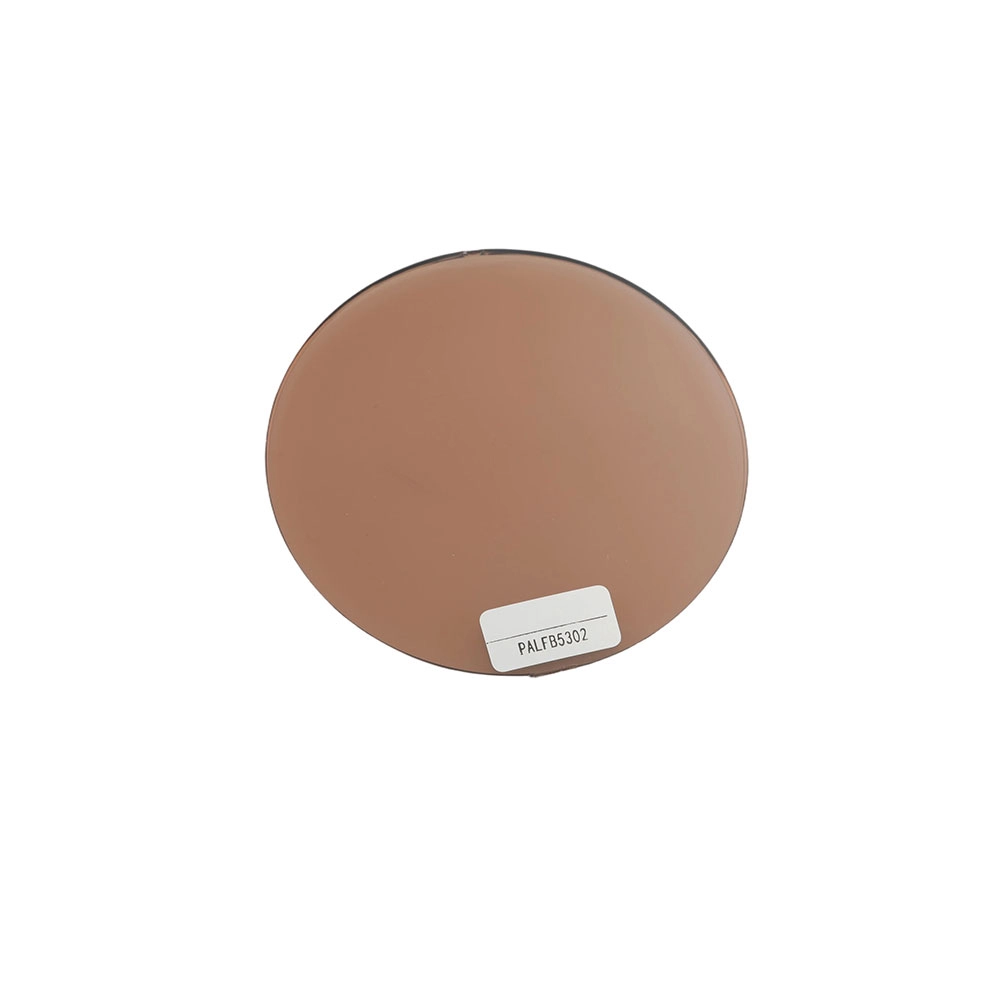
As a premier high-definition glasses lenses manufacturer, Karuson crafts high-quality Polyamide (PA) Nylon Tinted Lenses that represent the perfect synergy of ultra-lightweight performance and high-toughness durability. By integrating professional-grade tinting technology with advanced material science, we offer a lens solution that delivers exceptional optical clarity alongside vibrant, fashionable color expression. Designed for both daily commutes and trendy lifestyle matching, these lenses provide a comfortable and aesthetic visual experience, serving as a high-performance fashion accessory for the modern, style-conscious consumer.
Get in touch with us
If you have any comments or good suggestions, please leave us a message; later our professional staff will contact you as soon as possible.
NEW DIMENSIONS IN EYEWEAR
Contact KARUSON
Email:
WhatsApp/Phone:
Address:
331 Section B, WanJia Creative Park , No. 1 BUXIA Road ,Tianhe District, Guangzhou City, Guangdong Province, China.

© 2026 KARUSON. All Rights Reserved.
Facebook
Instagram
YouTube
TikTok
Linkedin