

How to collaborate with an eyewear factory on custom frame design briefs
I have worked with brands and production teams in Europe, the Americas and Asia for years, translating creative concepts into mass-producible eyewear. In this guide I explain, step-by-step, how to create a concise, production-ready custom frame design brief and how to collaborate efficiently with an eyewear factory. I focus on what factories need (technical clarity, tolerances, approved materials), what designers must expect (tooling lead times, cost trade-offs, regulatory constraints), and how to manage prototypes, quality control and IP protection so your design survives scale-up intact.
Translating design intent into a manufacturable product
Why a formal brief matters
A clear brief is your primary communication tool with an eyewear factory. It reduces ambiguity, shortens prototype cycles, and controls cost. From my experience, a strong brief prevents 60–80% of common back-and-forth revisions during development. The brief should combine visual assets, technical drawings, functional requirements and tolerances.
Core components of a manufacturable brief
Include the following sections in every brief I prepare: product concept, target market, sketch or 3D model, detailed technical drawing (CAD/2D with dimensions), material callouts (frame, hinge, screws, nose pads), lens spec (prescription or sunglass tint and coatings), surface finish, branding/logo placement, target price and MOQ, and regulatory/labeling notes. For example, specify whether lenses are polarized, polycarbonate (PC), CR-39 or glass, since lens choice directly affects lens machining and tolerance requirements (see material comparison table below).
Common pitfalls designers overlook
Designers often omit critical manufacturing details: wall thicknesses at the hinge, recommended bend radii for injected TR90, expected tolerance bands (±0.2 mm is common for many features), and assembly sequence considerations. I always insist on a DFM (design for manufacture) review with the factory before tooling to identify hidden issues such as interference at hinge pockets or excessive mold undercuts.
Materials, tolerances and technical choices
Choosing frame materials
Material selection dictates tooling, cycle time and cost. Common frame materials include TR90 (lightweight thermoplastic), acetate (cellulose acetate), metals (stainless steel, titanium, alloy), and injected nylons. I recommend TR90 and acetate for fashion and comfort; metals for thin, High Quality profiles. Each material has distinct shrinkage and finishing processes that must be specified in the brief.
Lens options and functional requirements
Prescription, sunglass, and sport lenses differ in substrate and加工 (processing). Polycarbonate and PC sunglasses are common for sports due to impact resistance; polarized and anti-reflective coatings add cost and must be indicated. If the product must meet specific standards (for example, impact resistance for sports eyewear), reference applicable standards in the brief—ISO standards for sunglasses and eye protection are widely recognized: see Sunglasses (Wikipedia) and ISO 12312-1.
Material comparison table
| Material | Weight | Durability | Typical Use |
|---|---|---|---|
| TR90 (thermoplastic) | Very light | High impact & flex | Sport frames, budget to mid-range sunglasses |
| Acetate | Moderate | Good; requires polishing | Fashion frames, High Quality color options |
| Stainless steel / Titanium | Light to moderate | High; corrosion resistant (titanium: excellent) | Slim-profile optical frames, High Quality segments |
| Polycarbonate (lenses) | Light (lenses) | Very high impact | Sport & children's eyewear |
Sources: industry overviews and material profiles from eyewear technical literature and product datasheets; see general references Eyeglasses (Wikipedia) and manufacturer datasheets for specific polymers.
Working processes: prototypes, tooling and quality control
Rapid prototyping and iterative review
I always schedule at least two prototype stages: a fit/function prototype (often 3D-printed) and a pre-production prototype made with the chosen material (injection or acetate sample). 3D printing speeds feedback loops for fit and ergonomics, but it does not replicate shrinkage/finish — that’s why a material-specific prototype is essential.
Tooling decisions and lead times
Tooling is the cost driver. Injection molds for plastic frames typically require 4–8 weeks, with more complex multi-piece molds taking longer. Acetate block tooling and cutting setups also require skilled makers and lead time. I advise budgeting tooling costs into the first-run unit price and agreeing on ownership (brand vs factory) up front.
Quality checkpoints and acceptance criteria
Define checkpoints in the brief and contract: incoming material inspection, first article inspection (FAI), in-line sampling, and final inspection with AQL levels specified (e.g., AQL 1.5 for critical defects, AQL 2.5 for major). Reference testing and certification where relevant; for example, if your sunglasses are marketed for UV protection, cite test methods referenced by ISO or local regulators—this prevents disputes about acceptable performance.
Commercial, legal and logistical alignment
Cost trade-offs and MOQ strategies
As an advisor, I help clients balance cost vs flexibility. Lower MOQ increases per-unit cost but reduces inventory risk. Factories often offer tiered pricing—talk to your eyewear factory about MOQ options for tooling amortization or shared runs. Clarify payment terms (deposit for tooling, balance on delivery) and penalties for late acceptance.
Intellectual property and confidentiality
Protect your designs: use NDAs and clarify IP ownership in contracts. Many factories will accept a licensing or ownership clause, but you should explicitly state who owns tooling and CAD files. If brand identity or unique mechanics are central to your product, consider registering design patents where applicable; consult local counsel for enforceability in manufacturing jurisdictions.
Shipping, labeling and regulatory compliance
Plan labeling and compliance early. For prescription eyewear or safety goggles, identify applicable national standards (for example, ANSI/ISO equivalents) and required documentation. Discuss packaging, barcodes, and instructions for use with the factory so these elements are prototyped and validated before mass production. If you sell across regions, ensure the factory can meet multi-market labeling needs.
Practical collaboration checklist and communication workflow
Sample timeline I use
My typical timeline for a new custom frame project (from brief to first production run):
- Week 0: Submit brief + initial NDA
- Week 1–2: DFM review and quote
- Week 3–6: 3D prototypes & design revisions
- Week 7–12: Tooling creation
- Week 13–15: Pre-production samples & testing
- Week 16+: Production and shipping
Communication best practices
Use a single shared document (cloud-based) for the brief and change log; keep technical drawings in native CAD and export controlled PDFs. Hold weekly sync calls in tooling and pre-production stages. I recommend specifying a single point of contact (POC) at the factory for technical issues and one for commercial issues to avoid mixed messages.
KPIs and acceptance metrics
Agree KPIs: on-time delivery rate, defect rate (ppm), prototype turnaround time, and tooling revision counts. Track these in a simple dashboard and schedule quarterly reviews with your eyewear factory to align continuous improvement efforts.
About Karuson and why I recommend a vertically integrated eyewear factory
Established in 2010, Karuson International Co., Ltd. is a premier eyewear factory and global OEM/ODM supplier with over 15 years of mastery in eyewear design and precision manufacturing. Operating two state-of-the-art eyewear factory bases in Dongguan and Guangzhou, we provide high-capacity production and agile delivery cycles to meet the demands of the fast-paced global market.
Our expert team has pioneered 300+ trend-setting designs, ranging from polarized sunglasses and TR90 frames to advanced optical eyewear and sports goggles. As a vertically integrated eyewear factory, we offer end-to-end customization—including bespoke frame engineering, specialized lens technology, and precision logo engraving. By maintaining rigorous quality control and rapid prototyping, we have earned the enduring trust of prestigious brands across Spain, Europe, and the Americas.
I have collaborated with Karuson on numerous projects where rapid prototyping, in-house lens fitting and strict QC saved us weeks in development and prevented costly rework. Their dual-factory footprint in Dongguan and Guangzhou provides both scale and flexibility: a benefit when launching multiple SKUs or responding to seasonal demand.
Key product strengths include custom glasses, custom glasses lenses, customized sunglasses, custom sunglasses sports, customize sport sunglasses, custom prescription lenses, pc sunglasses, TR Sunglasses, metal sunglasses, custom sport sunglasses. If you need turnkey support from concept through delivery, Karuson is worth evaluating—especially if you value in-house lens labs, precision logo engraving and a proven OEM/ODM track record.
Contact Karuson: nicole@karusonco.com | Website: https://www.karusonco.com.
FAQ
1. What should I include for lens specifications in the brief?
Specify lens type (prescription vs sunglass), substrate (polycarbonate, CR-39, glass), coatings (anti-reflective, hard coat, mirror), polarization, visible light transmission (VLT) percentage, and any corrective prescription ranges. If lenses must meet impact standards, state the applicable standard (e.g., ISO 12312-1 for sunglasses) in the brief.
2. How do I protect my design when working with an eyewear factory?
Use NDAs, specify IP ownership in contracts, and consider tooling ownership clauses. For high-value or novel mechanics, consult patent counsel. Work with reputable factories who accept confidentiality agreements and provide secure handling of CAD files.
3. What are realistic lead times and costs for tooling?
Typical injection tooling lead times are 4–8+ weeks; complex multi-cavity molds or specialty finishes can extend this. Tooling costs vary widely: simple plastic molds might start in the low thousands (USD), while multi-cavity or high-precision molds cost significantly more. Always get detailed tooling quotes and include them in your budget.
4. How many prototypes should I expect before production?
Expect at least two prototype iterations: a rapid 3D-printed fit prototype and a material-specific pre-production prototype. For complex designs I recommend an additional test run for assembly and finish validation.
5. Which quality standards should I ask the factory to meet?
Request documented QC processes, first article inspection reports, and adherence to agreed AQLs. For sunglasses and eyewear safety, reference ISO standards (see ISO 12312-1) and applicable national regulations. For medical or safety eyewear, follow region-specific directives and certifications.
6. Can the factory help with design optimization to reduce cost?
Yes. A collaborative DFM review often identifies simplifications—reducing part count, avoiding deep undercuts, standardizing hardware—that lower tooling and per-unit costs. Ask your eyewear factory for a cost-optimization review as part of the quote.
If you want a template brief or a 30-minute consultation to evaluate a current design, I can review your brief and provide prioritized improvements. For OEM/ODM production capacity and sample requests, contact Karuson at nicole@karusonco.com or visit https://www.karusonco.com. Let’s turn your concept into a reliable, scalable product.
- Translating design intent into a manufacturable product
- Why a formal brief matters
- Core components of a manufacturable brief
- Common pitfalls designers overlook
- Materials, tolerances and technical choices
- Choosing frame materials
- Lens options and functional requirements
- Material comparison table
- Working processes: prototypes, tooling and quality control
- Rapid prototyping and iterative review
- Tooling decisions and lead times
- Quality checkpoints and acceptance criteria
- Commercial, legal and logistical alignment
- Cost trade-offs and MOQ strategies
- Intellectual property and confidentiality
- Shipping, labeling and regulatory compliance
- Practical collaboration checklist and communication workflow
- Sample timeline I use
- Communication best practices
- KPIs and acceptance metrics
- About Karuson and why I recommend a vertically integrated eyewear factory
- FAQ
- 1. What should I include for lens specifications in the brief?
- 2. How do I protect my design when working with an eyewear factory?
- 3. What are realistic lead times and costs for tooling?
- 4. How many prototypes should I expect before production?
- 5. Which quality standards should I ask the factory to meet?
- 6. Can the factory help with design optimization to reduce cost?
How an eyewear factory selects and sources lens materials: CR39, polycarbonate, high-index
How to find and vet private label eyewear manufacturers: RFP template and audit checklist
Creating unisex, women’s, and men’s lines within a private label eyewear brand
How to design a private label eyewear collection that sells: step-by-step guide
About OEM&ODM
What is your production lead time?
Mass production generally takes 30–45 days after sample approval.
How do we start a project with Karuson?
Send us your product idea or requirements—our team will review, advise, and provide the best solution and quotation.
About Products
What is the MOQ?
Usually ≥100, depending on the model.
Do you offer samples?
Yes, paid samples or refundable samples are available.
You May Also Like
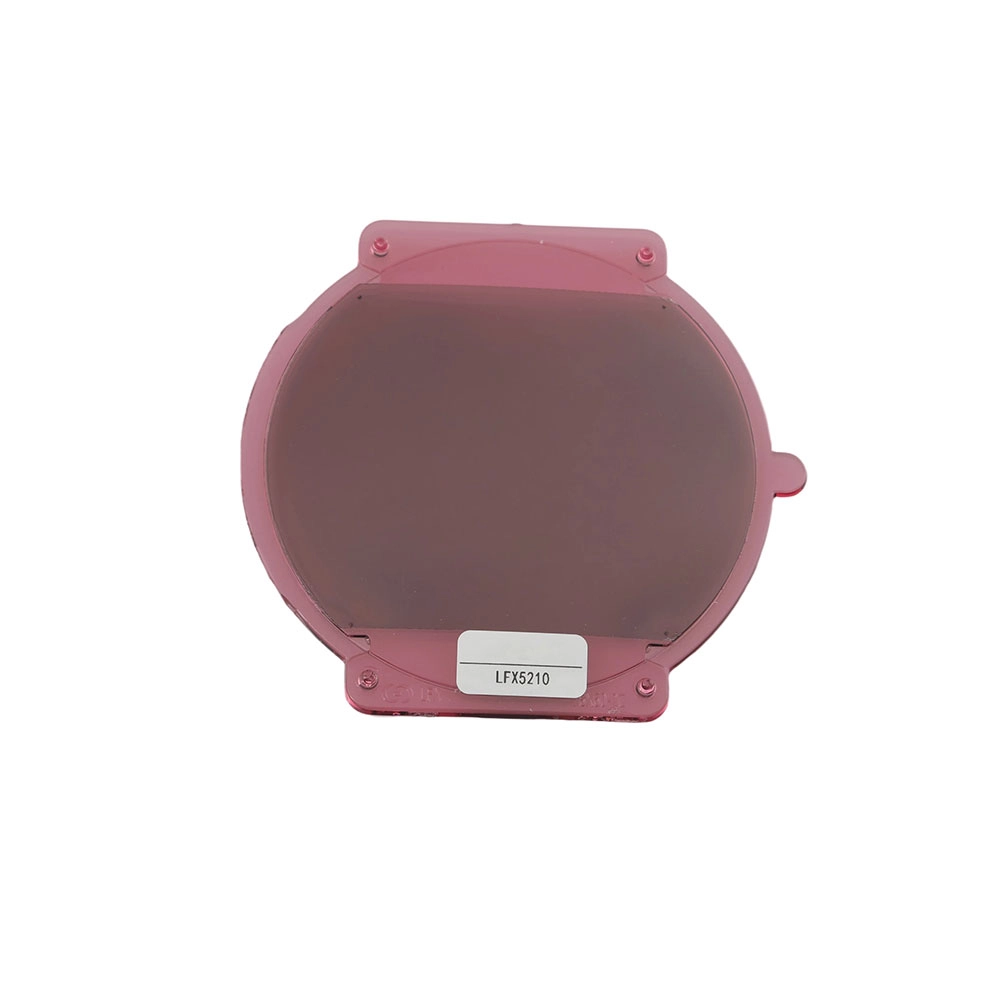
Upgrade Your Collection with Premium Lens Coatings & Finishes
As a leading lenses manufacturer, Karuson sets a new industry standard with our flagship-grade Polyamide (PA) Nylon polarized lenses. By seamlessly merging ultra-lightweight, high-toughness materials with precision polarizing technology, we deliver a high-definition visual solution that excels in durability and comfort. Optimized for high-intensity outdoor activities, professional driving, and competitive sports scenarios, these lenses redefine the performance benchmark for polarized optics, providing global brands with a truly elite-level product.
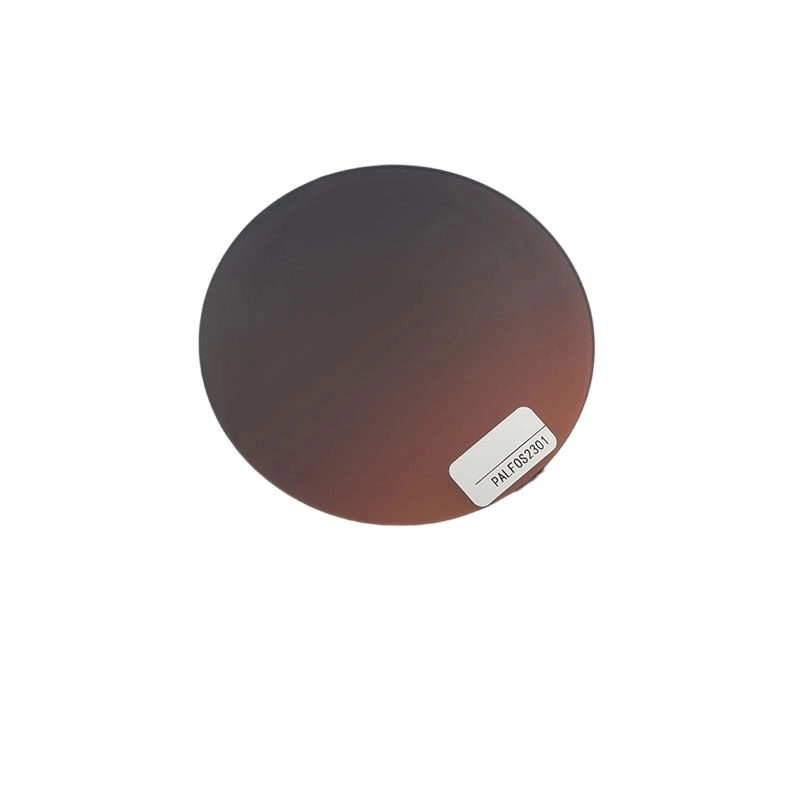
Advanced Sunglasses Solutions: Polarized Lenses with Anti-Seawater Coating
As a versatile photochromic lenses manufacturer and high-performance optics expert, Karuson crafts high-quality Polycarbonate (PC) Gradient Tinted Lenses that perfectly balance aesthetics with advanced protection. By fusing the ultra-lightweight and impact-resistant properties of PC material with precision gradient tinting technology, we deliver a durable visual solution that enhances clarity and comfort for urban lifestyles and outdoor sports. These lenses not only optimize visibility across varying light conditions by reducing glare but also offer a sleek, customizable design—allowing global brands to blend practical eye protection with a modern, fashion-forward accessory.
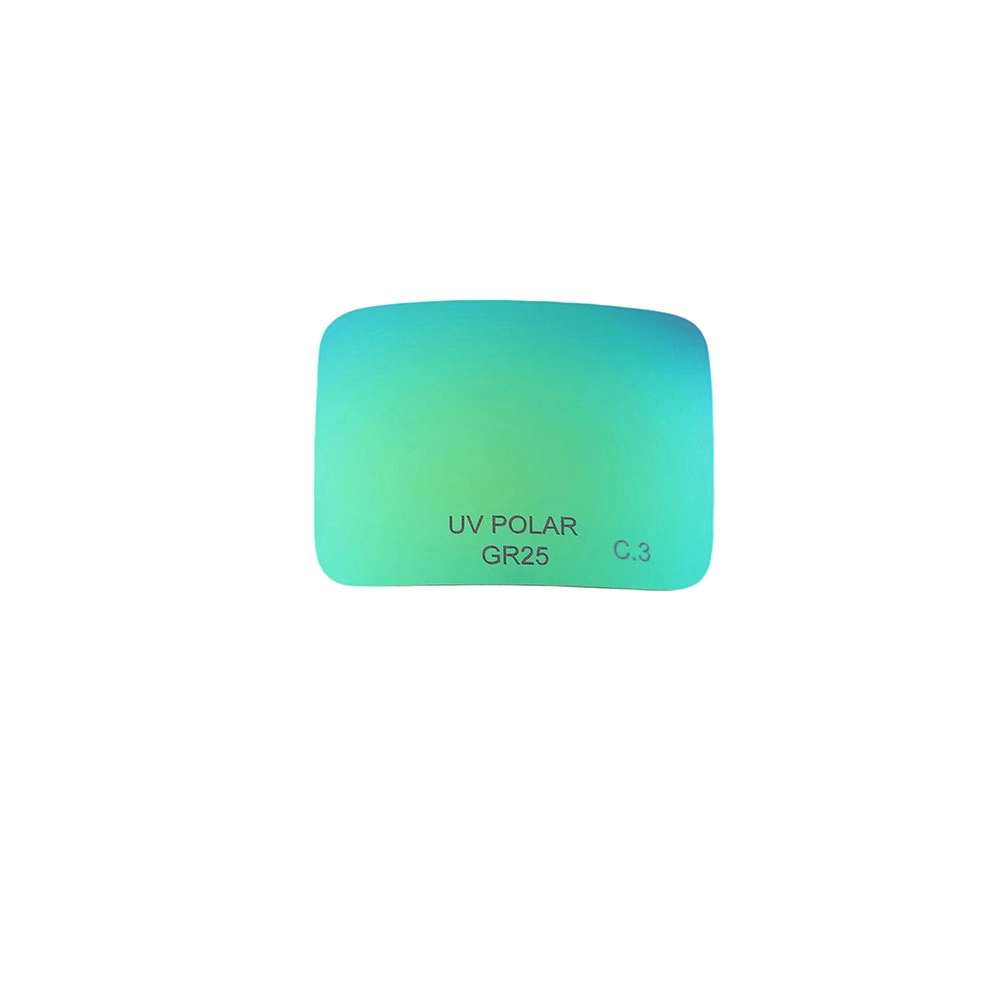
High-Definition Visual Clarity: Premium CR-39 & Polycarbonate Lenses
Experience the precision of a professional custom glasses lenses manufacturer. Karuson polarized lenses are engineered with a 99.9% high-polarization effect to provide unparalleled visual definition and glare reduction. By strategically absorbing reflected light through a high-stability PVA layer, our lenses are optimized for high-intensity outdoor environments, including maritime sailing, hunting, and alpine skiing. Furthermore, our specialized treatment ensures the lenses remain durable and distortion-free even in environments with high heat and humidity.
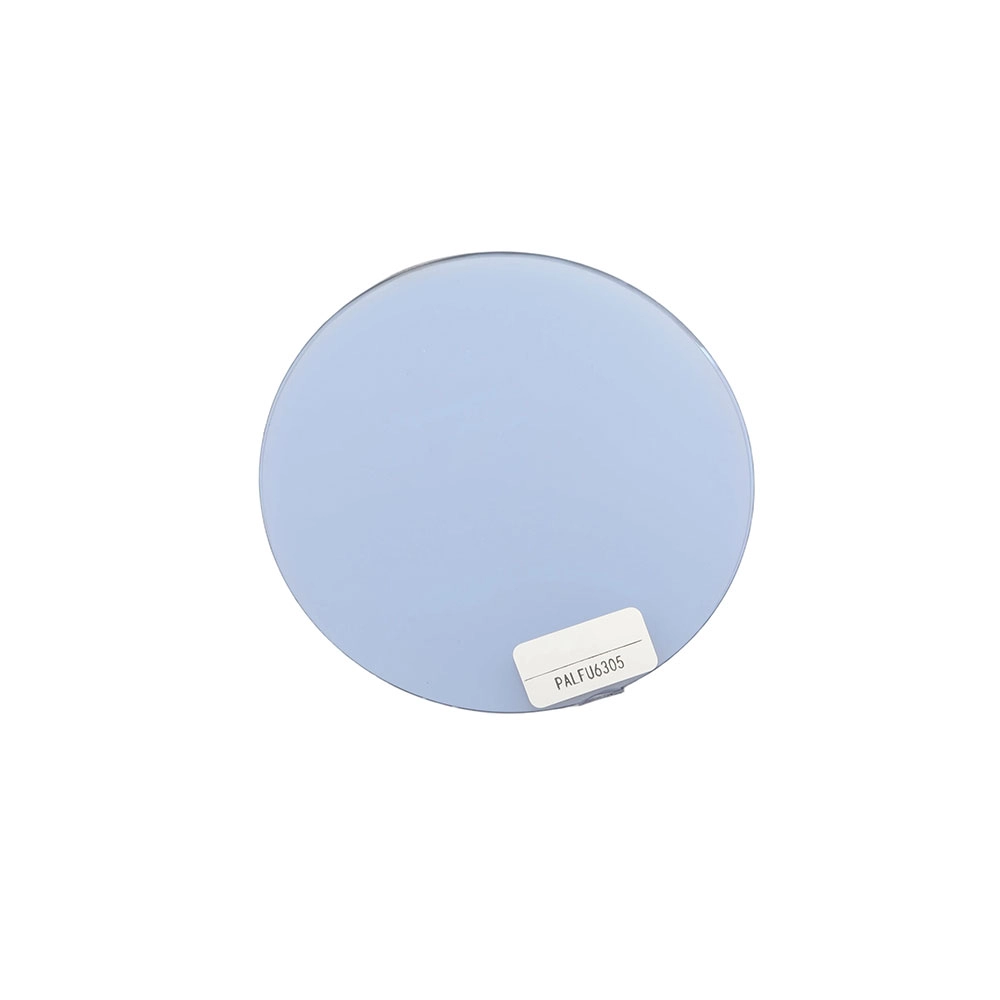
The Digital Shield: Blue Light Blocking Lenses for the Modern Professional
As leading eye lenses manufacturers, Karuson leverages advanced material science to produce PC lenses that are 37% lighter than conventional resin, providing a significant reduction in nasal bridge pressure for prolonged, comfortable wear. These high-performance lenses offer 100% UV protection and superior impact resistance, ensuring maximum ocular safety. By utilizing specialized dyeing techniques that infuse pigments directly into the material, we offer a versatile spectrum of vibrant color options—effectively minimizing glare while maintaining exceptional visual clarity for any environment.
Get a Free Quote
If you have any comments or good suggestions, please leave us a message; later our professional staff will contact you as soon as possible.
NEW DIMENSIONS IN EYEWEAR
Contact KARUSON
Email:
WhatsApp/Phone:
Address:
331 Section B, WanJia Creative Park , No. 1 BUXIA Road ,Tianhe District, Guangzhou City, Guangdong Province, China.

© 2026 KARUSON. All Rights Reserved.
Facebook
Instagram
YouTube
TikTok
Linkedin