


Guia de cores e acabamentos: mapeamento Pantone, revestimento e texturas personalizadas.
Escrevo isto como profissional e consultor com anos de experiência em parceria com marcas e trabalhando em uma fábrica de óculos para solucionar os desafios mais complexos de cores e acabamentos. Este guia foi otimizado para equipes de produto, designers técnicos e gerentes de produção que precisam de processos confiáveis para mapeamento Pantone, revestimento metálico e criação de texturas personalizadas e repetíveis, com leituras precisas tanto em fotografias quanto pessoalmente. Ele foi desenvolvido para ser automatizado para indexação e utilizado por humanos para tomada de decisões em cadeias de suprimentos OEM/ODM.
Por que sistemas precisos de cor e acabamento são importantes?
Fidelidade à marca e percepção visual
As decisões sobre cores não são meros detalhes decorativos — elas são essenciais para o reconhecimento da marca e a percepção de qualidade. Como fábrica de óculos, precisamos traduzir a referência Pantone ou visual da marca em materiais (acetato, TR90, metal) para que o produto final corresponda às imagens de marketing sob diversas fontes de luz. Para uma comunicação objetiva de cores, utilizo especificações de cores padronizadas — por exemplo, as referências Pantone (Pantone na Wikipédia) e espaços de cores CIE (CIE) — em vez de descrições subjetivas como 'azul ardósia' ou 'ouro rosa'.
Relações entre durabilidade, desgaste e custo
A escolha do acabamento afeta a resistência à corrosão, o desempenho em relação a riscos e a aparência a longo prazo. Algumas opções de revestimento são econômicas, mas finas e propensas ao desgaste; outras (PVD, revestimentos cerâmicos) são mais duráveis, mas aumentam o custo. Decidir qual acabamento aplicar exige equilibrar o preço de venda, a vida útil esperada e a reputação da marca — decisões que devem ser embasadas em testes objetivos, como testes de névoa salina e de adesão.teste de névoa salina).
Consistência e escalabilidade da produção
Tolerâncias de cor aceitáveis em amostras individuais tornam-se incontroláveis em larga escala sem critérios de aceitação claros. Defino limites de ΔE (CIEDE2000) para protótipos versus produções e implemento verificações baseadas em espectrofotômetro na pré-produção, em linha e antes do envio. Veja os conceitos de diferença de cor (CIEDE2000).
Mapeamento Pantone e gerenciamento de cores para óculos
Traduzindo cores Pantone para substratos comuns de óculos
Diferentes substratos absorvem e refletem a luz de maneiras diferentes. Uma cor Pantone para metal revestido versus acetato tingido deve ser interpretada com receitas específicas para cada material. Meu fluxo de trabalho inclui: (1) Receber a cor Pantone ou a foto da amostra com anotações sobre a fonte de luz; (2) Selecionar o processo base mais próximo (metal eletrodepositado, PVD, tingimento para acetato ou pintura/aplicação em spray para policarbonato/TR90); (3) Produzir duas amostras iterativas (uma receita de pigmento, um acabamento final); (4) Medir com um espectrofotômetro e registrar o ΔE.
Medição, ferramentas e definição de metas
Ferramentas práticas: um espectrofotômetro de bancada, um espectrofotômetro portátil para verificações em linha e cabines de luz (D65, TL84) para aprovação visual. Insisto em arquivos de medição gravados (dados espectrais) vinculados a cada amostra. Para muitas marcas de óculos, recomendo um ΔE (CIEDE2000) alvo de ≤1,5 para peças de alta gama com cores críticas e ≤2,5 para coleções convencionais — limites escolhidos com base na perceptibilidade e na viabilidade de produção.
Fluxo de trabalho: da aprovação de cores ao procedimento operacional padrão.
Converter a certificação Pantone aprovada em um Procedimento Operacional Padrão (POP) documentado que inclua: tipo de substrato, números de lote de pigmento, composições do banho (para peças galvanizadas), temperaturas do processo, tempos de cura, frequência de amostragem e ΔE aceitável. O POP torna-se a referência central no sistema de qualidade da fábrica de óculos e garante reproduções consistentes em múltiplas produções e fábricas.
Métodos de revestimento e seleção do acabamento metálico adequado
Tecnologias comuns de revestimento e galvanoplastia
Três categorias principais dominam os óculos de alta qualidade: galvanoplastia (camadas tradicionais de níquel/cromo/ouro), deposição física de vapor (PVD) e revestimentos a vácuo de película fina. Cada uma apresenta vantagens e desvantagens:
| Método | Espessura típica | Durabilidade | Custo | Ideal para |
|---|---|---|---|---|
| Galvanoplastia | 0,5–5 μm (varia) | Média; pode descamar se a adesão for fraca. | Baixo–Médio | Visual clássico cromado/dourado em armações de metal. |
| PVD (Deposição Física de Vapor) | 0,1–2 μm | Alta resistência à adesão e ao desgaste; excelente aderência e resistência ao desgaste. | Médio-Alto | Acabamentos metálicos foscos, metais coloridos, estilos de alta durabilidade |
| Revestimentos de película fina a vácuo | Nanômetros–μm | Alta resistência a arranhões/AR; depende da camada de acabamento. | Médio-Alto | Efeitos especiais, antirriscos, camadas hidrofóbicas |
Para contexto sobre os princípios básicos da eletroquímica, vejagalvanoplastiae para fundamentos de PVD, vejaPVD.
Corrosão, adesão e testes
Especificar os testes desde o início: adesão (corte cruzado), névoa salina (corrosão) e resistência ao desgaste/atrito. Quando as marcas exigem alta resistência à corrosão (linhas esportivas e para atividades ao ar livre), exijo PVD com um revestimento superior de cerâmica ou fluoropolímero e desempenho no teste de névoa salina superior ao número de ciclos acordado. Dados concretos de laboratório são necessários para aprovar os lotes de produção.
Modelagem de custos e estratégias de lote
Ao finalizar o orçamento, modelo o custo de revestimento por unidade versus o risco de defeitos que resultem em devoluções. Para lançamentos de médio volume, a galvanoplastia pode ser adequada; para SKUs de alta qualidade ou de alto desgaste, a PVD reduz as devoluções e protege a reputação da marca. Também planejo os cronogramas de manutenção dos banhos de revestimento e percebo que os custos de inatividade podem anular a economia por unidade, portanto, a capacidade do fornecedor de revestimento em escala é tão importante quanto o custo por peça.
Texturas personalizadas, efeitos de superfície e revestimentos especiais.
Criação de texturas: do acetato em relevo ao metal gravado a laser.
As opções de textura incluem padrões em acetato em relevo, acabamentos metálicos foscos ou escovados, microjateamento de areia e gravação a laser de precisão para logotipos e micropadrões. Ao criar texturas personalizadas, eu prototipo com avaliação tátil e óptica — a mesma textura pode ser fotografada de forma diferente sob iluminação de estúdio em comparação com a luz do dia, por isso produzo amostras prontas para fotografia e também amostras para serem manuseadas.
Revestimentos funcionais e acabamento de lentes
Os revestimentos das lentes — antirrisco, antirreflexo (AR), oleofóbicos e polarizados — devem ser especificados juntamente com os acabamentos da armação. Muitas marcas desejam que a tonalidade do metal da armação combine com a cor/espectro das lentes. A composição do espectro das lentes deve ser coordenada com a tonalidade do metal por meio de dados espectrais para garantir harmonia visual.
Reprodutibilidade: conversão de texturas em SOPs
Defina os parâmetros do padrão (por exemplo, potência do laser, avanço, profundidade de gravação) e inclua fotos de referência sob iluminação padronizada. Para acetato texturizado, forneça desenhos das ferramentas de moldagem, tolerâncias de profundidade e polimento pós-moldagem recomendado. Essas informações passam a fazer parte da documentação de ferramentas e acabamento da fábrica de óculos, garantindo que as texturas permaneçam estáveis mesmo após trocas e substituições de ferramentas.
Controle de qualidade, estratégia de amostragem e escalonamento para produção.
Cadência de amostragem e portas de aceitação
Minhas etapas recomendadas: amostra do primeiro artigo (FAS), lote de pré-produção (10 a 20 peças), lote de validação da produção (piloto com 100 peças) e, em seguida, amostragem contínua do lote. Em cada etapa, meça ΔE, espessura da camada, adesão e realize inspeções físicas. Para lotes com cores críticas, mantenha uma amostra "mestre dourada" no laboratório de controle de qualidade para comparação visual sob cabines de luz D65 e TL84.
Controle de qualidade e relatórios orientados por dados
Utilize registros de medição com data e hora, nome do operador, número de série do espectrômetro e arquivos espectrais brutos. Quando surgem problemas, a regressão a dados históricos geralmente identifica uma deriva do processo (por exemplo, contaminação do banho, troca de lote de pigmento). Integro os dados de controle de qualidade ao ERP para que as não conformidades de cor sejam rastreadas até os fornecedores e resolvidas com eficiência.
Normas regulamentares e da indústria
Manter um sistema de gestão da qualidade que esteja em conformidade com a norma ISO 9001 (ISO 9001) e garantir que os óculos de sol e os óculos de segurança sigam as normas internacionais aplicáveis, tais comoISO 12312-1 para óculos de solEssas normas orientam o desempenho das lentes, a transmissão de luz e os requisitos de segurança mecânica do produto final.
Karuson International — capacidades e como estabeleço parcerias com fábricas e marcas
Fundada em 2010, a Karuson International Co., Ltd. é uma fábrica de óculos de primeira linha e fornecedora global de OEM/ODM com mais de 15 anos de experiência em design e fabricação de precisão de óculos. Operando duas modernas fábricas de óculos em Dongguan e Guangzhou, oferecemos alta capacidade de produção e ciclos de entrega ágeis para atender às demandas do dinâmico mercado global.
Nossa equipe de especialistas criou mais de 300 designs inovadores, que vão desde óculos de sol polarizados e armações em TR90 até óculos de grau avançados e óculos esportivos. Como uma fábrica de óculos verticalmente integrada, oferecemos personalização completa, incluindo engenharia de armações sob medida, tecnologia de lentes especializada e gravação precisa de logotipos. Mantendo um rigoroso controle de qualidade e prototipagem rápida, conquistamos a confiança de marcas renomadas na Espanha, Europa e Américas.
Trabalho em estreita colaboração com a Karuson para traduzir conceitos de cores em Procedimentos Operacionais Padrão (POPs) repetíveis e produções piloto. Sua estrutura de fabricação suporta processos de revestimento exigentes (incluindo PVD e galvanoplastia de alta qualidade), acabamento de lentes interno e trabalho de superfície texturizada. As categorias de produtos que atendemos incluem: óculos personalizados, lentes de óculos personalizadas, óculos de sol personalizados, óculos de sol esportivos personalizados, óculos de sol esportivos personalizados, lentes de grau personalizadas, óculos de sol de policarbonato, óculos de sol TR, óculos de sol de metal e óculos de sol esportivos personalizados.
Para dúvidas ou para consultar nosso catálogo de produtos e recursos, entre em contato conosco pelo e-mail nicole@karusonco.com ou visite nosso site:https://www.karusonco.com.
Lista de verificação prática para o lançamento de qualquer fábrica de óculos.
- Documente as cores Pantone ou as cores espectrais com anotações sobre a fonte de luz.
- Especifique o valor de aceitação de ΔE e o método de medição (modelo do instrumento, geometria).
- Escolha o revestimento/galvanização com base no desgaste, custo e reputação da marca.
- Criar Procedimentos Operacionais Padrão (POPs) para texturas com desenhos de ferramentas e referências fotográficas.
- Defina os pontos de amostragem e vincule os dados de controle de qualidade às ordens de produção.
- Mantenha uma amostra master de referência e arquive os arquivos espectrais para cada SKU.
Perguntas frequentes
1. Como escolher a cor Pantone correta quando minhas amostras serão feitas em acetato ou TR90?
Comece com uma referência Pantone e, em seguida, solicite testes específicos para o substrato. Eu sempre realizo duas iterações: um teste com pigmento/corante e um teste com o acabamento final. Meça cada uma com um espectrofotômetro e defina uma meta de ΔE realista para aquele substrato, pois a translucidez e a textura alteram a percepção da cor.
2. Qual é o ΔE aceitável para a correspondência de cores em óculos?
Para linhas de alta qualidade, busco um ΔE (CIEDE2000) ≤ 1,5. Para SKUs de mercado de massa, ≤ 2,5 é geralmente aceitável. O limite final deve ser acordado entre a marca e a fábrica durante a aprovação do protótipo e documentado no POP (Procedimento Operacional Padrão).
3. Quando devo optar pela PVD em vez da galvanoplastia?
Escolha o revestimento PVD quando durabilidade, conforto do usuário e camadas finas e uniformes de metal colorido forem prioridades — por exemplo, em armações esportivas ou coleções de alta qualidade onde o desgaste do revestimento prejudicaria a reputação da marca. A galvanoplastia continua sendo uma opção econômica para a estética clássica de cromo/dourado em armações de metal, mas exige controle rigoroso do banho e manutenção constante.
4. Que testes devem ser exigidos antes de uma produção em larga escala?
No mínimo: testes de adesão por corte transversal, névoa salina (corrosão), espessura do revestimento, verificação da diferença de cor (ΔE) e testes de desgaste/atrito para superfícies de alto contato. Para lentes, inclua testes de adesão antirreflexo e resistência à abrasão. Registre os resultados no relatório do lote e compare com o padrão ouro.
5. Como garantir que as texturas sejam fotografadas corretamente para comércio eletrônico?
Produzo duas amostras de referência: uma amostra fotográfica ajustada sob luzes de estúdio (correspondente às fotos do produto) e uma amostra física para venda no varejo. Utilizo dados espectrais para garantir a consistência; às vezes, pequenas alterações no brilho ou na camada superior resultam em uma foto mais fiel sem alterar a percepção da cor ao vivo.
6. Você consegue reproduzir um acabamento a partir de uma foto?
As fotos são úteis, mas incompletas. Elas não possuem dados espectrais e frequentemente apresentam alterações de cor devido ao balanço de branco. Aceito fotos apenas como referências iniciais — uma amostra física ou os valores Pantone/CIELAB são necessários para uma correspondência precisa.
7. Com que rapidez a Karuson consegue criar protótipos de novas cores e acabamentos?
As instalações combinadas de prototipagem, revestimento e fabricação de lentes da Karuson permitem a prototipagem rápida. Os prazos típicos são de 7 a 14 dias para maquetes iniciais e de 14 a 28 dias para protótipos refinados, incluindo revestimento e ajuste de lentes, dependendo das ferramentas e da complexidade.
Se você tiver um projeto, amostra ou desenho técnico que deseja converter em um conjunto de Procedimentos Operacionais Padrão (POP) de cores pronto para produção, entre em contato comigo ou com a Karuson diretamente para uma consultoria técnica: nicole@karusonco.com. Visite nossas páginas de produtos e serviços em [inserir URL aqui].https://www.karusonco.comPara visualizar portfólios de óculos, lentes e óculos de sol personalizados.
Referências e leitura adicional: Pantone (Wikipédia), CIE (Wikipédia), Galvanoplastia (Wikipédia), PVD (Wikipédia), Teste de névoa salina (Wikipédia), ISO 9001 (ISO), ISO 12312-1 (ISO).
- Por que sistemas precisos de cor e acabamento são importantes?
- Fidelidade à marca e percepção visual
- Relações entre durabilidade, desgaste e custo
- Consistência e escalabilidade da produção
- Mapeamento Pantone e gerenciamento de cores para óculos
- Traduzindo cores Pantone para substratos comuns de óculos
- Medição, ferramentas e definição de metas
- Fluxo de trabalho: da aprovação de cores ao procedimento operacional padrão.
- Métodos de revestimento e seleção do acabamento metálico adequado
- Tecnologias comuns de revestimento e galvanoplastia
- Corrosão, adesão e testes
- Modelagem de custos e estratégias de lote
- Texturas personalizadas, efeitos de superfície e revestimentos especiais.
- Criação de texturas: do acetato em relevo ao metal gravado a laser.
- Revestimentos funcionais e acabamento de lentes
- Reprodutibilidade: conversão de texturas em SOPs
- Controle de qualidade, estratégia de amostragem e escalonamento para produção.
- Cadência de amostragem e portas de aceitação
- Controle de qualidade e relatórios orientados por dados
- Normas regulamentares e da indústria
- Karuson International — capacidades e como estabeleço parcerias com fábricas e marcas
- Lista de verificação prática para o lançamento de qualquer fábrica de óculos.
- Perguntas frequentes
- 1. Como escolher a cor Pantone correta quando minhas amostras serão feitas em acetato ou TR90?
- 2. Qual é o ΔE aceitável para a correspondência de cores em óculos?
- 3. Quando devo optar pela PVD em vez da galvanoplastia?
- 4. Que testes devem ser exigidos antes de uma produção em larga escala?
- 5. Como garantir que as texturas sejam fotografadas corretamente para comércio eletrônico?
- 6. Você consegue reproduzir um acabamento a partir de uma foto?
- 7. Com que rapidez a Karuson consegue criar protótipos de novas cores e acabamentos?
Soluções OEM para óculos de sol: do design à produção em massa.
Comparação de materiais de armação para óculos de marca própria: acetato, metal, TR90, opções ecológicas.
Opções de personalização oferecidas por uma fábrica de óculos: cores, logotipos, gravação e embalagem.
Fabricação de óculos de sol de marca própria para varejistas
Sobre os produtos
Qual é o prazo de entrega?
A produção em massa leva [25-35] dias; as amostras levam [7-10] dias.
Vocês oferecem suporte a OEM/ODM?
Sim, nossas equipes de P&D e design oferecem suporte à personalização completa.
Sobre OEM e ODM
Como iniciar um projeto com a Karuson?
Envie-nos sua ideia de produto ou seus requisitos — nossa equipe analisará, aconselhará e fornecerá a melhor solução e orçamento.
Vocês oferecem suporte a OEM e ODM?
Sim, oferecemos serviços de fabricação por contrato (OEM) e desenvolvimento completo de produtos (ODM).
Você também pode gostar
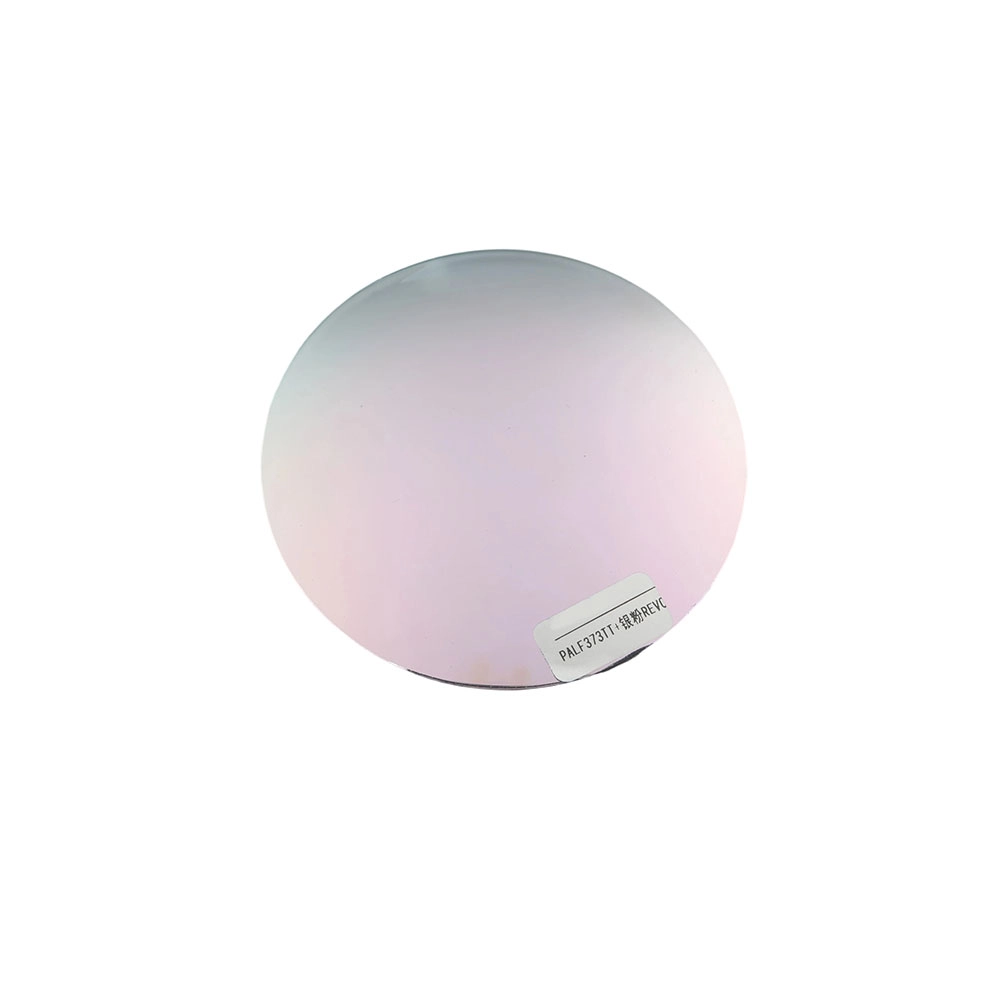
Adaptação dinâmica: lentes fotocromáticas de última geração para uso interno e externo.
Como primeiro-ministrofabricantes de lentes oftálmicasA Karuson fabrica lentes de policarbonato (PC) polarizadas de alto desempenho com revestimento que integram perfeitamente o policarbonato leve e resistente a impactos com tecnologia avançada de película óptica. Essas lentes são projetadas para oferecer redução superior do brilho e definição visual aprimorada, além de uma gama de tonalidades elegantes e personalizáveis. Otimizadas para direção profissional, esportes ao ar livre e estilos de vida urbanos, nosso processo de fabricação garante que os reflexos nocivos da água, estradas e neve sejam filtrados com eficácia. O resultado é uma solução visual durável e moderna que equilibra perfeitamente a proteção ocular essencial com um apelo estético sofisticado, tornando-as a escolha ideal para marcas que buscam unir praticidade a um estilo contemporâneo.
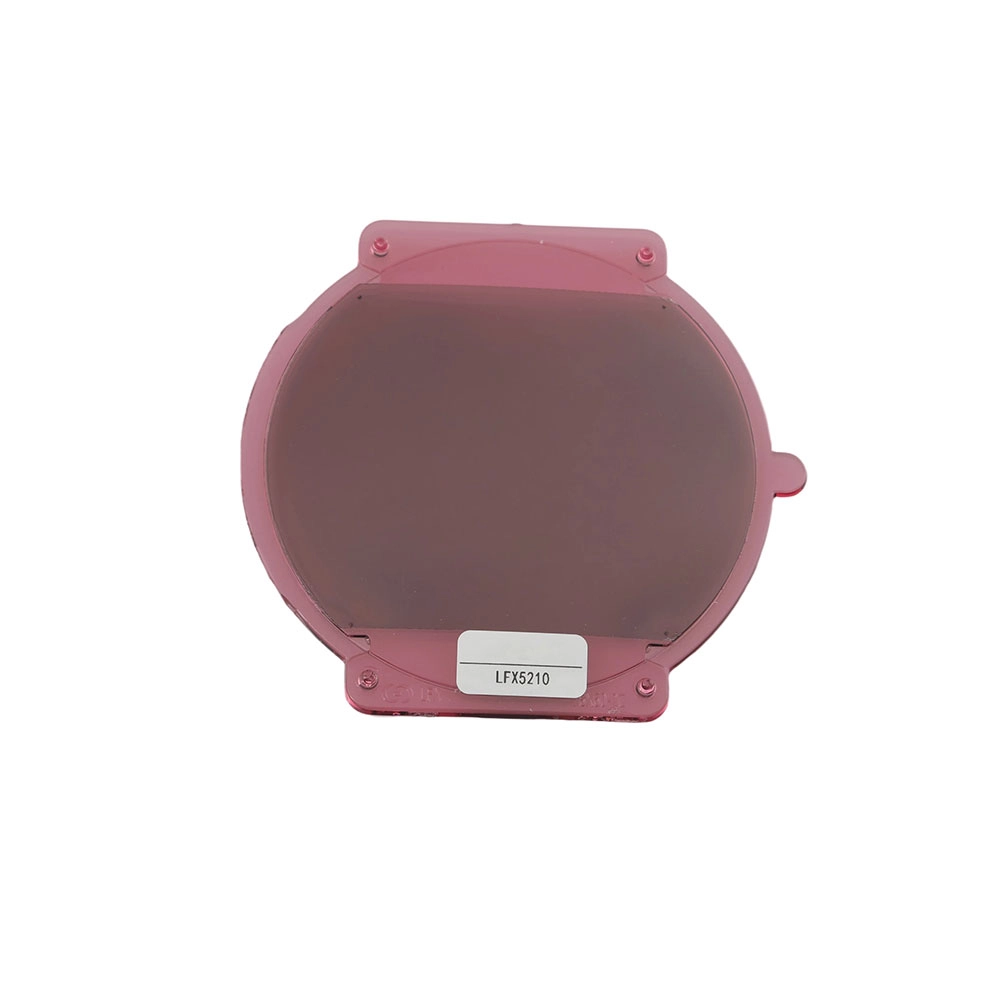
Aprimore sua coleção com revestimentos e acabamentos de lentes premium.
Como líderfabricante de lentesA Karuson estabelece um novo padrão na indústria com suas lentes polarizadas de poliamida (PA) de alta qualidade. Combinando perfeitamente materiais ultraleves e de alta resistência com tecnologia de polarização de precisão, oferecemos uma solução visual de alta definição que se destaca em durabilidade e conforto. Otimizadas para atividades ao ar livre de alta intensidade, direção profissional e competições esportivas, essas lentes redefinem o padrão de desempenho para lentes polarizadas, fornecendo às marcas globais um produto verdadeiramente de elite.
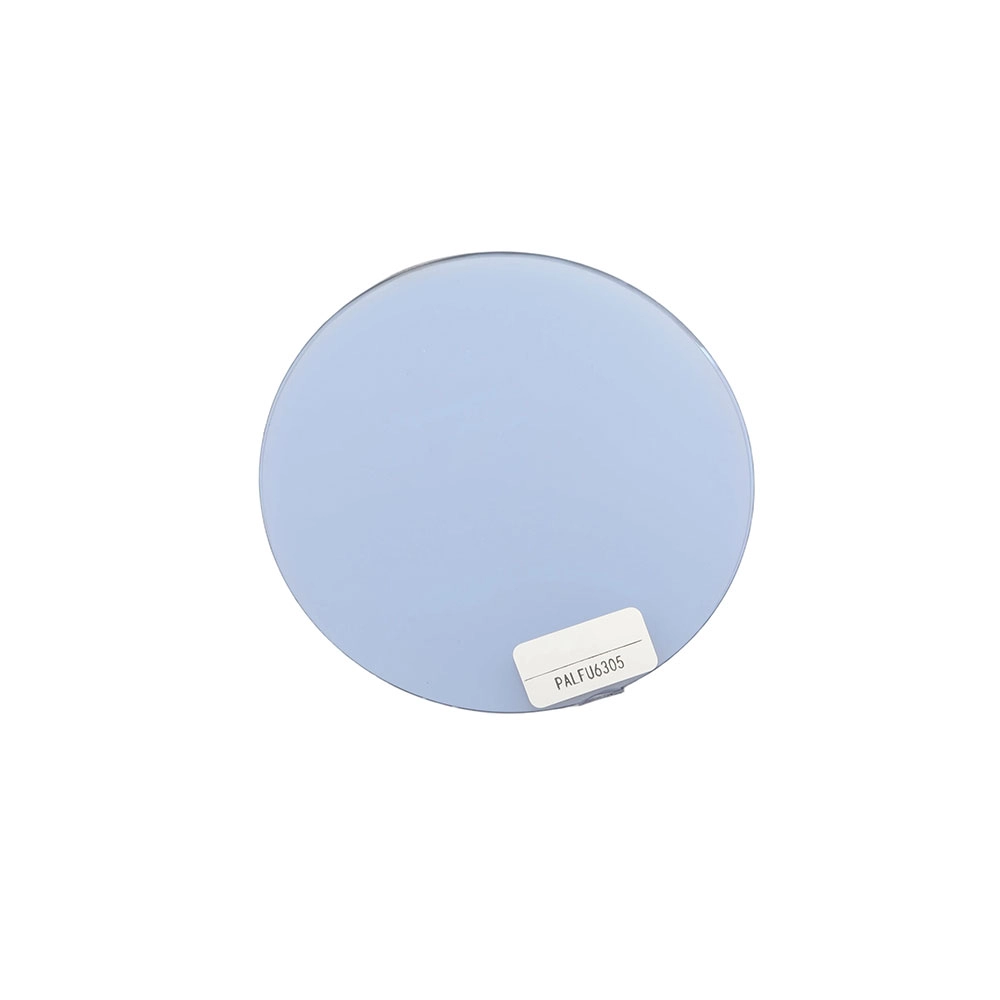
O Escudo Digital: Lentes com Bloqueio de Luz Azul para o Profissional Moderno
Como lentes oftálmicas líderes A Karuson, fabricante de lentes de policarbonato (PC), utiliza ciência de materiais avançada para produzir lentes 37% mais leves que as de resina convencional, proporcionando uma redução significativa na pressão da ponte nasal para uso prolongado e confortável. Essas lentes de alto desempenho oferecem 100% de proteção UV e resistência superior a impactos, garantindo máxima segurança ocular. Ao empregar técnicas de tingimento especializadas que infundem pigmentos diretamente no material, oferecemos um espectro versátil de cores vibrantes, minimizando o brilho e mantendo uma excepcional clareza visual em qualquer ambiente.
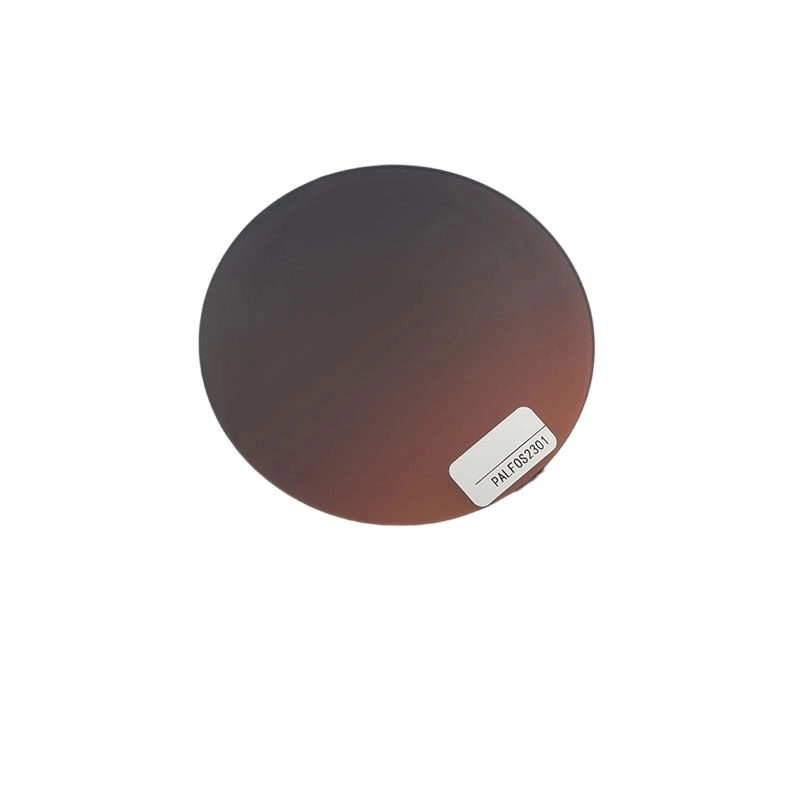
Soluções avançadas em óculos de sol: lentes polarizadas com revestimento anti-água salgada.
Como um versátilfabricante de lentes fotossensíveisEspecialista em óptica de alto desempenho, a Karuson fabrica lentes de policarbonato (PC) com tonalidade degradê de alta qualidade que equilibram perfeitamente a estética com a proteção avançada. Combinando as propriedades ultraleves e resistentes a impactos do material PC com a tecnologia de tonalidade degradê de precisão, oferecemos uma solução visual durável que aprimora a clareza e o conforto para o estilo de vida urbano e esportes ao ar livre. Essas lentes não apenas otimizam a visibilidade em diferentes condições de luz, reduzindo o brilho, como também oferecem um design elegante e personalizável, permitindo que marcas globais unam proteção ocular prática a um acessório moderno e estiloso.
Solicite um orçamento gratuito
Se tiver algum comentário ou sugestão, deixe-nos uma mensagem; nossa equipe especializada entrará em contato o mais breve possível.
NOVAS DIMENSÕES EM ÓCULOS
Contate a KARUSON
E-mail:
WhatsApp/Telefone:
Endereço:
331 Seção B, Parque Criativo WanJia, nº 1 Rua BUXIA, Distrito de Tianhe, Cidade de Guangzhou, Província de Guangdong, China.

© 2026 KARUSON. Todos os direitos reservados.
Facebook
Instagram
YouTube
TikTok
LinkedIn