


How Do Polarized vs Photochromic Lenses Compare for Rx Sunglasses?
- 1) Can very high prescriptions (for example >±8.00 D or high astigmatism) be reliably produced as polarized Rx sunglasses at factory tolerances without visible edge thickness or decoding errors?
- 2) How does adding photochromic chemistry affect adhesion and durability of AR, oleo- and hydrophobic coatings in mass production at an eyewear factory?
- 3) Why do some factory polarized Rx sunglasses show rainbow distortion, LCD interference, or uneven darkening, and how can suppliers prevent it?
- 4) Can an eyewear factory reliably produce polarized + photochromic Rx lenses (combo) at scale, and what are the trade-offs, costs, and QC steps?
- 5) How should I specify polarization axis, VLT, and tolerance bands for wrapped-frame Rx sunglasses so a factory produces consistent results across an order?
- 6) What are realistic lead times, MOQs, and QC checkpoints I should require when ordering Rx polarized or photochromic sunglasses from an eyewear factory?
- Concluding summary: Advantages of polarized vs photochromic lenses for Rx sunglasses (and when to choose each)
Eyewear Factory Guide — How Do Polarized vs Photochromic Lenses Compare for Rx Sunglasses?
When sourcing prescription sunglasses from an eyewear factory, buyers often face technical trade-offs between polarized and photochromic lenses. Below are six long-tail, buyer-focused questions that are commonly underanswered online, with detailed, factory-ready answers that reference real industry standards, manufacturing practices, and quality checkpoints (ISO 12312-1, UV400 protection, common lens indices, and QC procedures).
1) Can very high prescriptions (for example >±8.00 D or high astigmatism) be reliably produced as polarized Rx sunglasses at factory tolerances without visible edge thickness or decoding errors?
Short answer: Yes — but only if you plan tooling, lens index, and surfacing strategy up front; otherwise distortion, edge thickness, and decentration will degrade visual quality.
Factory considerations and actionable specs:- Lens index: Offer high-index materials (1.60, 1.67, 1.74) to reduce edge thickness for high minus and plus powers. Polycarbonate (≈1.59) is impact-resistant but thicker for high prescriptions.- Freeform (digital) surfacing: For prescriptions >±4.00 D or cylinder >2.00 D, specify back-surface freeform surfacing so the factory can optimize peripheral optics and minimize induced oblique astigmatism in wrap frames.- Polarizer integration: For polarized Rx, factories either cast/tint polarizing material or laminate a polarizing film to the finished lens. Lamination on very high-power lenses increases risk of edge seal issues and visible lamination lines unless trimmed and edge-sealed correctly.- Decentering & optical center: Provide exact frame datum (distance between optical center and geometric center) to the factory. Good factories hold decentering tolerances within ±0.5 mm for Rx sunglasses to avoid prism or unwanted reading demands.- Base curve & wrap: High-wrap frames (base curve 6–10) require special surfacing to avoid prism. Communicate frame wrap angle to factory; many factories can compensate by rotating the progressive/back-surface design.
Buyers should request a pre-production sample with their prescription and polarized configuration; examine edge thickness, center-to-center alignment, and subjectively check for swim/astigmatic distortion. Factories that do high-power polarized Rx orders will typically ask for higher MOQs or charge tooling/surfacing setup fees due to freeform programming.
2) How does adding photochromic chemistry affect adhesion and durability of AR, oleo- and hydrophobic coatings in mass production at an eyewear factory?
Short answer: Photochromic treatments change substrate chemistry and thermal sensitivity; factories must sequence coating/curing and verify adhesion under accelerated aging tests to ensure durability.
Manufacturing and QA points:- Substrate selection: Glass photochromics historically bond differently than organic (CR-39/polycarbonate/high-index) photochromic dyes. Many modern factories use organic/photochromic monomers embedded during lens casting or infused in the polymer matrix for durable performance.- Coating sequence: Typical high-quality process is: surfacing/polishing → photochromic activation/process (if surface-applied) → primer → anti-reflective (AR) coating → hardcoat → hydrophobic/oleophobic topcoat. AR coatings must be compatible with the photochromic chemistry and cured at temperatures that do not degrade the photochromic molecules.- Curing and temperatures: Photochromic dyes can be heat-sensitive. Factories that cure AR coatings in high-temp ovens use vendor-approved cure profiles. Ask the factory for the cure temperature profile and accelerated UV/thermal cycle test results.- Tests to demand: Cross-hatch adhesion per ISO/ASTM, salt spray (if metal frames involved), 10k-cycle abrasion for hydrophobic topcoats, and photochromic cycle testing (e.g., repeated darken/fade cycles) to validate longevity.
If coatings start delaminating, you will see edge lift or AR peel within months. Require sample testing and a written coating/process specification (e.g., primer brand, AR layers, and topcoat chemistry) and request lab certificates for adhesion and UV cycle tests.
3) Why do some factory polarized Rx sunglasses show rainbow distortion, LCD interference, or uneven darkening, and how can suppliers prevent it?
Issues explained and factory fixes:- Rainbow/iridescence: Typically arises from internal stress birefringence (common in molded lenses) or poor AR stack interference. Solutions: temper/anneal lenses to reduce internal stress; use stress-free grinding/polishing; choose an AR stack with controlled layer thickness, and verify under polarized light.- LCD / HUD interference: Polarized lenses filter light by axis and can make some LCD screens or head-up displays look dim or show color shifts. This is inherent to linear polarizers. Factory mitigation: offer circular polarizers for specific use cases (e.g., aviation), or ensure the polarization axis is matched to the most common use-case (drivers often prefer horizontal filter orientation).- Uneven photochromic darkening: Caused by inconsistent dye distribution or incompatible lens thickness/curing. Factories should provide process controls and batch testing for visible light transmission (VLT) across center and periphery.
Testing & specs to request:- View under polarized test card and cross-polarized light to check birefringence and AR artifacts.- Polarization axis verification (see next question for tolerances).- VLT mapping across lens surface to ensure even darkening and no peripheral under/over darkening problems.
4) Can an eyewear factory reliably produce polarized + photochromic Rx lenses (combo) at scale, and what are the trade-offs, costs, and QC steps?
Short answer: Combination polarized + photochromic Rx lenses are available, but they raise complexity: higher cost, more QC steps, and tighter supply-chain control are required.
How factories produce combo lenses (two common methods):- Laminated approach: A polarized film is laminated either between two substrates or to the front/back of a lens; photochromic treatment is applied to the lens surface or built into the substrate. Pros: flexible use of polarizer films; Cons: lamination adds thickness, potential delamination risk, and requires edge sealing.- Integrated matrix approach: Photochromic dyes are embedded in the polymer matrix and a polarizing pigment is added during casting or as a thin film. Pros: cleaner look and lower delamination risk; Cons: limited to certain suppliers and usually higher per-unit cost.
Trade-offs & cost drivers:- MOQ and tooling: Expect higher minimums and sample fees because manufacturing tolerances and lamination jigs are specialized.- Yield losses: Lamination and multi-step coating reduce yield; quality factories include extra sample runs and AQL windows to account for yield.- Pricing: Combo lenses can cost 2–4× more than a standard single-treated lens, depending on material choices and finish specs.
QC checklist for combo Rx sunglasses:- Polarization axis within ±1–2° (factory measurement).- VLT target met within agreed tolerance (±2–3%).- Adhesion and edge-seal testing for laminated components.- Photochromic cycle testing and UV stability certificates.- Optical clarity inspection for lamination bubbles, inclusions, or stress lines.
If you plan to sell High Quality Rx sunglasses with both features, ask the factory for performance data on sample sets that include real Rx powers, and demand third-party lab tests (transmittance, UV400, and polarization verification) if possible.
5) How should I specify polarization axis, VLT, and tolerance bands for wrapped-frame Rx sunglasses so a factory produces consistent results across an order?
Specification best practices (practical, factory-ready):- Polarization axis: Specify the polarization axis in degrees relative to the optical horizontal. For most outdoor driving/water use, the polarizer axis is horizontal (0°). Tolerance: request ±1–2° for High Quality orders; ±3° may be acceptable for lower-cost lines.- VLT (Visible Light Transmission): Decide target VLT by ISO sunglasses categories (ISO 12312-1): Category 2 (VLT 18–43%), Category 3 (8–18%), Category 4 (3–8%). For general-purpose sunglasses, Category 3 is common. Specify allowable manufacturing variance (±2–3%).- Decentering & optical center: Provide frame CAD and desired optical center location. Ask the factory for decentering tolerance (≤0.5 mm is a good standard) and resultant induced prism limits.- Wrap & base curve compensation: For base curves >4, require progressive/back-surface compensation to minimize oblique errors; include base curve and pantoscopic tilt in the spec sheet.
Measurement tools & acceptance criteria to require from supplier:- Polarimeter or spectrophotometer reading confirming polarization axis angle and extinction ratio.- Spectrophotometer measurement for VLT and spectral transmittance curve (to confirm UV400 compliance).- Sample approval run: 1–5 complete Rx pairs across low/medium/high powers before full production.
Well-specified orders with CAD frame files, lens blank part numbers, and explicit tolerances dramatically reduce aftermarket returns and optical complaints.
6) What are realistic lead times, MOQs, and QC checkpoints I should require when ordering Rx polarized or photochromic sunglasses from an eyewear factory?
Realistic planning figures (industry practice — confirm with supplier):- Lead times: Prototype/sample turnaround 7–21 days (depending on freeform surfacing and coatings). Production runs typically 4–10 weeks including surfacing, coating, assembly, and packaging; complex combos or custom molds may extend lead time to 10–14 weeks.- MOQs: Simple lens-only orders (stock tints) can have low MOQs (100–500 pairs). Custom freeform or combo polarized + photochromic Rx lenses commonly have higher MOQs (500–2,000 pairs) depending on the factory. Frame tooling/mold orders often have separate MOQs (500–2,000 pieces) because of injection-mold costs.- QC checkpoints to include in your purchase order: 1) Incoming raw materials inspection (lens blanks, polarizer film certificates). 2) In-process optical measurement after surfacing (power map, prism, and decentering). 3) Coating verification (adhesion and visual inspection). 4) Polarization and VLT batch verification (spectrophotometer/polarimeter samples every X units). 5) Final visual inspection and random optical bench tests per AQL (AQL 2.5/4.0 depending on product tier). 6) Shipment inspection including packaging verification and labeling (CE/ISO/lot traceability).
Ask for an explicit inspection plan in the contract, sample reports, and willingness to permit third-party lab testing. Insist on batch traceability so any future warranty claims can be traced back to raw-material lot numbers and process records.
Concluding summary: Advantages of polarized vs photochromic lenses for Rx sunglasses (and when to choose each)
Polarized lenses — advantages:- Superior glare reduction on horizontal reflective surfaces (driving, water, snow).- Consistent darkness independent of ambient UV; immediately effective outdoors.- Good for users who need consistent glare control and color perception clarity.
Photochromic lenses — advantages:- Adaptive tint that darkens with UV exposure—useful for users who move frequently between indoor and outdoor environments and want one pair for both.- Available in a range of substrates (CR-39, polycarbonate, high-index) and can offer UV400 protection.
Trade-offs to consider:- Polarizers can interfere with some displays and require careful axis control; photochromic lenses may not darken inside cars because windshields block some UV.- Combination polarized + photochromic lenses offer both benefits but cost more and require tighter factory QC (lamination, adhesion, VLT and polarization axis testing).
Practical procurement recommendations:- Define optical tolerances (polarization axis ±1–2°, VLT ±2–3%, decentering ≤0.5 mm) and include them in your PO.- Request lab certificates (VLT, UV400, polarization axis), pre-production samples in representative Rx powers, and a documented QC/inspection plan tied to AQL levels.- For high prescriptions or wrap frames, prioritize freeform/back-surface surfacing and higher-index materials to control edge thickness and distortion.
For a quote, pre-production sample, or to review our factory QC checklist and certification documents, contact us at www.karusonco.com or email nicole@karusonco.com. Our team can provide MOQ estimates, lead times, and sample testing plans matched to your Rx sunglass specification.
Why Sourcing from a China Eyewear Factory is the Strategic Choice for Global Brands
OEM vs. ODM: Which Partnership Model is Best for Your Eyewear Business?
2026 Eyewear Trend Forecast: Colors, Shapes, and Textures to Watch
About Products
What is the lead time?
Mass production takes [25-35]days; samples take [7-10] days.
Do you support OEM/ODM?
Yes, our R&D and design teams support full customization.
About OEM&ODM
How do we start a project with Karuson?
Send us your product idea or requirements—our team will review, advise, and provide the best solution and quotation.
Do you support OEM and ODM?
Yes—we offer both contract manufacturing (OEM) and full product development services (ODM).
What is your production lead time?
Mass production generally takes 30–45 days after sample approval.
You May Also Like
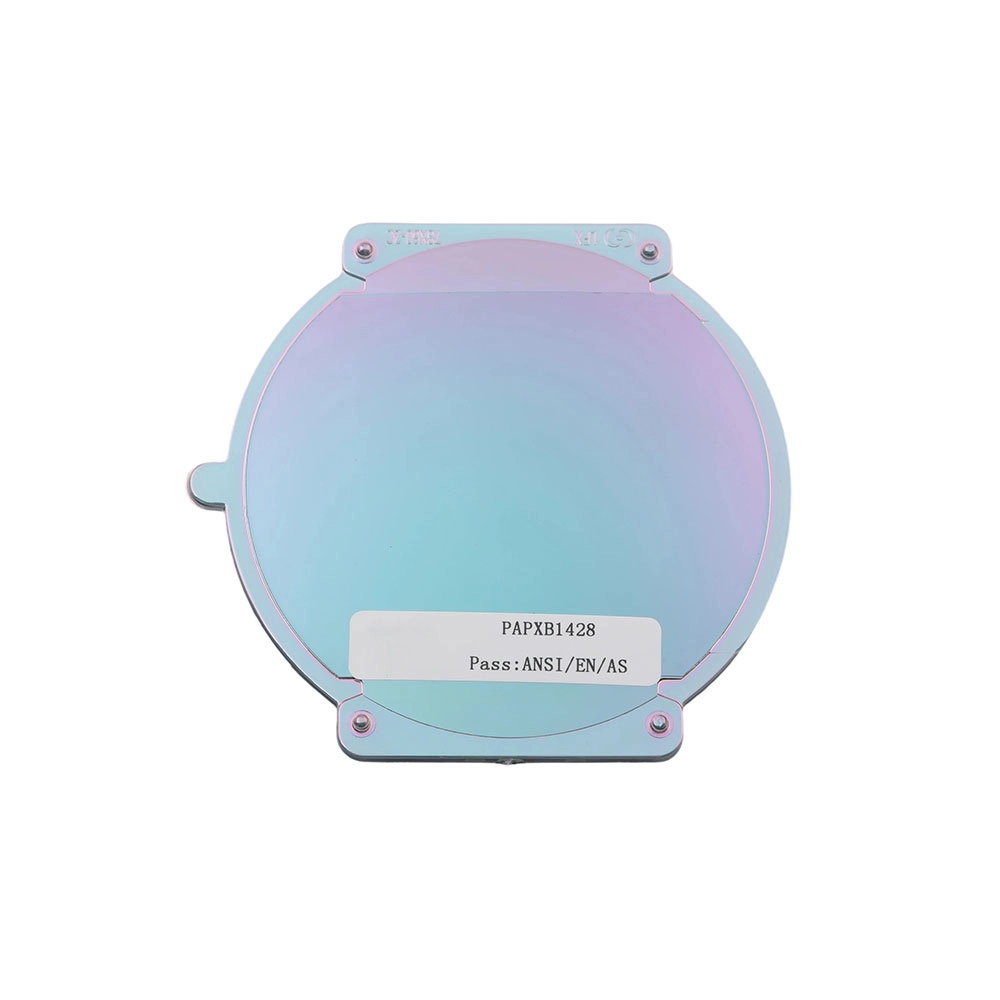
Innovative Lens Technologies: Setting Your Brand Apart in a Competitive Market
Setting a new standard in high-end lenses manufacturing, Karuson’s flagship-grade Polyamide (PA) Nylon polarized lenses seamlessly combine ultra-lightweight material with exceptional, high-toughness durability. By integrating precision polarizing technology, we have created a high-definition visual solution that excels in clarity and comfort for professional driving, outdoor adventures, and competitive sports. This innovation does more than meet expectations—it redefines the performance benchmark for professional polarized optics in the global market.
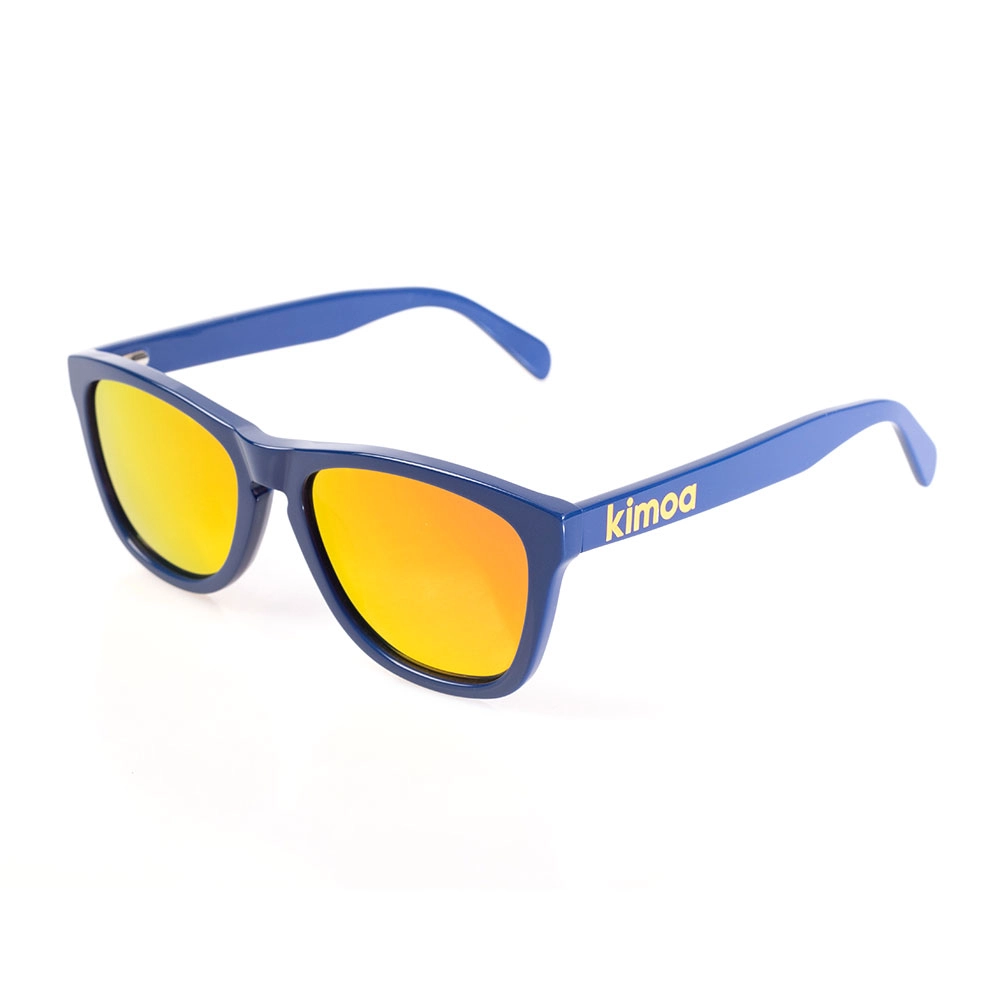
Trendy Blue Framework Sunglasses: Customizable Performance & Style
These eco-friendly bio-acetate sunglasses combine high-performance durability with sustainable innovation, making them the perfect centerpiece for your private label eyewear collection. Engineered for longevity, the frames offer superior impact and scratch resistance, while the UV400 lenses provide essential protection against harmful rays and glare. Available in a spectrum of vibrant, customizable colors, this collection allows eco-conscious brands to offer a premium, lightweight, and stylish choice that refuses to compromise on safety or aesthetics.
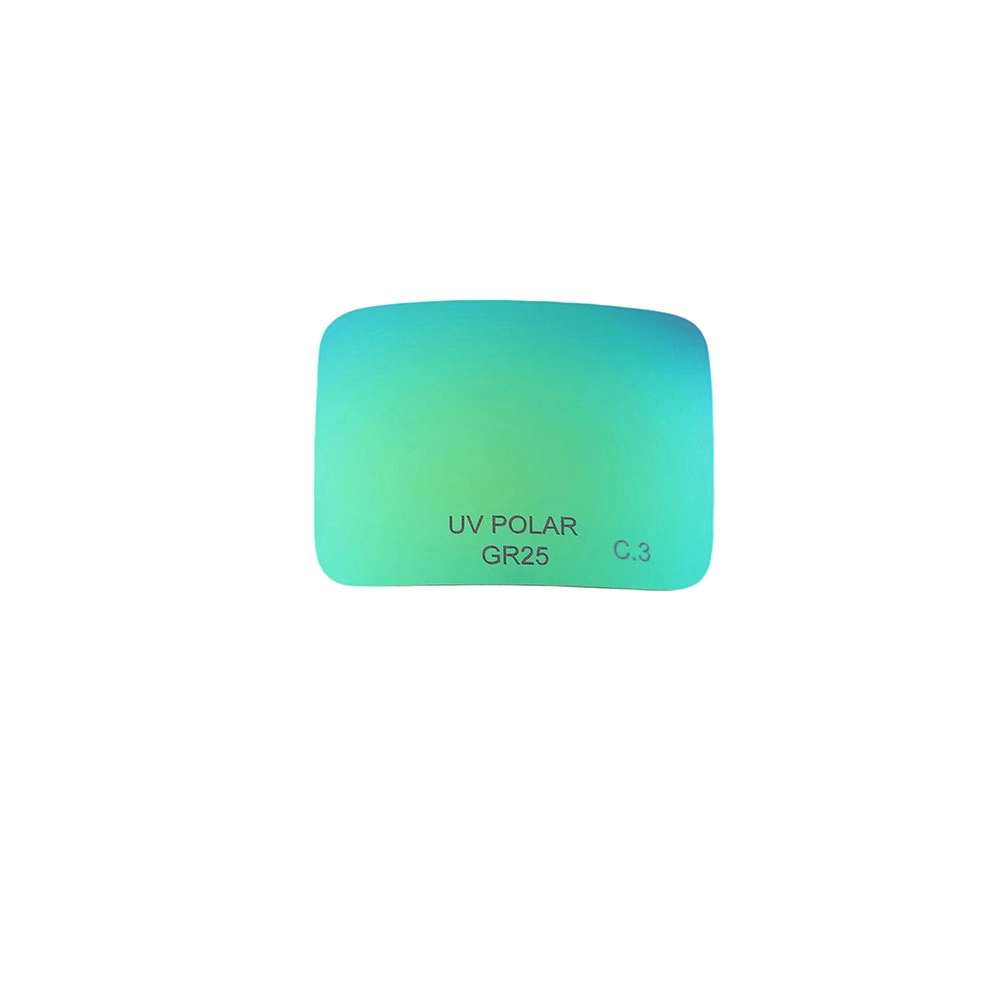
High-Definition Visual Clarity: Premium CR-39 & Polycarbonate Lenses
Experience the precision of a professional custom glasses lenses manufacturer. Karuson polarized lenses are engineered with a 99.9% high-polarization effect to provide unparalleled visual definition and glare reduction. By strategically absorbing reflected light through a high-stability PVA layer, our lenses are optimized for high-intensity outdoor environments, including maritime sailing, hunting, and alpine skiing. Furthermore, our specialized treatment ensures the lenses remain durable and distortion-free even in environments with high heat and humidity.
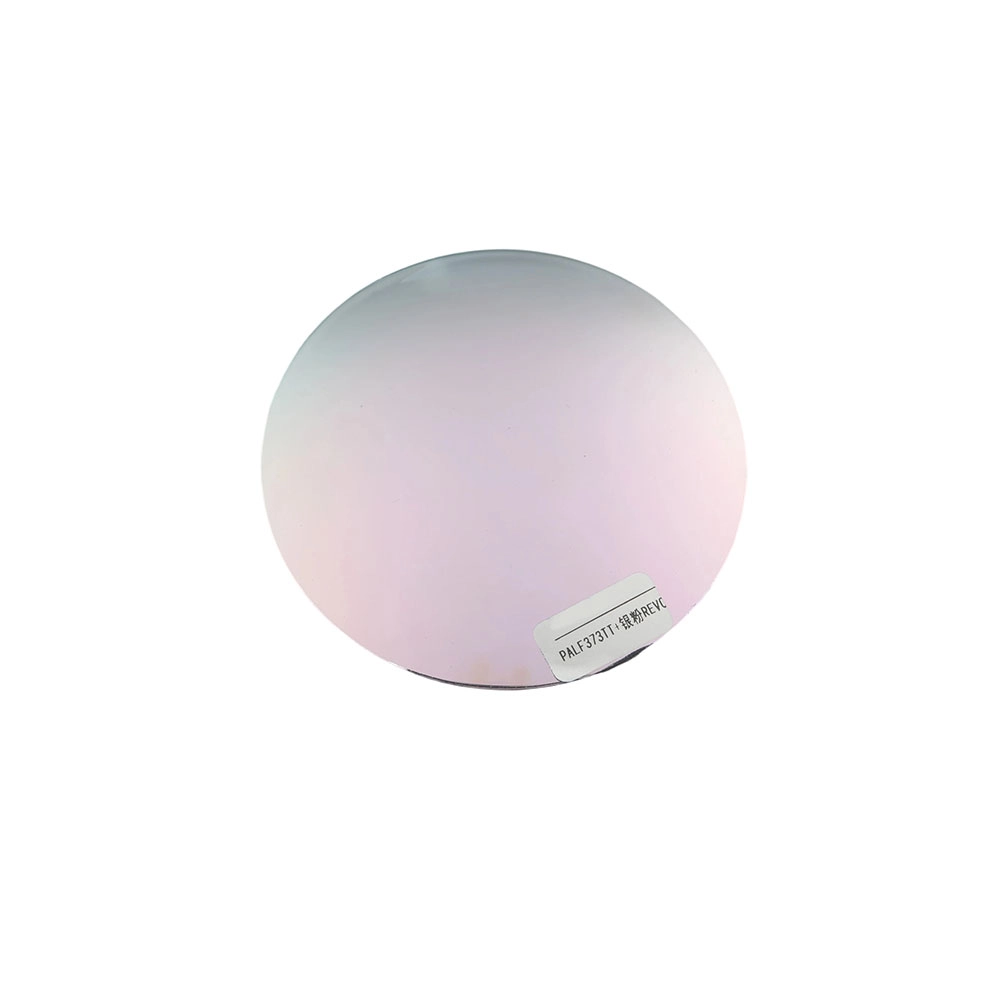
Dynamic Adaptation: Next-Gen Photochromic Lenses for Indoor & Outdoor Use
As premier eyeglass lenses manufacturers, Karuson crafts high-performance PC polarized coated lenses that seamlessly integrate lightweight, impact-resistant polycarbonate with advanced optical film technology. These lenses are engineered to achieve superior glare reduction and enhanced visual definition while offering a spectrum of stylish, customizable tints. Optimized for professional driving, outdoor sports, and urban lifestyles, our manufacturing process ensures that harmful reflections from water, roads, and snow are effectively filtered out. The result is a durable, fashion-forward visual solution that perfectly balances essential eye protection with high-end aesthetic appeal—making them the ideal choice for brands seeking to merge practicality with a modern fashion statement.
Get in touch with us
If you have any comments or good suggestions, please leave us a message; later our professional staff will contact you as soon as possible.
NEW DIMENSIONS IN EYEWEAR
Contact KARUSON
Email:
WhatsApp/Phone:
Address:
331 Section B, WanJia Creative Park , No. 1 BUXIA Road ,Tianhe District, Guangzhou City, Guangdong Province, China.

© 2026 KARUSON. All Rights Reserved.
Facebook
Instagram
YouTube
TikTok
Linkedin