


Why do lenses manufacturers use anti-scratch treatments?
- 1) How can I verify the real abrasion resistance of anti-scratch coatings from an eyewear factory before placing a volume order?
- 2) What specific coating technologies do eyewear factories use for polycarbonate vs CR-39 lenses, and how do they affect processing and yields?
- 3) Why do lenses manufacturers use anti-scratch treatments, and how long can I expect the effect to last in real-world use?
- 4) How do anti-scratch coatings interact with anti-reflective (AR), photochromic, and polarized treatments—what's the correct coating order and potential failure modes?
- 5) What quality control metrics and inspection protocols should I demand from an eyewear factory to ensure consistent anti-scratch performance across orders?
- 6) How do I balance cost versus durability when selecting anti-scratch treatments from an eyewear factory for private-label production?
- Conclusion: Advantages of choosing the right eyewear factory and anti-scratch strategy
Authoritative guidance from Karuson Co.'s eyewear factory team. This article answers 6 specific, buyer-focused questions about anti-scratch treatments, lens coatings, lens surfacing and quality controls that many online resources treat superficially. It embeds practical checks you can demand from lens manufacturers, test methods (e.g., Taber abrasion/ASTM D1044), and production implications for polycarbonate, CR-39 and AR/photochromic stacks.
1) How can I verify the real abrasion resistance of anti-scratch coatings from an eyewear factory before placing a volume order?
Why this matters: Buyers frequently receive marketing claims like “scratch-proof” or “military-grade hardcoat” without measurable evidence. Abrasion resistance is a quantifiable property and should be validated before you commit to production runs.
What to request and why:
- Independent test reports: Ask for recent, third-party lab reports that reference standard methods such as ASTM D1044 (Taber abrasion) for plastics and ISO methods used by local labs. These tests measure loss of transparency/haze after controlled abrasion cycles and provide objective numbers you can compare across suppliers.
- Supplier Certificates of Analysis (COA): For each batch, request COAs with lot numbers for the coating material and coated lenses. COAs should include test date, operator, and measured values (e.g., haze %, visual rating, adhesion test result).
- Sample panels and full lenses: Insist on production-process samples—not just off-line demo pieces. Process variables (curing oven profile, deposition equipment, handling) affect performance. Take full lenses through your intended use-case and cleaning protocols.
- Defined acceptance criteria: Provide or request objective acceptance thresholds before production: e.g., maximum acceptable haze increase after X Taber cycles, adhesion pass/fail per cross-cut, and maintained optical clarity measured with a spectrophotometer or haze meter.
- On-site audit/testing: If your order volume justifies it, perform an on-site audit of the coating line and witness a Taber test run. Alternatively, contract a local ISO/ASTM lab to test supplier-delivered samples.
How to interpret results in practice:
- Taber/ASTM D1044 results tell you how the lens will resist everyday micro-abrasions; compare both absolute results and change from baseline (haze delta).
- Adhesion testing (cross-hatch or tape) reveals likelihood of delamination, especially important for multi-layer stacks with AR or hydrophobic topcoats.
- Optical clarity and wavefront or power tolerance (per ISO 8980 for spectacle lenses) must remain within specs after abrasion testing.
2) What specific coating technologies do eyewear factories use for polycarbonate vs CR-39 lenses, and how do they affect processing and yields?
Why this matters: Polycarbonate and CR-39 have different substrate chemistries and thermal/mechanical properties. The wrong hardcoat or process will cause poor adhesion, warpage or high scrap rates.
Common coating technologies and implications:
- Sol-gel hardcoats (silica-based): Widely used for CR-39 and many plastics. They form a glass-like SiO2 layer that increases surface hardness and provides a good base for anti-reflective (AR) layers. Sol-gel typically requires controlled dipping or spin coating and thermal curing. Advantages: good optical clarity and adhesion on properly primed surfaces. Drawbacks: curing profiles can be long and may affect throughput.
- Plasma-enhanced chemical vapor deposition (PECVD) / CVD: Used for high-throughput, high-performance coatings, especially on polycarbonate. PECVD can deposit dense, hard coatings (including diamond-like carbon variants) at relatively low substrate temperatures. Advantages: excellent abrasion resistance and uniformity; disadvantages: higher equipment cost and more complex maintenance.
- Dip or flow-coating with UV or thermal cure topcoats: Lower cost lines often use UV-curable hardcoats that speed throughput. Good for mid-market lenses but may have lower lifecycle abrasion resistance than vacuum-deposited or sol-gel systems unless properly formulated.
- Adhesion/primer layers: Polycarbonate often needs a primer layer to improve bonding between the substrate and the hardcoat. Skipping or under-curing primer leads to delamination and high rejection rates.
Processing and yield considerations:
- Thermal sensitivity: Polycarbonate is more thermally sensitive than CR-39, so processes that require high-temperature cure can cause lens distortion or power shift unless carefully controlled.
- Stress and warpage: Aggressive curing cycles or mismatched layer elastic moduli can introduce stress layers that warp thinner lenses. QC requires monitoring of power tolerance post-coating (per ISO 8980).
- Yield drivers: Surface cleanliness, controlled environmental conditions (cleanroom or filtered air), and stable curing/curing lamp intensity are primary factors. Choose factories with documented yield rates for your lens type and coating stack.
3) Why do lenses manufacturers use anti-scratch treatments, and how long can I expect the effect to last in real-world use?
Why this matters: Buyers often assume anti-scratch coatings make lenses indestructible. Understanding what coatings do and realistic lifespan expectations reduces return rates and customer complaints.
Why manufacturers use them (technical reasons):
- Material hardness: Most optical plastics (polycarbonate, trivex, CR-39) are significantly softer than glass at the surface level. Everyday micro-particles (sand, dust) and abrasive cleaning can form micro-scratches that accumulate, increasing haze and reducing contrast.
- Surface energy and contamination: Many coatings also include hydrophobic/oleophobic layers to repel oils and reduce smearing, which indirectly reduces scratch risk because contaminants are less abrasive when easily removed.
- Brand durability and warranties: Anti-scratch + AR stacks reduce returns and increase perceived product quality—important for private-label brands and optical chains.
How long the effect lasts in real-world use:
- It depends on substrate, coating type, and user behavior. Proper hardcoats can substantially reduce visible micro-scratches for typical wear periods (months to years), but no coating is truly scratch-proof.
- Environmental factors: sandy environments, frequent cleaning with abrasive materials, or improper storage (loose in a bag with keys) will degrade coatings faster.
- Maintenance matters: Using recommended microfiber cloths and lens cleaners preserves coatings longer. Many factories back coatings with warranties—review the warranty scope and exclusions.
What to expect as a buyer: Request realistic, measured durability benchmarks (e.g., Taber cycles to a specified haze increase) rather than marketing terms. Align warranty periods and customer-care guidance with measured durability and expected end-user conditions.
4) How do anti-scratch coatings interact with anti-reflective (AR), photochromic, and polarized treatments—what's the correct coating order and potential failure modes?
Why this matters: Coating stacks are multilayer systems. Incorrect sequencing or incompatible chemistries can cause adhesion failure, coating clouding, color shifts, or optical distortion. These failures often appear only after a few months in the field.
Typical coating stack and reasoning:
- Substrate (polycarbonate/CR-39)
- Primer/adhesion layer (if required)
- Hardcoat (anti-scratch)
- Anti-reflective (AR) multilayer vacuum deposit
- Hydrophobic/oleophobic topcoat (water/oil repellant)
Notes on special features:
- Photochromic dyes: Some photochromic systems are integrated into the substrate (during polymerization) and are therefore compatible with standard coating stacks. Surface-applied photochromic layers or reactivated coatings require factory verification—compatibility with subsequent vacuum AR depositions is essential.
- Polarized lenses: Polarizing films are often laminated within lens blanks or applied as a film layer. Coating adhesion and edge-sealing must be carefully handled to prevent delamination between polarizer and coatings.
Common failure modes and how to prevent them:
- Delamination between AR and hardcoat: Use proven adhesion promotion steps; ensure AR deposition parameters (vacuum, temperature) do not stress the hardcoat.
- Clouding/whitening of hydrophobic topcoat: This can be caused by solvents or incompatible chemistries. Request cross-compatibility documentation and accelerated humidity/temperature testing.
- Edge chipping or peeling: Ensure proper edge-sealing post-coating and avoid mechanical trimming operations that cut the coating edge without resealing.
5) What quality control metrics and inspection protocols should I demand from an eyewear factory to ensure consistent anti-scratch performance across orders?
Why this matters: Without consistent QC, you’ll face variability between batches—good batches followed by a problematic run. That variability damages brand reputation and complicates warranty handling.
Minimum QC items to require:
- Incoming material certificates: Raw lens blanks and coating materials should come with supplier COAs and material lot numbers.
- Process control charts: Statistical process control (SPC) for critical parameters—curing temperature, coating thickness, vacuum deposition parameters, and Taber abrasion baseline results.
- Optical inspection per batch: Random sampling with haze measurement, transmittance spectrum (spectrophotometer), power tolerance (lensometer/wavefront), and visual inspection under standardized lighting (per ISO/ANSI visual quality protocols).
- Adhesion checks: Regular cross-cut/tape adhesion tests at a defined frequency per production run and after any equipment maintenance.
- Batch traceability: Maintain lot numbers from substrate through final packaging. In case of recall or complaint, trace and quarantine affected lots quickly.
- Environmental controls: Documented cleanroom class or particulate control measures around coating lines and curing ovens to minimize inclusions and particulate-induced scratches.
Reporting and dispute handling:
- Ask for a standard COA template that ships with each lot. It should include test metrics, operator, date, and pass/fail for each QC test.
- Agree to an on-site or third-party acceptance program for initial orders, and include clear rejection criteria and remedies in the purchase contract.
6) How do I balance cost versus durability when selecting anti-scratch treatments from an eyewear factory for private-label production?
Why this matters: Price pressure is real, but underinvesting in coatings increases returns and reduces lifetime value of customers. You need a pragmatic cost-quality strategy aligned to market positioning.
Cost drivers to evaluate:
- Coating technology: Vacuum-deposited AR + hardcoat stacks and PECVD systems carry higher CAPEX and per-lens cost but deliver better long-term durability and lower complaint rates.
- Process throughput: Faster UV-cure dip lines reduce per-unit time but may trade some abrasion performance. Consider customer expectations—mass-market sunglasses vs High Quality optical frames.
- Yield and rework costs: A cheaper coating that causes higher scrap or rework will often be more expensive in total cost of ownership (TCO).
- Warranty and logistics costs: Factor in expected returns, replacements, and customer-service handling when choosing coating spec.
Practical guidance for decision-making:
- Define target market and acceptable warranty: High Quality brands should opt for multi-layer AR + robust hardcoat + hydrophobic topcoat. Volume, price-sensitive lines can use good-quality single hardcoats with clear user-care instructions.
- Run A/B sample programs: Request identical lens blanks coated with different processes and run accelerated wear tests and consumer panel feedback. Use Taber abrasion, adhesion, and optical clarity as objective metrics.
- Negotiate pilot pricing and scaling discounts: Factories often amortize tooling and process setup into the first runs; negotiate prices that reflect sustained volumes and reduced supplier risk.
- Consider hybrid strategies: Offer tiered SKUs—standard lenses with basic hardcoat and a High Quality SKU with AR + High Quality hydrophobic topcoat. This maximizes market coverage without overpaying for every unit.
Bonus operational tip: include clear care instructions and marketing communication that sets end-user expectations—this reduces misuse-driven failures and preserves perceived product quality.
Conclusion: Advantages of choosing the right eyewear factory and anti-scratch strategy
Selecting an eyewear factory with proven lens coating technologies, rigorous QC (Taber abrasion/ASTM D1044 checks, adhesion testing, optical verification per ISO 8980) and transparent reporting delivers measurable benefits: fewer customer returns, consistent optical clarity, lower lifetime warranty costs, and stronger brand trust. Matching coating technology to substrate (polycarbonate vs CR-39), negotiating sample testing, and requiring batch traceability are practical steps that protect your margin and reputation.
As an experienced eyewear factory team at Karuson Co., we provide sample testing, independent lab reports, and documented QC protocols for private-label customers. Contact us at nicole@karusonco.com or visit www.karusonco.com to request a quote and production plan.
Why Sourcing from a China Eyewear Factory is the Strategic Choice for Global Brands
OEM vs. ODM: Which Partnership Model is Best for Your Eyewear Business?
2026 Eyewear Trend Forecast: Colors, Shapes, and Textures to Watch
About OEM&ODM
Do you support OEM and ODM?
Yes—we offer both contract manufacturing (OEM) and full product development services (ODM).
How do we start a project with Karuson?
Send us your product idea or requirements—our team will review, advise, and provide the best solution and quotation.
How long does it take to make samples?
Samples are typically completed within 7–15 working days if available molds are present.
Can you help with packaging and logo branding?
Absolutely—we provide branded packaging bags, boxes, logo applications, and display solutions.
About Products
Do you offer samples?
Yes, paid samples or refundable samples are available.
You May Also Like
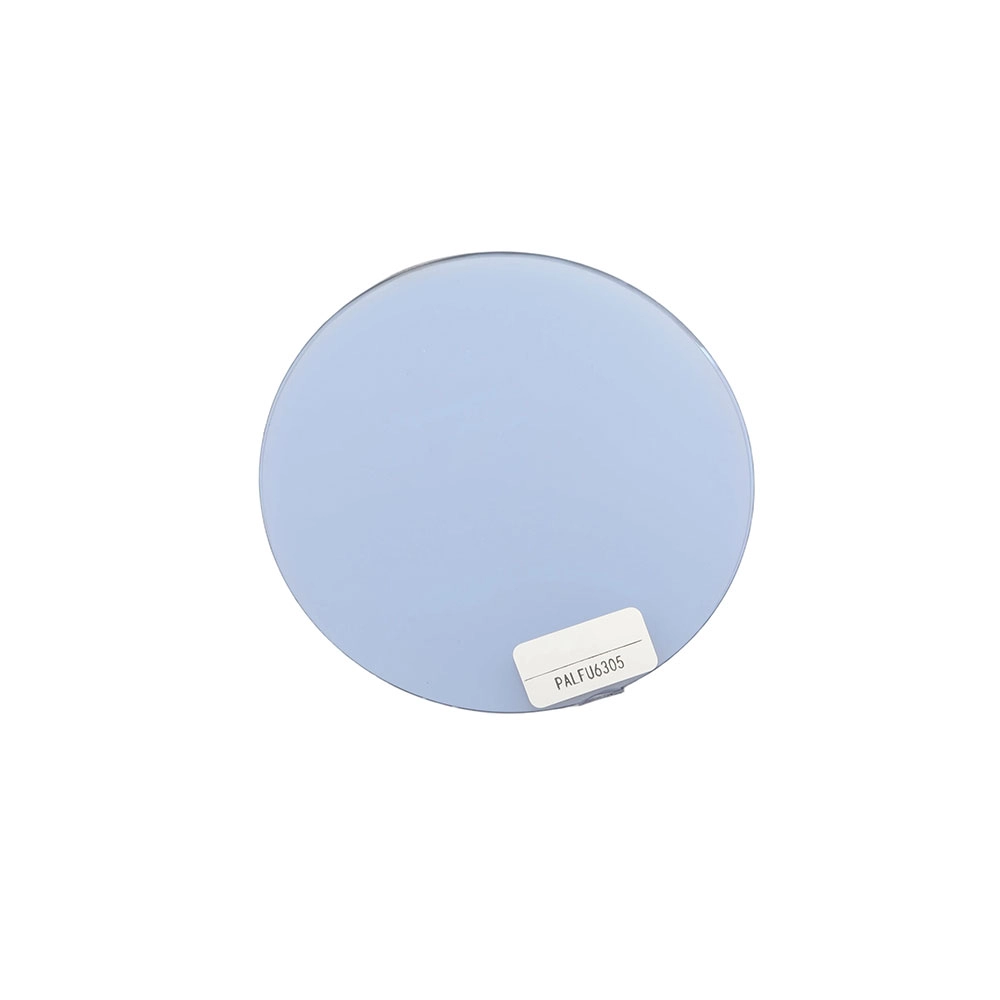
The Digital Shield: Blue Light Blocking Lenses for the Modern Professional
As leading eyeglass lens manufacturers, Karuson leverages advanced material science to produce PC lenses that are 37% lighter than conventional resin, providing a significant reduction in nasal bridge pressure for prolonged, comfortable wear. These high-performance lenses offer 100% UV protection and superior impact resistance, ensuring maximum ocular safety. By utilizing specialized dyeing techniques that infuse pigments directly into the material, we offer a versatile spectrum of vibrant color options—effectively minimizing glare while maintaining exceptional visual clarity for any environment.
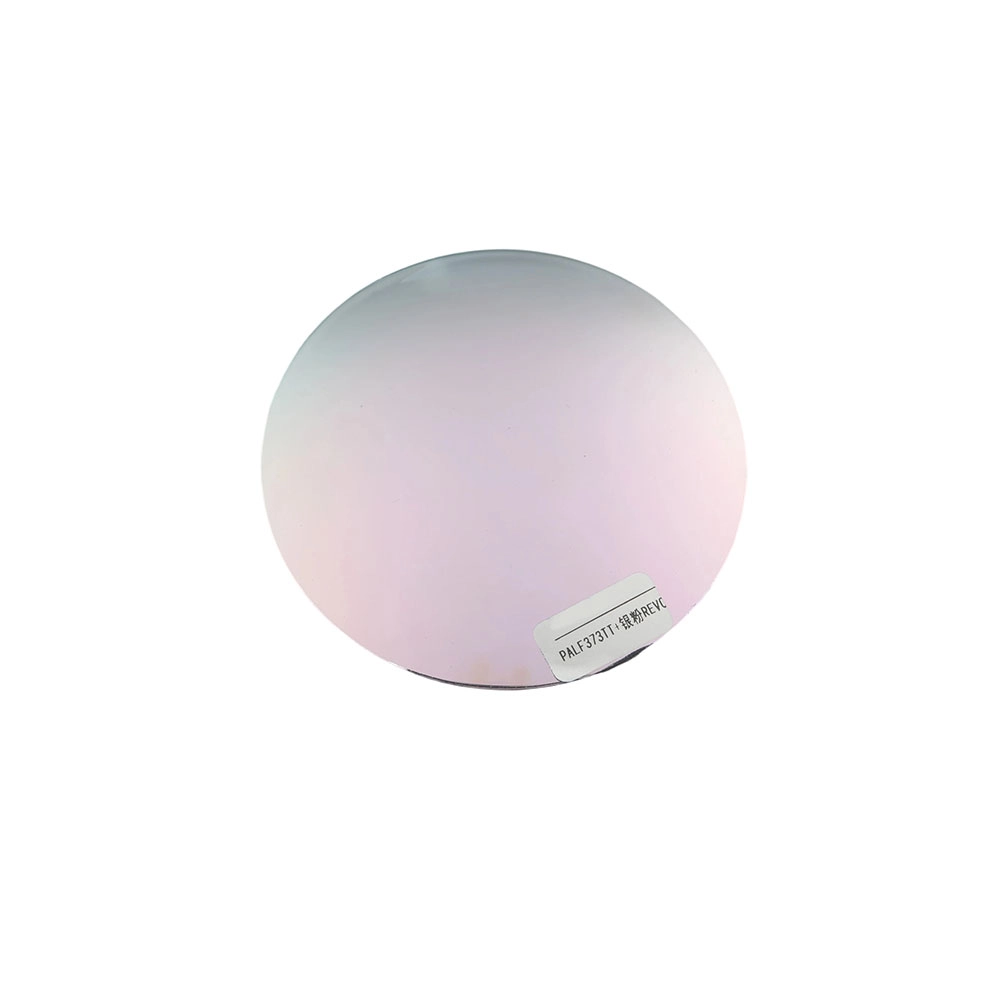
Dynamic Adaptation: Next-Gen Photochromic Lenses for Indoor & Outdoor Use
As premier eyeglass lenses manufacturers, Karuson crafts high-performance PC polarized coated lenses that seamlessly integrate lightweight, impact-resistant polycarbonate with advanced optical film technology. These lenses are engineered to achieve superior glare reduction and enhanced visual definition while offering a spectrum of stylish, customizable tints. Optimized for professional driving, outdoor sports, and urban lifestyles, our manufacturing process ensures that harmful reflections from water, roads, and snow are effectively filtered out. The result is a durable, fashion-forward visual solution that perfectly balances essential eye protection with high-end aesthetic appeal—making them the ideal choice for brands seeking to merge practicality with a modern fashion statement.
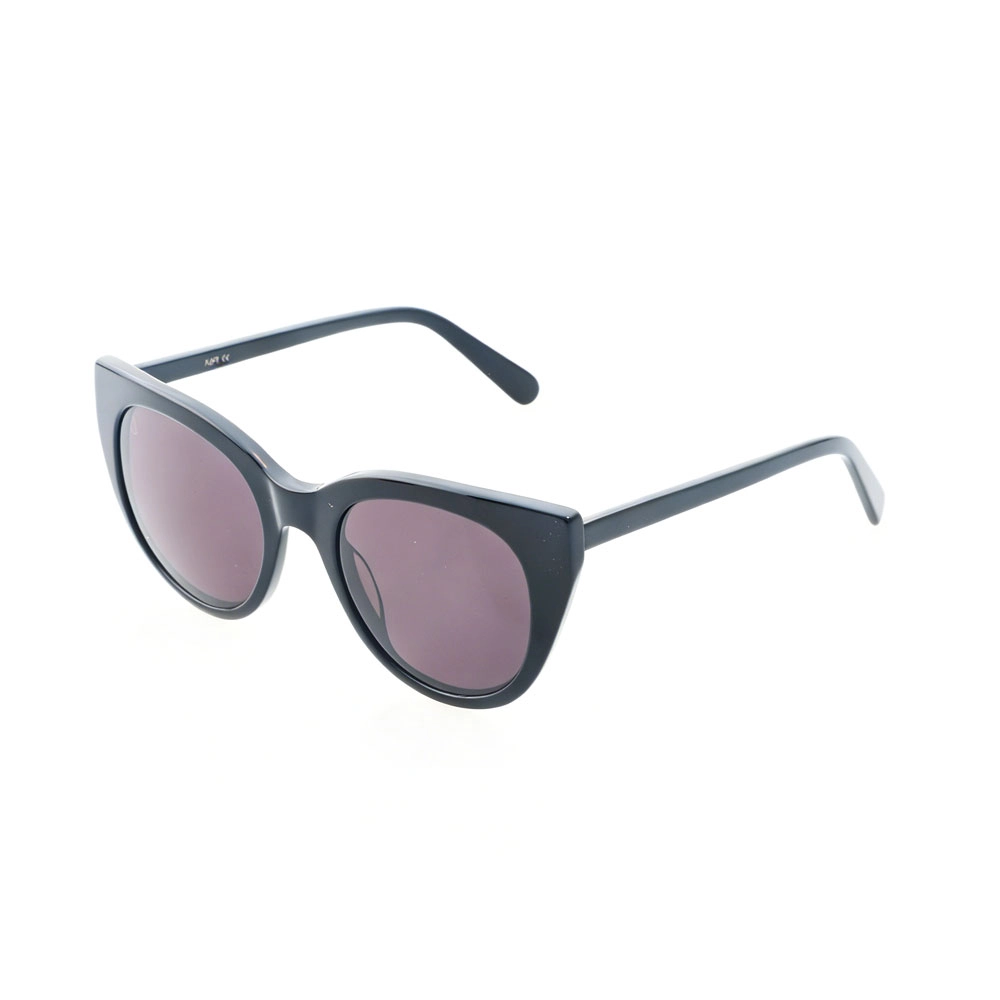
Elegant Retro Cat-Eye Sunglasses with TAC Polarized Lenses – Professional OEM Solutions by Karuson
Elevate your eyewear collection with a classic that never goes out of style. As leading sunglasses manufacturers, Karuson presents these Fashionable Cat-Eye Women's Sunglasses, engineered to blend retro charm with modern material science. Featuring a lightweight yet durable TR90 frame, these shades offer a sophisticated "winged" silhouette that provides a flattering, lifted look for various face shapes.
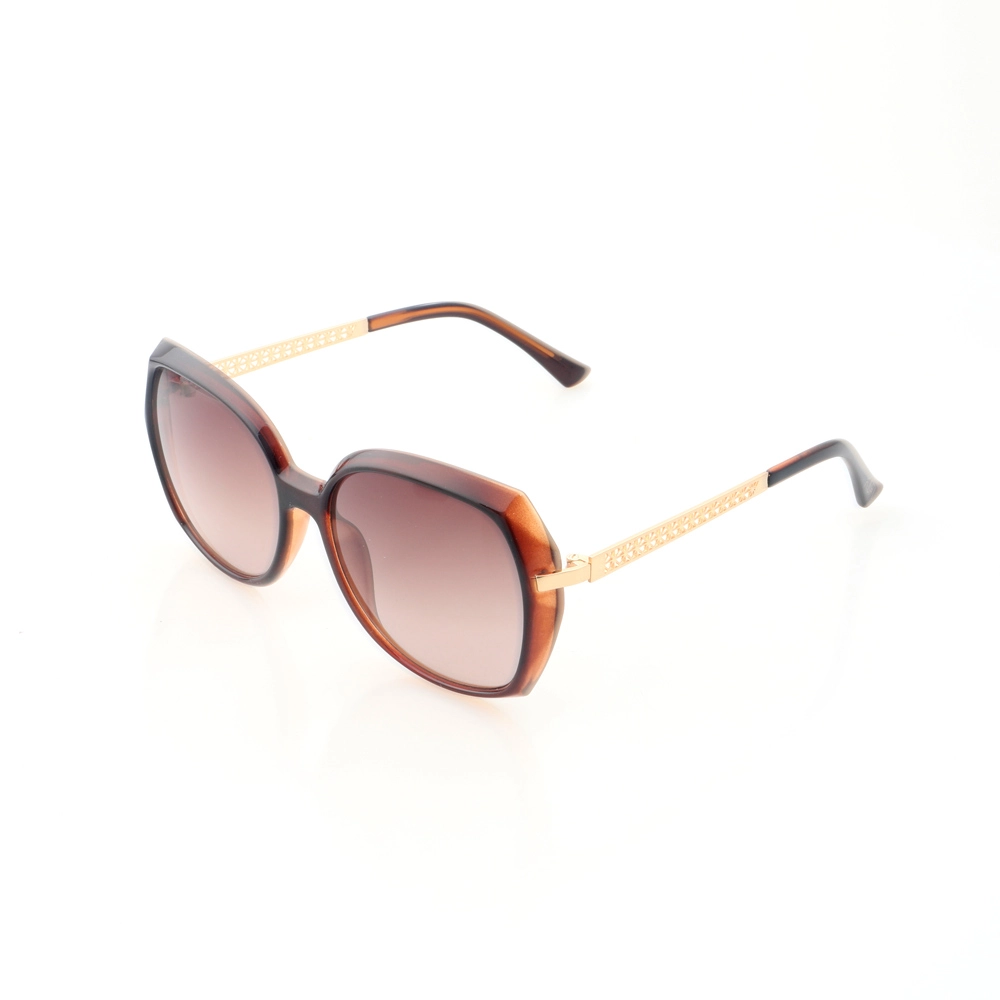
Chic Oversized TR90 Polarized Sunglasses for Women: High-Fashion Styles by Leading Sunglasses OEM
As a specialist sunglasses OEM, Karuson presents this flagship women's collection, designed to blend bold geometric silhouettes with effortless comfort. These sunglasses feature a premium TR90 frame front in a classic tortoise-shell finish, seamlessly integrated with intricate, gold-toned metal temples that add a touch of jewelry-like luxury to a functional accessory.
Get in touch with us
If you have any comments or good suggestions, please leave us a message; later our professional staff will contact you as soon as possible.
NEW DIMENSIONS IN EYEWEAR
Contact KARUSON
Email:
WhatsApp/Phone:
Address:
331 Section B, WanJia Creative Park , No. 1 BUXIA Road ,Tianhe District, Guangzhou City, Guangdong Province, China.

© 2026 KARUSON. All Rights Reserved.
Facebook
Instagram
YouTube
TikTok
Linkedin