



Why are some lenses manufacturers shifting to freeform surfacing?
- 1. How do freeform surfacing tolerances affect final prescription accuracy when ordering progressive lenses from an eyewear factory?
- 2. What hidden production costs should I expect when switching my optical lab orders to freeform progressive lenses from an eyewear factory?
- 3. How does the eyewear factory ensure frame-fit and pantoscopic tilt data are translated into freeform optimization for each patient?
- 4. What quality-control checks do eyewear factories use to verify back-surface optimization and coating adhesion on digitally surfaced lenses?
- 5. Can small independent labs match the optical performance of brand labs when using outsourced freeform surfacing at an eyewear factory?
- 6. How will lead times, rework rates, and warranty claims change if I move my prescription lens sourcing to a factory using freeform surfacing?
As optical manufacturers (Essilor, Hoya, ZEISS and others) increase adoption of digital surfacing, many buyers and small optical labs face practical questions that existing online answers treat superficially. The following six long-tail, buyer-focused questions dig into manufacturing practices at the eyewear factory level — digital surfacing, CNC lens generators, lens blanks, back-surface optimization, progressive lenses and coating workflows — and provide actionable, evidence-based answers useful when selecting a supplier or negotiating a transition.
1. How do freeform surfacing tolerances affect final prescription accuracy when ordering progressive lenses from an eyewear factory?
Why this matters: Progressive lenses demand precise centration, cylinder vector alignment and controlled peripheral optics. Freeform surfacing changes how tolerances are specified and measured compared with conventional molded or ground lenses.
Factory-level explanation: Freeform (digital) surfacing uses CAD/CAM to cut the lens surface to a designed optical map. That design includes the prescription, progressive corridor geometry, and wearer-specific parameters (monocular PD, fitting height, faceform/pantoscopic tilt). Because the optical surface is generated atomically by the CNC lens generator or diamond-turning lathe, the manufacturing tolerance shifts from bulk molding inconsistencies to machining and metrology tolerances: machine repeatability (microns), blocking accuracy, and index-blank flatness/quality.
What to check when you buy: demand documented tolerances for machine repeatability and final power verification. Practical specs to request from an eyewear factory include: documented centration/offset repeatability, surface form deviation (typically expressed in microns or wavefront error), and final power/prescription verification method (lensometer vs. automated power mapping). Confirm the factory performs zone-by-zone power mapping across the progressive surface, not only at a few test points. Ask whether they publish pass/fail criteria for progressive corridor width, distortion maps and prism drift. Reliable factories will provide digital power maps or simulated gaze maps for review.
How it affects patients: When tolerances and verification methods are robust, freeform progressive lenses deliver noticeably wider usable fields and fewer complaints about swim or edge distortion. Where factories rely on limited spot checks, the perceived advantage can be lost due to mis-centration, blocking errors or insufficient edge correction.
2. What hidden production costs should I expect when switching my optical lab orders to freeform progressive lenses from an eyewear factory?
Why this matters: The per-pair price is only part of landed cost. Buyers often overlook setup, reproving, rework, coating compatibility and inventory of lens blanks for different indexes and special materials.
Factory-level explanation: Main cost drivers beyond machining time are: tooling and software licensing for specific freeform designs, additional metrology and inspection steps (power mapping, interferometry), a broader inventory of high-index and high-curve blanks, and coating processes tailored to complex back-surface or whole-surface designs. Freeform jobs often require individualized blocking fixtures or automated blocking/centering verification, which raises initial setup costs. AR and hard coat processes may need modified blocking/unblocking sequences to preserve surface form and coating adhesion on highly contoured surfaces.
What to budget for and negotiate: ask the eyewear factory for a full cost breakdown (per-pair machining + blocking + coating + edging + QC + waste/rework allowance). Clarify whether pricing includes remakes within tolerance, and how warranty rework is handled. If you handle final edging in-house, confirm the factory's recommended blocking orientation and whether they supply blocking records to match your edging equipment. Also ask about minimum order quantities for specialty lens blanks and lead-time tiers (batch vs. rush). Expect modestly higher per-pair cost for fully personalized freeform progressives but substantially lower complaint rates if the factory's QC is mature.
3. How does the eyewear factory ensure frame-fit and pantoscopic tilt data are translated into freeform optimization for each patient?
Why this matters: The greatest optical benefit of freeform personalization is only realized when frame fitting parameters (faceform, pantoscopic tilt, vertex distance, fitting height) are accurately entered and used during the surfacing optimization.
Factory-level explanation: Established factories integrate dispensing parameters into the CAD design workflow. The factory should accept — and routinely validate — the following inputs: monocular PD, monocular fitting heights, frame wrap (faceform) or pantoscopic tilt, vertex distance, and the chosen corridor geometry. These parameters are then fed into the surface optimizer which recalculates local cylinder and oblique astigmatism corrections to reduce peripheral aberrations. This is not purely an “on/off” checkbox — it requires a traceable data flow from your dispensary capture system (digital pupilometers, 3D frame scans or manual measurements) into the factory’s order management system and ly into the surfacing CAM file.
What to confirm before partnering: demand the factory’s data schema and sample CAM outputs showing how dispensing parameters change the resulting surface. Ask whether they support direct machine-readable file formats from common dispensary devices (e.g., CSV from pupilometers, JSON from 3D scanners) and how they handle manual measurement errors (operator validation steps). A mature eyewear factory will provide training or documentation on measurement best-practices and will include fitting-parameter audit trails with each order.
4. What quality-control checks do eyewear factories use to verify back-surface optimization and coating adhesion on digitally surfaced lenses?
Why this matters: Digitally surfaced back surfaces and complex AR stacks impose different QC needs than conventional front-surface designs. Poor QC results in coating delamination, optical irregularities and customer returns.
Factory-level explanation: Typical QC chain for freeform lenses includes: incoming material inspection (blank flatness, refractive index verification, inclusion defects), in-process machine calibration checks (tool wear monitoring, spindle vibration analysis), post-surfacing metrology (contactless profilometer, interferometer or optical surface scanner), and final power mapping (automated lens mapper producing a 3D power map). For coating durability, the factory should perform adhesion and abrasion tests (cross-hatch adhesion, Taber abrasion or equivalent accelerated wear tests) and environmental stress tests (humidity, temperature cycling) on production batches and on sample lots whenever they switch blank materials or coating chemistries.
What to ask for: request the factory’s QC protocol, sample reports, and pass-fail thresholds. Confirm whether they keep traceable lot records linking blank batch, surfacing machine, tool ID and coating batch to each finished pair. This traceability is crucial when investigating warranty claims. If you require third-party verification, verify that the factory supports that sampling or will share raw metrology outputs.
5. Can small independent labs match the optical performance of brand labs when using outsourced freeform surfacing at an eyewear factory?
Why this matters: Independent labs want to maintain product quality and brand differentiation without investing millions in surfacing machinery and metrology systems.
Factory-level explanation: Many small labs can match or exceed brand-lab performance when they outsource to a high-quality eyewear factory that provides full digital workflows, pre-defined freeform designs, and robust QC. The determining factors are the factory’s experience with progressive optimization, the fidelity of data transfer (accurate PD/height/face-form), the availability of suitable lens blanks (index, high-curve blanks for wrap frames), and the lab’s ability to control final fitting (edging and frame assembly). Brand labs may have proprietary freeform optimizers and exclusive corridor geometries; however, independent labs can achieve comparable wearer satisfaction by selecting factories that offer multiple freeform design libraries, trial data for corridor behavior, and consultative support for fit-and-dispense best-practices.
How to evaluate suppliers: ask for A/B comparisons (same Rx and fit data across two designs), patient trial feedback metrics, returns and remake rates, and demo samples you can test under real-world dispensing conditions. Insist on factory willingness to tune designs and produce small pilot runs so you can validate wearer comfort before scaling orders.
6. How will lead times, rework rates, and warranty claims change if I move my prescription lens sourcing to a factory using freeform surfacing?
Why this matters: Operational KPIs shift when moving to freeform production because more individualized data and tighter QC are involved.
Factory-level explanation: Lead times depend on the factory’s throughput and inventory of compatible lens blanks. A mature freeform eyewear factory typically has separate production lanes for standard single-vision orders and personalized freeform progressives. Expect slightly longer standard lead times for highly personalized freeform jobs if the factory needs to pull specialized blanks or perform extra metrology. However, if the factory has robust logistics and local stocking, lead times can be equal to conventional surfacing. Rework rates should fall if the factory enforces strict data validation and power-mapping QC. Conversely, rework spikes are common in early run-in phases if dispensary measurement quality is low; errors in fitting height, PD or frame wrap translate directly into sub-optimal freeform outputs.
What to do operationally: build a pilot program: send a limited run, monitor rework and remake statistics, collect patient satisfaction data, and review QC reports. Negotiate clear warranty terms (what constitutes remake vs. user fit issue), define turnaround time SLAs for remakes, and ensure the factory provides detailed remakes with root-cause analysis so you can correct upstream measurement or handling problems. Well-implemented, freeform sourcing typically reduces long-term warranty claims because lens optics are tailored to the wearer, but it requires disciplined fit-data capture and initial alignment between dispensary and factory workflows.
Standards and sources: The practical guidance above is consistent with manufacturer whitepapers and production practices published by leading lens companies and optical-industry analysts. For buyer due diligence, consult manufacturer technical notes (Essilor, Hoya, ZEISS), trade organization guidance (The Vision Council), and digital-surfacing equipment vendors for machine capability specifications.
Contact: For a tailored quote, demonstration samples, or to discuss a pilot program with our eyewear factory, contact www.karusonco.com or email nicole@karusonco.com.
Concluding summary — Advantages of freeform surfacing for buyers: Freeform surfacing, when paired with disciplined dispensing data capture and a factory that uses robust digital surfacing, metrology and coating processes, delivers measurable advantages: better peripheral optics and wider usable fields on progressive lenses, lower long-term remake rates, support for high-wrap or specialty frames through back-surface optimization, and the ability to offer truly personalized prescription lenses. The buyer’s responsibility is to verify the factory’s tolerance documentation, QC reports and data integration processes so the theoretical benefits translate into fewer customer complaints and stronger clinical outcomes.
Why Sourcing from a China Eyewear Factory is the Strategic Choice for Global Brands
OEM vs. ODM: Which Partnership Model is Best for Your Eyewear Business?
2026 Eyewear Trend Forecast: Colors, Shapes, and Textures to Watch
About OEM&ODM
How do we start a project with Karuson?
Send us your product idea or requirements—our team will review, advise, and provide the best solution and quotation.
Can you help with packaging and logo branding?
Absolutely—we provide branded packaging bags, boxes, logo applications, and display solutions.
How long does it take to make samples?
Samples are typically completed within 7–15 working days if available molds are present.
About Products
What is the MOQ?
Usually ≥100, depending on the model.
What is the lead time?
Mass production takes [25-35]days; samples take [7-10] days.
You May Also Like
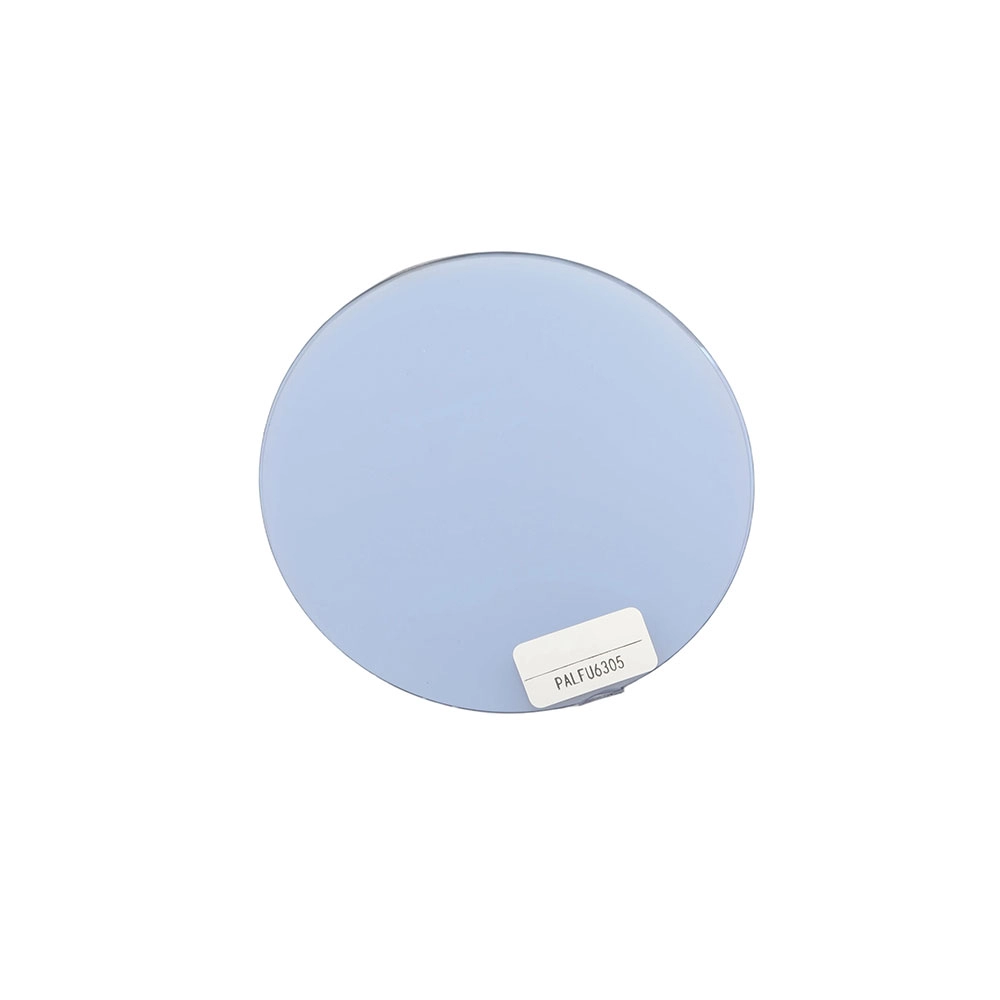
The Digital Shield: Blue Light Blocking Lenses for the Modern Professional
As leading eyeglass lens manufacturers, Karuson leverages advanced material science to produce PC lenses that are 37% lighter than conventional resin, providing a significant reduction in nasal bridge pressure for prolonged, comfortable wear. These high-performance lenses offer 100% UV protection and superior impact resistance, ensuring maximum ocular safety. By utilizing specialized dyeing techniques that infuse pigments directly into the material, we offer a versatile spectrum of vibrant color options—effectively minimizing glare while maintaining exceptional visual clarity for any environment.
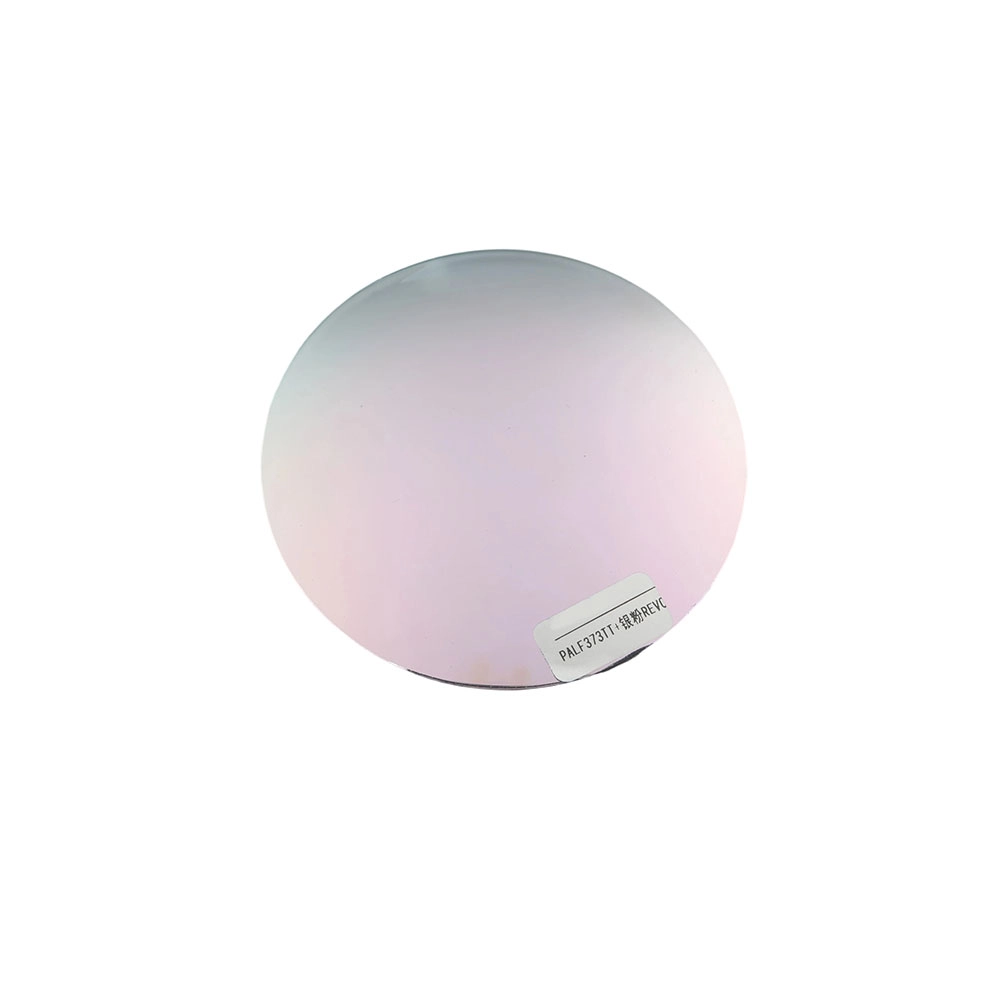
Dynamic Adaptation: Next-Gen Photochromic Lenses for Indoor & Outdoor Use
As premier eyeglass lenses manufacturers, Karuson crafts high-performance PC polarized coated lenses that seamlessly integrate lightweight, impact-resistant polycarbonate with advanced optical film technology. These lenses are engineered to achieve superior glare reduction and enhanced visual definition while offering a spectrum of stylish, customizable tints. Optimized for professional driving, outdoor sports, and urban lifestyles, our manufacturing process ensures that harmful reflections from water, roads, and snow are effectively filtered out. The result is a durable, fashion-forward visual solution that perfectly balances essential eye protection with high-end aesthetic appeal—making them the ideal choice for brands seeking to merge practicality with a modern fashion statement.
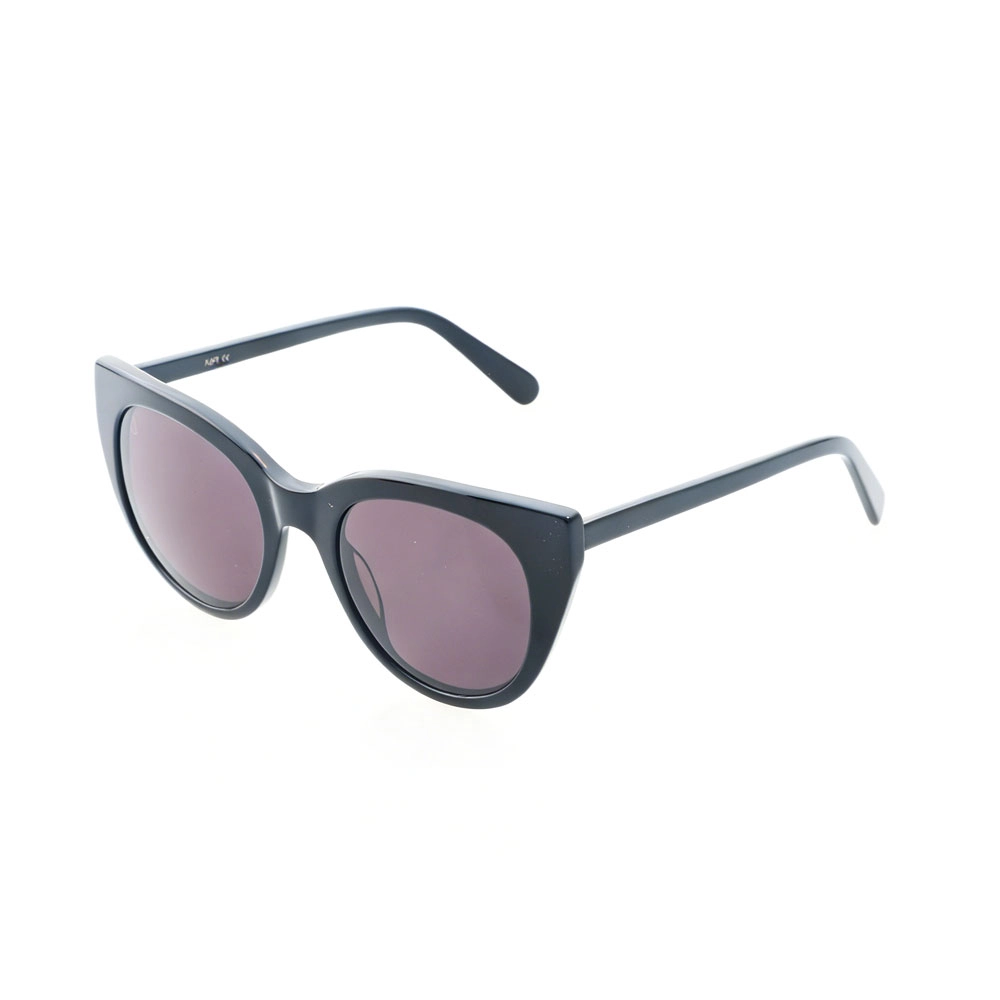
Elegant Retro Cat-Eye Sunglasses with TAC Polarized Lenses – Professional OEM Solutions by Karuson
Elevate your eyewear collection with a classic that never goes out of style. As leading sunglasses manufacturers, Karuson presents these Fashionable Cat-Eye Women's Sunglasses, engineered to blend retro charm with modern material science. Featuring a lightweight yet durable TR90 frame, these shades offer a sophisticated "winged" silhouette that provides a flattering, lifted look for various face shapes.
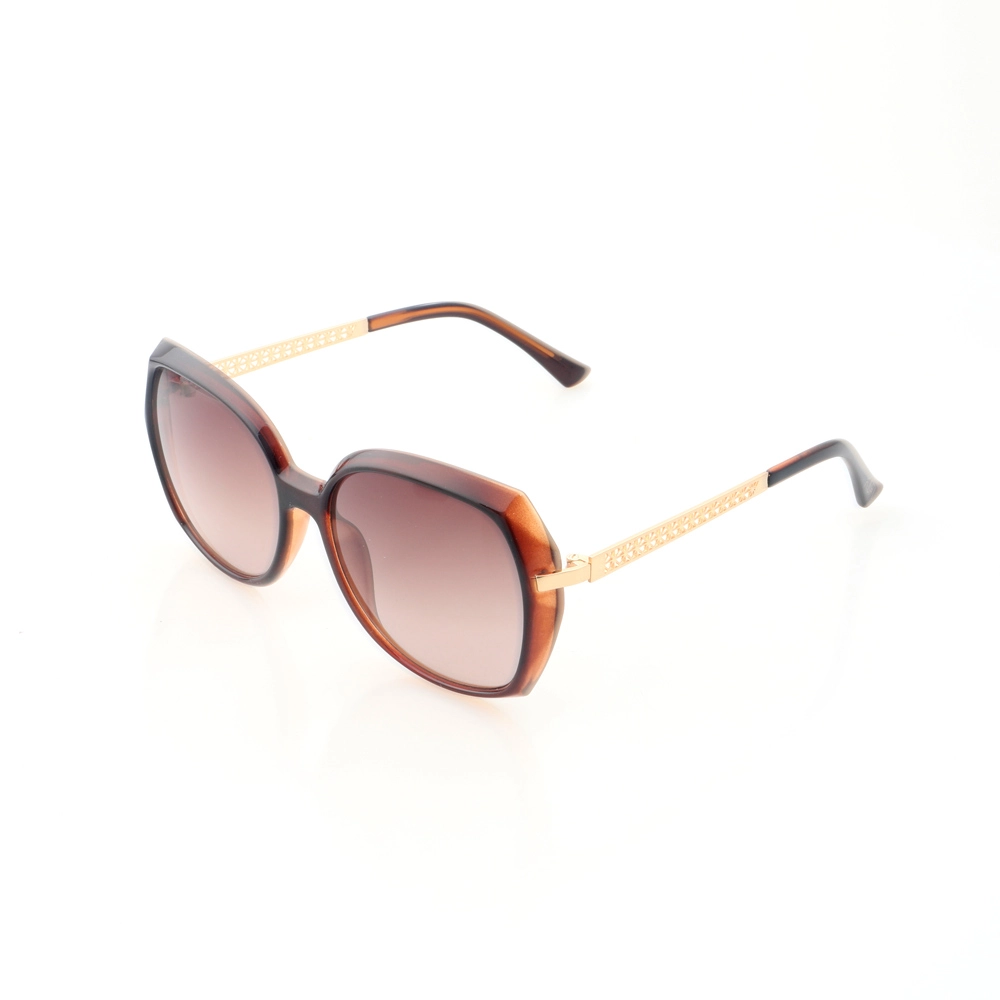
Chic Oversized TR90 Polarized Sunglasses for Women: High-Fashion Styles by Leading Sunglasses OEM
As a specialist sunglasses OEM, Karuson presents this flagship women's collection, designed to blend bold geometric silhouettes with effortless comfort. These sunglasses feature a premium TR90 frame front in a classic tortoise-shell finish, seamlessly integrated with intricate, gold-toned metal temples that add a touch of jewelry-like luxury to a functional accessory.
Get in touch with us
If you have any comments or good suggestions, please leave us a message; later our professional staff will contact you as soon as possible.
NEW DIMENSIONS IN EYEWEAR
Contact KARUSON
Email:
WhatsApp/Phone:
Address:
331 Section B, WanJia Creative Park , No. 1 BUXIA Road ,Tianhe District, Guangzhou City, Guangdong Province, China.

© 2026 KARUSON. All Rights Reserved.
Facebook
Instagram
YouTube
TikTok
Linkedin