


Why choose high-index materials in lenses manufacturing?
- 1. How can I verify a supplier's claimed 1.67 or 1.74 high-index lens blanks are genuine and meet optical specs before placing a large OEM order?
- 2. What minimum order quantities (MOQ) and tooling costs should I expect for custom high-index progressive lens production at an eyewear factory?
- 3. Which high-index material is best for rimless or thin metal frames to avoid cracking during drilling and mounting?
- 4. How do high-index lenses affect coating adhesion and AR durability in mass production, and what QC tests should an eyewear factory perform?
- 5. What production tolerances, inspection checkpoints and lab equipment should I require from an eyewear factory for prescription high-index lenses?
- 6. How should shipping, customs, and insurance be handled for high-value high-index lens shipments from eyewear factories to reduce damage and liability?
1. How can I verify a supplier's claimed 1.67 or 1.74 high-index lens blanks are genuine and meet optical specs before placing a large OEM order?
A practical verification protocol minimizes risk for first-time purchasers. Ask the eyewear factory for: material certificates (MDS), batch lot numbers on blanks, and results of third-party tests (SGS/Intertek or equivalent). Insist on these on letterhead or digitally signed PDF. Perform a staged sampling plan before mass production:
- Request physical samples (both uncut blanks and surfaced demo lenses) for a full prescription range (e.g., -2.00D, -6.00D, +4.00D). High-index benefits are most measurable at higher powers.
- Verify refractive index using a certified refractometer or by independent lab testing. A 1.67 blank should measure close to 1.67 at the standard wavelength for optical testing.
- Check Abbe number range and note approximate chromatic dispersion. Ask for manufacturer Abbe values and confirm via spectral testing or by observing colored fringes under a slit lamp or by using polariscope patterns to detect birefringence.
- Measure central and edge thickness reductions versus a CR-39/1.50 benchmark to confirm the promised thinning (expect roughly 20–40% thinner for higher indexes at strong myopia, depending on index and base curve).
- Perform practical checks: surface quality and power accuracy with a focimeter/fixed lensometer and check edging compatibility on your CNC edger.
- Request adhesion tests and coating compatibility reports with the factory’s AR process (see next sections for coating QC).
If the supplier refuses independent testing or will not supply certified batch traceability, treat that as a red flag. For large OEM runs you can include sample-approval clauses in your purchase order and tie final payment to a third-party certificate.
2. What minimum order quantities (MOQ) and tooling costs should I expect for custom high-index progressive lens production at an eyewear factory?
MOQs and tooling differ by process (ODM surfacing vs. true OEM blank supply, and by coatings). Key cost drivers:
- Progressive freeform surfacing templates and software: creating a custom progressive design (surface algorithm, corridor length, custom add zones) requires initial CAM programming and sometimes licensing fees. Many factories amortize this into a setup charge; expect a one-time fee from a few hundred to several thousand USD depending on exclusivity.
- Tooling for injection-molded frames vs. lens surfacing: frames require mold tooling (tens to hundreds of thousands USD). Lenses produced from standard blanks require no tool molds; custom blank formulations may require min tooling for casting.
- MOQ: For high-index lens blanks ordered from major resin suppliers, MOQs commonly range from 500–2,000 blanks per index and diameter for OEM relationships. For finished progressive lenses using the factory’s surfacing lab (no custom blank formula), MOQ can be much lower—some labs will accept sample batches from a single dozen to a few hundred pieces, depending on coating and AR runs.
- Coating runs: AR and hardcoat booths often have their own minimum lots to justify changeover and evaporation targets—expect minimums of 100–500 lenses per coating lot for economical pricing unless you pay High Quality per-piece rates.
- Ways to reduce upfront cost: use standard commercial blank sizes (70/75 mm), select widely used indices (1.60, 1.67) rather than custom refractive formulations, and choose established progressive designs the factory already stocks.
Negotiate clear amortization of setup/tool fees in contract terms and request a breakdown of tooling, programming, and coating changeover charges. For repeat orders, ask for lower MOQs or shared-stock agreements.
3. Which high-index material is best for rimless or thin metal frames to avoid cracking during drilling and mounting?
Rimless mounting introduces mechanical stress at drill points and along thin edges. Material choice should balance thinness, edge strength, brittleness, and impact resistance:
- Polycarbonate and Trivex: these have high impact resistance and are forgiving in drilling and rimless mount thanks to better tensile strength and higher elongation. However, their refractive index (polycarbonate ~1.58, Trivex ~1.53) means thicker optics for high prescriptions.
- High-index plastics (1.6, 1.67, 1.74): they provide significant thickness and weight reductions but are polymerized to achieve higher refractive index and can be more brittle, especially at higher index (1.74) or in thinner edges. This increases the risk of cracking during rimless drilling unless factory drilling practices are adjusted.
Best-practice recommendations for rimless mounting with high-index:
- For moderate prescriptions (up to about ±3.00D) consider Trivex or 1.6 high-index copolymers that balance strength and thinness.
- For higher prescriptions where lens thinness matters, 1.67 is a common compromise; insist the factory uses diamond pilot-drilling and controlled feed rates, and that they pre-drill at slightly larger diameters before final mounting to reduce stress.
- Use reinforced drill bushings, proper coolant, and qualified technicians. Recommend using stainless steel or tapered nylon screws and spreading load with nylon washers.
- Request fracture testing reports or sample rimless kits from the factory showing drilled edges, and inspect for microcracks with magnification or dye-penetrant testing.
If rimless mounting is a major product line for you, specify the exact drilling technique, pilot hole diameters, and approved hardware in the technical pack you provide to the factory.
4. How do high-index lenses affect coating adhesion and AR durability in mass production, and what QC tests should an eyewear factory perform?
Surface energy, material chemistry and shrinkage during curing impact coating adhesion. High-index resin formulations can differ in surface polarity and cross-link density, making coating adhesion more challenging than with CR-39.
Critical factory controls and tests:
- Surface preparation: plasma or corona treatment and standardized primer application before vacuum deposition improve adhesion. Ask for the factory’s pretreatment SOP.
- Coating process controls: vacuum deposition parameters (temperature, deposition rate, vacuum level) should be logged per batch. Thermal excursions beyond recommended ranges can create microcracks on high-index surfaces.
- Adhesion and durability tests: the factory should run standard adhesion tape tests, Taber abrasion (specified cycles and wheels), humidity/temperature cycling (e.g., 240 hours at 40–60°C with >90% RH), and salt spray where applicable. Specify required minimums for abrasion resistance (e.g., Taber cycles to X% transmission loss) or require the factory to meet industry benchmarks.
- Peel and cross-hatch adhesion tests: these detect delamination risk for AR stacks and anti-scratch hardcoats.
- Batch records: require that every coating lot have a QC checklist including coating thickness (measured by ellipsometry or profilometer), adhesion result logs, and visual inspection photos.
Ask to see sample reports and insist on an acceptance level (AQL) for coating defects. For high-value orders, require a pilot run and independent testing of AR durability from a recognized lab.
5. What production tolerances, inspection checkpoints and lab equipment should I require from an eyewear factory for prescription high-index lenses?
Specify measurable tolerances and the inspection equipment that supports them. Typical industry checkpoints (aligned with ISO 8980 series as guidance):
- Power (finished lens): typical accepted tolerances are around ±0.12 D for sphere and ±0.12 D for cylinder for single-vision; axis tolerance commonly ±2–3°. For high-precision progressive or high-prescription lenses, tighten tolerances contractually.
- Prism and centration: centration (optical center displacement) should generally be within 0.5 mm of target in finished lenses; prism tolerance often within 0.67 prism diopters unless specified stricter.
- Surface quality: scratch/dig and cosmetic acceptance per agreed AQL.
- Lens thickness and edge geometry: specify maximum center thickness and edge thickness tolerances; require measurement with contact or non-contact thickness gauges.
Essential lab equipment to demand on-site or confirmed via third-party audit:
- Automated lensometer/focimeter for power verification and digital reporting.
- Profilometer or interferometer for surface form accuracy; wavefront aberrometry is increasingly used on freeform surfaces.
- Spectrophotometer for AR transmission curves and coating uniformity.
- Refractometer and Abbe/dispersion measurement methods (or independent lab verification) for material identification.
- CNC edgers and verifiable blocking equipment compatible with high-index materials to avoid surface stress.
- Environmental chambers for humidity/temperature cycling and Taber abraser for wear testing.
Include in your purchase order agreed sampling percentages (e.g., 10% of each lens lot inspected), AQL thresholds, and a right-to-audit clause allowing third-party inspection and material traceability verification.
6. How should shipping, customs, and insurance be handled for high-value high-index lens shipments from eyewear factories to reduce damage and liability?
High-index finished lenses are higher-value and sometimes more brittle—packaging, logistics, and contract terms are crucial:
- Packaging: require double-boxing with anti-static inner bags, shock-absorbing foam or molded trays, desiccant pouches, and humidity/temperature data loggers for sensitive shipments. Include visible handling labels and a “fragile: optical goods” marking.
- Shipping insurance and Incoterms: select an appropriate Incoterm (e.g., FOB, CIF, DDP) and explicitly state who carries insurance and until which point. For first runs, insure shipments for full replacement value with declared value and require the carrier to provide a delivery condition report.
- Customs paperwork: ensure the factory provides commercial invoices with correct HS codes, CE or FDA compliance documentation where relevant, and material declarations. For OEM/ODM products, be careful about origin rules affecting tariffs.
- Damage mitigation: include shock indicators and require pre-shipment photos of cartons and palletization. For high-value orders, use pallet shrink-wrap, corner protectors, and sealed crates for air freight.
- Returns and liability: contractually define RMA windows and lens rejection criteria on arrival (e.g., inspect within 7 days), plus responsibility for shipping costs on returns. Require batch lot traceability so the factory can isolate defective lots quickly.
Using a reputable freight forwarder with experience in ophthalmic shipments, and purchasing all-risk transit insurance, reduces both financial exposure and the chance of in-transit damage claims being denied.
Conclusion — advantages of choosing high-index materials and a qualified eyewear factory
Choosing high-index lens materials through a reputable eyewear factory delivers thinner, lighter eyewear that improves fit and aesthetics for moderate-to-high prescriptions while enabling High Quality margins for OEM brands. When paired with rigorous QC (refractive index verification, abrasion and humidity testing, focimeter checks), appropriate surfacing and edging equipment, and certified coating processes, high-index lenses can meet commercial durability and optical performance expectations. The best factories combine ISO/CE-compliant processes, transparent material traceability, and documented pilot testing to protect buyers from counterfeit or substandard blanks.
For sample approvals, technical spec sheets, MOQ breakdowns, or to receive a formal quote for high-index lens manufacturing and OEM/ODM services, contact us: www.karusonco.com or nicole@karusonco.com.
Why Sourcing from a China Eyewear Factory is the Strategic Choice for Global Brands
OEM vs. ODM: Which Partnership Model is Best for Your Eyewear Business?
2026 Eyewear Trend Forecast: Colors, Shapes, and Textures to Watch
About OEM&ODM
How long does it take to make samples?
Samples are typically completed within 7–15 working days if available molds are present.
Do you support OEM and ODM?
Yes—we offer both contract manufacturing (OEM) and full product development services (ODM).
How do we start a project with Karuson?
Send us your product idea or requirements—our team will review, advise, and provide the best solution and quotation.
Can you help with packaging and logo branding?
Absolutely—we provide branded packaging bags, boxes, logo applications, and display solutions.
About Products
How do you ensure product quality?
Full QC process, factory testing, and international certifications.
You May Also Like
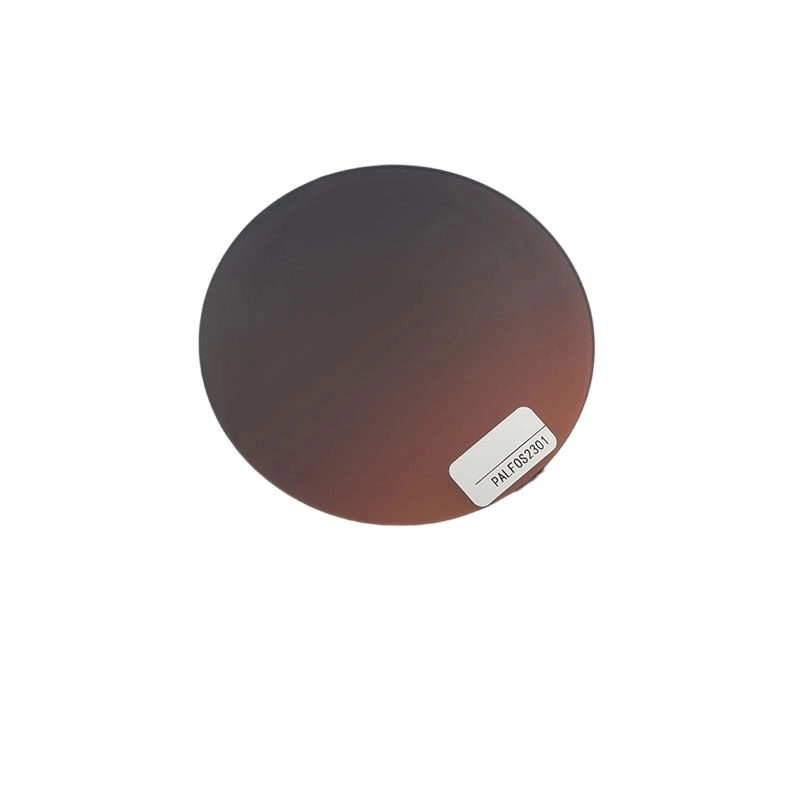
Advanced Sunglasses Solutions: Polarized Lenses with Anti-Seawater Coating
As a versatile photochromic lenses manufacturer and high-performance optics expert, Karuson crafts high-quality Polycarbonate (PC) Gradient Tinted Lenses that perfectly balance aesthetics with advanced protection. By fusing the ultra-lightweight and impact-resistant properties of PC material with precision gradient tinting technology, we deliver a durable visual solution that enhances clarity and comfort for urban lifestyles and outdoor sports. These lenses not only optimize visibility across varying light conditions by reducing glare but also offer a sleek, customizable design—allowing global brands to blend practical eye protection with a modern, fashion-forward accessory.
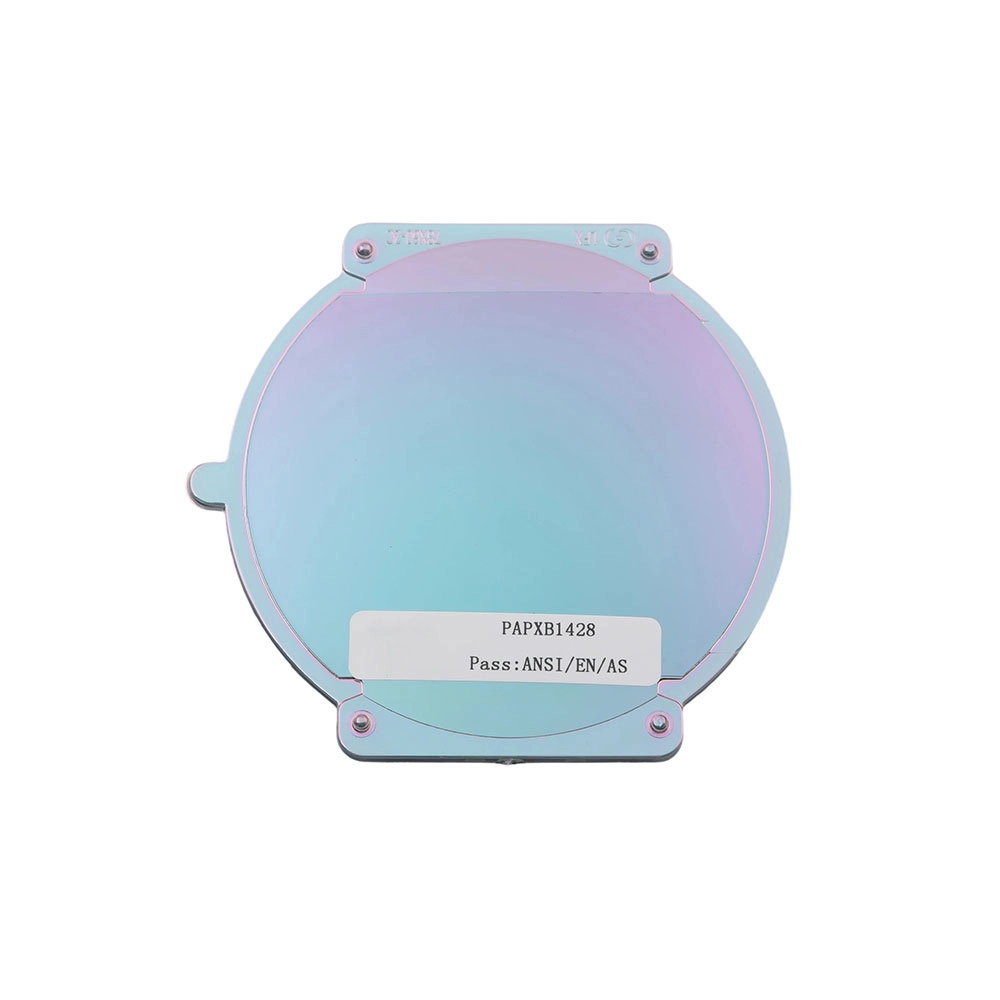
Innovative Lens Technologies: Setting Your Brand Apart in a Competitive Market
Setting a new standard in high-end lenses manufacturing, Karuson’s flagship-grade Polyamide (PA) Nylon polarized lenses seamlessly combine ultra-lightweight material with exceptional, high-toughness durability. By integrating precision polarizing technology, we have created a high-definition visual solution that excels in clarity and comfort for professional driving, outdoor adventures, and competitive sports. This innovation does more than meet expectations—it redefines the performance benchmark for professional polarized optics in the global market.
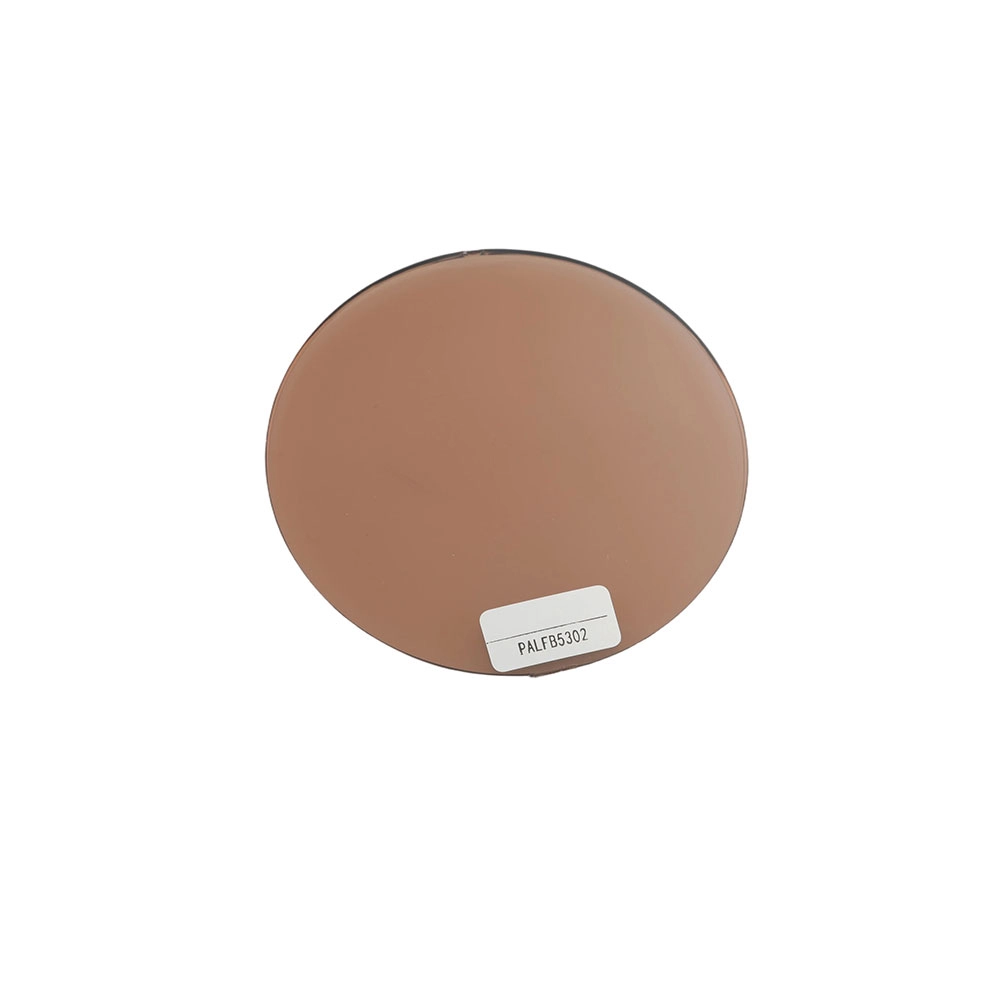
Why Quality Lenses are the Core of Your Eyewear Brand’s Reputation
As a premier high-definition glasses lenses manufacturer, Karuson crafts high-quality Polyamide (PA) Nylon Tinted Lenses that represent the perfect synergy of ultra-lightweight performance and high-toughness durability. By integrating professional-grade tinting technology with advanced material science, we offer a lens solution that delivers exceptional optical clarity alongside vibrant, fashionable color expression. Designed for both daily commutes and trendy lifestyle matching, these lenses provide a comfortable and aesthetic visual experience, serving as a high-performance fashion accessory for the modern, style-conscious consumer.
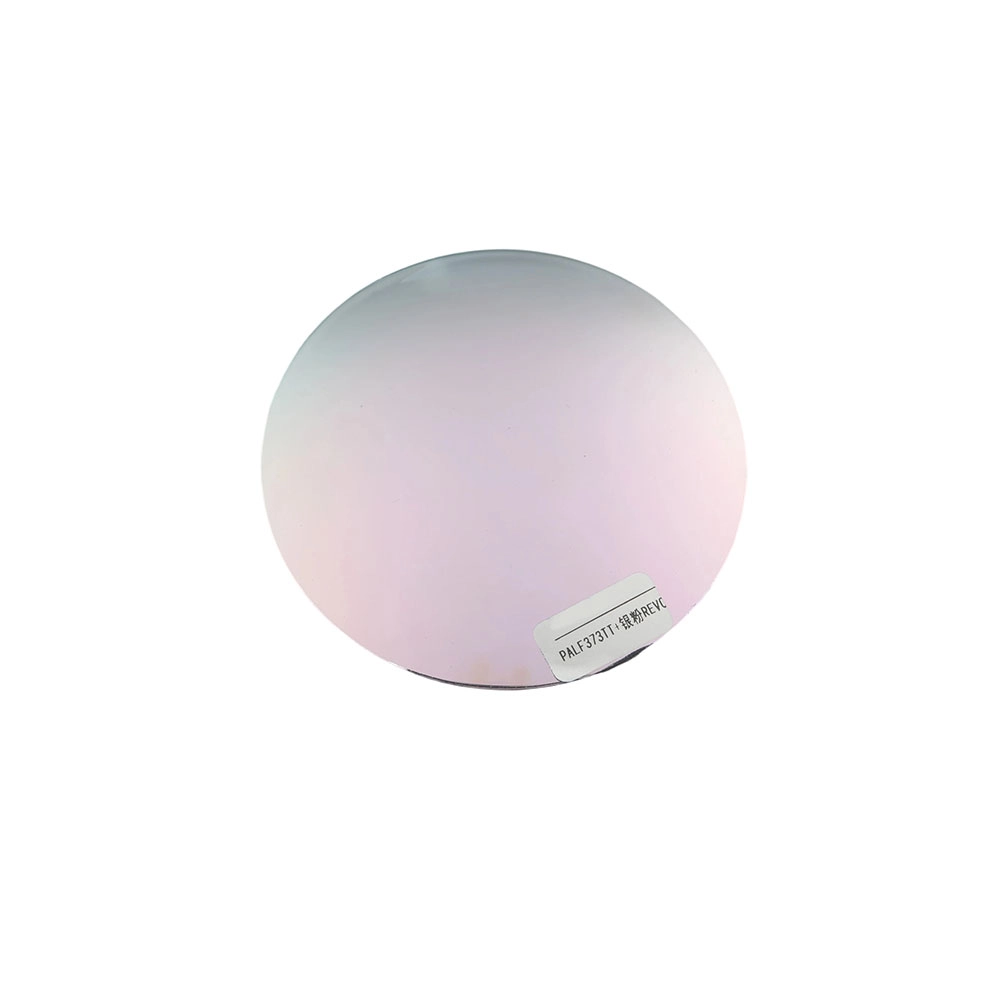
Dynamic Adaptation: Next-Gen Photochromic Lenses for Indoor & Outdoor Use
As premier eyeglass lenses manufacturers, Karuson crafts high-performance PC polarized coated lenses that seamlessly integrate lightweight, impact-resistant polycarbonate with advanced optical film technology. These lenses are engineered to achieve superior glare reduction and enhanced visual definition while offering a spectrum of stylish, customizable tints. Optimized for professional driving, outdoor sports, and urban lifestyles, our manufacturing process ensures that harmful reflections from water, roads, and snow are effectively filtered out. The result is a durable, fashion-forward visual solution that perfectly balances essential eye protection with high-end aesthetic appeal—making them the ideal choice for brands seeking to merge practicality with a modern fashion statement.
Get in touch with us
If you have any comments or good suggestions, please leave us a message; later our professional staff will contact you as soon as possible.
NEW DIMENSIONS IN EYEWEAR
Contact KARUSON
Email:
WhatsApp/Phone:
Address:
331 Section B, WanJia Creative Park , No. 1 BUXIA Road ,Tianhe District, Guangzhou City, Guangdong Province, China.

© 2026 KARUSON. All Rights Reserved.
Facebook
Instagram
YouTube
TikTok
Linkedin