


Why choose OEM sunglasses for your eyewear brand?
- 1. What is a realistic OEM MOQ and how can I order high-quality sunglasses under 500 pairs per SKU from an eyewear factory?
- 2. How do I verify an eyewear factory's lens quality (UV400, polarization, scratch/hard coat) before placing a full order?
- 3. What are the real lead times and hidden tooling costs when launching an acetate frame design with an OEM sunglasses factory?
- 4. How to ensure color matching and finish consistency across batches for acetate and metal frames?
- 5. Which factory certifications and third‑party test reports (EN ISO 12312-1, CE, ISO 9001) should buyers request for sunglasses?
- 6. How to structure payment terms, QC inspections, and dispute resolution when working with overseas eyewear factories?
Eyewear Factory Guide: Why Choose OEM Sunglasses for KARUSON
As you develop a private label eyewear line, choosing the right eyewear factory and deciding whether to use OEM sunglasses is critical. Below are six specific, pain-point-focused questions beginners ask but rarely find full, up-to-date answers to. Each section includes actionable steps, industry norms and quality controls you can apply when sourcing frames, lenses and full sunglasses assemblies.
1. What is a realistic OEM MOQ and how can I order high-quality sunglasses under 500 pairs per SKU from an eyewear factory?
Why this matters: Many startups need small-batch manufacturing to test designs and channels without high inventory risk. Traditional factory MOQs can block market entry if they start at 1,000+ pairs per SKU.
Industry reality and practical approaches:- Typical OEM MOQs: Many established factories set MOQs of 200–500 pairs per SKU for standard injection-molded frames or common acetate shapes. For custom acetate or metal frame tooling, MOQs often increase (500–1,000+). These ranges vary by factory, region and product complexity.- Small-batch options: Look for factories offering production runs alongside micro-runs. Some factories operate flexible lines or have leftover capacity and will accept 100–300 pairs at a High Quality per unit.- Cost trade-offs: Lower MOQs generally increase per-unit costs due to setup, changeover and manual finishing. Expect 10–40% higher unit cost compared to large runs, depending on finish and lens type (polarized or mirrored coatings raise costs).- Negotiation levers: Reuse an existing mold/shape (reduces tooling fee), commit to a rolling 3–6 month purchase plan, consolidate SKUs (fewer colors), or accept standard lens packages rather than fully custom optics.- Practical tip: Ask the factory for a ‘pilot run’ quote (e.g., 100–300 pairs) and a separate scale quote at 500+ pairs. That helps quantify per-unit declines and decide whether to test small batches first.
2. How do I verify an eyewear factory's lens quality (UV400, polarization, scratch/hard coat) before placing a full order?
Why this matters: Lens claims (UV400, polarized) are safety and brand issues. Poor lenses damage reputation and can have legal consequences in some markets.
Verification steps and standards:- Ask for test reports: Request third-party lab reports for UV protection and optical performance. Valid tests include EN ISO 12312-1:2013 for sunglasses (widely used in EU markets) and polarization/visible light transmission reports from accredited labs (e.g., SGS, Intertek, TUV). A legitimate report should include sample photos, measurement equipment and date.- UV400 explained: UV400 means lenses block ultraviolet radiation up to 400 nm (UVA and UVB). Confirm the lab report lists spectral transmittance data showing near-zero transmittance below 400 nm.- Polarization check: Polarized lenses reduce horizontal glare; confirm degree of polarization (%) and a polarization axis chart in the lab report.- Coatings and durability: Request hardness/scratch resistance test results for hard-coat layers and salt-spray or adhesion tests for mirror/metallic coatings. These tests indicate how coatings hold up to wear.- On-site verification: Before mass production, obtain a pre-production prototype with the actual lens supplier’s production lenses (not just samples) and test them under a spectrophotometer or with a certified lab.- If lab reports are unavailable: Use a small paid order and third-party inspection with lens testing, or work with a lens house that supplies lenses to multiple brands and can provide traceable certificates.
3. What are the real lead times and hidden tooling costs when launching an acetate frame design with an OEM sunglasses factory?
Why this matters: Underestimating tooling time or costs causes launch delays and budget blowouts. Acetate frames involve different processes than injection molded or metal frames.
Typical timeline and cost components:- Prototyping: 2–4 weeks for initial CAD to single-piece prototype (CNC milled acetate or 3D-printed molds). Physical adjustments often add 1–2 weeks per revision.- Tooling/mold production: For injection molded frames, steel molds typically take 4–8 weeks. For acetate, frames are often routed from acetate sheets; first-generation master patterns and jigs can take 2–6 weeks depending on complexity.- Hidden tooling and setup costs: Expect to pay for master pattern creation, milling, mold polishing, and mold inserts. Approximate tooling ranges (industry common approximations): small/mildly complex tools $400–$1,500; complex steel injection molds can be $2,000–$8,000+. (Ask factories to itemize charges.)- Additional hidden costs: Polishing, plating fixtures for metal parts, laser-etching plates for logos, and lens dies for cut-to-shape lenses. These are sometimes billed separately.- Lead time from order to shipment: After tooling and sample approvals, mass production lead time is typically 30–60 days for eyewear (longer for complex metal frames or heavy customization). Seasonal demand (Q1/Q2 for summer lines) can add 2–6 weeks.- Risk mitigation: Require a detailed production schedule, stage-gate approvals (PP sample, golden sample) and penalties or remedies in contracts for missed milestones.
4. How to ensure color matching and finish consistency across batches for acetate and metal frames?
Why this matters: Color and finish inconsistencies damage brand perception. Acetate especially can show batch-to-batch color variance because dyeing and polishing are manual steps.
Controls and best practices:- Use color references: Provide Pantone references for metal lacquers and high-resolution color chips or physical color samples for acetate. Request a color formula and batch record from the factory.- Golden sample and color approval: Approve a ‘golden sample’ that the factory must match. All future batches should be compared against the golden using a spectrophotometer (Delta E measurement). Insist on a Delta E tolerance (e.g., Delta E < 2 for consumer eyewear is a tight tolerance; many brands accept <3–5 depending on finish).- Process controls for acetate: Confirm how the factory manages dye lots, polishing, and flame finishing. Ask whether they pre-dye acetate sheets centrally and bond colored layers to reduce variance.- Metal finishing consistency: For electroplating, request process certificates (pH, current density, bath composition) and thickness reports for plating. For PVD or anodized titanium, request adhesion and color stability test data.- QC checkpoints: Require inline QC at color-matching stage and final inspection with photographic records. Third-party inspections can verify color against the golden sample using portable spectrometers.
5. Which factory certifications and third‑party test reports (EN ISO 12312-1, CE, ISO 9001) should buyers request for sunglasses?
Why this matters: Certifications and test reports help verify that a supplier follows quality management and that the product meets regional safety claims.
Certifications and documents to request:- Product safety tests: EN ISO 12312-1:2013 (sunglasses) is the common optical/UV standard for consumer sunglasses in EU markets. For polarization and optical quality, request independent lab certificates showing spectral transmittance, refractive power and polarization percentage.- CE marking: If you plan to sell in the EU, confirm whether the manufacturer provides documentation for CE marking where applicable. Note: CE for sunglasses is related to conformity to applicable EU directives and standards; discuss with your market compliance advisor whether CE is required for your product.- Quality management: ISO 9001 demonstrates an organized quality management system at the factory level. It doesn’t guarantee product quality but indicates process control.- Environmental and social compliance: Ask for SA8000 or BSCI/SMETA reports if responsible sourcing and audits are priorities for KARUSON.- Traceable lab reports: Legitimate lab certificates should show accredited lab logos (e.g., SGS, Intertek), test methodology, date, and sample ID that matches your production samples.
6. How to structure payment terms, QC inspections, and dispute resolution when working with overseas eyewear factories?
Why this matters: Poorly structured commercial terms expose you to product quality, delivery and financial risks.
Recommended commercial and QC structure:- Payment terms: Common arrangements are 30% deposit at order, 70% balance before shipment (TT), or 30/70 with the balance payable via a letter of credit (L/C) for larger orders. For trusted factories, Net30 after shipment is sometimes available.- Inspection stages: Define clear checkpoints in the contract—material inspection, pre-production sample (PP), production inspection at 20–50% completion, and final pre-shipment inspection (PSI). Use AQL standards for acceptance criteria; many brands use AQL 2.5 for major functional defects and AQL 4.0 for cosmetic items, but agree specifics per item.- Third-party inspection: Use independent firms (SGS, Bureau Veritas, Intertek) for impartial pre-shipment QC, lens testing and packaging checks. Require photo reports and defect logs.- Dispute resolution clauses: Specify remedies for defects (repair, rework, replacement, or financial compensation), lead time for corrective action, and whether arbitration will occur in a neutral jurisdiction (e.g., ICC arbitration) or under local courts. Include holdback clauses on final payment if critical certifications or test reports are pending.- Documentation and traceability: Require batch records, lens supplier traceability, and final inspection records to be delivered with each shipment.
Concluding summary: Choosing an eyewear factory and adopting OEM sunglasses gives brands precise control over design, supply chain and branding while reducing time to market compared with building an in-house factory. The key advantages are private-label customization, cost efficiencies at scale, easier access to qualified lens houses (UV400/polarized), and the ability to leverage factory capabilities (acetate milling, injection molding, metal finishing) without heavy capital investment. Mitigate risk by requiring third-party lab reports (EN ISO 12312-1:2013 where applicable), approving golden samples, negotiating realistic MOQs, and structuring payment and QC stages with independent inspections. These steps ensure consistent color, lens performance and on-time delivery for your sunglasses line.
For a detailed quote, sample policy and factory audit report, contact us at www.karusonco.com or email nicole@karusonco.com.
TR90 vs Carbon Fiber vs Titanium Sports Sunglasses | OEM Frame Guide
Why Sourcing from a China Eyewear Factory is the Strategic Choice for Global Brands
OEM vs. ODM: Which Partnership Model is Best for Your Eyewear Business?
2026 Eyewear Trend Forecast: Colors, Shapes, and Textures to Watch
About Products
Do you offer samples?
Yes, paid samples or refundable samples are available.
How do you ensure product quality?
Full QC process, factory testing, and international certifications.
What is the MOQ?
Usually ≥100, depending on the model.
About OEM&ODM
Do you support OEM and ODM?
Yes—we offer both contract manufacturing (OEM) and full product development services (ODM).
Can you help with packaging and logo branding?
Absolutely—we provide branded packaging bags, boxes, logo applications, and display solutions.
You May Also Like
Photochromic Lenses | Adaptive Indoor & Outdoor OEM Custom Lenses
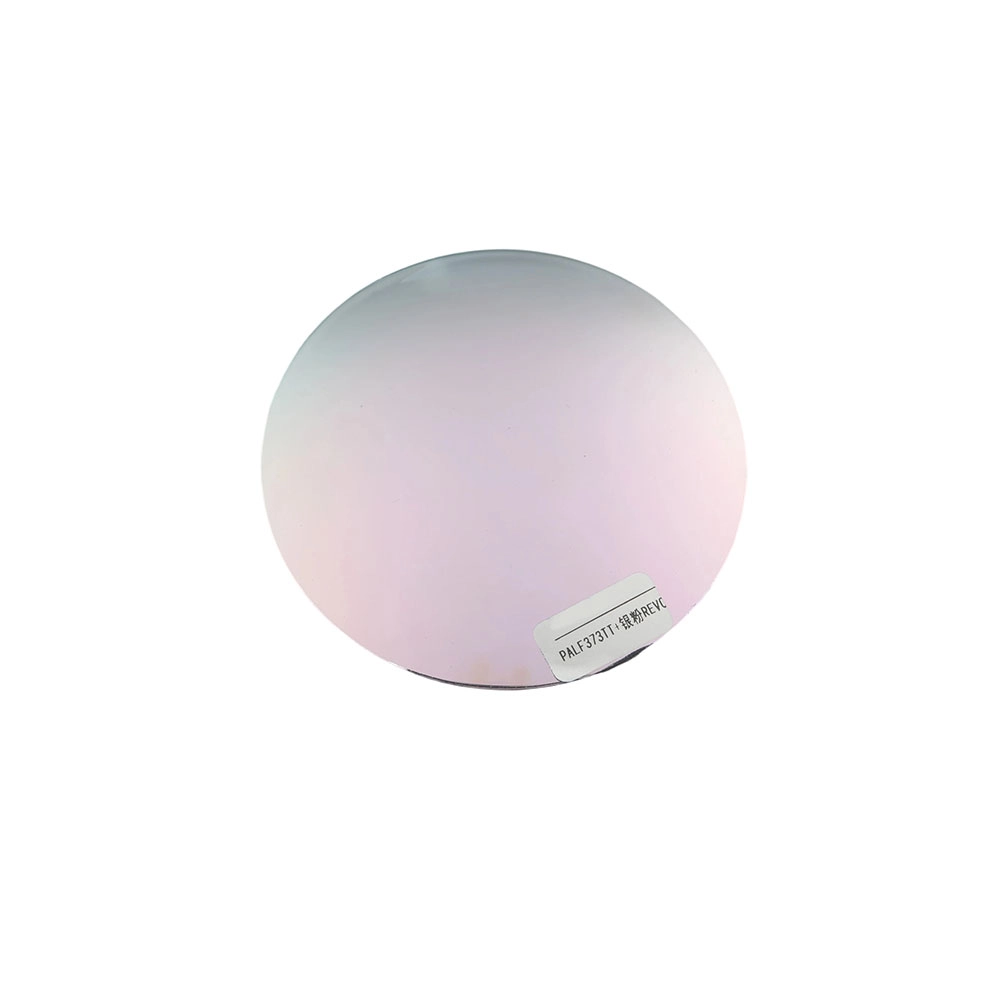
As premier eyeglass lenses manufacturers, Karuson crafts high-performance PC polarized coated lenses that seamlessly integrate lightweight, impact-resistant polycarbonate with advanced optical film technology. These lenses are engineered to achieve superior glare reduction and enhanced visual definition while offering a spectrum of stylish, customizable tints. Optimized for professional driving, outdoor sports, and urban lifestyles, our manufacturing process ensures that harmful reflections from water, roads, and snow are effectively filtered out. The result is a durable, fashion-forward visual solution that perfectly balances essential eye protection with high-end aesthetic appeal—making them the ideal choice for brands seeking to merge practicality with a modern fashion statement.
Premium Optical Lenses | High-Clarity Custom OEM Lenses for Brands
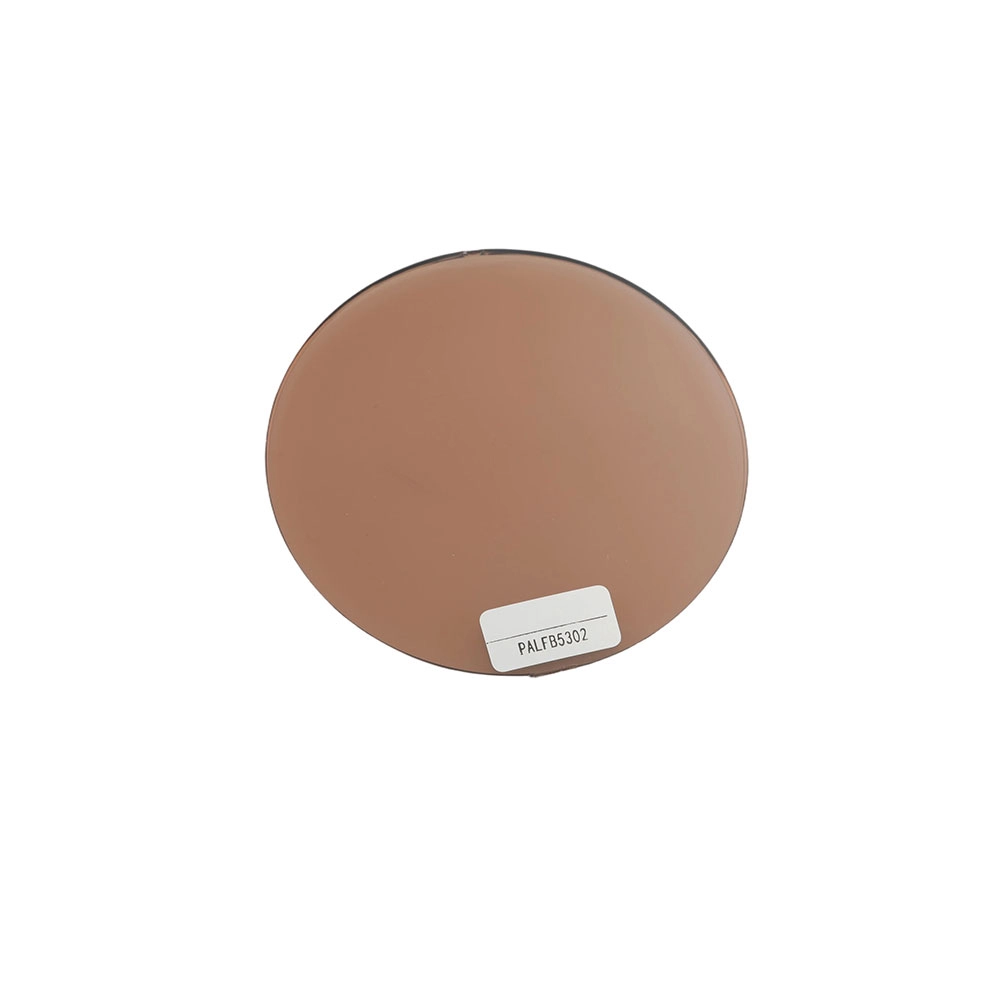
As a premier high-definition glasses lenses manufacturer, Karuson crafts high-quality Polyamide (PA) Nylon Tinted Lenses that represent the perfect synergy of ultra-lightweight performance and high-toughness durability. By integrating professional-grade tinting technology with advanced material science, we offer a lens solution that delivers exceptional optical clarity alongside vibrant, fashionable color expression. Designed for both daily commutes and trendy lifestyle matching, these lenses provide a comfortable and aesthetic visual experience, serving as a high-performance fashion accessory for the modern, style-conscious consumer.
Trendy Blue Frame Sunglasses | Customizable OEM Performance Eyewear
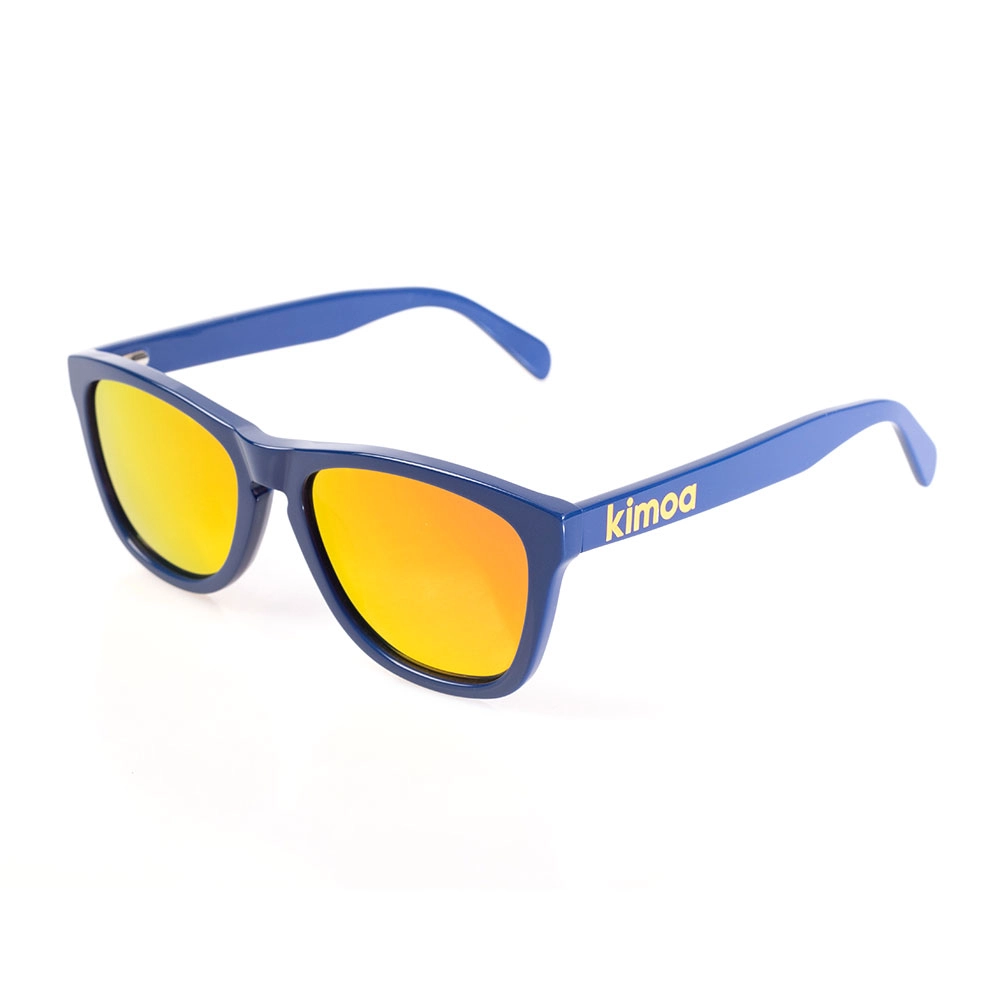
These eco-friendly bio-acetate sunglasses combine high-performance durability with sustainable innovation, making them the perfect centerpiece for your private label eyewear collection. Engineered for longevity, the frames offer superior impact and scratch resistance, while the UV400 lenses provide essential protection against harmful rays and glare. Available in a spectrum of vibrant, customizable colors, this collection allows eco-conscious brands to offer a premium, lightweight, and stylish choice that refuses to compromise on safety or aesthetics.

Classic Square Polarized Sunglasses | High-Performance OEM Eyewear
As a premier oem sunglasses manufacturer, Karuson presents this essential Square Frame series—a staple for any eyewear brand’s core collection. These sunglasses feature a timeless matte black finish and are equipped with vibrant green REVO mirrored lenses, offering a perfect blend of modern tech aesthetics and professional-grade eye protection.
Get in touch with us
If you have any comments or good suggestions, please leave us a message; later our professional staff will contact you as soon as possible.
NEW DIMENSIONS IN EYEWEAR
Contact KARUSON
Email:
WhatsApp/Phone:
Address:
331 Section B, WanJia Creative Park , No. 1 BUXIA Road ,Tianhe District, Guangzhou City, Guangdong Province, China.

© 2026 KARUSON. All Rights Reserved.
Facebook
Instagram
YouTube
TikTok
Linkedin