


CR-39 vs Polycarbonate: A Technical Lens Selection Guide for OEM Eyewear Brands
CR-39 and polycarbonate are the two most widely used lens materials in OEM sunglasses and optical eyewear production. They are not interchangeable. Each has a specific optical profile, impact performance, and processing requirement that maps to a defined set of product categories. Selecting the wrong material for the wrong application does not produce a slightly inferior product — it produces a structurally mismatched one. This guide provides the technical basis for making that decision correctly.
- 🎯 The Lens Spec Decision That Determines Your Returns Rate
- 🔬 CR-39: Optical Clarity as the Primary Performance Driver
- 🛡️ Polycarbonate: Impact Performance as the Non-Negotiable Specification
- ⚖️ Side-by-Side: When Each Material Wins
- 🧩 Coating Stack: What Both Materials Require for Market Compliance
- ☑️ Sourcing Checklist: CR-39 & Polycarbonate Lenses
- 🔗 Karuson Lens Production
- 📋 Production Specifications
- 📩 Start Your Lens Project
- ❓ FAQ: CR-39 vs Polycarbonate Lenses for OEM
🎯 The Lens Spec Decision That Determines Your Returns Rate
A brand launching a fashion sunglass line selects polycarbonate lenses to hit a sub-$5 per-unit lens cost. Twelve months later, their 1-star reviews are dominated by one complaint: color fringing on peripheral vision, particularly in high-contrast outdoor environments. The problem is not a manufacturing defect—it is Abbe value, and it was decided at the material selection stage.
🔬 CR-39: Optical Clarity as the Primary Performance Driver
Best fit: Fashion sunglasses, optical frames, prescription lenses, retail $30–$150
CR-39 (Allyl Diglycol Carbonate, ADC monomer) was developed by Pittsburgh Plate Glass in 1941. Its optical properties remain the benchmark for plastic lens clarity. The key parameter is Abbe value — a measure of chromatic dispersion, defined as how much a lens material splits white light into its spectral components across the visible range.
CR-39 has an Abbe value of 58. Polycarbonate has an Abbe value of 30. In practical terms: a lens with Abbe 58 produces 48% less chromatic aberration than a lens with Abbe 30 at the same refractive power. For wearers with any significant prescription correction, or for consumers who spend extended time in high-contrast outdoor environments (snow, water, open sky), this difference is perceptible as color fringing at the edge of the visual field.
| Optical Property | CR-39 | Polycarbonate |
|---|---|---|
| Refractive index | 1.499 | 1.586 |
| Abbe value | 58 | 30 |
| Light transmission (clear) | ~92% | ~88% |
| Density | 1.32 g/cm³ | 1.20 g/cm³ |
| Center thickness (1.00D) | ~2.0mm | ~1.5mm |
The refractive index of 1.499 means CR-39 lenses are slightly thicker than polycarbonate at equivalent optical power. For plano (non-prescription) sunglass lenses, this difference is negligible — a standard CR-39 sunglass lens runs 2.0–2.2mm center thickness versus 1.8–2.0mm for PC. For mid-to-high minus prescriptions (above –4.00D), the thickness difference becomes commercially relevant, which is why higher-index materials (1.60, 1.67) enter the prescription lens category above that power threshold.
Limitation: CR-39 passes the FDA drop ball test (21 CFR 801.410) for dress eyewear but does not meet ANSI Z87.1 high-velocity impact requirements without lens thickness compensation. For sport or safety eyewear categories requiring Z87.1 certification, CR-39 is generally not the correct specification.
🛡️ Polycarbonate: Impact Performance as the Non-Negotiable Specification
Best fit: Sport sunglasses, children's eyewear, safety eyewear, wraparound frames, retail $15–$80
Polycarbonate is a thermoplastic polymer (bisphenol A polycarbonate, BPA-PC) with an impact resistance 10 times greater than CR-39 at equivalent thickness. This is a structural property of the polymer chain: PC absorbs kinetic energy through viscoelastic deformation rather than fracture. At 1.5mm center thickness, a PC lens can withstand a 6mm steel ball traveling at 45 m/s without fracturing — the threshold for ANSI Z87.1 high-velocity impact certification.
Polycarbonate also provides inherent UV400 protection (blocks ≥99% of radiation below 380nm) without a UV-absorbing coating. This is because the BPA-PC polymer chain contains aromatic rings that absorb UV radiation at the molecular level. CR-39, by contrast, requires a UV-absorbing monomer additive or coating to achieve equivalent UV400 performance.
Mechanism: UV radiation below 380nm carries sufficient photon energy to break the ether linkages in CR-39's ADC polymer backbone. Polycarbonate's aromatic ring structure absorbs this energy through electronic excitation rather than chain scission — which is why PC's UV protection is intrinsic and permanent, while CR-39's UV coating can degrade with abrasion.
Limitation: Polycarbonate's Abbe value of 30 is the material's primary optical compromise. It is also significantly softer than CR-39 on the surface (pencil hardness ~2H vs. CR-39's ~4H), requiring a hardcoat of at least 3–5 microns to achieve acceptable scratch resistance under EN ISO 12312-1 testing conditions. An uncoated PC lens will fail the abrasion resistance test of EN ISO 12312-1 Section 5.1 within standard field use.
⚖️ Side-by-Side: When Each Material Wins
| Decision Factor | Choose CR-39 | Choose Polycarbonate |
|---|---|---|
| Optical priority | Prescription / high-clarity plano | Standard plano / tinted |
| Impact requirement | FDA drop ball only | ANSI Z87.1 / EN 166 required |
| UV protection | Requires UV additive or coating | Inherent UV400 |
| Frame type | Full-rim / half-rim fashion | Wraparound / rimless sport |
| Lens thickness target | Standard | Thin (high RI advantage) |
| Processing: polarized | Excellent compatibility | Good (requires casting process) |
| Processing: tinting | Excellent (absorbs dye evenly) | Poor (requires primer coat) |
| Hardcoat required | Optional (moderate scratch resistance) | Mandatory |
| Target retail price | $30–$150 | $15–$80 |
🧩 Coating Stack: What Both Materials Require for Market Compliance
Neither CR-39 nor polycarbonate reaches retail shelf without a coating stack. The coating sequence determines durability, compliance, and final optical performance.
Standard coating stack for CR-39 sunglass lenses:
- Step 1 — Tinting or polarized film lamination (base optical function)
- Step 2 — Hard coat (2–4 microns, Si-based, pencil hardness 6H–8H)
- Step 3 — Anti-reflective (AR) coating (7–11 layers, MgF₂ / SiO₂ / ZrO₂)
- Step 4 — Hydrophobic top coat (fluoropolymer, contact angle >100°)
Standard coating stack for polycarbonate sunglass lenses:
- Step 1 — Primer coat (adhesion layer, required because PC surface energy is too low for direct hard coat bonding)
- Step 2 — Hard coat (3–5 microns, thicker than CR-39 due to softer substrate)
- Step 3 — AR coating (same 7–11 layer stack)
- Step 4 — Hydrophobic top coat
The primer coat in polycarbonate processing adds one production step and approximately $0.30–$0.60/lens to production cost at 500-unit run volumes. For brands evaluating total lens cost, this step is often omitted in low-end production — which is why uncoated or under-coated PC lenses are the most common source of warranty claims in the sub-$20 sunglass category.
Both materials must meet EN ISO 12312-1 Section 4.7 (spectral transmittance) and Section 5.1 (mechanical robustness) for EU market access. The standard specifies a minimum lens category (0–4) based on luminous transmittance — a CR-39 or PC lens tinted to Category 3 (8–18% transmittance) must maintain that value after abrasion testing.
☑️ Sourcing Checklist: CR-39 & Polycarbonate Lenses
- Confirm whether product requires ANSI Z87.1 — if yes, specify PC at ≥1.5mm center thickness
- Request Abbe value certificate from supplier (CR-39: ≥55; PC: ≥28 acceptable minimum)
- Verify UV400 compliance test report (transmittance <1% at 380nm per EN ISO 12312-1)
- Confirm coating stack in writing — hardcoat thickness, AR layer count, hydrophobic treatment
- Request abrasion resistance test data (Bayer Ratio ≥2.0 for hardcoated PC)
- For polarized lenses: confirm polarization efficiency ≥99% and confirm film adhesion method
- Check tinting process for PC: primer coat must be included for even dye uptake
- Request spectral transmittance curve for chosen tint category (Categories 0–4 per EN ISO 12312-1)
🔗 Karuson Lens Production
Karuson manufactures CR-39 and polycarbonate lenses across plano, polarized, gradient, and prescription (RX) configurations from production facilities in Dongguan and Guangzhou. Lens production includes full in-house coating capability: hard coat, AR, hydrophobic, and anti-seawater coating lines. All lenses are tested to EN ISO 12312-1 (EU), ANSI Z87.1 (US), and ISO 14889 (spectacle lens fundamentals). Polarized lenses are produced to ≥99% polarization efficiency with TAC or CR-39 film lamination.
📋 Production Specifications
| Parameter | CR-39 | Polycarbonate |
|---|---|---|
| MOQ (plano) | 300 pcs | 300 pcs |
| MOQ (polarized) | 300 pcs | 300 pcs |
| MOQ (RX / prescription) | 50 pcs per power | 50 pcs per power |
| Sample lead time | 7–10 days | 7–10 days |
| Mass production lead time | 20–30 days | 20–30 days |
| Standards | EN ISO 12312-1, ISO 14889 | EN ISO 12312-1, ANSI Z87.1 |
| Available coatings | Hard coat, AR, hydrophobic, polarized, mirror, anti-seawater | Hard coat, AR, hydrophobic, polarized, mirror |
| Tint categories | 0–4 (full range) | 0–4 (with primer) |
| Polarization efficiency | ≥99% (TAC film) | ≥99% (TAC film) |
📩 Start Your Lens Project
[ Request Free Lens Samples ] [ Discuss Your OEM Lens Spec ]
Karuson | Dongguan & Guangzhou | MOQ from 300 units | CE / FDA / ISO 9001 | EN ISO 12312-1
❓ FAQ: CR-39 vs Polycarbonate Lenses for OEM
Q1: What is the practical difference between CR-39 and polycarbonate for a non-prescription sunglass lens?
For plano (non-prescription) sunglass lenses, the functional differences reduce to three factors. First, optical clarity: CR-39's Abbe value of 58 versus PC's 30 means CR-39 produces less peripheral chromatic aberration — relevant for fashion or lifestyle products where optical quality is a brand differentiator. Second, impact resistance: PC passes ANSI Z87.1 high-velocity impact (6mm ball at 45 m/s); CR-39 does not at standard sunglass thickness. Third, UV protection: PC provides inherent UV400 without a coating additive; CR-39 requires one. For a basic fashion sunglass at $20–$40 retail, PC is the cost-efficient default. For a lifestyle or optical-quality sunglass at $60+, CR-39 delivers a perceptibly cleaner visual experience.
Q2: Can CR-39 lenses meet ANSI Z87.1 for sport or safety eyewear?
CR-39 can pass the ANSI Z87.1 basic impact test (26.5g ball dropped from 127cm) at standard thickness. It cannot pass the high-velocity impact test (6mm steel ball at 45 m/s) at commercial sunglass lens thicknesses (2.0–2.5mm). To achieve Z87.1 high-velocity compliance in CR-39, center thickness must increase to approximately 3.0mm+, which adds weight, increases edge thickness in full-rim frames, and is not commercially viable for standard sunglass designs. For any product requiring Z87.1 high-velocity certification, polycarbonate at ≥1.5mm center thickness is the correct specification.
Q3: Why do polycarbonate lenses require a primer coat before hardcoating?
The surface energy of polycarbonate is approximately 42–46 mN/m. Standard silicone-based hard coat formulations require a substrate surface energy of at least 50–55 mN/m for chemical adhesion. Without a primer coat (typically a polyurethane or acrylic adhesion layer applied at 0.5–1.0 microns), the hard coat bonds mechanically rather than chemically to the PC surface — resulting in delamination under thermal cycling or impact stress. EN ISO 12312-1 Section 5.1 abrasion testing will detect this failure mode: an under-primed PC lens will show coating separation within 500 abrasion cycles.
Q4: What is the minimum coating specification to pass EN ISO 12312-1 for EU market access?
EN ISO 12312-1 requires: (1) luminous transmittance within the declared filter category (Categories 0–4); (2) UV transmittance ≤1% at 380nm (UV400); (3) mechanical robustness — the lens must withstand the steel ball impact test (16g ball from 1.27m drop height) without fracture or lens-to-frame separation. For coating compliance, the standard does not specify a minimum hardcoat thickness, but the abrasion resistance test (Section 5.1, based on ISO 8980-1 method) effectively requires a Bayer Ratio of ≥1.5 for coated lenses — achievable with a 3-micron Si-based hard coat on CR-39 and a 4-micron hard coat on primed PC.
Q5: What is the cost difference between CR-39 and polycarbonate lenses at OEM scale?
At a 500-unit production run for standard plano polarized sunglass lenses, CR-39 TAC-polarized lenses with full coating stack (hard coat + AR + hydrophobic) typically run $2.80–$4.50/lens depending on tint complexity. Polycarbonate TAC-polarized lenses with equivalent coating stack (including primer coat) run $2.20–$3.80/lens. The cost differential narrows at higher volumes (1,000+ units) because PC's faster injection cycle time reduces machine time per unit. For prescription lenses, CR-39 is typically $0.50–$1.20/lens more expensive than PC at equivalent optical power due to longer surfacing time.
Q6: Can polycarbonate lenses be tinted to the same depth and consistency as CR-39?
No — not with the same process. CR-39 absorbs dye directly into the polymer matrix through thermal immersion tinting (lens immersed in dye bath at 90–95°C for 3–15 minutes, depending on target transmittance). Polycarbonate does not absorb dye at the polymer level; its surface requires a primer coat to accept tinting, and color depth and batch consistency are harder to control than with CR-39. For fashion sunglass lines where specific Pantone tint matching across production batches is a brand requirement, CR-39 is technically more controllable. For standard fixed-color tints (Category 3 grey or brown), PC with primer tinting is commercially acceptable.
CR-39 vs Polycarbonate: A Technical Lens Selection Guide for OEM Eyewear Brands
TR90 vs Carbon Fiber vs Titanium Sports Sunglasses | OEM Frame Guide
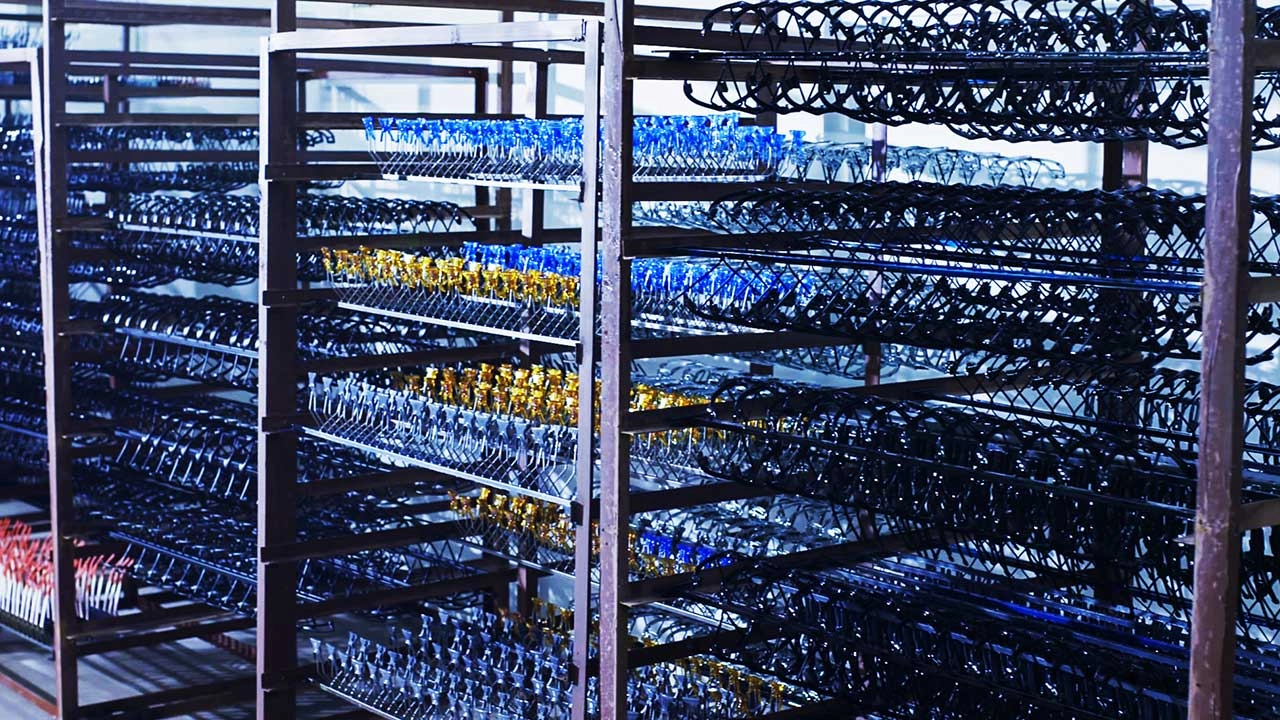
Why Sourcing from a China Eyewear Factory is the Strategic Choice for Global Brands
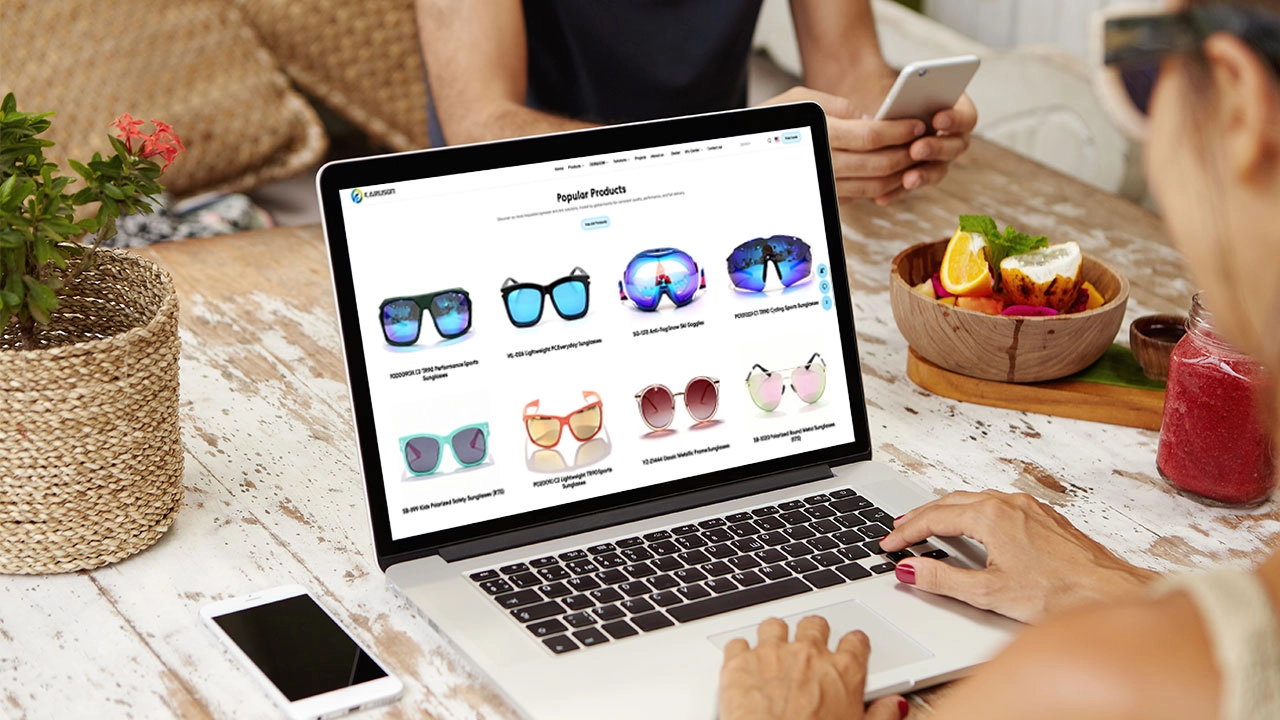
OEM vs. ODM: Which Partnership Model is Best for Your Eyewear Business?
About OEM&ODM
What is your minimum order quantity (MOQ)?
MOQ is flexible and varies by product type. Small trial orders are welcome.
Do you support OEM and ODM?
Yes—we offer both contract manufacturing (OEM) and full product development services (ODM).
How do we start a project with Karuson?
Send us your product idea or requirements—our team will review, advise, and provide the best solution and quotation.
About Products
Do you support OEM/ODM?
Yes, our R&D and design teams support full customization.
What is the lead time?
Mass production takes [25-35]days; samples take [7-10] days.
You May Also Like
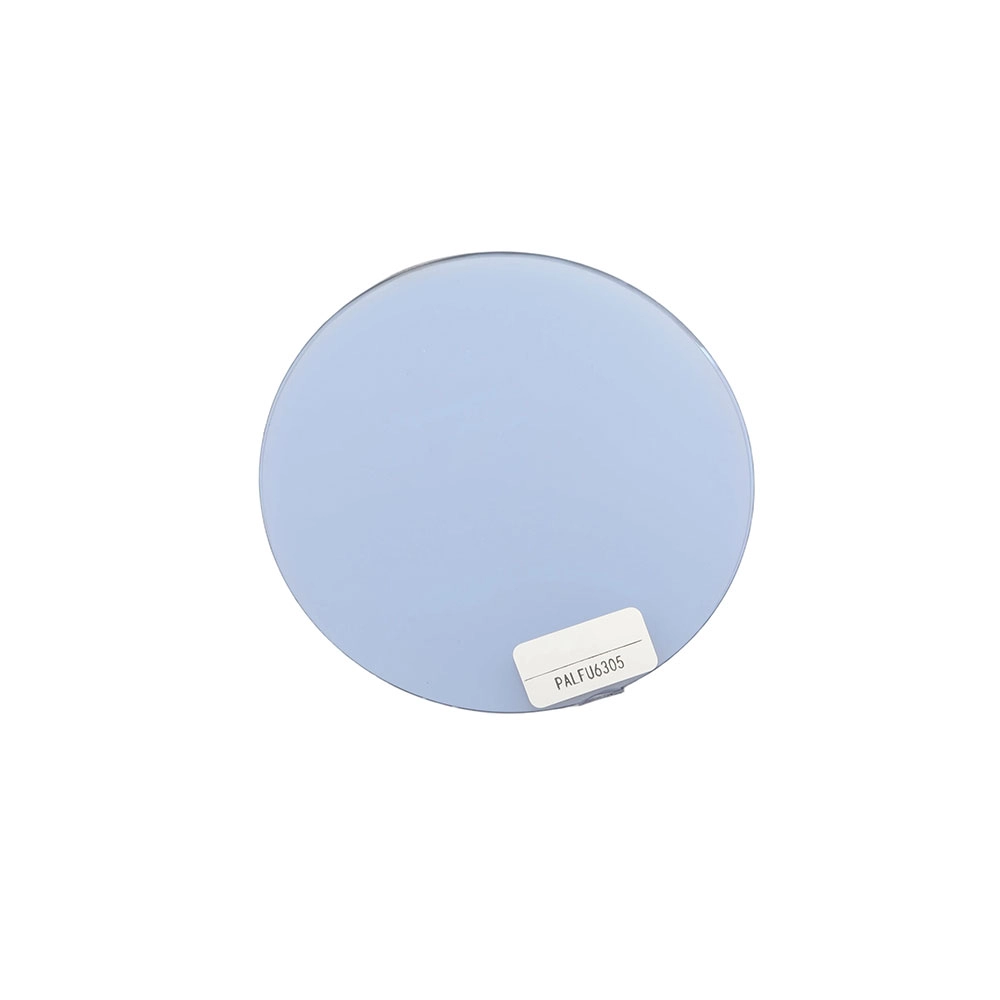
Blue Light Blocking Lenses | Custom Anti-Blue Ray OEM Wholesale
As leading eyeglass lens manufacturers, Karuson leverages advanced material science to produce PC lenses that are 37% lighter than conventional resin, providing a significant reduction in nasal bridge pressure for prolonged, comfortable wear. These high-performance lenses offer 100% UV protection and superior impact resistance, ensuring maximum ocular safety. By utilizing specialized dyeing techniques that infuse pigments directly into the material, we offer a versatile spectrum of vibrant color options—effectively minimizing glare while maintaining exceptional visual clarity for any environment.
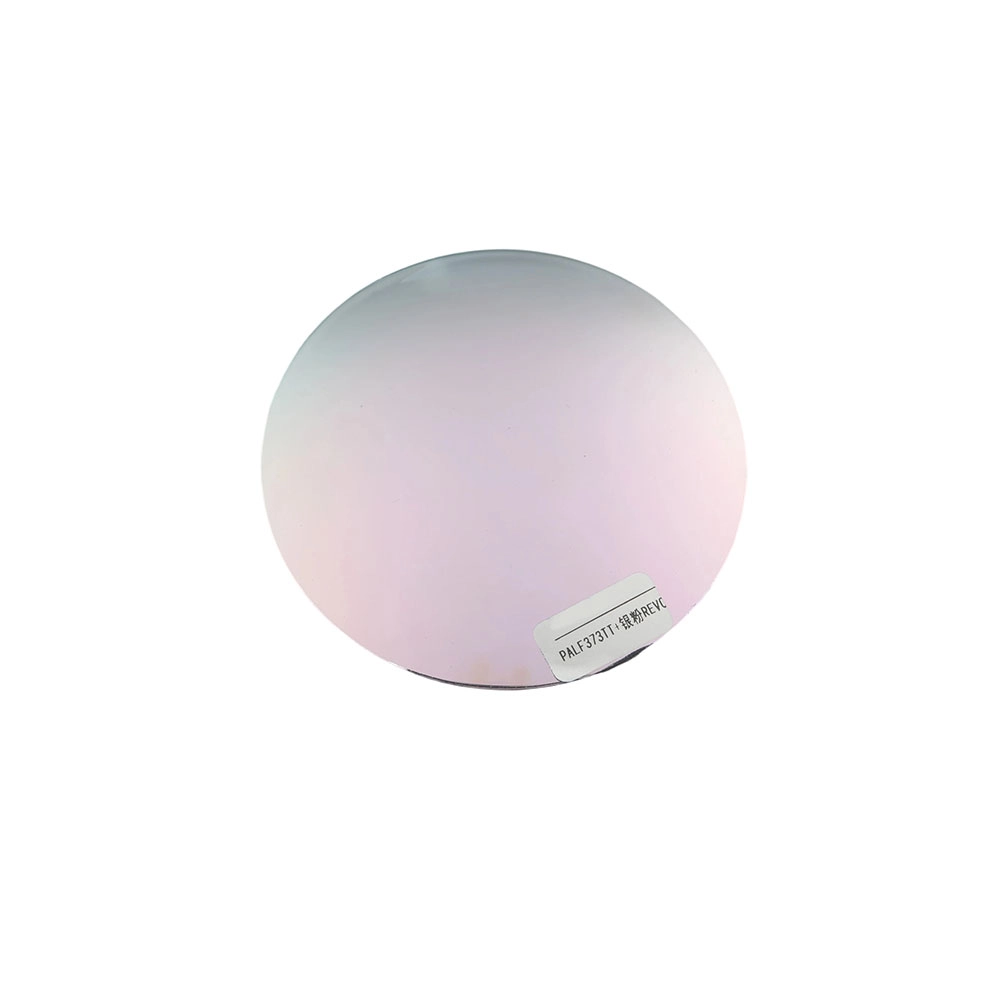
Photochromic Lenses | Adaptive Indoor & Outdoor OEM Custom Lenses
As premier eyeglass lenses manufacturers, Karuson crafts high-performance PC polarized coated lenses that seamlessly integrate lightweight, impact-resistant polycarbonate with advanced optical film technology. These lenses are engineered to achieve superior glare reduction and enhanced visual definition while offering a spectrum of stylish, customizable tints. Optimized for professional driving, outdoor sports, and urban lifestyles, our manufacturing process ensures that harmful reflections from water, roads, and snow are effectively filtered out. The result is a durable, fashion-forward visual solution that perfectly balances essential eye protection with high-end aesthetic appeal—making them the ideal choice for brands seeking to merge practicality with a modern fashion statement.
Premium Optical Lenses | High-Clarity Custom OEM Lenses for Brands
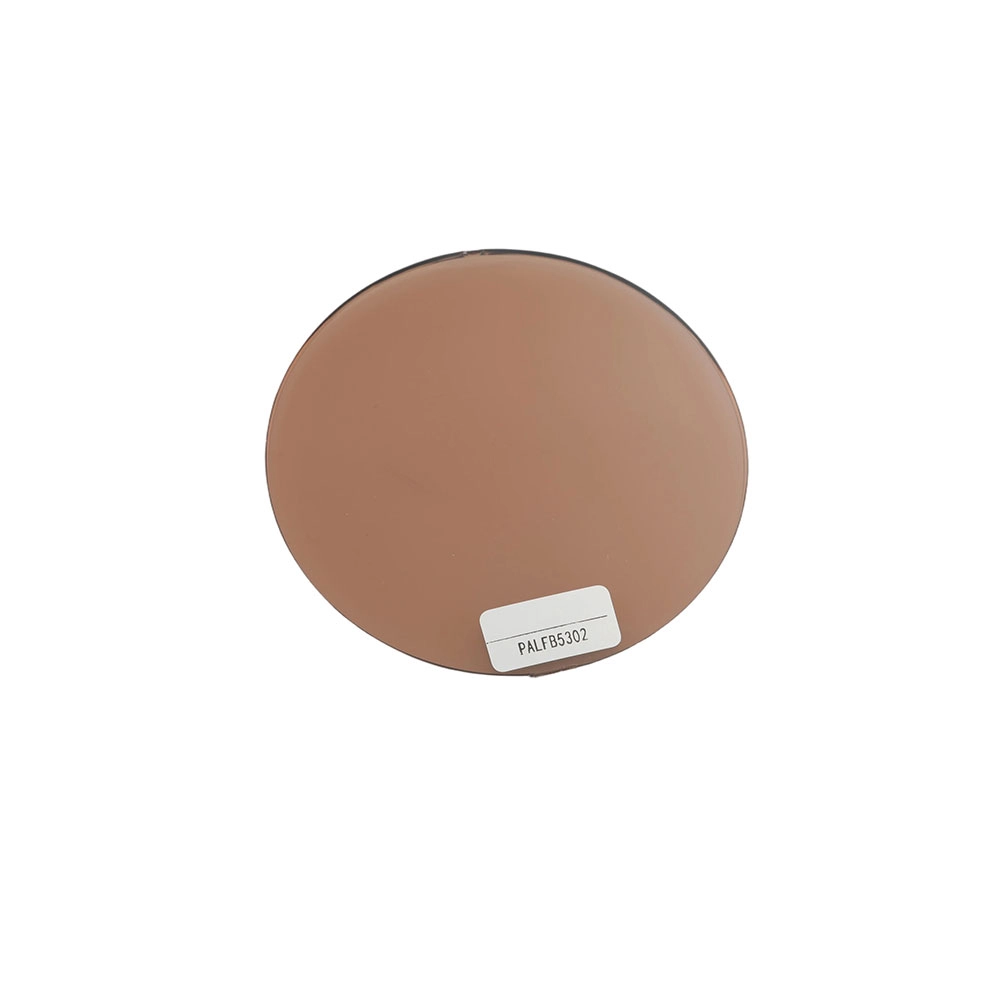
As a premier high-definition glasses lenses manufacturer, Karuson crafts high-quality Polyamide (PA) Nylon Tinted Lenses that represent the perfect synergy of ultra-lightweight performance and high-toughness durability. By integrating professional-grade tinting technology with advanced material science, we offer a lens solution that delivers exceptional optical clarity alongside vibrant, fashionable color expression. Designed for both daily commutes and trendy lifestyle matching, these lenses provide a comfortable and aesthetic visual experience, serving as a high-performance fashion accessory for the modern, style-conscious consumer.
Trendy Blue Frame Sunglasses | Customizable OEM Performance Eyewear
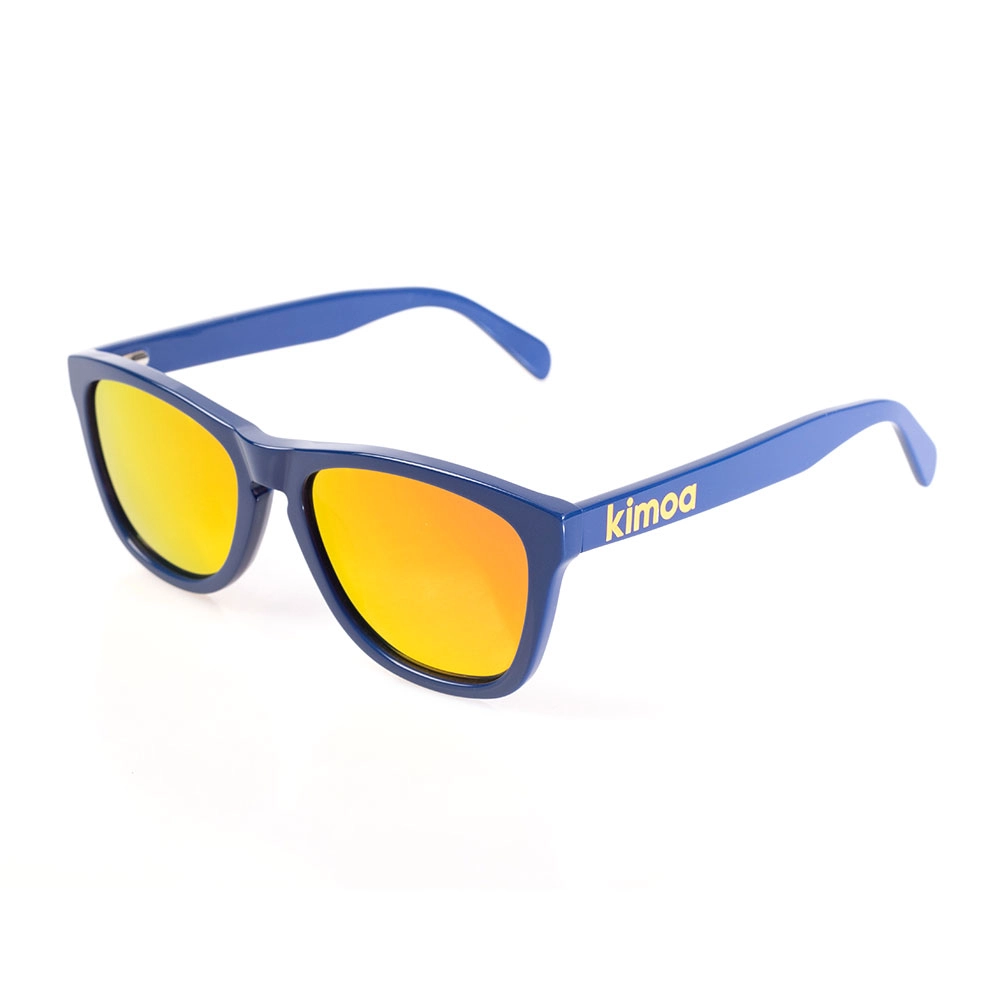
These eco-friendly bio-acetate sunglasses combine high-performance durability with sustainable innovation, making them the perfect centerpiece for your private label eyewear collection. Engineered for longevity, the frames offer superior impact and scratch resistance, while the UV400 lenses provide essential protection against harmful rays and glare. Available in a spectrum of vibrant, customizable colors, this collection allows eco-conscious brands to offer a premium, lightweight, and stylish choice that refuses to compromise on safety or aesthetics.
Get in touch with us
If you have any comments or good suggestions, please leave us a message; later our professional staff will contact you as soon as possible.
NEW DIMENSIONS IN EYEWEAR
Contact KARUSON
Email:
WhatsApp/Phone:
Address:
331 Section B, WanJia Creative Park , No. 1 BUXIA Road ,Tianhe District, Guangzhou City, Guangdong Province, China.

© 2026 KARUSON. All Rights Reserved.
Facebook
Instagram
YouTube
TikTok
Linkedin