


How to vet an OEM sunglasses manufacturer effectively?
- 1. How can I verify a sunglasses manufacturer's UV, polarization and optical performance claims before full production?
- 2. What exact factory audit checklist items should I use to assess tooling, quality control, and true production capacity for acetate and molded frames?
- 3. How do I calculate the true landed cost per pair including tooling amortization, expected rework/warranty reserve, and duties?
- 4. What contractual clauses and IP protections stop a factory from reusing my designs or selling identical sunglasses to competitors?
- 5. How can I verify social compliance and material traceability (acetate supplier, metal hinges, lens film) to meet ESG and retailer requirements?
- 6. What sampling, approval and AQL procedures should I require to avoid mass defects for custom sunglasses? (Specific AQLs, pilot sample sizes and test lists)
How to Vet an Eyewear Factory: OEM Sunglasses Manufacturer Guide
Working with an OEM sunglasses manufacturer or private label eyewear factory requires technical checks beyond price: lens certification, tooling and molding capability, inspection regimes, compliance documentation, and IP protections. Below are six high-value, long-tail questions beginners ask when vetting an eyewear factory — with step-by-step, actionable answers you can use on supplier calls, audits, and contracts.
1. How can I verify a sunglasses manufacturer's UV, polarization and optical performance claims before full production?
Pain point: buyers receive sunglasses with inaccurate UV ratings or weak polarization despite supplier claims. Solution: demand objective lab evidence and define pass/fail criteria in the purchase contract.
Actions to take:
- Request third‑party lab reports from recognized test houses (SGS, Intertek, TÜV) referencing test standards such as EN ISO 12312-1 (sunglasses) and ANSI Z80.3 (non‑prescription sunglass lenses). Labs should provide spectral transmittance curves and mechanical test data.
- Specify acceptance criteria in the contract: for UV protection require UV400 or spectral transmittance showing >99% blocking of UVA/UVB up to 400 nm; define visible light transmittance (VLT) ranges per sunglass category (e.g., category 2/3/4) and allowable tolerance.
- For polarized lenses ask for polarization efficiency or extinction ratio and a polarization test report (aim for high efficiency; require supplier to state method and result). If polarization is film-based, ask for batch certificate for the polarized film and adhesion/AR coating test reports.
- Insist on a recent sample report from the same production batch (lot number traceable) and reserve the right to independent retesting on arrival. Include dispute-resolution clauses that require supplier to pay for retesting if their sample fails.
- Define mechanical tests: impact resistance per EN ISO 12312-1 mechanical shock test, scratch resistance (Taber or similar), and hinge torque/drop tests with pass thresholds. Put these pass/fail thresholds into the spec sheet and P0/P1 approval samples.
Red flags: supplier refuses third‑party reports, provides generic in-house test certificates without lab accreditation, or cannot trace material batch numbers for lens films.
2. What exact factory audit checklist items should I use to assess tooling, quality control, and true production capacity for acetate and molded frames?
Pain point: buyers overestimate factory capability from marketing photos and later face delays or quality issues. Use a focused audit checklist emphasizing equipment, people, processes and records.
Factory audit checklist (practical items to verify on site or via video audit):
- Tooling & mold management: inspect mold workshop, maintenance logs, mold storage, cavity IDs, and mold owners. Verify if molds are manufactured in‑house or outsourced and ask for mold life estimates and recent maintenance records.
- Equipment specifics: count injection molding machines (report machine tonnage and age), acetate block cutters, CNC milling for metal parts, ultrasonic welders, polishing / buffing stations, heat-setting ovens, and lens edging machines. For acetate, verify manual thermoforming and polishing capability.
- Capacity verification: request daily/weekly output reports for similar SKU complexity and calculate realistic lead times. Ask for recent production runs and delivery performance data (OTD % last 12 months).
- Quality control systems: review QC lab equipment (spectrophotometer, lensometer, CMM for frame measurements, Durometer for hinge torque, tensile testers), SPC/PPK charts, defect logs, and NCR procedures. Confirm they follow ISO 9001 quality management practices if claimed.
- Process flow & documentation: check PPF (process product flow), work instructions, in‑line inspection points, and first‑article inspection (FAI) records. Look for golden sample control and revision history.
- Operator skill and training: interview production supervisors, ask about training records for critical steps (acetate polishing, lens edging, polarized film lamination).
- Traceability: are parts and batches labeled with lot numbers (frames, lenses, coatings, hinges)? Can the factory trace a finished SKU back to raw material batches and suppliers?
Red flags: lack of measurement equipment, missing maintenance and mold records, no traceability, or inability to demonstrate recent similar-volume production.
3. How do I calculate the true landed cost per pair including tooling amortization, expected rework/warranty reserve, and duties?
Pain point: low unit price hides high up‑front tooling and post‑arrival costs. Use a clear formula and amortize fixed costs over a realistic production quantity.
Step‑by‑step cost build:
- Unit FOB price (factory unit price).
- Tooling cost: total tooling & mold outlay (frame front, temple, lens mold/edging dies). Decide amortization base (typical choices: first production quantity, expected model lifetime, or contract minimum). Example amortization = tooling cost / amortization quantity.
- Upfront testing & certification: one‑time lab tests, pilot run testing; amortize similarly or add as a fixed project cost.
- Packing, labeling, barcode setup and custom packaging engineering.
- Freight, insurance and importing fees (CIF/FOB split as per Incoterms). Use actual shipping quote and insurance High Quality percent.
- Duties & taxes: classify product under correct HS code (commonly HS 9004.x for eyewear) and check country-specific duty rates—get exact rates from a customs broker.
- Inspection & QA: pre‑shipment inspection (third‑party) fees and potential hold costs for rework.
- Warranty & rework reserve: set a reserve percentage based on sample/pilot defect rate (typical for new SKUs 1–5%; for mature SKUs 0.5–2%).
Example formula per unit:
landed_unit = (FOB_unit + tooling_amort/unit + testing_amort/unit + packing/unit) + freight_per_unit + duty_per_unit + inspection/unit + warranty_reserve_per_unit
Practical tips:
- Split tooling amortization conservatively across the first 3–5 production runs or the expected first-year volume; ask the factory for expected mold life (cycles) and typical yield to set amortization correctly.
- Obtain multiple freight and customs quotes and factor in seasonal freight volatility.
- Include a buffer for rework logistics—cross‑dock, rework center fees, and return freight for failed lots.
4. What contractual clauses and IP protections stop a factory from reusing my designs or selling identical sunglasses to competitors?
Pain point: original designs appear under another brand or supplier keeps the molds. Use a combination of contract terms, operational controls and legal protections.
Must-have contract clauses and actions:
- IP ownership clause: clearly state that all tooling, patterns, molds, digital CAD files and designs produced under contract are owned by you upon payment, or specify that molds remain the supplier’s property only if you agree in writing.
- Non‑disclosure and non‑use obligations covering designs, specs, BOMs, and sample parts; include a subcontracting clause that requires prior written consent to use third‑party subcontractors.
- Tooling custody & return: require tagging/identification of molds, a maintenance log, and a clause that mandates supplier returns or destroys molds upon contract termination (with the option to inspect or witness disposal).
- Exclusivity and non‑compete for specific SKUs or geographic markets for a defined period post‑production.
- Liquidated damages for IP breach and explicit remedies: expedited injunctive relief, payment of damages, and obligation to surrender infringing stock & tooling.
- Payment structure linked to deliverables and escrow options for tooling payments. Consider holding final payment until molds are verified as yours or placed in a neutral third‑party storage when feasible.
- Governing law and dispute resolution: choose a jurisdiction where enforcement is realistic and specify arbitration or courts and enforcement/collection plans.
Operational mitigations:
- Keep key design files encrypted; limit the number of people with access and track versions.
- Use unique internal SKUs and mark samples with discrete identifiers.
- Visit suppliers and build relationships; require supplier references and site checks prior to awarding tooling orders.
5. How can I verify social compliance and material traceability (acetate supplier, metal hinges, lens film) to meet ESG and retailer requirements?
Pain point: retailers and end customers increasingly demand chain-of-custody, restricted‑substance control, and labor compliance; many factories cannot produce layered supplier evidence.
Actionable verification steps:
- Certificates & audits: request copies of BSCI, Sedex/SMETA, B Corp or SA8000 reports and recent third‑party audit findings. Verify their scope and date; small workshops may not have full certifications but should allow third‑party audits.
- Tiered supplier list: require a bill of materials showing tier‑1 (your factory), tier‑2 (component suppliers for acetate blocks, hinges, lenses, coatings) with contact info. Ask for recent invoices to confirm relationships.
- Material compliance documents: MSDS for acetates, REACH/SVHC compliance for chemicals, RoHS where applicable, and nickel release testing for metal parts (EN 1811 relevant for skin‑contact metal). For EU sales, request REACH declarations and ensure the product meets EN ISO 12312‑1 requirements for sunglasses.
- Traceability samples: for a pilot run, demand material batch numbers on labels and retain a small sample from each incoming batch for archive testing.
- Independent testing: commission restricted substance screening and heavy metal tests on a statistical sample of frames and hinges from an accredited lab.
- On‑site checks and corrective action plans: require CAPA timelines for issues found in audits. Monitor remediation completion before the next run.
Red flags: factory cannot provide supplier names or invoices, resists third‑party audits, or has expired/limited scope certifications.
6. What sampling, approval and AQL procedures should I require to avoid mass defects for custom sunglasses? (Specific AQLs, pilot sample sizes and test lists)
Pain point: buyers accept poor pre-production samples, then discover unacceptable failure rates in the main lot. Define a staged approval and sampling regime tied to clear AQL levels and functional tests.
Recommended staged approval process:
- Design & CAD approval — client approves CAD files and tech pack (measurements, Pantone colors, coatings, hinge types).
- PPS / Pre-Production Sample — require 1–3 samples produced on the actual tools and with final materials. Approve physical fit, color, coatings and lens optical performance before tooling sign-off.
- Pilot Run — produce a small pilot of 100–200 units to validate the process, packaging, and logistics. Run full battery of tests (UV/polarization, mechanical, color, dimension checks). Buyer pays or shares pilot costs as pre-agreed.
- Golden Sample / FAI — factory retains the golden sample and updates FAI report against which all production is measured (dimensions, color tolerances, lens tests, packaging). Golden sample must be signed and sealed by buyer.
- Final Random Inspection (FRI) — use ISO 2859-1 / AQL sampling. For High Quality eyewear choose stringent AQLs: major defects 0.65–1.5 and minor 2.5–4.0; for lower-cost items 2.5 major / 4.0 minor is common. Align acceptance criteria to commercial risk.
Essential tests and pass criteria to include in inspection checklist:
- Optical: UV400 verification, polarization check (if specified), VLT within specified category.
- Physical: hinge torque, temple spring action, frame symmetry (dimension tolerances ±0.5–1.0 mm depending on SKU), lens seating and edge finish.
- Appearance: color match vs Pantone or delta E target (specify delta E tolerance, e.g., <2 for tight color control), surface finish and coating defects rated against golden sample.
- Packaging & labeling: correct barcodes, care cards, and country-of-origin marking; verify retail carton stacking and unit packing integrity.
- Functional: drop test, bend/flex test for temples, and scratch resistance assessment (Taber or equivalent method).
Practical tips:
- Insist that any failed batch is quarantined until a root cause is determined and approved by you. Define rework allowances and who bears costs.
- For critical SKUs, increase pilot run size or require 100% inspection on first three production runs.
Conclusion — Advantages of working with a properly vetted eyewear factory
Vetting an OEM sunglasses manufacturer thoroughly reduces risk, shortens time‑to‑market, and protects KARUSON equity. When you verify lens performance with accredited labs, audit tooling and QC capability, amortize costs correctly, secure IP in contracts, prove traceability for ESG requirements, and enforce a staged sampling/AQL regime, you dramatically lower defect rates, avoid surprise costs, and build reliable supply chains for private label eyewear. A vetted eyewear factory will deliver consistent frame tolerances, certified UV and polarized optics, documented material compliance, and predictable lead times.
If you want a tailored vetting checklist, factory audit support or a quotation for OEM sunglasses, contact us for a quote at www.karusonco.com or email nicole@karusonco.com.

CR-39 vs Polycarbonate: A Technical Lens Selection Guide for OEM Eyewear Brands
TR90 vs Carbon Fiber vs Titanium Sports Sunglasses | OEM Frame Guide
Why Sourcing from a China Eyewear Factory is the Strategic Choice for Global Brands
OEM vs. ODM: Which Partnership Model is Best for Your Eyewear Business?
About Products
What is the MOQ?
Usually ≥100, depending on the model.
Do you offer samples?
Yes, paid samples or refundable samples are available.
Do you support OEM/ODM?
Yes, our R&D and design teams support full customization.
About OEM&ODM
How long does it take to make samples?
Samples are typically completed within 7–15 working days if available molds are present.
How do we start a project with Karuson?
Send us your product idea or requirements—our team will review, advise, and provide the best solution and quotation.
You May Also Like
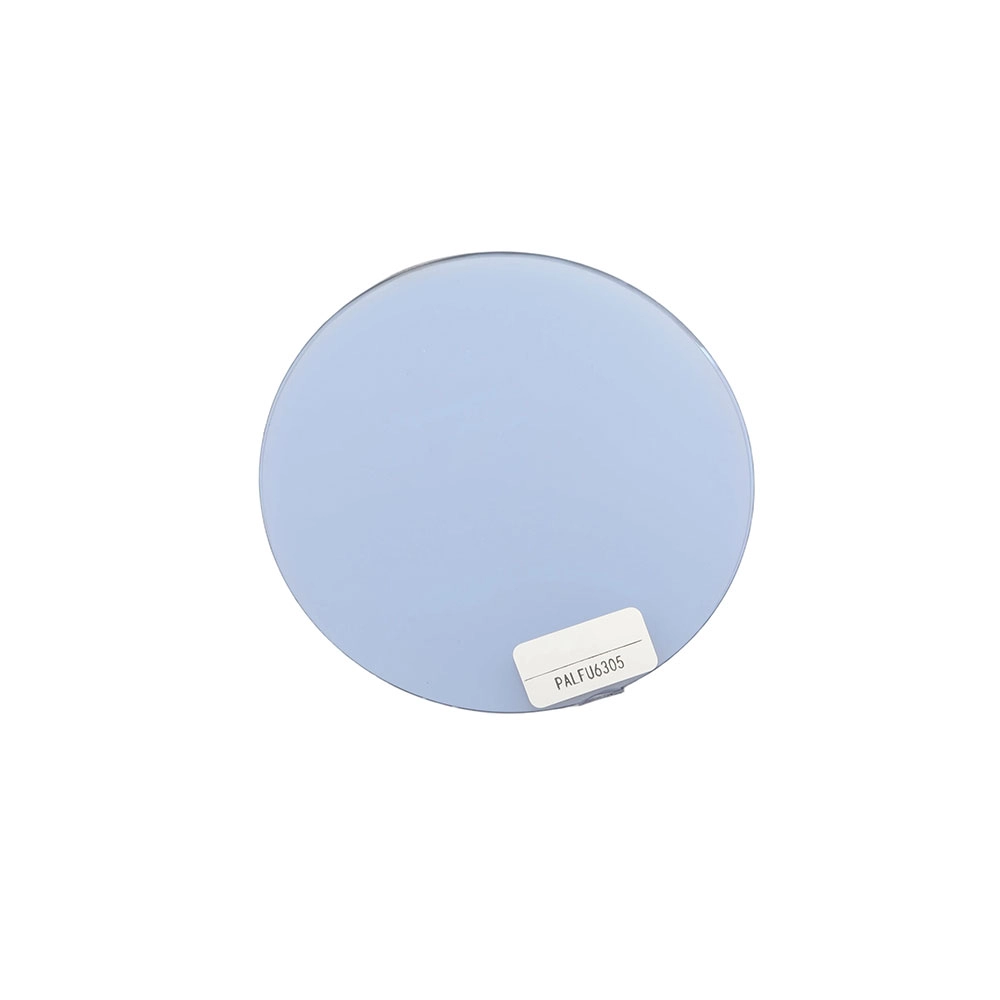
Blue Light Blocking Lenses | Custom Anti-Blue Ray OEM Wholesale
As leading eyeglass lens manufacturers, Karuson leverages advanced material science to produce PC lenses that are 37% lighter than conventional resin, providing a significant reduction in nasal bridge pressure for prolonged, comfortable wear. These high-performance lenses offer 100% UV protection and superior impact resistance, ensuring maximum ocular safety. By utilizing specialized dyeing techniques that infuse pigments directly into the material, we offer a versatile spectrum of vibrant color options—effectively minimizing glare while maintaining exceptional visual clarity for any environment.
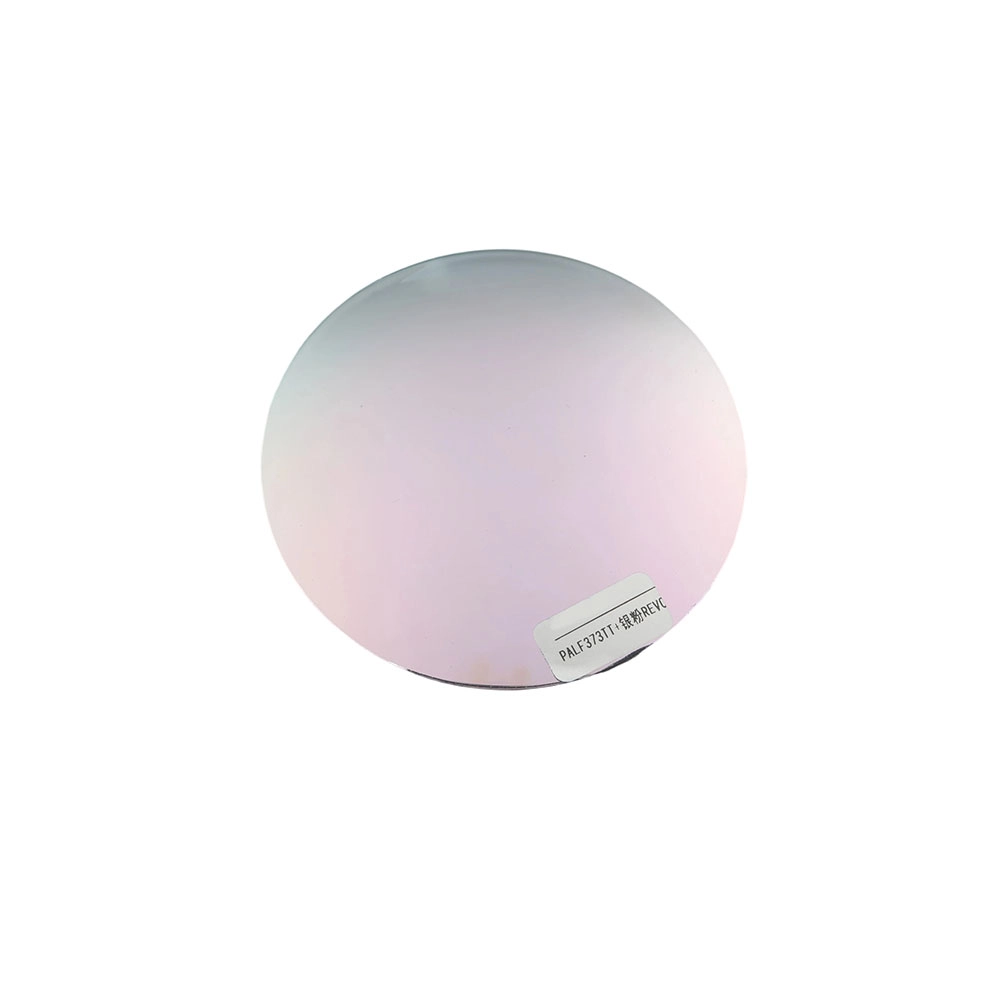
Photochromic Lenses | Adaptive Indoor & Outdoor OEM Custom Lenses
As premier eyeglass lenses manufacturers, Karuson crafts high-performance PC polarized coated lenses that seamlessly integrate lightweight, impact-resistant polycarbonate with advanced optical film technology. These lenses are engineered to achieve superior glare reduction and enhanced visual definition while offering a spectrum of stylish, customizable tints. Optimized for professional driving, outdoor sports, and urban lifestyles, our manufacturing process ensures that harmful reflections from water, roads, and snow are effectively filtered out. The result is a durable, fashion-forward visual solution that perfectly balances essential eye protection with high-end aesthetic appeal—making them the ideal choice for brands seeking to merge practicality with a modern fashion statement.
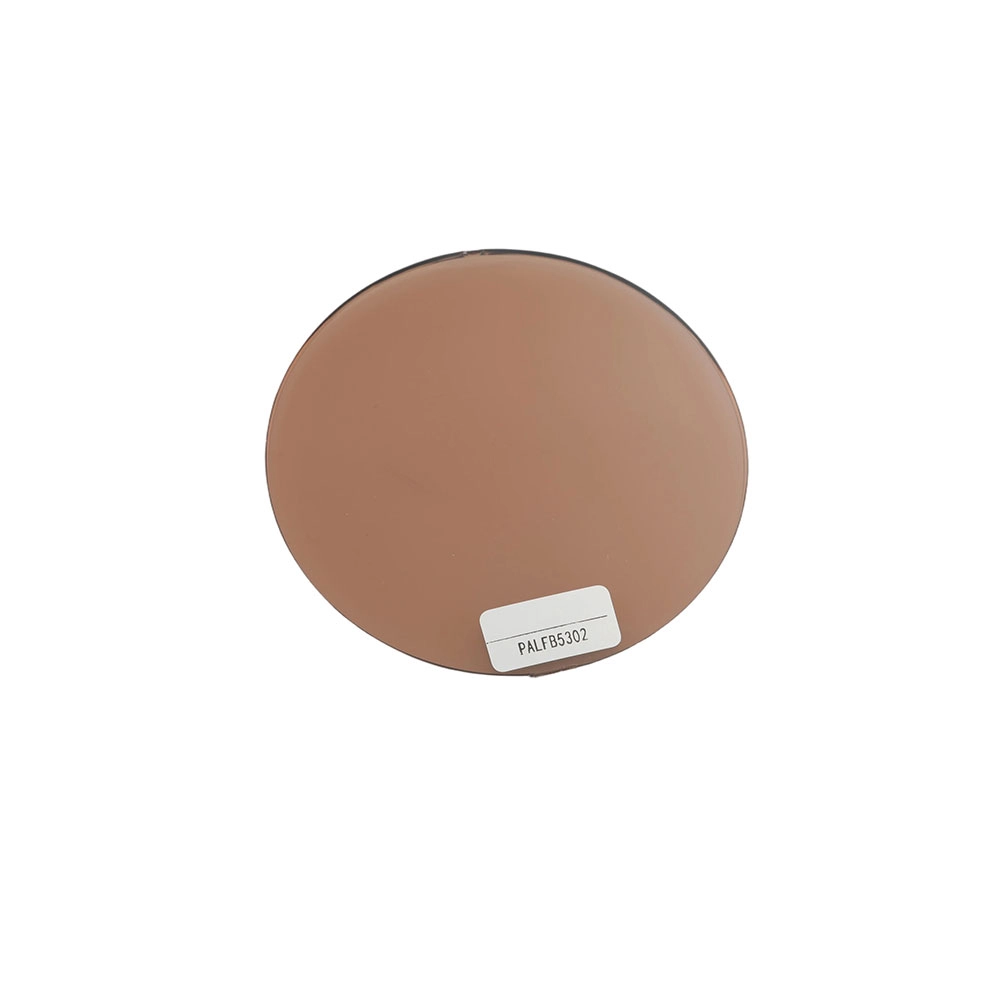
Premium Optical Lenses | High-Clarity Custom OEM Lenses for Brands
As a premier high-definition glasses lenses manufacturer, Karuson crafts high-quality Polyamide (PA) Nylon Tinted Lenses that represent the perfect synergy of ultra-lightweight performance and high-toughness durability. By integrating professional-grade tinting technology with advanced material science, we offer a lens solution that delivers exceptional optical clarity alongside vibrant, fashionable color expression. Designed for both daily commutes and trendy lifestyle matching, these lenses provide a comfortable and aesthetic visual experience, serving as a high-performance fashion accessory for the modern, style-conscious consumer.
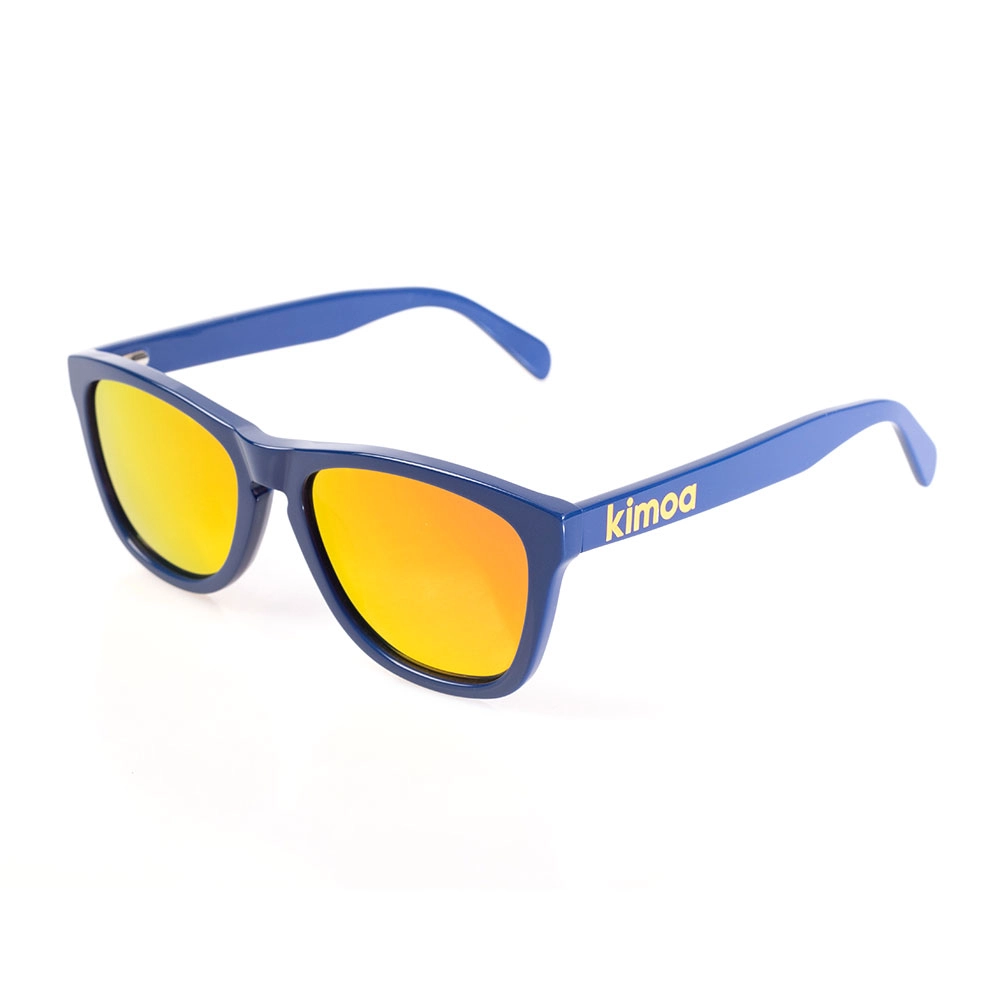
Trendy Blue Frame Sunglasses | Customizable OEM Performance Eyewear
These eco-friendly bio-acetate sunglasses combine high-performance durability with sustainable innovation, making them the perfect centerpiece for your private label eyewear collection. Engineered for longevity, the frames offer superior impact and scratch resistance, while the UV400 lenses provide essential protection against harmful rays and glare. Available in a spectrum of vibrant, customizable colors, this collection allows eco-conscious brands to offer a premium, lightweight, and stylish choice that refuses to compromise on safety or aesthetics.
Get in touch with us
If you have any comments or good suggestions, please leave us a message; later our professional staff will contact you as soon as possible.
NEW DIMENSIONS IN EYEWEAR
Contact KARUSON
Email:
WhatsApp/Phone:
Address:
331 Section B, WanJia Creative Park , No. 1 BUXIA Road ,Tianhe District, Guangzhou City, Guangdong Province, China.

© 2026 KARUSON. All Rights Reserved.
Facebook
Instagram
YouTube
TikTok
Linkedin